
Maximising vertical space in a Singapore HDB flat requires matching the right wall hanging organizer to the specific environmental conditions and structural limits of each room. Because HDB flats feature a mix of heavy concrete structural walls and lightweight drywall partitions, a one-size-fits-all organizer will quickly lead to sagging shelves, damaged paint, or fallen items. Choosing the right system involves evaluating the room’s humidity, the weight of your items, and the mounting restrictions of your walls.
Assessing HDB Wall Constraints and Mounting Methods
Before purchasing any wall hanging organizer, you must identify what lies behind your paint or wallpaper. Most HDB flats utilize precast concrete for structural walls and columns, while internal partition walls between bedrooms are often made of drywall or lightweight concrete blocks. Knocking gently on the wall is a simple way to start; a hollow sound indicates drywall or a hollow block partition, while a solid, dull thud points to solid concrete.
The wall material directly dictates your mounting method. For heavy-duty storage on concrete walls, drilling with a hammer drill and inserting plastic wall plugs is the most reliable anchoring method. If you are dealing with drywall partitions, you must use specialized toggle bolts or hollow-wall anchors rather than standard plugs, as ordinary screws will easily pull out under load.
Products mentioned in this guide
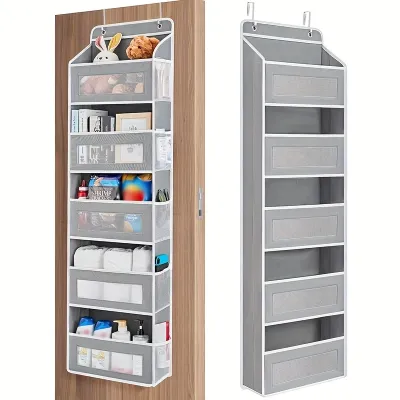
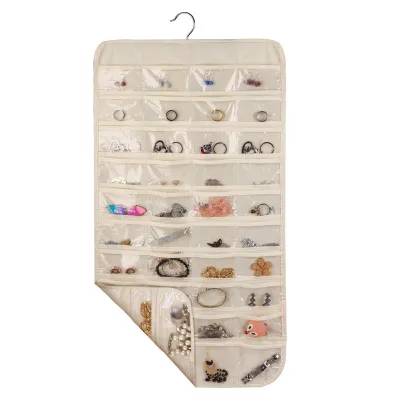
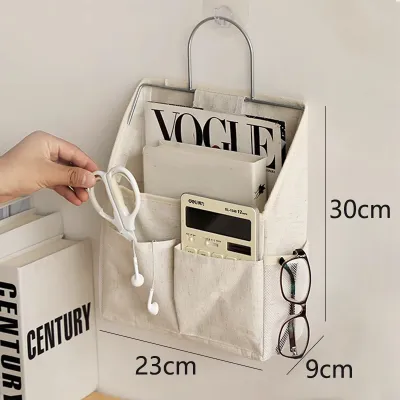

Prices are valid at publication and may change. Please refer to the product page for the latest price.
If you prefer a no-drill approach, adhesive-backed organizers are highly convenient but require meticulous surface preparation. Clean the target area thoroughly with isopropyl alcohol to remove dust and oils, and allow it to dry completely before application. Keep in mind that adhesive weight capacities are highly dependent on the quality of your wall paint; if the paint is old or chalky, the adhesive may pull the paint layer right off the wall.
Always check the manufacturer’s packaging for specific weight limits and curing times before hanging any items. If you are unsure about structural walls or suspect hidden utility pipes, it is always safest to consult a licensed contractor or check your flat’s original floor plans.
Kitchen: Managing Heat, Grease, and Heavy Cookware
The kitchen is one of the most demanding environments in an HDB flat due to constant exposure to high heat, airborne grease, and moisture from cooking. When selecting a wall hanging organizer for this space, prioritize non-porous, easy-to-clean materials. Stainless steel rails, powder-coated iron grids, and heavy-duty aluminum pegboards are excellent choices because they resist grease buildup and can be wiped down easily with a damp cloth and mild detergent. Avoid untreated wood or highly textured plastics, which tend to trap grease and become sticky over time.

Kitchen organizers often need to support significant weight, from heavy cast-iron pans and stainless steel utensils to dense ceramic spice jars. For these applications, a drilled rail system or a securely anchored pegboard is essential. Ensure that the hooks and baskets you choose fit snugly into the organizer frame without wobbling, as loose fittings can cause heavy items to slip and fall during meal preparation.
Placement is key to maintaining a safe and efficient cooking zone. Mount your organizers away from the direct heat zone of your hob to prevent plastic components from warping or metal rails from becoming too hot to touch. Ensure the installation does not obstruct your cooker hood’s ventilation path or interfere with the swing of overhead cabinet doors. Placing a spice rack or utensil rail slightly to the side of your prep counter keeps your daily essentials within arm’s reach without cluttering your workspace.
Bathroom: Prioritizing Moisture Resistance and Ventilation
Singapore’s tropical climate combined with daily hot showers makes the HDB bathroom a high-humidity zone where rust and mold can develop rapidly. To prevent unsightly corrosion and structural failure, prioritize organizers made from rust-proof materials. Grade 304 stainless steel, anodized aluminum, and high-grade ABS plastics are highly resilient in wet environments. If you choose coated metal organizers, inspect the finish regularly for chips or scratches, as exposed iron underneath will quickly rust when exposed to moisture.
Proper ventilation and drainage are critical for bathroom storage. Select wire baskets, slatted shelves, or perforated trays that prevent water from pooling around your toiletries, loofahs, and razors. Allowing air to circulate freely around these items helps them dry faster, reducing the risk of mold and mildew growth.
When planning your bathroom layout, mount your organizers away from direct water spray to prolong the life of both the organizer and its mounting adhesive. If you are using adhesive hooks or caddies, choose water-resistant adhesive strips designed specifically for humid environments. Additionally, ensure that metal organizers are installed a safe distance away from electrical outlets and water heater switches to prevent any dripping water from creating an electrical hazard.
Bedroom: Storing Light Accessories and Decor
In the bedroom, wall hanging organizers serve as both functional storage and visual accents. This is the ideal space for lightweight materials such as wooden pegboards, fabric pocket organizers, or decorative wire grids. When choosing wooden or fabric options, check that they are free from strong chemical odors or off-gassing, as these can affect your sleep quality. Fabric organizers should also be easy to remove and wash to prevent dust mites from accumulating.
Because bedroom organizers are typically used for lighter personal items like jewelry, hats, belts, and light clothing, you can often rely on damage-free adhesive mounting. This is particularly beneficial for renters or those with non-structural partition walls where drilling is undesirable. However, it is still crucial to establish a safe weight limit. Distribute the weight of your accessories evenly across the organizer rather than clustering heavy items on a single hook, which can cause the mounting to fail over time.
To maintain a restful atmosphere, position your bedroom organizers where they do not create visual clutter. Mounting a slim pegboard on the inside of a wardrobe door or on an adjacent wall keeps your daily accessories organized and accessible without disrupting the clean lines of your sleeping space.
Entryway: Building a Compact Daily Drop Zone
The entryway of an HDB flat is often a narrow corridor or a compact foyer that must handle a high volume of daily traffic. A well-designed wall hanging organizer here acts as a compact daily drop zone, keeping keys, mail, umbrellas, and reusable shopping bags organized right by the front door. To maximize this limited space, look for multi-functional designs that combine several storage types into one slim profile, such as a mail slot with integrated key hooks and a small shelf for pocket items.
When selecting an entryway organizer, consider the physical dimensions of your foyer to ensure the unit does not obstruct the walkway or interfere with the swing of your main door or gate. Slim, wall-hugging designs are ideal for keeping the path clear.
Installation height and hook spacing should be planned ergonomically. Mount the primary key and mail organizer at eye level (approximately 1.5 meters from the floor) for easy access as you walk through the door. If you have children or older family members, consider installing a secondary, lower row of hooks for their bags and umbrellas, ensuring that everyone in the household can easily maintain the organization system.
Frequently Asked Questions (FAQ)
Can I use adhesive wall organizers on HDB household shelter walls?
Yes, but only for very lightweight items. HDB household shelters (bomb shelters) are constructed with thick, reinforced concrete designed for structural protection, and drilling into these walls is strictly prohibited by housing regulations. While heavy-duty adhesive hooks or magnetic organizers (if the door is steel) can be used, you must avoid hanging heavy or fragile items on them, as adhesive failure on these hard surfaces could cause damage.
How do I safely remove adhesive wall organizers without peeling the paint?
To remove an adhesive organizer safely, use a handheld hairdryer to apply gentle heat directly to the adhesive backing for a few minutes. This softens the adhesive bond, allowing you to slowly peel the strip away. Pull the adhesive tab parallel to the wall surface rather than pulling it straight outward. Always test this method on a small, hidden area first, and keep some matching wall paint on hand in case the plaster layer is old and requires a minor touch-up.
Community discussion
Share your experience or ask a question. Comments are reviewed before publication.