
A compact HDB bedroom requires smart space planning, especially when it comes to the bedside table. A valet tray is an excellent tool to keep your daily essentials—like keys, watches, rings, and phones—organized in one designated spot. However, choosing an unsuitable size or style can quickly overcrowd a small nightstand, leaving you with no room for a bedside lamp, a glass of water, or a book. Finding the ideal balance between storage capacity and surface area is key to maintaining a clutter-free, functional bedroom.
To select the ideal valet tray for your space, you must evaluate the physical limits of your nightstand, calculate the optimal footprint, and choose features that maximize vertical or compartmentalized storage. By focusing on smart dimensions and visual weight, you can keep your bedside organized without sacrificing precious surface area.
Assess Your Nightstand Surface and Clearance
Before purchasing a valet tray, you need to measure the exact usable space on your nightstand. Many HDB bedrooms feature compact bedside tables, built-in ledges, or floating shelves that have limited depth. Start by clearing the surface and measuring the total width and depth with a measuring tape.
Products mentioned in this guide
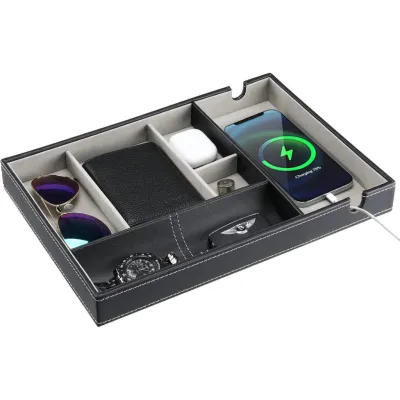
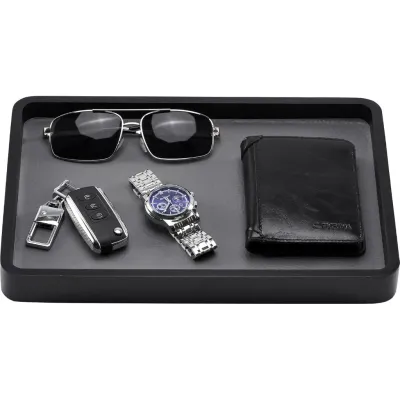




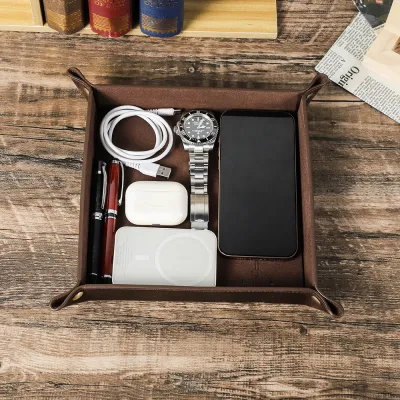
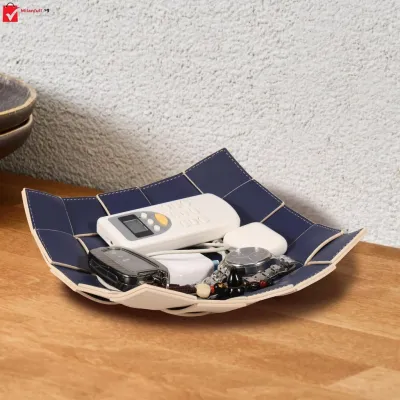
Prices are valid at publication and may change. Please refer to the product page for the latest price.
Next, subtract the footprint of any permanent items you plan to keep on the nightstand. A bedside lamp, an alarm clock, or a tissue box will already occupy a significant portion of the surface. The remaining open space is your actual usable area, which will dictate the maximum size of your tray.
Vertical clearance is another critical factor that is often overlooked. If your nightstand is positioned directly beneath low-hanging wall shelves, light fixtures, or custom wardrobe doors, you must ensure the tray and its contents do not block these elements. Check that drawer pulls or cabinet doors can swing open freely without catching on the edge of the tray.
Finally, consider the pathway clearance around your bed. In tight HDB layouts, the gap between the bed and the wardrobe or wall can be narrow. A valet tray that is too wide might overhang the edge of the nightstand, making it easy to bump into as you get in and out of bed. Ensuring the tray sits entirely within the boundaries of the tabletop prevents accidental spills and keeps your walking paths clear.
Determine the Optimal Valet Tray Footprint
Once you have your nightstand’s measurements, you can determine the ideal footprint for the tray. A common mistake is buying a tray that covers the entire open surface, which creates visual clutter and leaves no room to set down temporary items like a cup of water or a pair of glasses.

To maintain a balanced look, aim for a safe footprint ratio where the valet tray occupies no more than one-third to one-half of the available open space. This leaves a visible border of empty space around the tray, which acts as a visual buffer and makes the nightstand feel less cramped. For example, if your usable surface is 30 cm by 30 cm, a tray measuring roughly 15 cm by 20 cm is usually appropriate.
The shape of your nightstand should also guide your choice between depth and width. If you have a wide but shallow bedside shelf, a long, narrow rectangular tray will fit neatly along the back wall. Conversely, if your nightstand is deep but narrow, a square or circular tray positioned toward the back allows you to access your items easily while leaving the front area open.
Always verify that the tray’s base dimensions are slightly smaller than the flat surface of your nightstand. Any edge overhang can cause instability, making the tray tip over if you place a heavy item like a smartphone on the outer edge. A flush, stable fit ensures your valuables remain secure throughout the night.
Select Space-Saving Organizational Features
To get the most utility out of a small footprint, look for valet trays with smart, space-saving designs. Instead of a simple flat dish where items pile up in a messy heap, a tray with built-in compartments helps you categorize your daily carry items efficiently.
Tiered or stacked layouts are highly effective for small nightstands because they utilize vertical space. A double-decker tray or a design with a raised watch stand allows you to store multiple items without expanding the physical footprint on the tabletop. You can place less frequently used items, like spare change or keys, in the lower compartment while keeping your daily watch and rings on the upper level.
If you charge your phone, smartwatch, or wireless earbuds on your nightstand, look for a valet tray with integrated cable routing or built-in device stands. These designs feature small cutouts or channels that allow charging cords to pass through neatly to the wall outlet. This prevents cables from tangling across the nightstand and keeps your devices upright and readable.
When choosing a layout, balance dedicated slots with open catch-all zones. While specialized compartments for rings or watches are convenient, having at least one open, flexible section is essential. This allows you to toss in miscellaneous items like receipt slips, hair ties, or medication packets without disrupting the organization of your primary valuables.
Choose Materials That Reduce Visual Clutter
The material of your valet tray plays a significant role in how large or heavy it looks on your nightstand. In a small HDB bedroom, heavy, dark, or overly ornate accessories can make the space feel smaller and more cluttered.
To keep the bedside environment feeling open and visually light, contrast the visual weight of different materials. Opaque materials like solid dark wood or thick black leather have a high visual weight and draw the eye directly to them. If you prefer these classic materials, look for lighter wood finishes like oak or ash, or tan and cream leather options that blend more softly with the surroundings. Alternatively, transparent acrylic or slim wire-frame trays offer a modern, minimalist look that lets light pass through, making the tray almost disappear on the surface.
Matching the tray’s finish to your nightstand’s material or color palette is an excellent way to create a cohesive, integrated look. For instance, if you have a white laminate nightstand, a matte white ceramic or light grey felt tray will blend seamlessly into the surface, reducing visual noise.
Finally, consider the care and maintenance of the materials. Bedside surfaces accumulate dust, fingerprints, and occasional spills from morning drinks. Felt and fabric-lined trays can trap dust and are difficult to clean if stained, whereas leather, acrylic, and finished wood can be easily wiped down with a damp cloth. Check the manufacturer’s care instructions to ensure the material fits your daily routine.
Avoid Common Sizing and Placement Mistakes
When setting up your bedside organization, avoiding a few common pitfalls can save you from daily frustration and potential damage to your furniture.
First, avoid selecting deep, high-walled trays or boxes that block access to adjacent drawers. If your nightstand has a top drawer, a tall valet tray placed near the front edge might prevent the drawer from opening fully or scratch the underside of the drawer frame. Always measure the clearance height if your nightstand has sliding or folding components.
Second, if you use a floating or wall-mounted nightstand, check its weight capacity before adding a heavy tray. Solid marble, heavy ceramic, or thick metal valet trays can add significant weight, especially when loaded with heavy smartphones, metal watches, and keys. Ensure your wall anchors and brackets are rated to support the combined weight of the nightstand, the tray, and all your bedside essentials.
Lastly, prevent overcrowding by strictly limiting the tray’s contents to your immediate daily essentials. A valet tray is designed as a temporary transit point for items you use every day, not a permanent storage bin. Regularly clear out old receipts, loose coins, and items that belong in the wardrobe or entryway to keep your bedside clean and functional.
Frequently Asked Questions (FAQ)
Can I use a valet tray on a floating or wall-mounted nightstand?
Yes, you can use a valet tray on a floating nightstand, but you must be mindful of weight limits and stability. Check the manufacturer’s specifications for your floating shelf or wall-mounted unit to find its maximum load capacity. To prevent structural strain on the wall anchors, choose lightweight tray materials such as thin wood, acrylic, or felt, and distribute your items evenly across the tray rather than clustering heavy objects on one side.
How do I manage charging cables without a built-in wire router?
If your preferred valet tray lacks built-in cable routing, you can manage cords using simple external accessories. Attach adhesive cable clips or magnetic cord organizers to the back or side of your nightstand to keep charging cables from slipping behind the furniture. Alternatively, you can route the cables neatly underneath a slightly raised tray or use a small, separate cable management box on the floor to keep the tabletop completely clear of wire clutter.
Community discussion
Share your experience or ask a question. Comments are reviewed before publication.