
A compact valet stand with a footprint of no more than 30 to 40 centimeters in depth and 45 to 50 centimeters in width is highly effective for a typical small HDB bedroom. Because floor space is at a premium in modern Singapore flats, selecting a stand with a flat, weighted base or a wall-mounted profile ensures you maximize walking paths while keeping your next-day attire organized. By focusing on vertical storage and choosing minimalist frames that do not block light, you can enjoy the convenience of a valet stand without making your bedroom feel cramped or cluttered.
Assessing Available Space and Clearance in Your Bedroom
Before purchasing any furniture, map out the exact spot where the valet stand will sit. In a standard HDB bedroom, this is often a corner next to the wardrobe, the space behind the bedroom door, or the gap beside the bedside table. Use a measuring tape to determine the maximum width and depth you can allocate, keeping in mind that even a few centimeters can make a difference in a tight layout.
You must measure not just the static footprint of the stand, but also the dynamic space around it. Ensure that wardrobe doors can swing fully open and that drawers can extend without striking the stand. If you place the unit behind the entry door, verify that the door can open to at least a ninety-degree angle to allow safe passage.
Products mentioned in this guide

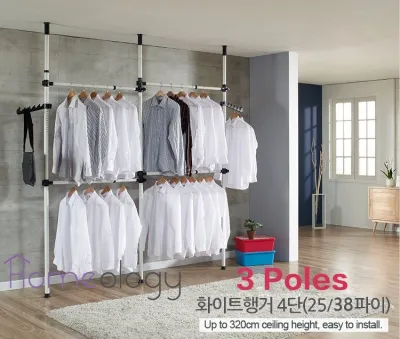
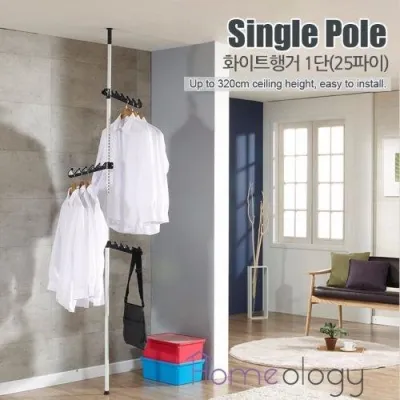
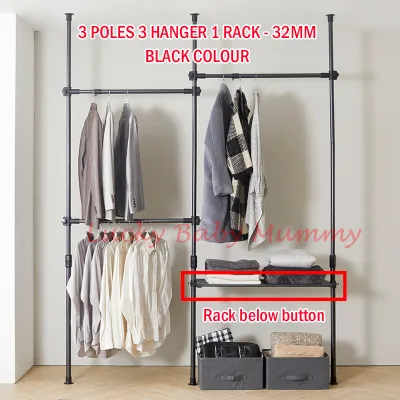
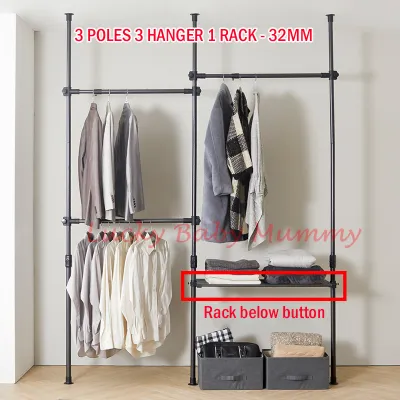
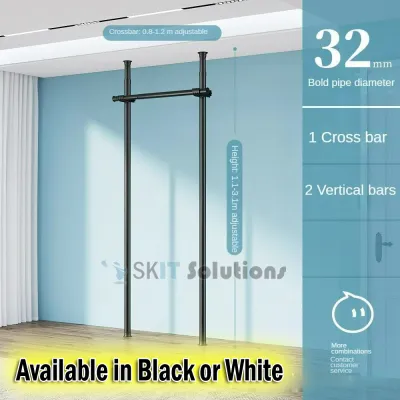
Prices are valid at publication and may change. Please refer to the product page for the latest price.
While valet stands are generally under 1.5 meters tall, you must look upward to identify potential hazards. Avoid placing the stand directly beneath a wall-mounted air conditioning unit where condensation might drip, or too close to the sweep path of a ceiling fan.
A practical rule of thumb is to maintain a clearance buffer of at least 15 to 20 centimeters around the stand. This extra breathing room allows you to drape trousers, hang jackets, and retrieve items easily without scraping your hands against the wall or bumping into adjacent furniture.
Matching Valet Stand Dimensions and Design Features to Small Spaces
The design of the base plays a critical role in how much floor space the valet stand actually consumes. Tripod legs or wide, splayed wooden bases tend to spread outward, creating a larger physical footprint and presenting a tripping hazard in narrow walkways. In contrast, a flat, heavy rectangular or circular metal base sits flush against the floor, allowing you to tuck the stand tightly into a corner or right up against a wall.

Visual clutter can make a small HDB bedroom feel even smaller than its physical dimensions suggest. Opt for valet stands with slim, open-frame structures made of powder-coated steel or light-toned woods like rubberwood, beech, or light oak. These materials allow light to pass through the frame, maintaining an airy, spacious feel in the room.
Choosing the right finish can help the valet stand blend seamlessly into your existing bedroom decor. Light-colored finishes, such as matte white, light gray, or natural wood tones, reflect light and minimize the visual impact of the furniture piece. Dark, heavy finishes like espresso wood or thick black wrought iron can draw too much attention and make a tight corner feel visually heavy.
Before finalizing your purchase on any online marketplace or at a local furniture showroom, carefully review the manufacturer’s detailed dimension diagram. Do not rely solely on product photos, which can be shot at angles that distort scale. Check the exact height, width, and depth specifications, and compare them directly against the measurements you recorded in your bedroom.
Consider how the built-in features of the stand affect its overall dimensions. Some stands include wide, contoured coat hangers or protruding trouser bars that extend beyond the main frame. Ensure these extended elements do not protrude into your primary walking path or interfere with nearby curtains and window tracks.
Space-Saving Options: Foldable, Wall-Mounted, and Multi-Functional Designs
For bedrooms with highly restricted layouts, a foldable or collapsible valet stand offers excellent flexibility. These stands can be set up in the evening to hold your outfit for the next day and then folded flat to be stored inside a wardrobe or behind a door during the daytime. This temporary setup keeps your floor space completely clear when the stand is not actively needed.
If floor space is entirely unavailable, a wall-mounted valet rack is a highly efficient alternative. These units mount directly to the wall, leaving the floor underneath completely clear for cleaning or small storage boxes. Before installing a wall-mounted rack, inspect your wall material to ensure it can support the weight of the rack and your clothing.
Mounting a rack securely in an HDB flat typically requires drilling into concrete or drywall partitions. Always check the manufacturer’s installation instructions and use the appropriate wall plugs and screws for your specific wall type. Avoid mounting these racks on thin partition walls unless you can locate and secure them directly into the internal studs.
Some valet stands combine multiple functions, featuring integrated shoe shelves, small storage drawers, or accessory trays at the base. While these multi-functional designs can eliminate the need for separate storage organizers, you must evaluate whether the added bulk is worth the trade-off. Ensure the integrated storage compartments do not expand the stand’s footprint beyond what your bedroom can comfortably accommodate.
Common Space Planning Mistakes When Buying and Placing a Valet Stand
One of the most common errors is failing to account for the “in-use” footprint of the valet stand. While the metal frame itself might only measure 30 centimeters deep, a heavy winter coat or a wide suit hanger can easily extend the actual depth requirement to 50 centimeters or more. Always calculate your clearances based on the stand fully loaded with clothing, rather than its empty state.
Placing a valet stand in a primary walking path, such as the narrow walkway between the bed and the wall, can lead to constant frustration and accidental bumps. Avoid positioning the stand where it restricts access to frequently used areas like your study desk, bedside drawers, or the path to the en-suite bathroom. Keep the stand tucked into underutilized corners or dead spaces instead.
In a compact HDB bedroom, elaborate, traditional wooden valet stands with heavy turned legs and dark stains can quickly overwhelm the space. These designs block natural light and make the room feel dark and cluttered. Stick to minimalist, contemporary designs that prioritize clean lines and functional simplicity to maintain a modern, open aesthetic.
Frequently Asked Questions (FAQ)
Can a valet stand replace a full wardrobe in a small HDB bedroom?
No, a valet stand is not designed to replace a full wardrobe. Its primary function is to serve as a temporary holding station for your immediate outfit, such as preparing your clothes for the next work day or airing out a jacket between wears.
Attempting to use a valet stand for primary garment storage will quickly lead to overloading. This not only creates a messy, cluttered look that disrupts the visual peace of your bedroom, but it also increases the risk of the stand tipping over due to uneven weight distribution.
How do I prevent a freestanding valet stand from tipping over on a smooth floor?
To prevent tipping, always check the manufacturer’s guidelines regarding maximum load capacity and weight distribution. Ensure the stand is assembled correctly and that all joints are tight, as any loose connections can compromise the unit’s structural stability.
Inspect your bedroom floor to ensure the stand sits on a completely flat, level surface. If you place the stand on smooth vinyl, laminate, or polished tiles, consider adding small, non-slip rubber pads to the bottom of the base to prevent it from sliding or wobbling when you hang heavy garments.
Finally, practice balanced loading. Avoid hanging multiple heavy items, such as thick winter coats, heavy bags, or multiple belts, on one side of the stand. Distribute your clothing evenly across the hanger and trouser bars to keep the center of gravity low and centered over the base.
Community discussion
Share your experience or ask a question. Comments are reviewed before publication.