
Furnishing a compact HDB bedroom in Singapore often presents a significant layout challenge, as standard furniture can quickly overwhelm the limited floor area. A low-profile tatami bed frame offers an elegant, space-saving solution by lowering the room’s visual center of gravity, making tight spaces feel more open while providing integrated storage options. These platform-style beds, inspired by traditional Japanese design, adapt well to modern apartments where every square centimeter counts. By eliminating bulky headboards and legs, they streamline the bedroom layout and allow homeowners to maximize both sleeping comfort and storage capacity.
How Does a Low-Profile Tatami Bed Maximize Space in Compact Rooms?
Low-profile tatami beds maximize space by reducing visual clutter and utilizing a lower profile to make tight rooms feel more open and airy. In standard Singapore HDB flats, where ceiling heights typically hover around 2.6 meters, high bed frames with tall headboards can make a room feel cramped and dark. By lowering the sleeping surface closer to the floor, you increase the vertical clearance between the bed and the ceiling. This visual expansion tricks the eye into perceiving a larger, more breathable volume of space, which is particularly beneficial in common bedrooms that often measure less than 10 square meters.
Beyond visual aesthetics, the floor-level integration of a tatami bed frame changes how you interact with the room. The extended platform edges of many tatami designs can double as low benches, steps, or casual seating areas. This multi-functional design reduces the need for additional furniture pieces, such as accent chairs or stools, thereby keeping the floor plan clear. It creates a seamless transition between the sleeping zone and the rest of the room, fostering a minimalist environment that promotes relaxation.
Products mentioned in this guide
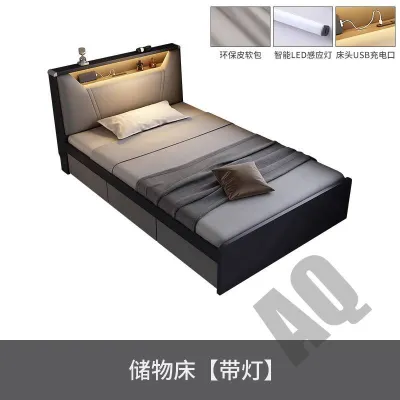
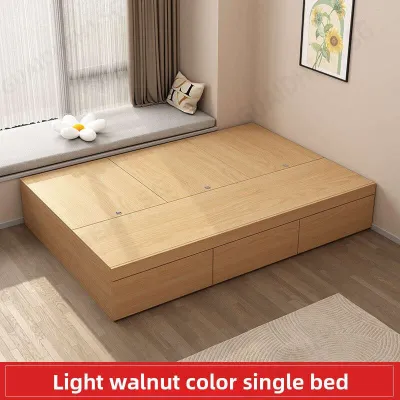
18 Lazada user ratings
Smell level: Very little odor. Appearance/Material: Upgraded to solid wood, the material is pretty good, not bad. The size of the bed, in pa…Read full reviewShow less
Smell level: Very little odor. Appearance/Material: Upgraded to solid wood, the material is pretty good, not bad. The size of the bed, in particular, fits perfectly. The service was also good and very patient.
It's very good, very suitable for having children at home, and the storage is very convenient
The headboard-free design is simple and space-saving, matching any bedroom style perfectly.
Tatami is very stable and can be used as a sofa, which is economical and affordable
The bed surface is very flat and stable for a secure and comfortable sleep.
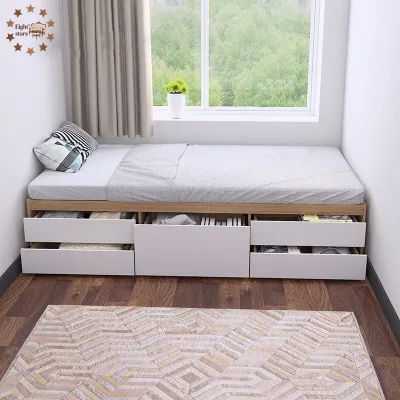
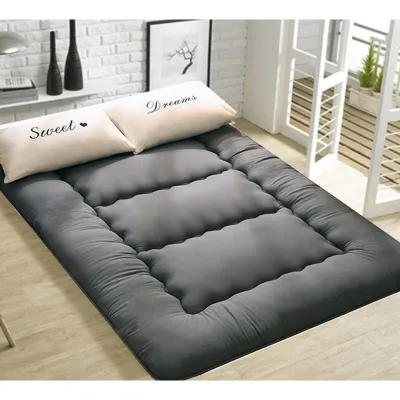
699 Lazada user ratings
Super Excellent Excellent Delivery of Item. The quality is there and we will definitely be able to use it for our home and baby. Even for re…Read full reviewShow less
Super Excellent Excellent Delivery of Item. The quality is there and we will definitely be able to use it for our home and baby. Even for relatives to come over and stay and use this queen size topper for resting, this is excellent. Delivery was extremely fast. Krafter is great company and I fully recommend them!! 6/5 stars.
My wife has bought two super single sized mattress of this brand. She was satisfied with the quality and comfort level of the product. I now…Read full reviewShow less
My wife has bought two super single sized mattress of this brand. She was satisfied with the quality and comfort level of the product. I now purchased a single sized mattress for myself. The size is more like 90cm x 190cm instead of 200cm. Thickness is 3cm.
the mattress is not 17cm as on the product page...maybe because it hasn't fully expanded yet from it's vacuum packaging... hopefully it will…Read full reviewShow less
the mattress is not 17cm as on the product page...maybe because it hasn't fully expanded yet from it's vacuum packaging... hopefully it will after a few days *video shows the mattress inside the Krafters bedsheet i purxhased together with the mattress
Great design and functionality, Suitable for both adults and kids, shd have gotten a super single. Overall good material. value for money
delivered in a big plastic bag nice soft and comfy got a super single to fit a single sized bunkbed
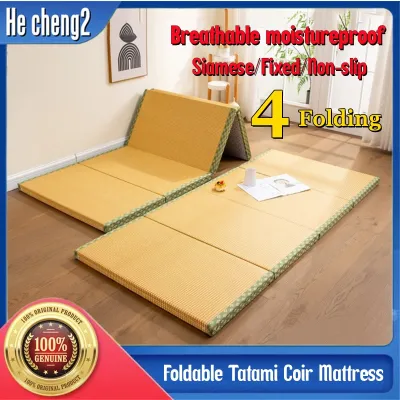
28 Lazada user ratings
One-year international warranty, Lightweight yet sturdy,
🛏️Comfort: ok 🛠️Durability: ok 💰Price: ok
a lot harder than. I thought.
💰Price:good 🛏️Comfort:good
good quality

3 Lazada user ratings
🛠️Durability: Good 🔧Durability: good 🧼Ease of Cleaning: good 🛏️Comfort: good
soft comfortable mattress, cheap
Prices are valid at publication and may change. Please refer to the product page for the latest price.
However, the low-profile nature of these beds introduces specific ergonomic trade-offs that you must consider before purchasing. Getting in and out of a bed that sits close to the floor requires more physical effort, demanding deeper knee bends and core engagement. For individuals with joint pain, mobility limitations, or older adults who require a standard chair-height transfer (typically 50 to 60 centimeters from the floor), a low-profile tatami bed may prove uncomfortable or impractical over time. It is essential to balance the aesthetic and spatial benefits against the daily physical comfort of the primary user.
What Dimensions and Clearances Must You Measure Before Purchasing?
Before purchasing a tatami bed, you must measure the total outer platform footprint, door swing arcs, wardrobe door clearances, and the height of wall fixtures like power outlets and window sills. Unlike conventional bed frames that closely match standard mattress dimensions, tatami platforms often feature wide, extended borders that project beyond the mattress edges. A standard Queen-size mattress in Singapore measures 152 centimeters wide by 190 centimeters long, but a tatami frame designed to accommodate it might have an outer footprint of 180 centimeters by 220 centimeters. Failing to account for this extra width and length can result in a frame that blocks essential pathways or prevents other furniture from fitting.

To ensure comfortable movement around the bedroom, you must map out the clearances for all doors and walking paths. Measure the swing arc of your bedroom entry door and any built-in wardrobe doors to ensure they can open fully without striking the bed frame. If you have swing-out wardrobe doors, you generally need at least 60 to 70 centimeters of clear space between the wardrobe and the edge of the bed platform. For tight layouts, sliding wardrobe doors are highly recommended as they eliminate swing clearance issues entirely. Additionally, maintain a minimum walking pathway of 60 centimeters around the accessible sides of the bed to avoid awkward side-stepping.
Wall fixtures and architectural details also dictate where a tatami bed can be placed flush against a wall. Check the height and location of your electrical outlets, light switches, and air-conditioning controllers; a low platform bed can easily block access to wall sockets if they are positioned low on the wall. Skirting boards along the base of your walls can also prevent a solid platform frame from sitting completely flush, leaving a small gap where dust and small items can fall. Look for frames with skirting cutouts or measure the thickness of your skirting boards to calculate the exact placement. Finally, measure the height of your window sills to ensure the bed platform or an integrated headboard does not obstruct natural light or ventilation.
Which Tatami Bed Designs Best Match Your Storage and Layout Constraints?
Choosing the right tatami bed design depends on your room’s layout, specifically whether you have side clearance for drawers, vertical clearance for hydraulic lifts, or prefer a minimalist base to maximize airflow. Because HDB bedrooms vary in shape and size, selecting a configuration that aligns with your specific spatial constraints is crucial for maintaining functionality.
- Drawer-Integrated Platforms: This design is highly suitable for bedrooms with a wider layout where there is at least 70 to 80 centimeters of open floor space on one or both sides of the bed. Integrated drawers provide convenient, slide-out storage that is perfect for daily-use items like clothing, bedsheets, and accessories. The primary limit of this style is its dependency on side clearance; if your bed must be pushed flush against a wall or sits close to a wardrobe, the drawers on that side will become completely inaccessible.
- Hydraulic Lift-Up Bases: For ultra-compact bedrooms where side clearance is non-existent, a hydraulic lift-up tatami bed is an excellent alternative. This design utilizes gas struts to lift the entire mattress platform, revealing a massive, undivided storage compartment underneath. It is ideal for storing bulky, seasonal, or infrequently used items such as winter wear, travel luggage, and spare pillows. The main trade-off is the physical effort required to lift the platform, even with hydraulic assistance, making it less practical for items you need to access multiple times a week. Additionally, you must ensure there are no low-hanging light fixtures or ceiling fans directly above the bed that could interfere with the platform when fully raised.
- Minimalist Low Bases (No Storage): If your primary goal is to maximize visual space and maintain a clean, airy aesthetic, a minimalist low-profile base without hidden storage is the most appropriate choice. These frames typically feature a simple, solid platform or low slats that sit close to the floor. They are generally more budget-friendly and lighter, making them easier to assemble and reposition. The obvious limitation is the complete lack of under-bed storage, which means you must rely entirely on wardrobes or wall shelves to keep your room organized.
- Headboard Shelving Units: In narrow bedrooms where separate bedside tables cannot fit, a tatami bed with an integrated headboard shelf is a highly functional option. These designs often feature slim, built-in ledges, charging ports, or small cubbies within the headboard itself. This eliminates the need for freestanding nightstands, saving valuable floor space on either side of the bed. However, keep in mind that integrated headboards add to the overall length of the bed frame, which could restrict the walking path at the foot of the bed.
How Do You Evaluate Materials and Finishes for Singapore's Humid Climate?
To ensure your tatami bed survives Singapore’s year-round high humidity, you must evaluate the moisture-resistance ratings of engineered woods, check for complete protective sealants, and inspect edge banding quality. The tropical climate in Singapore can cause poorly constructed furniture to absorb moisture from the air, leading to warping, structural weakening, and mold growth.
When reviewing product specifications, pay close attention to the type of wood used. If you are opting for engineered wood, look for High-Density Fibreboard (HDF) or moisture-resistant Medium-Density Fibreboard (MDF) that has been treated with water-resistant resins. For solid wood options, ensure the timber is properly kiln-dried and sealed with a protective polyurethane or lacquer finish. These coatings act as a barrier against atmospheric moisture, preventing the wood from expanding and contracting excessively. Additionally, check for low-formaldehyde emission ratings, such as E1 or E0 standards, to ensure the adhesives used do not compromise your indoor air quality.
The design of the platform base itself plays a critical role in moisture management. Solid, unventilated platform tops can trap heat and perspiration transpired through the mattress during the night, creating a damp environment ripe for mold. To mitigate this risk, look for tatami frames that incorporate ventilation holes in the platform board or feature a slatted support system beneath the decorative tatami mats. These gaps allow air to circulate freely under the mattress, keeping both the bed frame and your bedding dry.
Finally, inspect the quality of the edge banding on all exposed panels. Edge banding is the thin strip of material used to seal the raw edges of engineered wood panels. In humid conditions, poorly applied edge banding can lift or peel, allowing moisture to penetrate the core of the board and cause it to swell. Look for high-quality thermoplastic edge banding, such as ABS (Acrylonitrile Butadiene Styrene), which is applied using hot-melt adhesives. Ensure there are no visible gaps, glue lines, or sharp edges along the borders of the frame, as these are common failure points where moisture ingress begins.
What Mattress Types and Ventilation Requirements Apply to Tatami Frames?
Tatami bed frames require mattresses that match the low-profile aesthetic without sacrificing support, alongside regular ventilation practices to prevent mold growth in Singapore’s humid climate. Because tatami frames sit much lower than traditional beds, pairing them with the wrong mattress can disrupt both the visual balance of the room and your physical comfort.
When selecting a mattress, thickness is a key consideration. A mattress that is too thick—such as those exceeding 30 centimeters—will overwhelm a low-profile frame, hiding the decorative platform edges and raising the sleeping height to a level that negates the minimalist aesthetic. Conversely, a mattress that is too thin may not provide adequate cushioning against the solid platform base. A mattress thickness between 15 and 25 centimeters generally strikes the perfect balance, maintaining the low-profile look while ensuring comfortable support and an easy step-down height.
You must also verify that your mattress is compatible with the platform base to protect its structural integrity and maintain its warranty. Many pocket spring and latex mattresses require specific support conditions to prevent sagging and ensure proper airflow. If your tatami bed features a solid platform base, check with the mattress manufacturer to confirm if a solid foundation is acceptable. Some brands require a slatted base with specific gap sizes—typically no wider than 7 to 8 centimeters—to allow the mattress to breathe and prevent the accumulation of moisture and heat.
Maintaining a clean and dry sleeping environment requires a simple but consistent routine. Because low-profile beds sit close to the floor, they are more susceptible to dust accumulation and restricted airflow. Every few months, make it a habit to lift the mattress off the platform and lean it against a wall for a few hours to let both the mattress underside and the frame base air out. Vacuum the platform surface and the surrounding floor thoroughly to remove dust mites and debris. When cleaning the frame, avoid using wet cloths; instead, use a dry or slightly damp microfiber cloth to wipe down the surfaces, ensuring no standing moisture is left behind to seep into the joints.

Community discussion
Share your experience or ask a question. Comments are reviewed before publication.