
To choose the perfect solid wood high stool, you must align the stool’s wood species, finish, and structural design with your home’s existing architectural details. Your kitchen island or bar counter is a high-traffic focal point where furniture must balance visual harmony with daily durability. Selecting the correct match ensures your seating feels like an intentional extension of your space rather than an afterthought.
The ideal style typically falls into one of three design languages: Scandinavian (characterized by light wood tones and minimalist silhouettes), industrial (defined by raw textures and dark metal accents), or rustic (celebrated for its warm, organic shapes and deep grain patterns). By identifying the dominant design cues in your home, you can select a stool that enhances your interior aesthetic while fulfilling your practical needs.
Decoding Your Home's Existing Aesthetic
Before browsing online marketplaces or visiting local showrooms, step back and analyze the permanent fixtures of your kitchen or dining area. The existing anchor elements—such as cabinetry finishes, countertop materials, splashback tiles, and pendant lights—establish a dominant design language that your seating must complement. Observing these details prevents you from choosing stools that clash with the room’s foundational elements.
Products mentioned in this guide
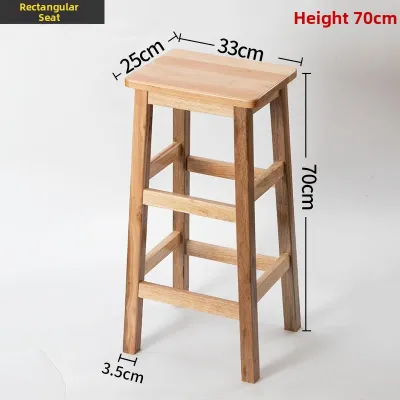
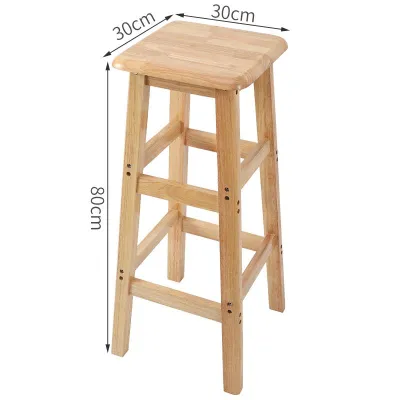
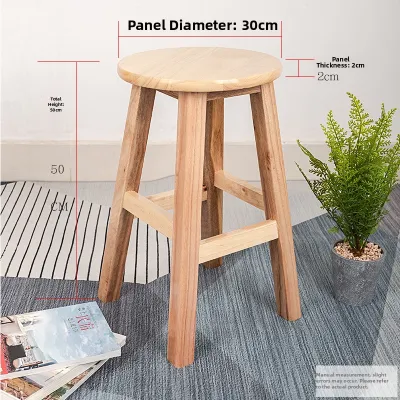
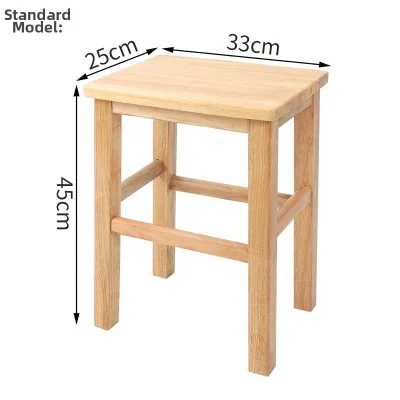
Prices are valid at publication and may change. Please refer to the product page for the latest price.
Observe the color temperature and texture of your fixed elements. For instance, a kitchen featuring flat-panel white cabinets, light quartz countertops, and brushed brass fixtures has a bright, modern foundation. Conversely, a space with matte black cabinetry, concrete-look quartz, and exposed track lighting leans heavily into an industrial, edgy atmosphere. Matching the wood tones of your stools to these existing features creates a cohesive visual flow.
Use this quick visual checklist to categorize your room’s underlying design language:
- Light and Minimalist: Dominance of white, cream, or light grey surfaces; handleless flat-panel cabinetry; natural light optimization; slim, unobtrusive fixtures.
- Raw and Dark: Presence of exposed brick, concrete, steel, or distressed wood; matte black or charcoal cabinetry; metallic or wire-mesh pendant lights; visible pipework or structural beams.
- Warm and Heavily Textured: Shaker-style cabinets with visible wood grains; natural stone or warm timber countertops; warm-toned ambient lighting; ornate or classic hardware; earthy color palettes.
Scandinavian Solid Wood High Stools: Clean Lines and Light Tones
Scandinavian design prioritizes simplicity, functional utility, and a deep connection to natural elements. A Scandinavian solid wood high stool is easily recognized by its clean, unadorned silhouette, tapered legs, and light-colored timber species. This style avoids heavy ornamentation, focusing instead on organic curves and structural honesty.

Common wood choices for this style include oak, ash, beech, and light maple. These species offer pale, neutral undertones ranging from soft cream to sandy beige, which help keep smaller dining spaces or open-plan apartments feeling bright and spacious. The finishes are typically matte, clear-lacquered, or soap-treated to preserve the raw, organic feel of the wood grain without adding artificial shine or yellowing over time.
These stools thrive in open-concept kitchens that feature pale cabinetry, white marble or light quartz countertops, and soft, natural textiles. Because Scandinavian interiors focus on maximizing light and maintaining an airy atmosphere, the slim, tapered legs of these stools allow light to pass through, preventing the kitchen island area from looking crowded or visually heavy.
When sourcing a Scandinavian stool, perform these practical buying checks:
- Examine the Silhouette: Look for gently curved, ergonomic seats and clean, tapered legs that lack decorative carvings or heavy ornamentation.
- Check the Footrest Integration: Ensure the footrest is subtly integrated into the frame, maintaining the minimalist profile without adding unnecessary bulk.
- Verify the Wood Finish: Read the manufacturer's product label to verify that the light wood has been treated with a water-resistant, matte protective sealant. Raw, untreated ash or oak will absorb oils and liquids rapidly, leading to permanent staining during daily kitchen use.
Industrial Solid Wood High Stools: Raw Textures and Metal Accents
Industrial design draws inspiration from converted factories, warehouses, and urban lofts, celebrating raw, unfinished materials and robust structural components. An industrial solid wood high stool typically combines dark, distressed, or reclaimed timber with heavy-duty metal frames. This juxtaposition of warm wood and cold metal creates a striking, utilitarian aesthetic.
The wood components often feature pronounced grain patterns, saw marks, or a slightly weathered patina, utilizing species like dark-stained pine, acacia, or reclaimed oak. These rich, textured wooden seats are paired with black powder-coated steel, wrought iron, or cast-iron bases, often featuring exposed bolts, rivets, or mechanical adjustment wheels that emphasize their functional heritage.
These stools are the perfect match for spaces with concrete screed flooring, exposed brick feature walls, dark matte cabinetry, or black track lighting. The contrast between the warm, textured wood seat and the cold, structural metal frame echoes the utilitarian aesthetic of industrial spaces, adding depth and character to the room.
Given the highly humid tropical climate in Singapore, purchasing industrial-style furniture requires specific considerations:
- Inspect Metal Joints and Frames: Verify that all iron or steel components are powder-coated or treated with a rust-resistant finish to prevent moisture-induced corrosion over time.
- Assess the Wood Sealant: Distressed or reclaimed wood surfaces can have deep crevices that trap food crumbs and liquids. Check the product specifications to ensure the seat has a smooth, protective polyurethane sealant that fills deep gaps while preserving the rustic visual texture.
- Verify Joint Stability: Industrial stools often feature welded joints. Inspect the weld points on the metal frame to ensure they are smooth, continuous, and free of hairline cracks that could compromise structural integrity under load.
Rustic Solid Wood High Stools: Warmth, Grain, and Organic Shapes
Rustic design focuses on comfort, warmth, and the organic beauty of nature, making it ideal for creating a cozy, lived-in sanctuary. A rustic solid wood high stool is characterized by its heavy profile, prominent natural wood grains, visible knots, and warm mid-to-dark color tones. This style celebrates the unique imperfections of natural timber rather than hiding them.
Unlike the slim profiles of Scandinavian furniture, rustic stools feature thicker, sturdier frames, sometimes showcasing hand-carved details, turned wooden legs, or live-edge seats that follow the natural curve of the tree trunk. Wood species like teak, walnut, acacia, and cherry are common, offering rich golden, reddish, or deep brown hues that radiate natural warmth.
These stools integrate beautifully into kitchens that feature warm ambient lighting, natural stone countertops (such as granite or slate), shaker-style cabinetry, and traditional architectural details. They help soften modern spaces, bringing a sense of history, craftsmanship, and organic texture to the heart of the home.
To ensure your rustic stool remains durable and safe, prioritize these quality checks:
- Verify Kiln-Drying: Always check that the solid wood has been properly kiln-dried by the manufacturer. Solid wood with high moisture content is highly susceptible to warping, bowing, or cracking when exposed to the temperature and humidity fluctuations of a kitchen.
- Check for Splinters: While a rustic look celebrates natural imperfections, the seat and backrest surfaces must be sanded smooth. Run your hand over the wood to ensure there are no loose fibers, sharp edges, or splinters that could snag clothing or cause injury.
- Confirm Joint Construction: Heavy rustic stools rely on sturdy joinery. Look for traditional mortise-and-tenon joints or reinforced corner blocks rather than simple glue-and-screw assemblies to ensure the stool remains stable over years of use.
Cross-Style Compatibility and Transitional Spaces
Many modern homes do not adhere strictly to a single interior design style. If your kitchen blends elements of different aesthetics—or if you want the flexibility to update your decor in the future without replacing your furniture—a transitional solid wood high stool is an excellent investment. These versatile options prevent your space from feeling locked into a single design era.
Transitional stools bridge the gap between different styles by combining clean, modern lines with warm, traditional materials. Look for stools crafted from mid-tone woods, such as natural walnut or medium-oak, featuring simple, unornamented square or round legs. These neutral designs do not lean too heavily toward minimalism or industrial ruggedness, allowing them to adapt to changing environments.
You can also use styling accessories to balance mixed aesthetics and tie your stools into the broader room. Adding textured seat cushions in neutral linen can soften an industrial metal-and-wood stool, making it compatible with a softer, Scandinavian-inspired space. Similarly, placing a cohesive runner rug nearby can visually connect the wood tones of your stools with your cabinetry.
When mixing styles, the key to avoiding visual clutter is maintaining a simple silhouette. If your kitchen already features highly detailed elements, such as patterned splashback tiles or ornate pendant lights, select solid wood stools with clean, uncomplicated frames to keep the space feeling balanced and organized.
Practical Fit and Space Planning for Your Kitchen Island
While aesthetic alignment is crucial, a solid wood high stool must fit your physical space and meet daily functional requirements to be a successful addition to your home. Before finalizing your purchase, careful measurement and spatial planning are essential to ensure the safety and comfort of your household.
Start by measuring the exact height of your kitchen counter or island from the floor to the underside of the countertop. To ensure comfortable legroom and ergonomic posture, calculate the ideal seat-to-counter clearance, which should typically be between 25 and 30 cm. For a standard kitchen counter height of 90 cm, a counter-height stool with a seat height of 60 to 65 cm is recommended. For taller bar counters measuring 105 cm, a bar-height stool of 75 to 80 cm is required.
Next, consider the physical footprint of the stool and the available space behind your counter. Ensure there is at least 60 to 75 cm of width allocated for each stool to allow users to sit comfortably without bumping elbows. Additionally, maintain a clearance of at least 90 cm behind the stools to allow family members to walk past safely without creating a tripping hazard, particularly in compact kitchen layouts.
Before purchasing, verify these critical functional specifications on the product label or manufacturer’s guide:
- Weight Capacity and Stability: Check the stated maximum weight capacity of the stool to ensure it meets your household's needs. Look for designs with wide-set legs and integrated anti-tip glides on the feet to maximize stability and protect your flooring from scratches.
- Access and Delivery: Confirm the finished dimensions of the stools to ensure they can easily pass through your home's doorways and lift access during delivery.
- Assembly Requirements: Review whether the stools are delivered fully assembled or require manual assembly. For self-assembly models, ensure all structural joints are tightened securely and checked periodically to maintain stability.
Frequently Asked Questions (FAQ)
Can I mix different wood tones in my kitchen?
Yes, mixing wood tones can add depth and character to your kitchen, provided it is done intentionally. The key is to identify the underlying undertone of your primary wood elements—whether they are warm (red, orange, or yellow undertones) or cool (grey or ash undertones). Keep the undertones consistent across different pieces, even if the darkness varies. For example, you can pair light ash Scandinavian stools with dark charcoal oak cabinets, as both share cool undertones. To make the combination look cohesive, use a third neutral element, such as a textured rug, metallic hardware, or a marble countertop, to visually bridge the gap between the contrasting tones.
How do I protect solid wood stools from kitchen spills and humidity?
Protecting solid wood high stools in a high-traffic kitchen environment requires prompt care and preventive maintenance. Always wipe away liquid spills immediately using a soft, dry microfiber cloth to prevent moisture from penetrating the wood grain, which can cause water rings, swelling, or warping. Avoid using harsh chemical cleaners, bleach, or abrasive scrubbing sponges, as these can strip away the wood’s protective sealant. Instead, use a slightly damp cloth with a mild, pH-neutral soap for daily cleaning. Always refer to the manufacturer’s care label for specific maintenance instructions, as some finishes may require periodic re-oiling, waxing, or resealing to maintain their protective barrier against Singapore’s humid climate.
Community discussion
Share your experience or ask a question. Comments are reviewed before publication.