
A gap in your sofa is more than just a minor inconvenience; it is a magnet for lost remote controls, stray coins, and accumulated dust. Over time, these gaps can also cause cushions to shift, leading to uneven support and premature wear on your furniture. Finding the right sofa gap filler depends entirely on your couch’s configuration: standard couches benefit from stable foam wedges or fabric bridges, sectionals require interlocking or custom-cut foam to handle corner joints, and recliners demand highly flexible or inflatable fillers that accommodate mechanical movement.
Selecting the wrong type of filler can do more than fail to solve the problem; it can push your cushions out of alignment, strain your sofa’s seams, or even damage delicate reclining mechanisms. By understanding the physical dimensions of your sofa gaps and matching them to the appropriate materials and designs, you can protect your furniture investment and improve your overall seating comfort.
Quick Guide: Matching Gap Fillers to Sofa Types
Different sofa designs present unique structural challenges, meaning a one-size-fits-all approach rarely works for gap fillers. Standard, fixed-frame couches are highly compatible with rigid foam wedges or fabric bridges, which sit securely between the cushions and the frame without shifting. These fillers provide a continuous, flat surface that prevents items from slipping through while maintaining the clean lines of a traditional sofa.
Products mentioned in this guide
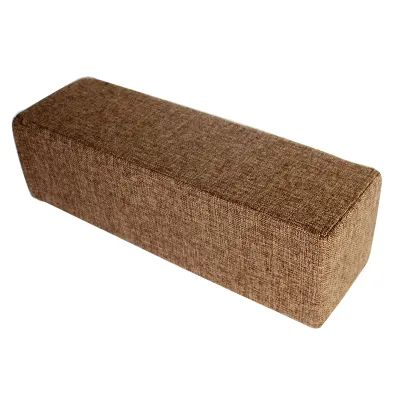
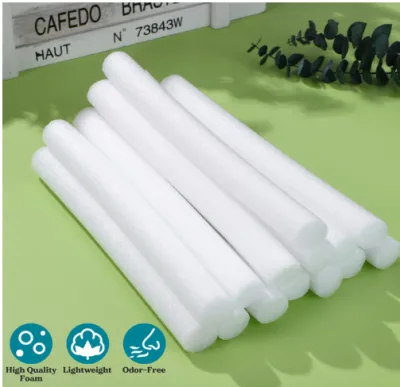
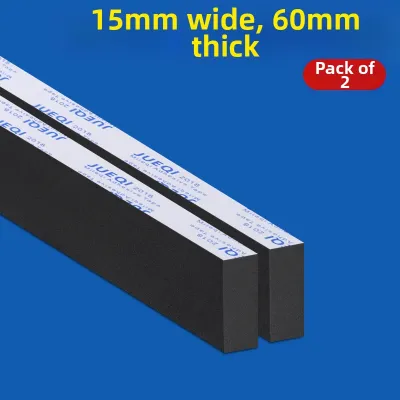
Prices are valid at publication and may change. Please refer to the product page for the latest price.
Sectional and L-shaped sofas, which feature complex joints and corner intersections, require more adaptable solutions. Custom-cut foam blocks or interlocking wedges are ideal for these configurations, as they can be tailored to fit the irregular angles where a chaise lounge meets a standard seat. These fillers help bridge the structural transition zones without interfering with the sectional’s connection hardware.
Recliners and motion sofas present the most complex challenge due to their moving parts. For these dynamic setups, rigid fillers must be avoided entirely to prevent mechanical jams. Instead, highly flexible, compressible, or inflatable fillers are recommended, as they can expand and contract to accommodate the movement of the footrest and backrest. Ultimately, verifying the exact width, depth, and length of your sofa’s gaps is the most critical step before choosing any filler product.
How to Measure and Assess Your Sofa Gaps
Before purchasing any gap filler, you must take precise physical measurements of the space you intend to fill. Using a standard metal tape measure, measure the length of the gap from one end of the sofa frame to the other. Next, measure the width of the gap at its widest and narrowest points, as sofa cushions often compress unevenly over time, creating a tapered space.

To determine the required depth, insert a ruler or tape measure straight down into the gap until it contacts the underlying support deck or spring system. Note this measurement carefully, as a filler that is too deep will protrude above the cushion line, while one that is too shallow will simply fall through. It is also helpful to measure the gap both when the sofa is empty and when someone is seated, as body weight will compress the cushions and temporarily alter the gap’s dimensions.
During your assessment, identify whether the gap is static or dynamic. Static gaps remain constant in size and shape because they are bordered by fixed frame components. Dynamic gaps, common in recliners or sofas with loose, plush cushions, change shape as people sit down, stand up, or adjust the reclining angle. Recognizing this distinction will prevent you from buying a rigid filler for a space that requires constant flexibility.
Additionally, check the interior of the gap for any underlying obstructions. In electric recliners, look for power cords, drive shafts, and metal scissor mechanisms that could snag or tear a filler. For standard sofas, inspect the area for exposed springs, sharp wooden corners, or uneven flooring underneath. Finally, evaluate the firmness of your existing cushions; very soft cushions will compress easily and may require a softer, more pliable filler to avoid causing cushion displacement.
Comparing Sofa Gap Filler Designs and Materials
Sofa gap fillers are available in several distinct designs, each utilizing different materials to address specific structural needs. Understanding the strengths and limitations of each material will help you select an option that offers long-term durability and practical maintenance.
Foam Wedges and Inserts
Foam wedges are typically constructed from high-density polyurethane foam or medium-density memory foam. These inserts excel at filling deep, static gaps because they offer excellent shape retention and structural support. High-density polyurethane foam is firm enough to support the weight of stray items and prevent cushions from sagging inward, making it a highly durable choice for high-traffic family sofas. However, foam wedges can be bulky to store and may require a removable, washable cover to keep them clean.
Fabric Bridges and Covers
Fabric bridges consist of a flat strip of durable material, such as canvas, polyester, or quilted cotton, equipped with weighted side flaps or tuck-in tabs. These bridges are designed to lay flat across the top of a shallow gap, creating a seamless visual transition between cushions. While they are highly aesthetic and exceptionally easy to clean in a standard washing machine, fabric bridges offer virtually no structural support. They are best suited for shallow gaps where cushion sagging is not an issue.
Inflatable and Flexible Tubes
Inflatable or flexible tube fillers are often made from vinyl, PVC, or soft silicone. These fillers can be inflated to a custom pressure, allowing you to adjust their thickness to match varying gap widths. Their inherent flexibility makes them highly adaptable to irregular shapes and dynamic movement, making them the preferred choice for recliners. The primary trade-off is durability, as inflatable fillers are susceptible to punctures from sharp objects like keys, pens, or pet claws.
Custom-Cut Upholstery Foam
For non-standard sofa configurations or antique furniture, custom-cut upholstery foam offers the most precise fit. You can purchase raw foam blocks from local upholstery suppliers and cut them to your exact specifications using a electric carving knife or a fine-toothed hand saw. This method allows you to accommodate complex corner angles and varying depths, though it requires more effort and the additional step of sewing or purchasing a protective fabric cover.
| Filler Type | Best Use Case | Flexibility | Maintenance Requirements |
|---|---|---|---|
| Foam Wedge | Deep, static gaps on standard sofas | Low to Medium | Spot clean or machine-washable cover |
| Fabric Bridge | Shallow gaps, aesthetic blending | High | Machine washable |
| Flexible Tube | Recliners and dynamic joints | Very High | Wipe down with a damp cloth |
| Custom-Cut Foam | Complex sectional corners and L-shapes | Medium | Requires custom cover or spot cleaning |
Selecting the Right Filler for Your Specific Configuration
Once you have measured your sofa and compared the available materials, you can apply specific decision criteria to match the filler to your exact sofa layout.
Standard Couches and Loveseats
Standard, fixed-frame sofas typically feature uniform, straight gaps between the seat cushions and the backrest or armrests. Because these frames do not move, your primary goal is to select a filler that remains securely in place during standard seating. A rigid or semi-rigid foam wedge is highly effective here, as the friction between the foam and the couch cushions naturally holds the insert in position.
When selecting a foam wedge for a standard couch, pay close attention to the thickness of the filler. If the wedge is too thick, it will exert outward pressure on the seat cushions, pushing them forward until they overhang the front edge of the sofa frame. This not only ruins the aesthetic of your sofa but also creates a tipping hazard when sitting on the edge of the cushion. Choose a wedge that matches the resting width of the gap precisely, or opt for a slightly compressible foam that can adapt without displacing the cushions.
L-Shaped and Sectional Sofas
Sectional sofas present a unique challenge because they consist of multiple independent frames joined together. Gaps frequently form at the intersection joints, particularly where a chaise lounge meets a standard seat cushion. These areas experience multi-directional forces as users shift their weight, which can cause standard, straight gap fillers to slide out of alignment or fall through the frame.
To address this, look for interlocking gap fillers or custom-cut foam blocks that can be shaped to wrap around the corner joints. If your sectional pieces tend to drift apart, ensure the filler material does not interfere with the metal connection brackets or clips located underneath the cushions. The filler should sit entirely above these brackets, bridging the cushion gap without putting any downward pressure on the structural connectors.
Recliners and Moving Parts
Safety and mechanical clearance are the most critical considerations when dealing with recliners and motion sofas. Rigid foam wedges or solid wood inserts must never be used near reclining mechanisms. If a rigid object falls into the moving metal frame, it can easily jam the scissor-like linkages, bend the steel support rails, or burn out the electric motor on power-reclining models.
Instead, select highly compressible, flexible, or inflatable fillers that can easily deform and spring back as the recliner moves. These fillers should be placed only in areas where they will not contact the moving metal parts. Before installing any filler, consult your sofa manufacturer’s manual to verify the clearance requirements around the reclining mechanism. If the manual warns against placing any objects near the moving frame, do not install a filler in that specific area.
Installation, Care, and Safety Checks
Proper installation and regular maintenance are essential to ensure your sofa gap filler performs effectively without causing damage to your furniture.
Step-by-Step Installation
- Clear the area: Remove all cushions and thoroughly vacuum the sofa deck to remove any existing debris, dust, or lost items.
- Align the filler: Place the gap filler into the space, starting from one end and working your way to the other. Avoid forcing or cramming a filler that is too large into a tight space, as this can tear the fabric backing or put excessive stress on the sofa's seams.
- Test the fit: Replace the cushions and sit on various parts of the sofa to ensure the filler does not shift, protrude, or cause the cushions to feel uneven.
Routine Maintenance
- Weekly vacuuming: Remove the gap filler at least once a week to vacuum the area underneath. In humid climates, dust, pet hair, and organic debris trapped in a dark, unventilated gap can quickly become a breeding ground for mold, mildew, or dust mites.
- Inspect for wear: Regularly check the filler for signs of degradation, such as crumbling foam, torn seams, or deflating tubes. Replace worn fillers promptly to maintain proper support.
Monitoring Sofa Health
- Check for cushion bowing: If you notice your seat cushions are bowing upward or sliding forward, the gap filler may be too wide or too rigid. Remove the filler and re-evaluate your measurements.
- Listen for structural noise: Pay attention to any new creaking, popping, or groaning sounds when you sit down. These noises can indicate that the filler is putting undue stress on the wooden frame or spring system.
If you observe significant structural changes in your sofa, such as sagging springs, broken webbing, or a cracked wooden frame, a gap filler is not the correct solution. These issues indicate a structural failure rather than a normal design gap. In such cases, stop using the filler and consult a professional furniture repair specialist or the manufacturer to address the underlying structural damage.
Frequently Asked Questions (FAQ)
Can I use a sofa gap filler on a leather couch without damaging the material?
Yes, you can use a gap filler on a leather couch, but you must take specific precautions to protect the leather surface. Leather is highly susceptible to scuffing from friction, color transfer from dyed fabrics, and moisture trapping. Avoid fillers with rough canvas covers or rubberized, high-friction non-slip backings, as these can wear away the protective finish on the leather. Instead, select a filler with a smooth, non-abrasive cover, such as microfiber or soft cotton. Additionally, remove the filler regularly to allow the leather to breathe, and apply a high-quality leather conditioner to the gap area to prevent the material from drying out or cracking.
Why does my sofa gap filler keep sliding out of place?
If your sofa gap filler repeatedly slides out of place, it is usually due to incorrect sizing, low material density, or a lack of surface friction. An undersized filler will naturally slip down into the gap under the weight of seated users, while a lightweight, low-density foam insert will easily shift as cushions move. To resolve this, ensure your filler matches the measured width of the gap precisely. You can also upgrade to a higher-density foam insert that offers more resistance, or choose a filler cover with a textured, non-slip fabric backing that grips the surrounding cushions without causing damage.
Community discussion
Share your experience or ask a question. Comments are reviewed before publication.