
A suitable toddler table set for a typical Singapore HDB or condo living room generally requires a dedicated floor footprint of about 1.2 to 1.5 meters by 1.2 to 1.5 meters of clear space. This area accounts not just for the physical table dimensions—typically around 60 centimeters by 60 centimeters for a square table—but also the “in-use” clearance needed for a toddler to safely pull out chairs, sit comfortably, and move around without obstructing main walkways.
Measuring Your Living Room Layout and Available Footprint
Living in a Singapore HDB flat or condominium requires a strategic approach to space planning. Before browsing online marketplaces or visiting local furniture showrooms, you must establish the exact boundaries of your available floor area. The living room serves as a shared hub for relaxation, entertainment, and family gatherings, meaning any new addition must integrate seamlessly without causing physical or visual clutter.
To begin, map out the primary high-traffic walkways in your living room. Ensure there is a clear, unobstructed path of at least 90 centimeters between major furniture pieces, such as the sofa, coffee table, and TV console. This clearance allows family members to walk comfortably without having to squeeze past or step over children’s furniture.
Products mentioned in this guide
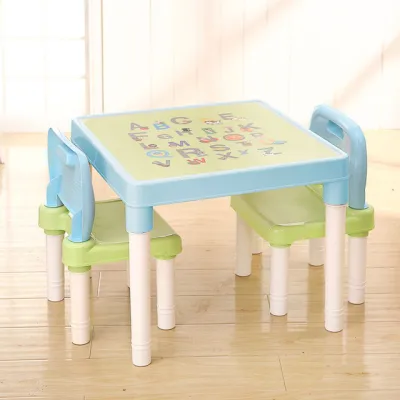
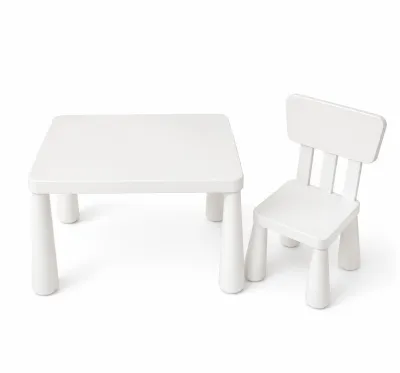
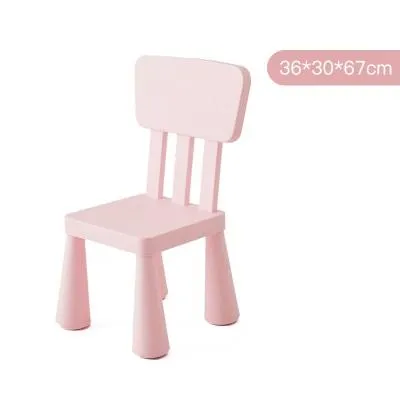
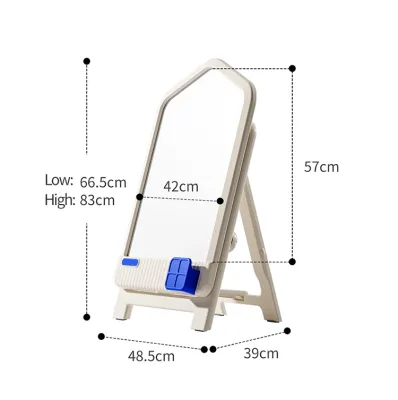
Prices are valid at publication and may change. Please refer to the product page for the latest price.
Next, look for underutilized zones that can be transformed into a dedicated play and learning area. Low-traffic corners, alcoves, or the space directly adjacent to a window with soft, natural light are excellent candidates. Placing the toddler table set in these zones keeps the center of the living room open and helps define a clear boundary for your child’s activities.
Do not forget to account for the swing paths of nearby doors, balcony sliders, and cabinet doors. A table placed too close to a balcony entrance or a storage unit can block access or lead to accidental collisions when doors are opened. Use masking tape on the floor to mock up the proposed layout, allowing you to physically walk around the space and test the flow before making a purchase.
Evaluating Table and Chair Dimensions for Ergonomics and Space
When shopping for a toddler table set, the dimensions listed on the product page only tell half the story. To avoid crowding your living room, you must calculate the total “in-use” footprint. This is the actual space the set occupies when your child is actively using it, which includes the table itself plus the depth of the chairs when pulled out.

A standard toddler table might measure 60 centimeters by 60 centimeters, but each chair requires an additional 30 to 40 centimeters of clearance when in use. Therefore, a table with two chairs placed opposite each other will actually require a functional footprint of at least 120 to 140 centimeters in depth. Failing to account for this extra space often results in chairs protruding into walkways or hitting nearby walls.
Ergonomics are equally critical for your child’s physical development and comfort. When your toddler sits on the chair, their feet should rest flat on the floor, and their knees should bend at a comfortable 90-degree angle. The tabletop height should allow their elbows to rest naturally on the surface at roughly a 90-degree angle without forcing them to slouch or raise their shoulders.
Always verify the manufacturer’s specifications regarding weight capacity, recommended age ranges, and overall dimensions. While some sets are designed for young toddlers, others are built for older children. Choosing a set that matches your child’s current developmental stage ensures they can use the furniture safely and comfortably, promoting better focus during drawing, reading, or sensory play.
Choosing Space-Saving Designs for Compact Living Areas
For smaller HDB flats and cozy apartments, space-saving furniture designs are essential to maintaining an organized home. If your living room needs to transition from a daytime playroom to an evening hosting space, consider foldable or collapsible table and chair options. These sets can be easily folded flat and tucked away in a utility closet, utility room, or behind a sofa when not in use.
Another highly effective option is a nesting design, where the chairs can be pushed completely flush under the tabletop. When the chairs slide entirely underneath, the set’s footprint is reduced to just the dimensions of the tabletop itself. This prevents stray chair legs from becoming tripping hazards in tight spaces and keeps the living room looking neat and tidy.
Multi-functional designs offer excellent space-saving value by combining furniture with storage. Look for toddler tables that feature built-in storage bins beneath the tabletop or integrated shelving on the sides. Some models also come with reversible tabletops, featuring a smooth surface on one side for writing and a building-block baseplate on the other. These features reduce the need for separate toy organizers, saving valuable floor space in your living area.
Verifying Safety and Stability in Shared Spaces
A toddler table set in a shared living room must be exceptionally stable to withstand daily play and active movement. Toddlers frequently lean against, stand on, or attempt to climb their furniture. To prevent tipping accidents, look for tables and chairs with a wide base, splayed legs, and a low center of gravity. Heavy-duty wooden or high-density plastic sets generally offer better stability than lightweight, top-heavy designs.
Inspect the physical design of the furniture for child-friendly safety features. All edges and corners should be rounded rather than sharp to minimize the risk of injury during active play. Additionally, verify that the surface finishes are non-toxic, smooth, and easy to wipe clean. A durable, water-resistant finish is crucial for handling spilled drinks, paint, crayons, and playdough.
Finally, consider the placement of the set in relation to household hazards. Ensure the table is not positioned directly beneath electrical outlets, near loose cords, or close to fragile home decor. It should also be placed in a spot that offers clear sightlines from the kitchen or sofa, allowing supervising adults to keep an eye on the child at all times without creating blind spots.
Avoiding Common Sizing and Placement Mistakes
One of the most common mistakes homeowners make is purchasing a toddler table set based solely on the static dimensions of the table. Neglecting to factor in the space required for the child to pull out the chair, sit down, and move around comfortably can lead to a cramped and frustrating setup. Always add at least 40 centimeters of clearance around all sides of the table when planning your layout.
Another critical oversight is ignoring the delivery and assembly path. Before ordering, measure your HDB lift lobby, corridor widths, and main door clearances. This is especially important if you are purchasing a fully assembled wooden set that cannot be flat-packed. Ensuring the delivery team can easily transport the furniture into your home prevents unexpected logistical headaches on delivery day.
Lastly, avoid the temptation to buy an oversized set with the expectation that your child will “grow into it.” While this might seem like a cost-effective strategy, an oversized table and chair set compromises proper ergonomics, making it uncomfortable for a young toddler to use. Furthermore, a bulky set will unnecessarily overwhelm a compact living room, defeating the purpose of creating a balanced, shared family space.
Frequently Asked Questions (FAQ)
Can I place a toddler table set on a thick living room rug?
Placing a toddler table set on a thick living room rug requires careful consideration of stability and safety. High-pile or plush rugs can create an uneven surface, causing the table or chairs to wobble when your child sits down or leans on them. Additionally, chair legs can easily catch on thick rug fibers, making it difficult for a toddler to push their chair back safely and increasing the risk of tipping. If you prefer using a rug, opt for a low-pile, flat-weave design that provides a stable foundation and allows the chair legs to glide smoothly.
How do I protect my flooring from scratches?
To protect your living room flooring from scratches caused by sliding chairs, apply high-quality non-slip felt pads or silicone leg caps to the bottom of all furniture legs. Check the manufacturer’s guidelines to ensure the protectors are compatible with your specific flooring material, whether it is vinyl, laminate, engineered wood, or polished tiles. It is also beneficial to establish a quick cleaning routine to wipe down the bottom of the chair legs regularly. This prevents dust, grit, and small debris from becoming trapped underneath, which can act like sandpaper and scratch your floors over time.
Community discussion
Share your experience or ask a question. Comments are reviewed before publication.