
Choosing the best magnetic board size for a small HDB room typically comes down to finding a balance between utility and visual clutter. For most compact Singaporean bedrooms and study areas, a medium-sized board ranging from 45 x 60 cm to 60 x 90 cm, or a modular arrangement of smaller 30 x 30 cm tiles, offers the ideal fit. The key is to select a size that occupies no more than one-third of your wall’s uninterrupted width, ensuring the board remains highly functional without making the tight physical boundaries of your room feel cramped.
In a compact home, every square centimeter of wall space affects the perception of roominess. A board that is too small becomes a cluttered pile of overlapping notes, while an oversized board dominates the room and mimics an industrial office environment. By matching the board’s dimensions to your specific wall layout and daily activities, you can create an organized, visually balanced space.
Quick Guide: Ideal Magnetic Board Proportions for Compact Rooms
When dealing with limited square footage, focusing on spatial proportions is far more effective than searching for a single universal dimension. The available uninterrupted wall space should always dictate the maximum size of your board.
Products mentioned in this guide
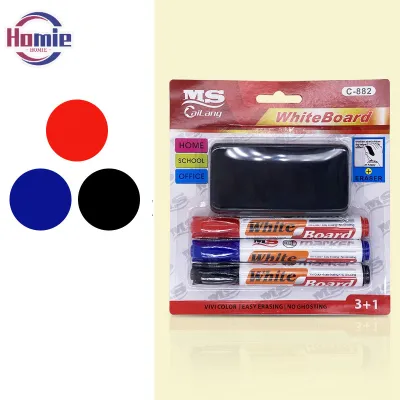
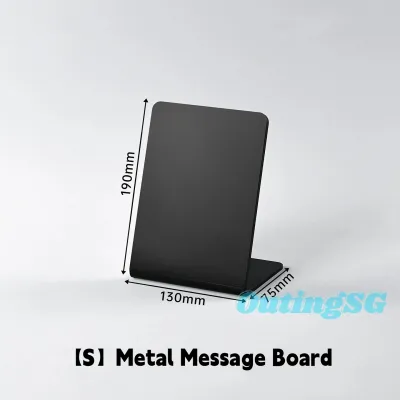
Prices are valid at publication and may change. Please refer to the product page for the latest price.
To help visualize how different sizes fit into a typical HDB layout, magnetic boards can be categorized into three general groups:
- Small (30 x 30 cm to 30 x 45 cm): These compact dimensions are best for tight nooks, entryways, or mounting on the inside of cabinet doors. They work well for holding keys, a few receipts, or a single weekly schedule.
- Medium (45 x 60 cm to 60 x 90 cm): This is the most versatile range for home offices and bedrooms. It provides ample space for calendars, active project notes, and documents without overwhelming the wall.
- Large (90 x 120 cm or larger): Generally too dominant for a standard 9-square-meter HDB common room. These are best reserved for dedicated teaching spaces or when used as a primary feature wall.
To maintain a clean and airy feel, apply the “One-Third Rule.” A wall-mounted board should cover no more than one-third of the horizontal span of the wall it sits on. Leaving plenty of empty wall space around the board prevents visual fatigue and keeps the room feeling open.
Additionally, consider the surface finish. Highly reflective, glossy white magnetic boards can help bounce light around a dimly lit room, making the space feel slightly larger. Conversely, dark matte or fabric-covered magnetic boards absorb light and should be sized more conservatively to avoid making the room feel closed in.
How to Measure Your HDB Wall Space for a Magnetic Board
Before purchasing a board, taking precise physical measurements of your room is essential to avoid installation headaches. HDB flats often feature unique architectural elements that can restrict where you can mount wall decor.

Follow these steps to identify your usable wall space and determine the optimal board size:
- Identify structural obstacles: Look for air-conditioner trunking, electrical casing, and light switches. In Singaporean homes, air-con trunking often runs horizontally near the ceiling or vertically down wall corners, which can significantly reduce your flat wall area.
- Measure the uninterrupted zone: Use a steel measuring tape to measure the flat, clear area of the wall. Do not measure from corner to corner if you have a built-in wardrobe; instead, measure from the outer edge of the wardrobe frame to the opposite wall or window frame.
- Account for power sockets: Ensure the board will not block or sit too close to electrical outlets. Leave a clearance of at least 10 cm around all sockets to allow room for bulky plug heads and charger adapters.
- Calculate visual margins: To prevent a cramped look, plan for a visual buffer. Leave a minimum margin of 15 to 20 cm between the edges of the board and any adjacent furniture, door frames, or wall corners.
- Check frame depth and projection: Measure the thickness of the board, including its mounting brackets and frame. In narrow walkways or behind doors, a board that protrudes more than 2 cm from the wall can become a physical hazard or block the door from opening fully.
If your wall has slight alignment variations—which is common in older flats—measure the width at both the top and bottom of your planned mounting zone. This ensures a rigid, framed board will sit flat against the wall surface without rocking or bending.
Matching Board Dimensions to Your Room's Daily Function
Small Study or Work-From-Home Nook
For productivity and task tracking in a study nook, a medium landscape-oriented board is highly recommended. A 45 x 60 cm or 60 x 90 cm board mounted horizontally fits neatly above a standard 100 cm or 120 cm study desk.
This landscape orientation aligns with your natural horizontal field of view when seated. It provides enough space to pin a weekly planner sheet, keep track of active invoices, and mount a magnetic holder for dry-erase markers, all without forcing you to reach uncomfortably high.
If your desk sits beneath overhead storage cabinets, measure the vertical clearance carefully. A smaller 30 x 60 cm panoramic board can offer the perfect compromise, fitting snugly in the gap between the desktop and the bottom of the cabinets.
Bedroom or Kids' Room
In an adult bedroom, the goal is to maintain a relaxing, low-stress atmosphere. Avoid large, industrial-looking whiteboards that remind you of office meetings. Instead, opt for smaller, modular magnetic tiles (such as 30 x 30 cm squares) or a single compact 30 x 45 cm board with a fabric or matte finish.
These smaller options are perfect for displaying personal photos, travel mementos, or a simple daily to-do list. They can be tucked away on a side wall or near a vanity table, keeping your main sleeping area free from work-related clutter.
For a child’s room, sizing should be based on their physical reach and safety. A 60 x 90 cm board mounted vertically works exceptionally well. Position the bottom edge of the board at the child’s waist height, allowing them to easily interact with magnetic alphabet letters, drawing pads, and toys.
When choosing a board for children, prioritize durable, scratch-resistant, and easy-to-clean surfaces like porcelain-on-steel. Avoid heavy glass magnetic boards in kids’ play areas, as these carry a higher risk of injury if struck by heavy toys.
Space-Saving Placement and Installation Strategies
To maximize the utility of a compact HDB layout, look beyond traditional wall-mounting locations. Utilizing alternative vertical surfaces can free up valuable wall space for other furniture.
Consider these unconventional, space-saving placements:
- The back of a bedroom door: A lightweight magnetic sheet or slim-profile board can be mounted directly to the back of a solid timber door, turning unused space into an organization hub.
- The side of a built-in wardrobe: Built-in wardrobes offer large, flat vertical surfaces. Mounting a board here keeps it accessible but out of your direct line of sight when entering the room.
- The household shelter door: The heavy steel door of your HDB household shelter (bomb shelter) is naturally magnetic. You do not need to mount a separate board; simply use high-strength magnets directly on the painted steel surface to hold calendars and notes.
When deciding between wall-mounted and freestanding options, wall-mounted setups are almost always superior for small rooms. Freestanding easel boards consume valuable floor space, create physical obstructions in tight walkways, and can easily tip over if bumped.
Your choice of mounting hardware must match the weight of the board and the type of wall you have. Lightweight steel boards (under 2 kg) can often be hung using heavy-duty, damage-free adhesive strips, which is ideal for renters. However, you must clean the wall surface thoroughly and follow the adhesive manufacturer’s weight limits to prevent the board from falling.
For heavier boards, such as glass magnetic boards or large framed models, drilling is mandatory for safety. Before drilling, verify your wall type. HDB walls can be structural reinforced concrete (which requires a rotary hammer drill and masonry plugs) or non-load-bearing drywall partitions (which require specialized hollow-wall anchors like toggle bolts).
Always check the board manufacturer’s installation instructions and weight limits before mounting. If you are renting or unsure about the location of internal electrical wiring or water pipes, consult a professional installer or check your flat’s original floor plans.
Common Sizing and Placement Mistakes to Avoid
- Buying without measuring: Purchasing a board simply because it was on sale often results in a board that is too large, making your small room feel incredibly cramped and cluttered.
- Blocking essential pathways: Placing a board where it interferes with the swing path of bedroom doors, wardrobe doors, or windows. Always test the clearance of all moving panels before finalizing your installation spot.
- Ignoring frame thickness: A thick, bulky wooden or metal frame can catch on clothing or bags in a narrow corridor or tight study nook. Opt for slim-profile or frameless designs in high-traffic zones.
- Mounting at the wrong height: Placing the board too high requires uncomfortable stretching, while mounting it too low leads to back strain. The center of the board should sit at eye level (approximately 140 to 150 cm from the floor) for standing use, or lower if you plan to use it while seated.
- Neglecting environmental factors: Installing a cheap, non-coated steel board directly under an air-conditioning unit can expose it to condensation or minor leaks. In Singapore's humid climate, this can quickly lead to rust and ruin the board's surface.
Frequently Asked Questions (FAQ)
Can I use a magnetic board on a glass window or glass partition?
Mounting a physical magnetic board directly onto a glass window or partition is not recommended, as standard mounting brackets are not designed for glass and can cause cracking. If you have a glass partition wall, you can write directly on the glass using dry-erase markers. However, standard decorative or flexible sheet magnets will not stick to regular glass. If you choose to install a specialized glass magnetic board, keep in mind that you must use extra-strong neodymium magnets, as standard magnets are too weak to penetrate the glass thickness to reach the steel backing.
Are frameless magnetic boards better for small rooms?
Yes, frameless magnetic boards are highly suitable for small HDB rooms because they have less visual weight. Without a bulky border, a frameless board blends seamlessly into the wall, making the room feel less cluttered and more modern. They also allow you to mount multiple modular tiles side-by-side to create a custom shape. The primary trade-offs are that frameless boards do not have built-in marker trays, requiring you to purchase separate magnetic accessory cups, and their edges must be handled with care during installation to prevent chipping.
Community discussion
Share your experience or ask a question. Comments are reviewed before publication.