
Maximising vertical space is essential in a compact Singapore HDB flat, where floor space is at a premium. A wall hanging basket offers an elegant, practical solution to clear clutter from countertops, entryways, and study desks. To find the perfect fit, you must balance the physical dimensions of your wall, the structural material of your partition or structural walls, and the specific items you plan to store. By choosing the right size, material, and installation method, you can create a highly functional storage system that keeps your home organized without making walkways feel cramped.
Assessing Your Wall Space and Surface Conditions
Before purchasing any wall hanging basket, a thorough evaluation of your available wall space is necessary to ensure a safe and seamless fit. Start by measuring the clear wall area, taking careful note of nearby door swings, window clearances, and walkway widths. In tight HDB layouts, a basket placed too close to a doorway can obstruct movement or get knocked down when doors are opened fully. Ensure there is a comfortable buffer zone around the designated wall area so that daily foot traffic remains completely unimpeded.
Next, identify the specific wall material you are working with, as this dictates your mounting options. Most HDB flats feature a mix of heavy concrete structural walls and lighter drywall or gypsum partition walls. Concrete walls offer excellent load-bearing capacity but require specialized masonry drill bits and wall plugs for installation. Drywall partitions, commonly found separating bedrooms or study areas, are easier to drill into but require specific hollow-wall anchors to prevent the basket from pulling free under weight.
Products mentioned in this guide
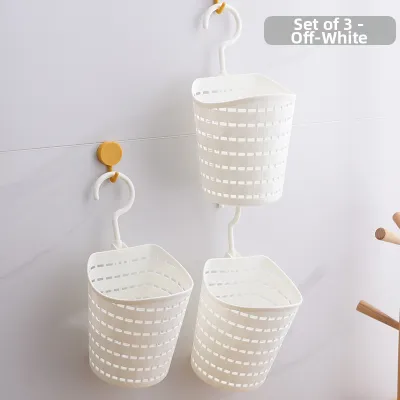
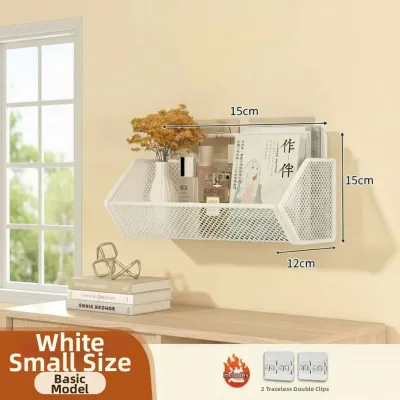
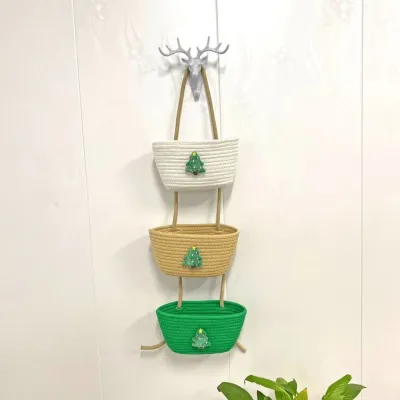
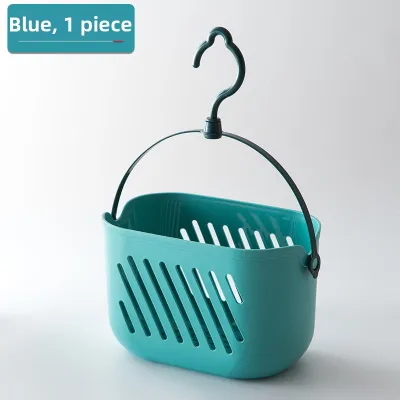
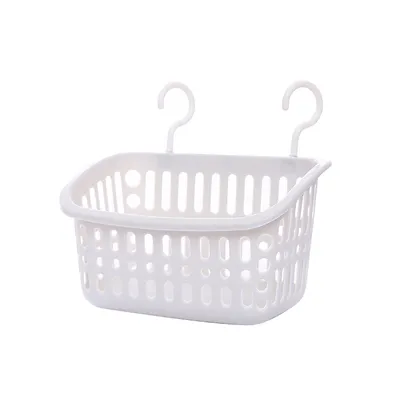
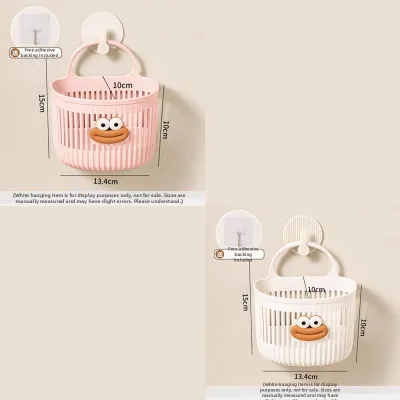
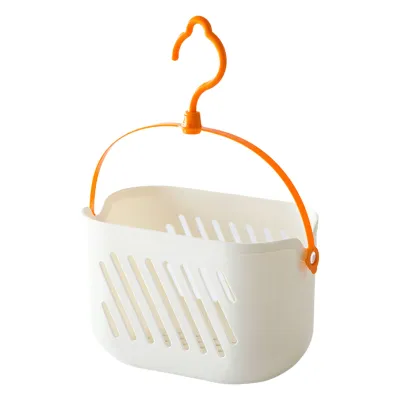
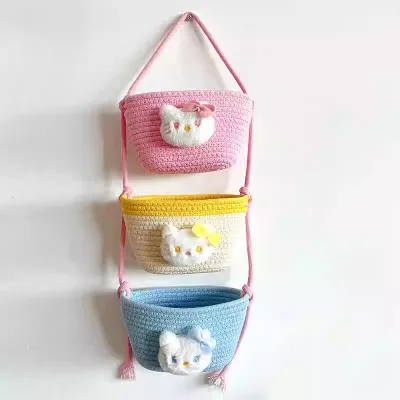
Prices are valid at publication and may change. Please refer to the product page for the latest price.
Finally, safety must be your top priority before undertaking any drilling or mounting. Always check for hidden utility lines, such as electrical wiring or water pipes, running behind the wall surface. Using a reliable stud finder with live-wire detection can help you map out safe zones. If you are mounting a basket near a kitchen backsplash or bathroom wall, exercise extreme caution, as these areas frequently house concealed plumbing lines that must not be punctured.
Selecting the Ideal Basket Size and Depth
Selecting the correct dimensions for your wall hanging basket is a balancing act between storage capacity and physical clearance. In a compact room, the depth of the basket is the most critical dimension to consider. A basket that protrudes too far into a narrow corridor or entryway creates a physical hazard and makes the room feel significantly smaller. For high-traffic walkways, look for slim-profile baskets with a depth of 10 to 15 centimetres, which provide ample space for letters, keys, or small accessories without obstructing your path.

The width and internal compartment layout of the basket should directly match the items you intend to store. If you plan to use the basket as an entryway organizer, a model with divided compartments or integrated hooks is ideal for sorting mail and hanging keys. For larger items like books, toys, or kitchen spice jars, a wider, single-compartment basket prevents wasted space and allows for easier access. Matching the basket’s internal layout to your specific storage needs ensures that every square centimetre of the organizer is utilized efficiently.
To maximize your storage potential without expanding the physical footprint on your wall, consider tiered or multi-level designs. Vertical multi-tiered baskets allow you to stack storage upward, taking advantage of unused wall height while keeping the horizontal footprint minimal. This approach is particularly effective in small study corners or beside bed frames, where floor space is highly restricted but vertical wall space is abundant.
Choosing the Best Basket Type and Material for Small Spaces
The material and style of your wall hanging basket play a significant role in both its durability and the visual weight it adds to a room. Wire or mesh baskets are highly recommended for compact HDB flats because of their visual lightness. The open weave allows light to pass through, making the room feel more open and airy compared to solid, opaque storage units. Additionally, wire baskets provide excellent visibility, allowing you to see the contents at a glance without having to rummage through them.
For homeowners seeking maximum flexibility, foldable or collapsible hanging baskets are an excellent choice. These innovative designs can be expanded when extra storage is needed—such as holding laundry or temporary kitchen produce—and folded flat against the wall when empty. This adaptability aligns perfectly with space-saving furniture principles, ensuring your walls remain clean and uncluttered when the storage is not actively required.
When selecting materials for moisture-prone areas like the kitchen or bathroom, always check the manufacturer’s care instructions and product labels. Metal baskets should feature a rust-resistant coating, such as powder-coated steel or chrome plating, to withstand high humidity levels. If you prefer natural materials like woven seagrass or rattan, ensure they are treated for moisture resistance and placed in well-ventilated areas to prevent mold growth over time. Opaque plastic or acrylic options are also highly durable and easy to wipe clean in wet environments.
Matching Installation Methods to Wall Types and Weight Limits
Securing your wall hanging basket safely requires matching the installation method to both the wall type and the expected weight load. For lightweight items such as mail, keys, or artificial plants, adhesive hooks or strips offer a convenient, drill-free solution. These are particularly useful on smooth, painted drywall or tiled surfaces where drilling is undesirable. However, adhesive mounts are highly sensitive to surface preparation and must only be used within the manufacturer’s specified weight limits.
For heavier or permanent storage needs—such as holding books, heavy kitchen jars, or potted plants—screw anchors are essential. When mounting onto concrete walls, use plastic wall plugs paired with matching screws to ensure a tight, secure grip. For drywall partitions, utilize toggle bolts or threaded drywall anchors that expand behind the board to distribute the weight evenly. Always verify the manufacturer’s stated weight capacity on the product packaging and test the stability of the mount with a light load before filling the basket completely.
If you encounter any uncertainty regarding your wall’s structural integrity, or if the drilling requirements seem beyond your skill level, stop immediately. Consulting a qualified professional handyman ensures that your baskets are mounted safely without damaging hidden utilities or compromising the wall structure. Taking this precautionary step prevents costly repairs and ensures your storage system remains securely attached to the wall for years to come.
Planning Space-Saving Placement Strategies
Integrating wall hanging baskets into your HDB flat requires strategic placement to avoid creating visual clutter. Focus on utilizing “dead spaces” that are otherwise left empty. The wall area directly above a study desk, the space beside a bed headboard, or the empty wall next to an entryway console are prime locations. Placing baskets in these zones keeps daily essentials within arm’s reach while keeping your desks, tables, and floor surfaces completely clear.
When installing multiple baskets, group them vertically rather than horizontally. A vertical arrangement draws the eye upward, creating an illusion of higher ceilings and a more spacious room. It also preserves horizontal wall space, which can be reserved for larger furniture pieces or left open to maintain a clean aesthetic. You can stack two or three identical baskets in a neat column to create a cohesive, organized look.
Finally, the key to successful open storage is maintaining strict organization within the baskets. Overfilled, messy baskets can quickly make a small room feel chaotic and cramped. Use smaller organizer inserts or labels to keep items sorted, and regularly purge items that are no longer needed. By keeping the contents tidy and curated, your wall hanging baskets will serve as both a practical storage solution and an attractive design feature in your home.
Frequently Asked Questions (FAQ)
Can I use adhesive wall hanging baskets on HDB partition walls?
Yes, you can use adhesive wall hanging baskets on HDB partition walls, but you must take several precautions. The success of adhesive mounts depends heavily on the surface texture, paint condition, and ambient humidity of the room. Matte or textured paints, as well as high-humidity environments like bathrooms, can significantly reduce adhesive strength over time. Always adhere strictly to the manufacturer’s weight limits, and be aware that removing strong adhesives can sometimes peel the paint or damage the drywall surface if not done carefully.
How do I prevent wall hanging baskets from damaging my walls?
To minimize wall damage, always select the correct mounting hardware for your specific wall type and avoid over-tightening screws, which can crack drywall or strip wall plugs. If you are using adhesive strips, follow the product instructions precisely for both application and removal. When removing adhesives, applying gentle heat from a hairdryer can soften the glue, allowing you to pull the strip away cleanly without tearing the paint or plaster underneath.

Community discussion
Share your experience or ask a question. Comments are reviewed before publication.