
Finding the right plastic shoe box in Singapore involves balancing your collection size with the physical constraints of local homes, such as HDB flats or condominiums. The ideal setup relies on choosing modular, stackable, and durable plastic containers that protect footwear from local humidity while maximizing vertical space. Rather than relying solely on brand names, smart buyers evaluate material thickness, interlocking stability, and ventilation features to build a storage system that fits their specific floor plan and shoe types. By matching the structural design of your boxes to the scale of your collection, you can create an organized, visually appealing display that preserves your shoes for years to come.
Assessing Your Shoe Collection and Available Space
Singaporean homes often feature compact entryways, household shelters, or narrow corridors where shoe storage must fit without obstructing daily pathways. Before browsing online marketplaces or local home improvement stores, conduct a thorough audit of your current footwear collection. Group your shoes by height and style, separating flats, sneakers, high heels, and boots, to understand the mix of box sizes you will require. It is also wise to factor in a buffer of 10% to 20% for future purchases, ensuring you do not run out of matching modular units as your collection grows.
Next, measure the physical footprint of your intended storage area. In typical HDB flats and condominiums, ceiling heights generally range from 2.6 to 2.8 metres, which offers ample vertical space if you choose stable, stackable boxes. However, you must measure the depth of the walkway or entryway carefully. A standard shoe box requires at least 35 to 40 centimetres of depth; ensure this does not infringe on the minimum clear width required for escape routes or daily foot traffic.
Products mentioned in this guide
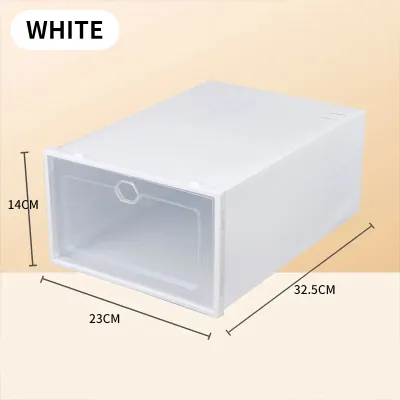
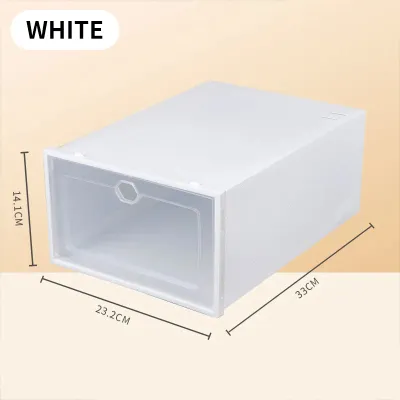

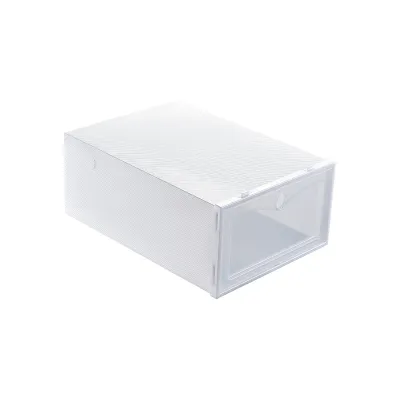
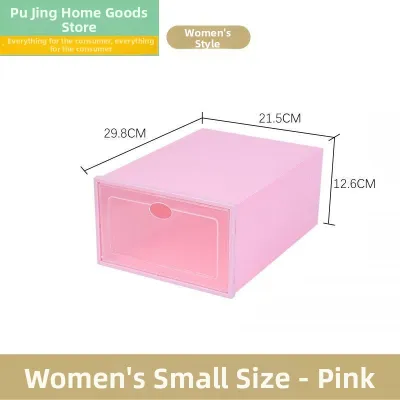
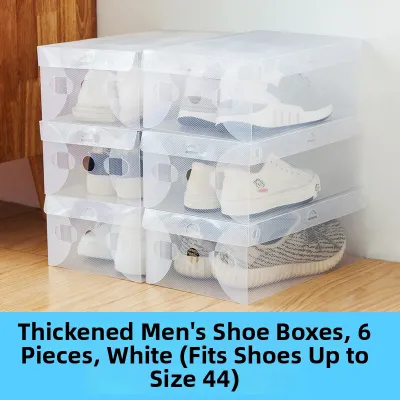
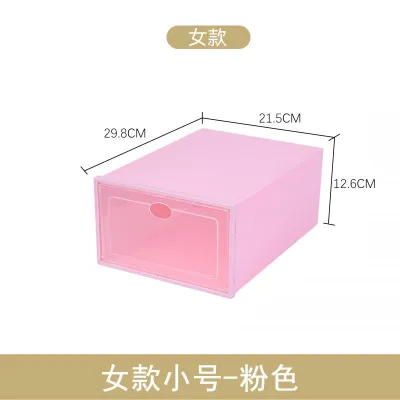
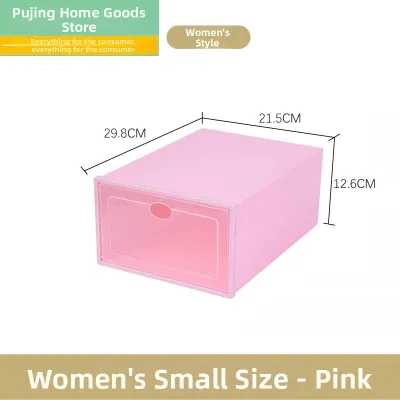
Prices are valid at publication and may change. Please refer to the product page for the latest price.
If you plan to order bulk sets or large, pre-assembled multi-tier plastic shoe cabinets, do not forget to measure your building’s lift doors, stairwells, and your own front door. Standard passenger lifts in residential estates have specific height and width clearances that can restrict the transport of oversized, non-collapsible storage units. Taking these measurements beforehand prevents delivery day complications and ensures your new storage system fits seamlessly into your home.
Essential Features to Evaluate in Plastic Shoe Boxes
When browsing different brands on local e-commerce platforms or in home improvement stores, look past marketing buzzwords and focus on technical specifications. The thickness of the plastic panels determines the structural integrity of a stacked column. Look for boxes made from high-density polypropylene (PP) or acrylic (polystyrene/PS) that specify their load-bearing capacity. A high-quality box should support several kilograms of weight on top without bowing, ensuring that the bottom boxes do not warp under the weight of a tall stack.

Singapore’s tropical climate, characterized by high relative humidity, presents unique challenges for footwear preservation. Excess moisture trapped inside a sealed plastic box can lead to mold growth and material degradation, particularly for leather or suede shoes. Conversely, completely open racks expose shoes to dust. The ideal plastic shoe box balances these factors by incorporating rear or side ventilation slots that promote airflow while keeping the front and top sealed against dust. If you store shoes in air-conditioned rooms, dust-proof seals with minimal ventilation may suffice, but for balcony or service yard storage, active ventilation is essential.
The door mechanism is another critical factor for daily convenience, especially in tight spaces. Drop-front doors that swing downward are highly popular because they allow quick access without requiring you to unstack the boxes. Side-opening doors are excellent for wider corridors where you have more lateral space. Look for magnetic closures rather than plastic snap-tabs; magnetic catches maintain their holding power over thousands of uses, whereas cheap plastic tabs can wear down, warp, or snap off over time, leaving your boxes permanently ajar.
Matching Storage Solutions to Your Collection Size
Organizing your footwear effectively requires matching the structural design of your plastic shoe boxes to the overall scale of your collection. A single, uniform system looks cleaner and functions better than a mismatched assortment of containers. Choosing a brand that offers modular consistency ensures that as your collection expands, new boxes will lock perfectly into your existing setup.
Small Collections (Under 10 Pairs)
For minimalists, capsule wardrobe enthusiasts, or casual wearers with fewer than ten pairs of shoes, heavy-duty storage towers are unnecessary. Instead, prioritize space-saving, highly flexible setups that utilize under-utilized areas of the home. Low-profile, individual modular plastic boxes are ideal because they can be tucked away under bed frames, placed at the bottom of a wardrobe, or lined up neatly along a narrow entryway bench.
When selecting boxes for a small collection, look for brands that sell individual units or small packs of two to four boxes rather than large bulk sets. This allows you to purchase exactly what you need without storing empty containers. Individual modular units also give you the freedom to rearrange the layout horizontally or vertically as your space dictates, making them highly adaptable for renters or those who frequently rearrange their furniture.
Medium Collections (10 to 30 Pairs)
A medium-sized collection of ten to thirty pairs requires a more structured approach to prevent clutter. At this scale, you will likely need to stack your plastic shoe boxes three to five tiers high. To do this safely, carefully inspect the interlocking mechanisms of the boxes you are considering. High-quality brands feature physical grooves, pegs, or sliding tracks on the top and bottom panels that lock the boxes together, preventing the stack from sliding or tipping forward when a door is opened.
Weight distribution is equally important when building a mid-sized modular wall. Always place heavier footwear, such as boots, leather dress shoes, or chunky sneakers, in the bottom tiers to lower the center of gravity. Ensure the brand you choose offers uniform external dimensions across different product lines, or at least compatible modular sizes. This allows you to mix standard-sized boxes for flats and sneakers with taller, wider boxes designed for high-tops or ankle boots while maintaining a clean, flush front profile.
Large Collections (Over 30 Pairs)
Collectors with more than thirty pairs of shoes—such as dedicated sneakerheads or large families—require heavy-duty, high-capacity systems designed for long-term structural stability. When stacking boxes six or more tiers high, standard lightweight plastic containers will buckle under the cumulative weight. Look for premium brands that feature reinforced internal frames, often made of rigid ABS plastic or metal alloys, which bear the load independently of the clear outer panels.
For safety, tall stacks must be secured. Check if the manufacturer provides wall-anchoring kits, anti-tip straps, or specialized bracket systems to secure the top of the stack to the wall. If you are setting up a dedicated shoe storage room or integrating a massive stack into a walk-in closet, consider the weight distribution on your flooring. While typical residential floors in Singapore are engineered to handle standard domestic loads, a massive wall of heavy shoes and solid plastic boxes can exert significant localized pressure, so spreading the stack horizontally where possible is a wise precaution.
Where to Source and What to Verify Before Buying
Finding the right plastic shoe boxes in Singapore involves exploring a mix of local furniture showrooms, home improvement stores, and online marketplaces. Prices can vary widely, ranging from under S$5 per box for basic collapsible models to over S$30 per box for premium, hard-acrylic magnetic cases. When comparing options, factor in the cost of delivery, especially for bulk orders, and carefully review the seller’s return and exchange policies.
Because plastic components can be fragile during transit, always conduct a thorough inspection immediately upon delivery. Check each panel for hairline cracks, chipped corners, or warped edges that could compromise the structural integrity of the box or prevent it from interlocking correctly. Test the door hinges and magnetic catches on every single unit to ensure they align properly and close securely without gaps.
Additionally, verify that the actual internal dimensions of the delivered boxes match the product listing. Online listings often highlight external dimensions, which can be misleading if the plastic walls or interlocking frames are thick. If you wear larger shoe sizes or collect high-top sneakers, even a minor discrepancy of one centimeter in internal height or depth can prevent your shoes from fitting upright, forcing you to store them sideways and reducing your overall storage efficiency.
Stacking Safety and Long-Term Maintenance
Maintaining a safe and visually appealing shoe storage system requires ongoing care and adherence to safety guidelines. Always consult the manufacturer’s manual to find the maximum recommended stacking height for your specific box model. Even if the boxes feel sturdy, exceeding these limits increases the risk of a sudden collapse, which can damage your footwear and pose a safety hazard to household members. If you must stack boxes high, utilize anti-tip straps or brackets to secure the unit to a wall stud or solid surface.
To keep your clear plastic boxes looking pristine, establish a regular cleaning routine using mild soap and warm water. Avoid using harsh chemical cleaners, glass sprays, or abrasive scrubs, as these can react with acrylic or polypropylene, causing the plastic to become cloudy, yellowed, or brittle over time. Use a soft microfiber cloth to gently wipe away dust and fingerprints from the clear doors to maintain maximum visibility.
Finally, periodically monitor your storage setup for signs of wear, especially if your boxes are located in areas exposed to indirect sunlight or high humidity, such as near windows or in service yards. UV exposure can degrade plastic polymers, making them prone to cracking under pressure. Inspect the bottom boxes of your stacks every few months to ensure they are not showing signs of bowing or stress fractures, and replace any compromised units immediately to preserve the structural safety of the entire system.
Frequently Asked Questions (FAQ)
Can I store high heels or boots in standard plastic shoe boxes?
Standard plastic shoe boxes are typically designed for low-profile footwear like sneakers, flats, and loafers. Storing high heels or boots in these standard units is often difficult because of their height and shaft length. Before purchasing, check the internal height of the box; high heels usually require a box with at least 18 to 20 centimetres of vertical clearance, while ankle boots may require even more. For taller boots, look for brands that offer specialized boot boxes or units with adjustable internal dividers, allowing you to customize the space to prevent folding or creasing the leather.
Do clear plastic boxes cause shoes to fade?
Clear plastic boxes themselves do not cause shoes to fade, but they allow ambient light and ultraviolet (UV) rays to pass through. If your shoe stacks are placed in direct sunlight or near bright windows, the UV exposure will accelerate the fading of fabric dyes, yellow white midsoles, and dry out leather. To protect your collection, place your plastic shoe boxes away from direct window light, or consider applying UV-filtering window films to your home’s glass panels. Some premium shoe box brands also offer tinted or UV-resistant plastic panels designed to mitigate light damage.
Community discussion
Share your experience or ask a question. Comments are reviewed before publication.