
Selecting the ideal plastic sheet to protect your furniture requires balancing aesthetics, surface compatibility, and protective performance. There is no single material that excels in every scenario; the right choice depends heavily on your furniture’s finish and the specific hazards you want to prevent. For instance, a heavy-duty dining table needs a different level of heat and spill protection than a delicate, lacquered wooden sideboard or a high-traffic laminate office desk.
Before purchasing any protective cover, always consult your furniture manufacturer’s care instructions. Applying a non-breathable plastic sheet to certain finishes can trap moisture or trigger chemical reactions, leading to permanent surface damage. Understanding the unique characteristics of common plastics—such as PVC, PE, PET, and acrylic—will help you safeguard your investment without compromising the beauty of your home.
Quick Decision Framework for Furniture Protection
To make an efficient and safe choice, you must first identify whether your primary goal is temporary shield protection or long-term daily utility. Soft, flexible plastic sheets excel at cushioning impacts and draping over curved edges, making them highly popular for active dining spaces. Rigid, hard plastic sheets offer a flat, glass-like writing surface and superior structural defense, which is ideal for home offices, study zones, and display shelves.
Products mentioned in this guide
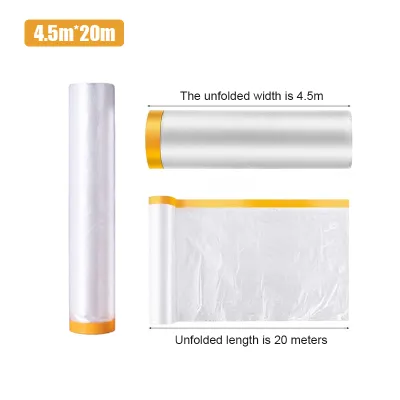
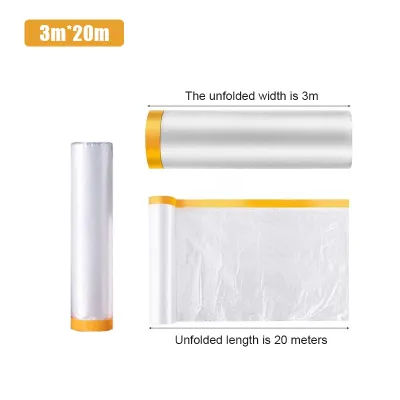
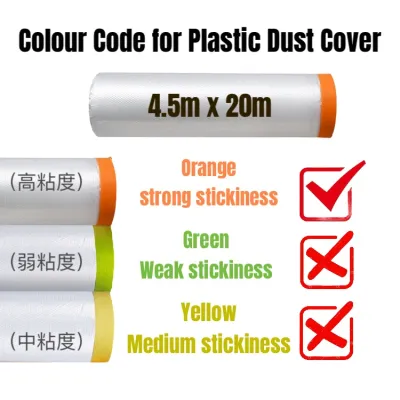
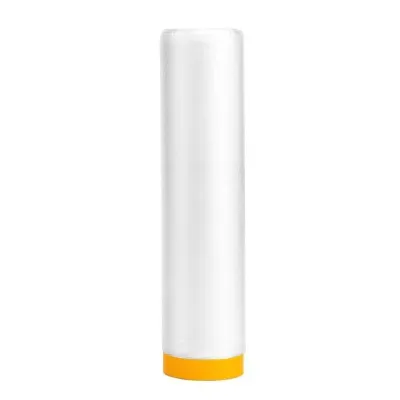
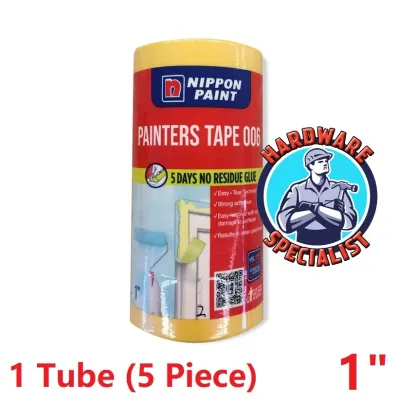
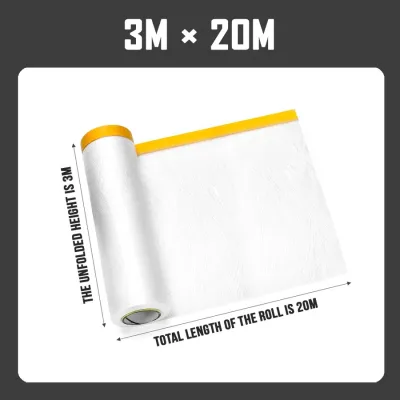
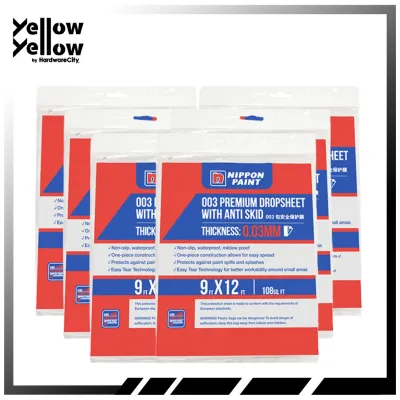
Prices are valid at publication and may change. Please refer to the product page for the latest price.
The chemical makeup of both the plastic protector and your furniture’s finish determines how they interact over time. Soft, flexible films often contain plasticizers that keep them pliable, but these chemicals can migrate into certain lacquers, varnishes, or paints. Rigid sheets, on the other hand, are typically more chemically stable but lack the impact-absorbing cushion of their flexible counterparts.
Environmental conditions also play a critical role in material performance. In warm, highly humid environments like Singapore, trapping air and ambient moisture beneath a tight, non-porous plastic cover can quickly degrade wood finishes. Therefore, the decision framework requires evaluating not just the plastic’s scratch resistance, but also how the assembly will breathe, slide, or react under local indoor conditions.
Comparing Common Plastic Sheet Materials for Furniture Protection
PVC and Vinyl (Soft Glass Table Covers)
Flexible polyvinyl chloride (PVC), commonly sold as vinyl or “soft glass,” is the most widely used material for clear tabletop protection. It is highly flexible, water-resistant, and heavy enough to lay flat on a surface without shifting easily. This makes it an excellent choice for busy dining tables, kitchen counters, and craft areas where spills, ink, and heavy impacts are daily occurrences.

However, flexible PVC has notable limitations that require careful verification before use. New PVC sheets frequently emit a strong plastic odor, known as off-gassing, which requires airing out in a well-ventilated space before indoor installation. Additionally, because PVC contains plasticizing oils, it can stick to painted, varnished, or lacquered wood surfaces, potentially peeling away the finish when lifted. Always check the manufacturer’s product label to verify the maximum temperature rating, as soft PVC can warp or cloud when exposed to hot plates or cups.
PE (Polyethylene) and PP (Polypropylene)
Polyethylene (PE) and polypropylene (PP) are lightweight, highly versatile plastics used primarily for utilitarian protection. PE is most commonly encountered as thin stretch films or temporary covers, which are perfect for safeguarding furniture from dust, paint splatters, and moisture during home renovations or moving. Because PE films are highly flexible and inexpensive, they provide a cost-effective, short-term shield but are not suitable for permanent aesthetic display.
Polypropylene (PP), conversely, is often manufactured into semi-rigid, textured sheets that work exceptionally well as drawer liners, shelf protectors, and cabinet inserts. PP is chemically stable, food-safe, and highly resistant to moisture and household cleaning agents. While PP and PE offer lower optical clarity than PVC or acrylic, their excellent chemical resistance and lack of migrating plasticizers make them ideal for hidden, low-heat storage areas.
PET and Acrylic (Rigid and Clear Protectors)
For premium surfaces requiring high optical clarity and a rigid structure, polyethylene terephthalate (PET) and acrylic (polymethyl methacrylate) are the premier choices. Often used for custom-cut desk mats, table toppers, and display shelves, these materials provide a crystal-clear, glass-like appearance that showcases the natural wood grain or stone pattern underneath. They are significantly lighter and more shatter-resistant than real glass while offering superior scratch resistance.
Rigid sheets also offer better heat resistance than soft PVC, meaning they are less likely to warp under warm laptop batteries or coffee mugs. However, their complete lack of flexibility means they must be ordered to match the finished dimensions of your furniture precisely. Additionally, raw-cut acrylic can have incredibly sharp edges; always ensure the edges are professionally polished, chamfered, or rounded to prevent cuts or snags during daily use.
TPU and EVA (Specialty Alternatives)
Thermoplastic polyurethane (TPU) and ethylene-vinyl acetate (EVA) are modern specialty plastics that address specific functional gaps left by traditional materials. TPU is highly regarded as an eco-friendly, low-odor alternative to PVC for premium desk mats and protective films. It boasts excellent elasticity, high abrasion resistance, and superior heat tolerance, making it a durable option for workspaces without the harsh chemical off-gassing of vinyl.
EVA is a soft, rubber-like plastic characterized by its excellent cushioning, flexibility, and non-slip properties. It is commonly used to create textured drawer liners, protective mats under heavy kitchen appliances, or soft surface covers in children’s play areas. When choosing these specialty materials, always verify specific performance claims, material compositions, and safety certifications printed on the product packaging to ensure they meet your household’s safety standards.
Matching the Protector to Your Furniture Surface
Wood and Lacquered Surfaces
Solid wood, veneered, and lacquered surfaces represent the highest risk category when using plastic protectors. Placing a soft PVC or vinyl sheet directly onto a finished wood surface can trap moisture and ambient humidity underneath. In Singapore’s tropical climate, this trapped moisture can cause a chemical reaction known as “blushing,” where the wood’s lacquer or varnish turns a cloudy, opaque white.
Furthermore, the plasticizers in soft vinyl can chemically bond with the wood’s finish over time, resulting in the plastic sticking to the table and tearing the lacquer away when removed. To protect wood safely, avoid full-coverage adhesive films or soft PVC directly on the surface. Instead, place a breathable fabric barrier (such as a high-quality cotton tablecloth) underneath the plastic, or opt for a rigid PET or acrylic sheet elevated slightly by small, non-reactive silicone or felt bumper pads to allow continuous airflow.
Glass, Marble, and Stone Tops
Non-porous, heavy, and smooth surfaces like tempered glass, polished marble, and natural stone are highly durable but vulnerable to scratches, etching from acidic spills, and chipping. Soft vinyl sheets work exceptionally well on these materials because there is no risk of chemical bonding or moisture clouding a delicate wood lacquer. They provide an excellent cushion against heavy dinnerware and prevent liquids from staining porous stone.
The primary challenge with smooth glass or polished stone is the aesthetic issue of trapped air bubbles, which create an uneven, “wet” look underneath the clear plastic. To prevent this, select a plastic sheet with a textured, frosted, or matte underside. This textured backing allows air to escape, ensuring a clean appearance while providing the necessary anti-slip friction to keep the heavy protector from sliding dangerously off the smooth surface.
Desks and Workspaces (Laminate and Veneer)
Home office desks and study workspaces endure concentrated, high-friction wear from computer mice, keyboards, writing instruments, and hot coffee mugs. Laminate and wood veneer surfaces are highly susceptible to localized denting, ink stains, and edge peeling over time. To preserve these high-use surfaces, a rigid PET mat or a thick, heavy-duty PVC desk protector is highly recommended.
When selecting a workspace protector, inspect the underside of the mat to ensure it features a non-abrasive, non-slip surface treatment that will not discolor or scratch the laminate finish over time. Because these areas are subject to daily hand contact and sweat, dust and skin oils can accumulate quickly along the edges. It is vital to lift the desk mat periodically to wipe down both the laminate surface and the protector’s backing, preventing grime buildup and potential finish degradation.
Key Product Specifications to Verify Before Buying
- Thickness and Weight: Choosing the correct thickness is crucial for balancing flexibility, weight, and protection. Soft PVC sheets are typically measured in millimeters (mm) or mils, with standard residential thicknesses ranging from 1.0 mm to 3.0 mm. A 1.5 mm to 2.0 mm thick sheet is generally ideal for dining tables, as it is heavy enough to stay in place without adhesives and drapes naturally over the edges. Thinner sheets (under 1.0 mm) are easier to cut but tend to slide, warp, and wrinkle easily, while sheets thicker than 3.0 mm are highly rigid, heavy, and difficult to trim at home.
- Heat Tolerance: Never assume that a plastic sheet is inherently heatproof. Standard soft PVC can begin to soften, warp, or discolor at temperatures as low as 60°C, which is easily reached by a hot mug of tea or a serving bowl. Before buying, check the manufacturer's specifications for the maximum temperature limit; premium heat-resistant PVC or TPU sheets can sometimes withstand up to 100°C. Regardless of the material's stated limit, always use insulated trivets, placemats, or coasters under hot cookware to protect both the plastic sheet and the underlying furniture finish from thermal shock.
- Odor and Off-Gassing: The strong chemical smell associated with new plastic sheets is caused by the release of volatile organic compounds (VOCs). To minimize health risks and unpleasant odors, look for product descriptions that explicitly state "low-odor," "BPA-free," "phthalate-free," or "food-grade" safety certifications. Even when purchasing certified low-odor sheets, it is highly recommended to unroll the material and let it air out in a well-ventilated outdoor space, such as a balcony or service yard, for 48 to 72 hours before placing it on your furniture.
- Anti-Slip and Anti-Static Features: A sliding plastic cover poses a safety hazard, especially in households with children or elderly family members. Look for sheets treated with anti-slip backings or textured patterns that grip the furniture surface securely without using adhesives. Additionally, high-quality plastic sheets often undergo anti-static treatments during manufacturing; this prevents the material from acting as a magnet for airborne dust, pet dander, and small abrasive particles, which can otherwise slip underneath the cover and scratch the furniture surface during daily movement.
Safe Installation, Cleaning, and Maintenance
- Measuring and Cutting: To achieve a clean, professional look, measure the finished dimensions of your furniture surface twice before making any cuts. If you are using soft PVC, keep in mind that the material can shrink slightly along its length over time due to temperature fluctuations. Many manufacturers recommend cutting the sheet with a 1 to 2 cm overhang to allow for this natural shrinkage. Secure the plastic sheet to a flat, protected cutting surface using clamps, and use a heavy-duty steel straight edge and a fresh, sharp utility knife to make slow, continuous cuts to avoid creating jagged, unsafe edges.
- Cleaning Routines: Keeping your plastic protector clean requires gentle care to prevent clouding or scratching. Use a soft microfiber cloth dampened with warm water and a few drops of mild dish soap to wipe away spills and dust. Avoid using abrasive scrubbing pads, steel wool, or harsh chemical solvents such as bleach, ammonia, acetone, or alcohol-based glass cleaners. These aggressive substances can chemically break down the plastic's surface, leaving it permanently cloudy, sticky, or warped.
- Routine Inspection: A plastic protector should never be treated as a permanent, maintenance-free fixture. In humid climates, it is essential to establish a routine inspection schedule—ideally once a month—where you completely lift the plastic sheet off the furniture. Wipe away any trapped dust, condensation, or micro-moisture from both the furniture surface and the underside of the plastic, allowing the furniture to air dry completely. This simple maintenance step prevents the buildup of mold, mildew, and chemical residues, ensuring your furniture finish remains pristine and beautiful for years to come.
Community discussion
Share your experience or ask a question. Comments are reviewed before publication.