
Replacing a glass table top or protecting a wooden desk requires selecting the correct plastic thickness to ensure safety, durability, and comfort. For a structural glass replacement, you typically need a rigid sheet that is at least 6mm to 10mm thick to prevent sagging under load. If you are simply protecting a wooden desk where the sheet rests flat, a thickness of 1.5mm to 3mm is ideal to safeguard the surface without creating uncomfortable edges. Selecting the right plastic sheet thick profile depends on your specific furniture design, the material chosen, and how you intend to use the surface daily.
Quick Guidelines: Matching Plastic Sheet Thick Profiles to Your Table's Needs
Understanding the difference between structural replacement and surface protection is the first step in making the right choice. A structural replacement must bear weight independently, meaning it requires high rigidity. If the sheet is too thin, it will bow, sag, or even crack under the weight of everyday items.
Surface protection, on the other hand, prioritizes flexibility, scratch resistance, and edge comfort. Placing an excessively thick plastic sheet on a writing desk can create sharp, elevated edges that press uncomfortably into your forearms during work. Conversely, an overly thin sheet may curl, shift, or fail to protect the wood from heavy pen pressure or warm mugs.
Products mentioned in this guide
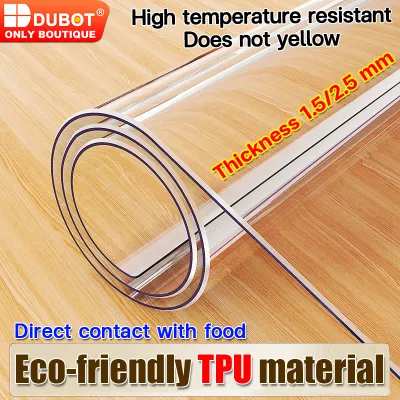
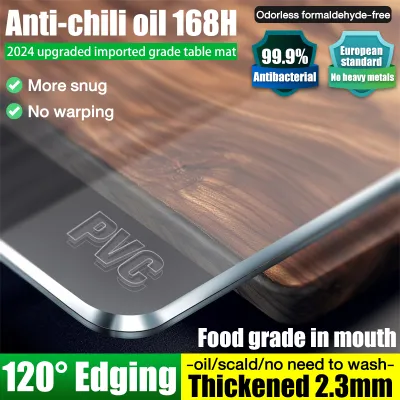
Prices are valid at publication and may change. Please refer to the product page for the latest price.
The ideal thickness is not a one-size-fits-all measurement. It depends heavily on the table’s underlying support structure, the specific type of plastic polymer, and the environment in which the furniture sits.
Replacing a Glass Table Top: Structural Support and Rigidity
When you use a plastic sheet to completely replace a broken or outdated glass table top, the plastic becomes the primary load-bearing surface. The design of your table’s frame dictates the minimum thickness required to keep the surface flat and safe.

A table with continuous perimeter support holds the sheet along all four edges, which helps distribute weight. However, if the table has a large unsupported span—such as a central pedestal base with radiating arms—the plastic must be significantly thicker to prevent bowing in the center. For standard dining tables with moderate unsupported spans, a thickness of 8mm to 10mm is generally recommended.
Weight capacity is another critical factor. Dining tables must withstand dynamic and concentrated loads, including heavy ceramic serving dishes, decorative items, and the weight of people leaning on the table edge. A thin sheet will flex under these loads, which can cause items to slide or spill.
Safety is paramount when dealing with structural furniture components. Never use thin, flexible plastic sheets for fully unsupported glass replacements. Always consult the furniture manufacturer’s original specifications or a qualified professional to verify load-bearing limits before purchasing your replacement sheet.
Protecting a Wooden Desk: Surface Defense and Edge Comfort
When protecting a solid wood desk or veneer surface, the plastic sheet rests on a fully supportive wooden base. Because rigidity is not a concern, you can focus on protecting the wood from daily wear while maintaining a comfortable working environment.
Daily office tasks expose wooden desks to scratches from laptop bases, keyboard frames, and writing instruments. A thickness of 1.5mm to 2mm provides an excellent protective barrier against these localized impacts without making the desk surface feel awkwardly raised.
Thermal insulation is also important for preserving wood finishes. While thicker sheets offer better insulation against heat transfer from hot coffee mugs, the thermal properties of the specific plastic material are what ultimately prevent heat rings. For extremely hot items, always use coasters to prevent the plastic from warping or transferring heat to the varnish below.
Ergonomics and edge safety should guide your final decision. A thick plastic sheet with a sharp, 90-degree edge can cause wrist strain or arm discomfort during long typing sessions. If you choose a sheet thicker than 2mm, look for options with beveled, rounded, or polished edges to ensure a smooth, comfortable transition for your arms.
How Plastic Material Types Affect Thickness Choices
The term “plastic” encompasses several different polymers, each possessing unique physical properties. These material differences mean that a thickness that works for one type of plastic might be entirely unsuitable for another.
Acrylic, often known as Plexiglass, is highly rigid and offers excellent optical clarity, making it a popular choice for glass replacement. Because of its stiffness, acrylic can achieve structural stability at a lower thickness than more flexible materials. However, it can chip or crack under sudden, heavy impacts if it is too thin.
Polycarbonate is virtually unbreakable and offers superior impact resistance, making it ideal for busy households or high-use areas. However, polycarbonate is slightly more flexible than acrylic. Over a long unsupported span, you may need a slightly thicker polycarbonate sheet to prevent the same amount of deflection or bowing.
Flexible PVC, or vinyl, is inherently pliable and is typically sold in rolls or mats. While PVC is excellent for direct desk protection because of its cushioning effect, its lack of rigidity makes it completely unsuitable for structural glass replacement.
Before purchasing, always check the manufacturer’s technical specification sheet for the exact material’s flexural strength, thermal limits, and UV resistance to ensure it matches your specific environment.
Measuring, Ordering, and Installing Your Plastic Sheet
Achieving a perfect fit requires precise measurements and careful consideration of your physical space. Start by measuring the finished dimensions of your table top, noting any unique design elements like rounded corners or beveled edges.
If you are ordering a rigid sheet for a home in Singapore, you must account for the warm and humid tropical climate. Plastics expand and contract with temperature and humidity fluctuations. Allow a small expansion margin of 1mm to 2mm around the perimeter so the sheet does not buckle or warp against the table frame during warmer periods.
Safe installation is crucial to protect the underlying wood. Use non-slip felt pads or clear, specialized double-sided tape to secure the sheet. Never trap moisture beneath the plastic; Singapore’s high humidity can easily lead to condensation, which can soften and ruin wood varnishes. Ensure both the wood and the plastic are completely dry before laying the sheet down.
Finally, remember that thick acrylic or polycarbonate sheets can be heavy and difficult to handle. Ensure your doorways, corridors, and lift access can accommodate the finished dimensions of the sheet. Always handle heavy sheets with care to avoid cracking the material or causing personal injury during installation.
Frequently Asked Questions (FAQ)
Will a thick plastic sheet damage the wood finish underneath?
Yes, there is a risk of damage if moisture becomes trapped between the plastic and the wood. In Singapore’s humid climate, condensation can form under flat plastic sheets, which can soften polyurethane, lacquer, or shellac finishes over time. To prevent this, ensure the wood finish is fully cured before applying any cover. Use small felt spacers or a textured, breathable protective mat to allow minimal air circulation underneath.
How do I clean a thick plastic table protector without scratching it?
To clean your plastic sheet without causing scratches, use a mixture of mild dish soap and warm water with a clean, soft microfiber cloth. Avoid using paper towels, dry cloths, or abrasive sponges, as these can create micro-scratches that dull the surface over time. Never use harsh chemical cleaners containing ammonia, alcohol, or bleach, as these can cause chemical degradation, cracking, or permanent clouding of the plastic.
Community discussion
Share your experience or ask a question. Comments are reviewed before publication.