
Selecting the correct plastic sheet for furniture repair depends entirely on matching the material’s physical properties to the specific environmental, structural, and aesthetic demands of your project. Replacing a cracked cabinet panel, adding a protective tabletop cover, or fabricating a new shelving unit requires a clear understanding of how different plastics behave under stress, heat, and light. By evaluating the unique characteristics of acrylic, PVC, and polycarbonate, you can ensure a durable, professional-looking repair that integrates seamlessly with your existing home decor.
Identify Your Furniture Repair Needs
Before purchasing any materials, you must assess the physical and environmental conditions the repaired furniture will encounter. Start by evaluating whether the plastic sheet will serve a purely aesthetic purpose, act as a protective barrier, or bear structural weight. For instance, a thin protective cover for a study desk requires excellent surface clarity and scratch resistance, whereas a replacement shelf in a display cabinet must support the weight of books or decorative items without sagging over time.
Environmental factors also play a critical role in material selection, especially in tropical climates where indoor spaces may experience high humidity or intense sunlight near windows. If your furniture is positioned near a kitchen stove, a sunny balcony, or a window, you must consider how heat and ultraviolet (UV) radiation affect different plastics. Some materials yellow or warp when exposed to direct sunlight or elevated temperatures, making it essential to identify these exposures beforehand.
Products mentioned in this guide

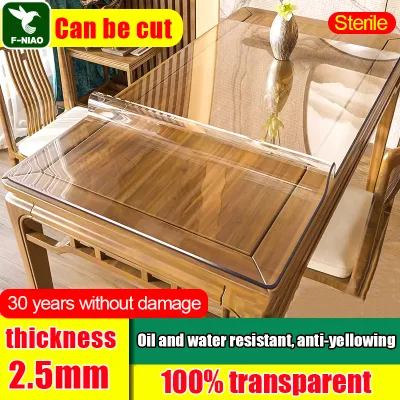
Prices are valid at publication and may change. Please refer to the product page for the latest price.
Finally, determine your aesthetic preferences and fabrication capabilities. Consider whether you need a completely transparent sheet that mimics glass, a translucent panel to diffuse light, or a solid, colored material to match existing cabinetry. You must also evaluate the tools you have at home, as some plastics require specialized blades or thermal bending equipment to shape, while others can be easily cut with standard utility knives.
Comparing Common Plastic Sheets for Furniture
To make an informed decision, it is helpful to compare the three primary categories of plastic sheets commonly used in residential furniture repair: acrylic, polyvinyl chloride (PVC), and polycarbonate. While these materials may look similar on a retail shelf, their structural behaviors, cutting requirements, and environmental tolerances differ significantly. Always verify the manufacturer’s technical data sheets to confirm that a specific product meets your project’s exact requirements.

Acrylic (PMMA) Sheets
Acrylic is highly valued in furniture restoration for its exceptional optical clarity and natural resistance to ultraviolet light. This makes it an excellent choice for replacing glass panels in display cabinets, picture frames, or decorative door inserts. Unlike glass, acrylic does not shatter easily, and it maintains its transparency without yellowing when exposed to indirect sunlight near windows.
In terms of surface characteristics, acrylic offers a moderate level of surface hardness, making it more resistant to light scratches than some other plastics. However, it is still susceptible to abrasions from rough handling or abrasive cleaning agents, so checking the manufacturer’s care instructions is vital. For high-traffic surfaces, you may want to look for acrylic sheets that feature a specialized scratch-resistant hard coat.
When it comes to fabrication, acrylic requires careful handling to prevent damage. It is a relatively brittle material that can easily crack or chip if you attempt to cut it with inappropriate mechanical tools or excessive force. For straight cuts, a scoring tool is often preferred, while complex shapes may require specialized plastic-cutting saw blades or professional laser cutting services. Additionally, acrylic can be thermally formed under specific, controlled heating conditions if your repair requires curved elements.
PVC (Polyvinyl Chloride) Sheets
PVC sheets offer a highly flexible and cost-effective solution for lightweight or curved furniture repairs. Unlike rigid plastics, plasticized PVC can be easily bent, wrapped, or shaped, making it a popular choice for edge banding, protective corner guards, and flexible drawer liners. Rigid PVC sheets, on the other hand, provide a lightweight yet sturdy option for backing panels, internal drawer dividers, and non-structural cabinet components.
The material is highly resistant to moisture and common household chemicals, which simplifies the cleaning and maintenance process. This moisture resistance makes PVC particularly useful for repairing furniture in high-humidity areas, such as bathroom vanities or kitchen under-sink cabinets. Standard household detergents are typically sufficient to keep the surface clean without degrading the material.
However, PVC has distinct thermal limitations that you must consider before installation. It is susceptible to deformation in high-temperature environments, meaning it should not be used near ovens, cooktops, or heat-emitting appliances. Always check the product label or manufacturer specifications for the thermal deformation threshold to ensure the material remains stable in your intended application.
Polycarbonate (PC) Sheets
Polycarbonate is the material of choice when your furniture repair demands extreme impact resistance and structural integrity. It is virtually shatterproof, making it highly suitable for load-bearing shelves, protective tabletop covers in high-activity households, or furniture components in homes with active pets and young children. If safety and durability are your primary concerns, polycarbonate provides a robust alternative to both glass and acrylic.
Despite its incredible impact strength, polycarbonate is relatively soft on the surface and can scratch more easily than acrylic. To maintain its appearance over time, it is important to verify whether the sheet you are purchasing has a factory-applied scratch-resistant coating. Without this protective layer, daily wear and tear can quickly lead to a dull, hazy surface.
UV stability is another variable to watch when selecting polycarbonate. Standard grades can degrade and yellow over time when exposed to sunlight, so you must select UV-stabilized or UV-treated grades if the repaired furniture will sit near large windows, glass doors, or outdoor patio areas. Checking the product specifications will help ensure the material retains its clarity and strength over years of exposure.
Matching Materials to Specific Furniture Tasks
Selecting the right plastic sheet involves matching these material characteristics to the specific functional demands of your furniture repair task. For tabletop protectors, optical clarity and heat resistance are paramount. You should verify that the plastic sheet has a heat-resistance label suitable for warm plates or coffee mugs, and consider adding small, non-slip silicone bumpers underneath to prevent the sheet from shifting and scratching the wood finish below.
When replacing cabinet doors or drawer fronts, you must calculate the weight of the new plastic panel relative to the load capacity of the existing hinges and drawer slides. Acrylic and polycarbonate are lighter than glass but heavier than thin wood veneers, so ensuring your hardware can support the weight is crucial. Additionally, precise cutting and drilling are required to mount handles and hinges securely without creating stress points that could lead to cracks.
For shelving and load-bearing panels, material thickness and support span are the most critical factors. Thin plastic sheets will sag under weight, so you must select a thickness rated for structural use and verify the maximum recommended span with your supplier. Adding central supports or reinforcing metal brackets can help distribute the load and prevent long-term deformation.
If you are installing edge guards, bumpers, or trim, flexible PVC is often the most practical choice due to its pliability. However, you must verify that the adhesive used to secure the guard is chemically compatible with your furniture’s finish. Some strong adhesives can dissolve lacquers, varnishes, or plastic laminates, so choosing a removable or finish-safe adhesive is essential to prevent permanent damage if the guard is ever removed.
Measuring, Cutting, and Installation Checks
Successful installation relies on precise preparation and careful execution to avoid damaging both the new plastic sheet and the original furniture frame. Begin by taking exact measurements, accounting for the thickness of the plastic sheet to ensure it does not interfere with sliding tracks, door hinges, or closing mechanisms. Even a millimeter of excess thickness can cause a drawer to stick or a cabinet door to hang unevenly.
When cutting the material, using the correct tools is essential to prevent melting, chipping, or cracking. For rigid plastics like acrylic and polycarbonate, use fine-toothed saw blades designed specifically for plastics, and operate your tools at a moderate speed to avoid heat buildup. Once cut, the edges will likely be sharp or rough; use fine-grit sandpaper or a deburring tool to smooth the edges, ensuring a safe and professional finish.
Fastening the plastic sheet requires careful planning, especially when using adhesives or mechanical fasteners. Always test adhesives on a small, hidden area of the plastic and the furniture to check for chemical compatibility and bonding strength. If you are drilling holes for screws, use specialized plastic-drilling bits, drill pilot holes slightly larger than the screw shank to allow for thermal expansion, and avoid overtightening the screws to prevent stress fractures.
Finally, recognize when a project exceeds DIY limits. If the repair involves altering the core structural frame of a heavy piece of furniture, or if the load-bearing requirements of a high-shelf application are unclear, halt the process. In these scenarios, consulting a qualified furniture repair professional or a structural specialist is the safest way to ensure the longevity and safety of your furniture.
Frequently Asked Questions (FAQ)
Can I use a plastic sheet to fix a broken glass table top?
Yes, you can use a plastic sheet as a replacement, but you must account for differences in weight, scratch resistance, and heat tolerance. Acrylic and polycarbonate are much lighter and more shatter-resistant than glass, but they scratch more easily and have lower heat thresholds. Ensure the existing table frame can support the flexible nature of plastic, and select a sheet thickness that prevents sagging across the unsupported span.
How do I clean and maintain plastic furniture panels without scratching them?
To maintain the clarity of plastic panels, always use a clean, soft microfiber cloth and a mild, non-abrasive soap solution. Avoid using paper towels, rough sponges, or household glass cleaners containing ammonia or alcohol, as these can create micro-scratches and cause the plastic to become cloudy over time.
Are plastic sheets safe for food-contact surfaces like dining tables?
Not all plastic sheets are safe for direct food contact. Standard industrial or hardware-grade plastics may contain additives or chemical residues not suitable for food preparation areas. Before using a plastic sheet for a dining table surface or kitchen cart, check the product label or manufacturer documentation to verify it has food-contact compliance certification.
Community discussion
Share your experience or ask a question. Comments are reviewed before publication.