
Selecting the right plastic dust cover requires matching the cover’s material properties, thickness, and surface finish to the specific demands of your furniture. For instance, a heavy, clear PVC protector works beautifully on a solid wood dining table, whereas a flexible, lightweight PE cover is far better suited for shielding an upholstered sofa during renovation or travel. By understanding how different plastics interact with wood, fabric, and metal, you can safeguard your home investments from dust, spills, and wear without causing accidental damage to the underlying surfaces. Making an informed choice ensures your furniture remains pristine, whether you are protecting daily-use items or packing pieces away for long-term storage.
Core Selection Criteria for Plastic Furniture Covers
Before purchasing a plastic dust cover, it is essential to evaluate the physical properties of the material to ensure it suits your specific application. The three most common materials used for these protectors are polyvinyl chloride (PVC), polyethylene (PE), and ethylene-vinyl acetate (EVA). PVC is highly transparent and heavy, making it excellent for flat surfaces like dining tables where you want the wood grain to remain visible, though it can have a distinct initial scent and stiffness. PE is highly flexible, lightweight, and cost-effective, making it the preferred choice for temporary draping during home painting or moving. EVA offers a PVC-free alternative that remains pliable, odorless, and highly clear, making it an excellent option for households seeking a softer touch.
Thickness is another critical specification, typically measured in mils (thousandths of an inch) or millimeters. Heavy-duty covers, which generally range from 10 to 20 mils (or 1.5mm to 2mm) in thickness, are designed to withstand high-traffic environments, pet claws, and frequent movement. In contrast, lighter utility covers of 2 to 4 mils are ideal for seasonal storage or quick dust protection where the furniture will not be actively used. Choosing the wrong thickness can lead to premature tearing or an unnecessarily bulky appearance that detracts from your room’s decor.
Products mentioned in this guide
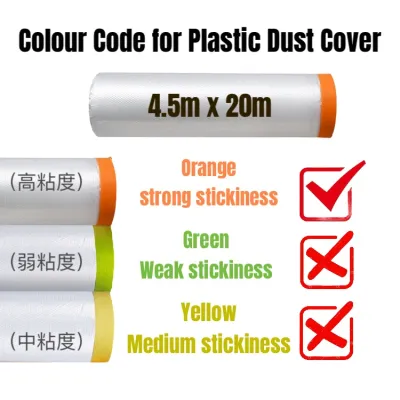
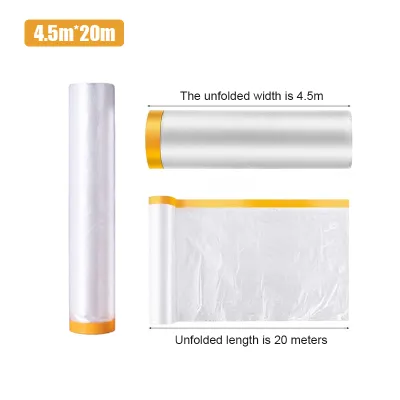
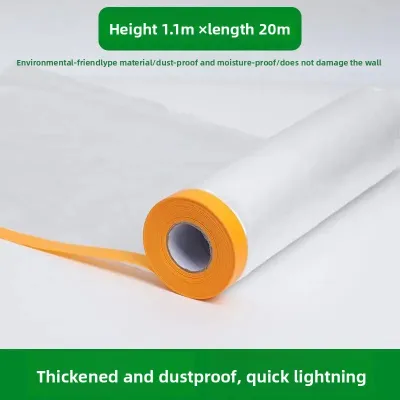
![[2-3 Days Delivery] 4.5m x 20m Plastic Dust Cover Protective Plastic Sheet Disposable Furniture Dustproof Cover Protective Cover Plastic Cover Plastic Film for Home Improvement CNY Gift Present](https://img.lazcdn.com/g/p/37fceab8fc43d4b3b58593d55aae9bcb.jpg_400x400q80.jpg_.webp)
Prices are valid at publication and may change. Please refer to the product page for the latest price.
Surface treatments also play a major role in how the cover performs and looks. Frosted finishes are particularly useful because they prevent the plastic from sticking flat against glossy wood or glass surfaces, which otherwise creates unsightly air bubbles and traps moisture. High-gloss finishes offer maximum clarity but require careful handling to avoid scratches. Additionally, many covers feature textured or anti-slip backings to keep the plastic securely in place without the need for adhesives.
Finally, accurate measurements are vital because plastic does not stretch like fabric. Always measure the maximum width, depth, and height of your furniture piece, including any protruding armrests or legs. When selecting a pre-made cover, allow a sizing tolerance of at least one to two inches of extra room to ensure you can install and remove the cover easily without straining the seams.
Matching Plastic Covers to Specific Furniture Pieces
A single, generic plastic sheet rarely provides adequate protection for an entire home. Mixed furniture sets feature varying contours, joint configurations, and usage patterns that require specialized cover designs to remain functional and secure.

Sofas and Sectionals
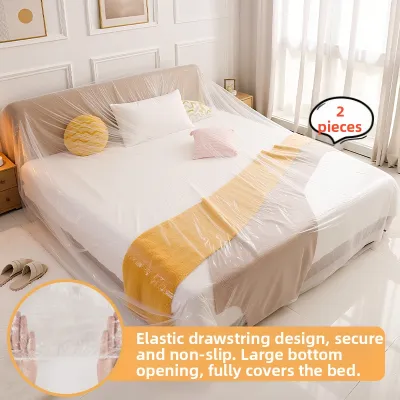
Upholstered seating requires covers that stay in place despite constant shifting and body weight. Look for plastic covers equipped with deep tucking channels, elasticized hems, or integrated tie-downs that anchor the plastic deep into the sofa creases. Without these features, the plastic will slide, bunch up, and create an uncomfortable, noisy seating experience every time someone sits down.
Modular sectionals present a unique challenge due to their moving joints and variable configurations. Instead of attempting to drape a single massive sheet over the entire setup, select individual, form-fitting covers for each modular piece. This preserves the flexibility of your seating arrangement, allows you to use reclining features if present, and prevents tension tears at the sectional joints where movement naturally occurs.
Comfort and breathability are essential for daily-use sofas. While plastic is inherently non-breathable, choosing a textured or slightly frosted cover can reduce the sticky sensation of bare skin against the plastic, especially in warm climates. For long-term storage, ensure the sofa is completely dry before covering to prevent musty odors from developing in the deep foam cushions. If you have pets, opting for a thicker, puncture-resistant vinyl cover will protect the delicate fabric underneath from sharp claws.
Dining Chairs and Stools
Dining chairs experience frequent movement, sliding, and lifting, which demands a highly secure fit. Stretch-fit plastic blends, which incorporate elastic borders or flexible vinyl panels, conform tightly to the seat and backrest without slipping. Rigid, pre-shaped slipcovers are better suited for formal dining chairs that remain stationary for long periods, though they may require manual adjustment after use.
If you regularly stack your stools or dining chairs for storage, ensure the covers are thin enough to allow nesting. Bulky or overly thick plastic covers can prevent chairs from stacking securely, creating an unstable stack and a potential tipping hazard in your storage area. The covers should also be trimmed to the correct height so they do not drag on the floor, which can accumulate dirt or cause a tripping hazard.
Dining environments are highly prone to food and liquid spills. Select covers that feature heat-sealed seams rather than stitched seams, as liquid can easily seep through needle holes and stain the upholstery beneath. The surface should be smooth enough to wipe clean instantly with a damp cloth, minimizing cleanup time and eliminating the need for frequent machine washing.
Tables, Desks, and Hard Surfaces
Hard surfaces like wooden dining tables, writing desks, and coffee tables require thick, impact-resistant plastic to guard against scratches, pen indentations, and dropped objects. A thickness of 1.5mm to 2mm is generally recommended for active work or dining surfaces to provide a solid barrier that absorbs daily impacts without tearing.
Heat resistance is a critical factor for dining tables. Before placing hot plates, mugs, or serving dishes on a plastic cover, check the manufacturer’s specifications for the maximum temperature limit. Many standard PVC covers can warp, cloud, or even melt when exposed to high heat, so using trivets or heat-resistant mats remains necessary even with a cover in place.
To keep flat covers from sliding off polished wood or glass tables, look for options with weighted edges or utilize small, clear anti-slip adhesive pads at the corners. This prevents the cover from shifting when items are dragged across the surface, protecting both the table and your glassware. In humid environments like Singapore, using a frosted underside is highly recommended to prevent the plastic from sticking to the table finish and trapping moisture, which can ruin the wood’s lacquer.
Installation, Care, and Maintenance Guidelines
Before draping any plastic cover over your furniture, perform a thorough pre-installation check. Ensure the furniture surface is completely clean and free of dust, oils, or polish residue. Most importantly, the item must be entirely dry; trapping even a tiny amount of moisture beneath a non-porous plastic sheet can lead to mold growth, wood warping, or ruined fabric. In humid climates, let the furniture air out for a few hours after cleaning before applying the cover.
Maintain the clarity and appearance of your plastic covers by cleaning them regularly with mild, non-abrasive soap and lukewarm water. Avoid harsh chemical sprays, bleach, or abrasive scrubbing pads, which can scratch the surface, strip away protective coatings, and cause the plastic to become permanently cloudy. After wiping, dry the cover with a soft microfiber cloth to prevent water spots from forming.
Over time, all plastic covers will show signs of wear. Inspect your covers periodically for severe yellowing, brittleness, or a sticky residue on the surface. These symptoms indicate that the plasticizers are breaking down, and the cover should be replaced immediately to prevent the degraded material from bonding to or damaging your furniture’s finish.
Verification Checklist for Online Purchases
When shopping on e-commerce platforms, avoid relying solely on generic size labels like “medium” or “large.” Always cross-reference the listed product dimensions with your own physical measurements, keeping in mind that you should allow a small margin for seam allowances and easy fitting.
Examine product descriptions carefully for vague marketing terms such as “heavy-duty” or “premium quality.” Look for concrete specifications, such as the exact material composition (e.g., 100% EVA) and the precise thickness in millimeters or mils, to ensure you are getting the durability you expect. Checking the shipping weight of the package can also give you a realistic clue about the density and thickness of the plastic.
Review user feedback specifically for comments regarding fit, chemical odors, and material flexibility. Additionally, verify the seller’s return policy before purchasing, as returning a bulky or pre-cut plastic cover can be difficult if it does not fit your specific furniture configuration.
Frequently Asked Questions (FAQ)
Will a clear plastic cover turn yellow over time?
Discoloration is a common characteristic of many clear plastics when they are exposed to environmental factors. Ultraviolet (UV) light from the sun breaks down the chemical bonds within materials like PVC, leading to a gradual yellowing and loss of flexibility. To minimize this effect, check the product specifications for UV-resistant additives or stabilizers during your purchase. Additionally, positioning your covered furniture away from direct sunlight, such as windows or open glass doors, remains the most effective way to prolong the clarity of the plastic.
Can I use a plastic dust cover on leather furniture?
Using a non-breathable plastic cover on genuine leather furniture carries significant risks. Leather is a natural, porous material that needs to breathe to maintain its moisture balance; trapping air and humidity beneath a plastic barrier can cause the leather to sweat, leading to mold, mildew, or cracking of the finish. Before applying any plastic cover, consult your furniture manufacturer’s care guidelines to verify compatibility. If the manufacturer advises against plastic, consider using a breathable fabric protector, such as a cotton canvas drop cloth, to shield the leather from dust without trapping moisture.
Community discussion
Share your experience or ask a question. Comments are reviewed before publication.