
Protecting furniture during a home renovation requires selecting a plastic drop sheet that matches the specific hazards of your project, such as paint splatters, fine drywall dust, or heavy debris. While plastic is highly effective at blocking liquids and dust, choosing the wrong thickness or material type can lead to torn sheets, damaged furniture finishes, or trapped moisture.
In humid tropical environments, managing moisture and static electricity is particularly critical to prevent mold growth and dust accumulation on covered items. To secure your belongings, you must evaluate the physical dimensions of your furniture, the duration of the renovation, and the specific types of paint or tools being used. A systematic approach to selecting, measuring, and applying plastic drop sheets ensures your sofas, cabinets, and tables remain pristine throughout the dusty disruption of a remodel.
Understanding Plastic Drop Sheet Materials and Structural Types
Plastic drop sheets are primarily manufactured from polyethylene, but their structural properties vary significantly based on the density and manufacturing process. Low-density polyethylene (LDPE) is the most common material used for lightweight, flexible drop sheets. It drapes easily over irregular shapes, such as ornate chair backs or curved sofas, making it highly adaptable for quick coverage.
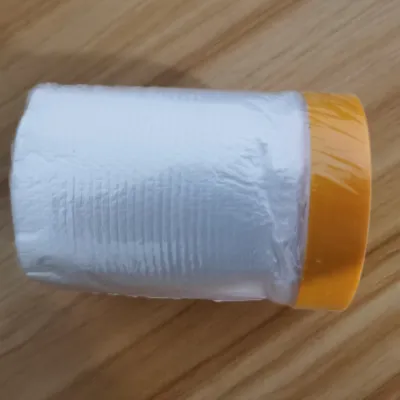
Products mentioned in this guide
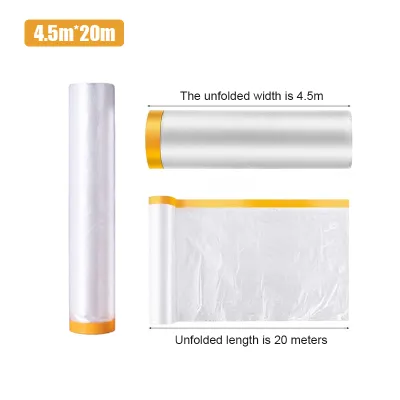
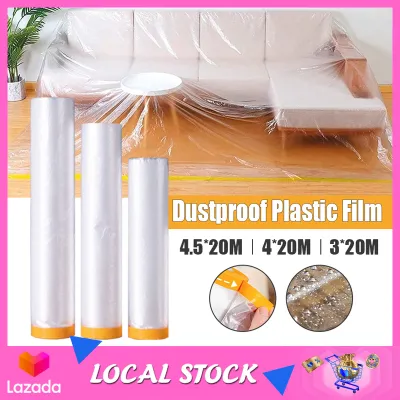
![[SG SELLER]Plastic Dust Cover Dust Prevention Renovation Drop Sheet Protective Plastic Film Furniture Dustproof Cover Paintproof Waterproof Cover Sheet Rolls](https://img.lazcdn.com/g/p/d2c82f6cde5eed649a28d487364fc7d2.png_400x400q80.png_.webp)
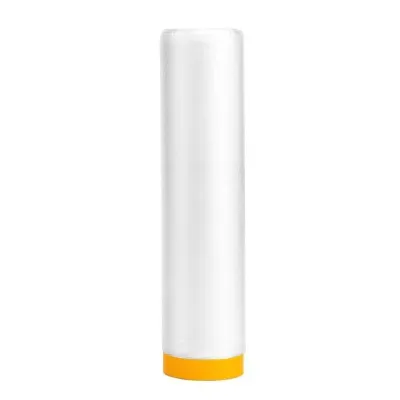
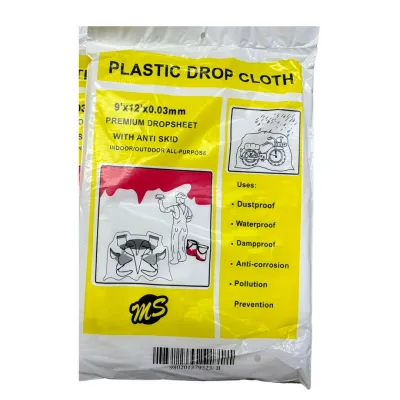
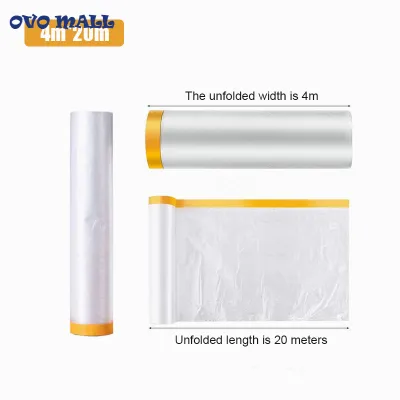
![[2-3 Days Delivery] 4.5m x 20m Plastic Dust Cover Protective Plastic Sheet Disposable Furniture Dustproof Cover Protective Cover Plastic Cover Plastic Film for Home Improvement CNY Gift Present](https://img.lazcdn.com/g/p/37fceab8fc43d4b3b58593d55aae9bcb.jpg_400x400q80.jpg_.webp)
Prices are valid at publication and may change. Please refer to the product page for the latest price.
However, standard LDPE is susceptible to punctures from sharp corners or tools. High-density polyethylene (HDPE) offers greater tensile strength and stiffness, which provides better resistance to tearing but makes the sheet less pliable and more prone to rustling or sliding off smooth surfaces.
For more demanding environments, reinforced or woven plastic drop sheets incorporate a cross-hatched grid of synthetic fibers. This structural reinforcement prevents small punctures from spreading into large tears, making them suitable for covering heavy furniture that may be shifted during the renovation.
While woven plastics are exceptionally durable, they are stiffer and bulkier, which can make them difficult to wrap tightly around smaller or more delicate items.
The manufacturing process also determines the surface characteristics of the plastic. Some sheets undergo anti-static treatments to reduce the static charge that naturally attracts fine dust particles. Others feature textured or embossed surfaces designed to increase friction, reducing the likelihood of the sheet slipping off the furniture or causing a slip hazard when draped onto the surrounding floor.
It is important to note that material names alone do not guarantee specific performance levels. You must verify the manufacturer’s specifications and product labels to confirm tear resistance and surface treatments for your specific application.
Key Selection Criteria for Effective Furniture Protection
When comparing plastic drop sheets, thickness is one of the most reliable indicators of durability and protection level. Thickness is typically measured in mils (one-thousandth of an inch) or microns.

Ultra-thin sheets, often labeled as “painter’s plastic” and measuring under 1 mil (less than 25 microns), are highly flexible and economical for dust protection but tear easily under minimal stress. Medium-duty sheets ranging from 1 to 2 mils (25 to 50 microns) offer a balanced compromise, providing sufficient resistance to paint splatters and light handling.
Heavy-duty sheets, measuring 3 mils (75 microns) or more, are necessary for areas subjected to heavy foot traffic, tool placement, or sharp debris.
Dimensional planning is equally critical to ensure complete coverage. Drop sheets are sold either as pre-cut individual sheets or as continuous rolls. Pre-cut sheets are convenient for isolated items like a single dining table or armchair, but they often leave seams when draped over larger furniture groupings.
Continuous rolls allow you to cut custom lengths, minimizing seams and ensuring a continuous barrier. When calculating the required dimensions, always account for the height and depth of the furniture, adding at least 30 to 50 centimeters of extra material at the base to allow for secure anchoring and floor overlap.
Surface treatments should be verified directly on the product packaging. Anti-static properties are highly beneficial when dealing with sanding dust, as they prevent the dust from clinging to the outer surface of the plastic and transferring to your clothes or hands during removal.
Slip-resistant textures are essential if the plastic will drape onto walking paths or if you need to stack protected items.
Additionally, consider the compatibility of the plastic with masking tapes. Some plastics are treated to help painter’s tape adhere securely, while untreated, high-slip plastics may repel adhesives, causing the tape to fail mid-project.
Conversely, certain low-grade plastics can react chemically with adhesive backings or delicate furniture finishes under high temperatures, leaving sticky residues or causing discoloration. Always check the manufacturer’s guidelines regarding tape compatibility and surface safety.
Matching Drop Sheets to Specific Renovation Hazards
Different renovation tasks present distinct hazards that require specific drop sheet profiles. For painting and liquid-based projects, the primary goal is liquid impermeability. Standard plastic sheets excel at blocking wet paint, varnishes, and solvents, but you must ensure that any seams are thoroughly sealed with moisture-resistant tape.
Without proper sealing, liquids can seep through overlaps via capillary action, drawing paint directly onto the furniture underneath. If you are using solvent-based paints or chemical strippers, verify that the plastic material is chemically resistant, as some thin plastics can dissolve or weaken when exposed to harsh solvents.
Sanding, drywall installation, and demolition generate fine, airborne dust that can penetrate the smallest gaps. For these hazards, static control and complete enclosure are paramount. Fine dust carries a static charge and will migrate toward uncovered surfaces.
Using anti-static plastic sheets helps neutralize this attraction, making it easier to wipe down or vacuum the covered area before removing the plastic. To prevent dust from escaping, the furniture must be completely wrapped and sealed on all sides, creating a pressurized micro-environment that isolates the item from the surrounding room.
Heavy debris and structural demolition require a level of puncture resistance that standard thin plastics cannot provide. If walls are being knocked down or heavy fixtures are being replaced, falling plaster, wood splinters, and metal fasteners will easily slice through standard polyethylene.
In these scenarios, you must use heavy-duty plastic sheets of at least 4 to 6 mils, or supplement the plastic with rigid corrugated plastic boards or heavy canvas overlays to absorb physical impacts.
For extended renovations where furniture must remain covered for weeks or months, long-term storage hazards come into play. Plastic is non-breathable, which creates a high risk of moisture trapping, especially in humid tropical climates.
Daily temperature fluctuations can cause condensation to form on the inner surface of the plastic, leading to mold growth, wood warping, or finish clouding on leather and solid wood furniture. For long-term protection, you must periodically peel back the plastic to inspect the furniture, or use a breathable fabric base layer beneath the plastic sheet to absorb minor moisture fluctuations.
Pre-Purchase Measurement and Verification Checklist
Before purchasing your protective materials, a systematic measurement process will prevent under-ordering and minimize waste. Begin by measuring the height, width, and depth of each piece of furniture you plan to protect.
To calculate the total square meterage required for a single item, use the formula: Total Area = (Width + 2x Height) x (Depth + 2x Height). This formula ensures the sheet is long and wide enough to drape completely to the floor on all sides.
When covering multiple items grouped together, add an extra 10% to 15% to your total calculation to account for overlapping seams, which should overlap by at least 30 centimeters and be taped securely.
Comparing unit pricing is the most effective way to find value across different brands and packaging sizes. Instead of comparing the flat price per roll, calculate the cost per square meter by dividing the retail price by the total square meterage of the roll.
For example, if a roll costs S$12.00 and covers 30 square meters, the unit cost is S$0.40 per square meter. Often, purchasing a larger bulk roll of medium-duty plastic is more cost-effective than buying multiple small, pre-cut sheets, even if some material is left over.
You must also verify physical storage and transport constraints. Large, heavy-duty plastic rolls can be surprisingly heavy and bulky. Ensure that the roll dimensions and weight are manageable for transport and can easily pass through your home’s entryways, tight corridors, stairwells, or residential lifts.
Finally, establish a verification checklist when reading product labels in the store or online. Confirm that the product is explicitly rated for construction or painting use.
If your renovation involves hot work, such as welding, soldering, or using heat guns, check for fire-retardant certifications on the label to comply with local safety standards. Lastly, review the disposal instructions; some modern plastics are recyclable or made from recycled content, which can influence your selection if environmental impact is a key consideration.
Safe Application, Securing, and Removal Practices
The effectiveness of a plastic drop sheet depends heavily on how it is applied, secured, and removed. Before draping any plastic, perform a thorough pre-application check. Ensure that all furniture surfaces are completely clean, dry, and free of dust or oils.
Trapping even a small amount of moisture or abrasive dust beneath the plastic can lead to mold growth or surface scratches as the plastic shifts during the renovation.
Securing the plastic requires selecting the correct adhesive tape to avoid damaging the underlying furniture. Never use high-tack duct tape or standard packaging tape directly on finished wood, leather, veneer, or glass, as these adhesives can strip finishes, leave permanent residue, or cause chemical discoloration.
Instead, use a high-quality, low-tack painter’s tape designed for delicate surfaces. Apply the tape to inconspicuous areas first to test for compatibility, and ensure the tape is rated for the duration of your project, as some tapes become difficult to remove if left in place for more than a few days.
To prevent fine dust from migrating upward under the plastic, create a tight seal at the base of the furniture. Wrap the plastic completely around the legs or base, securing it with painter’s tape or heavy-duty rubber bands.
If the furniture is too heavy to lift, drape the plastic so it pools on the floor, and weight the edges down with sandbags, clean bricks, or heavy timber blocks wrapped in scrap fabric to prevent them from scratching the floor.
When the renovation is complete, the removal process must be executed carefully to avoid dispersing accumulated dust back into the room. Do not rip the plastic off quickly. Instead, carefully peel away the securing tape, and fold the plastic inward, trapping the dust, paint chips, and debris on the inside of the fold.
Work slowly from the top of the furniture downward. Once folded, place the dirty plastic directly into a heavy-duty disposal bag. If you plan to reuse the plastic, wipe it down with a damp cloth while it is still draped, allow it to dry completely, and inspect it thoroughly for punctures before folding and storing.
Frequently Asked Questions (FAQ)
Can I reuse plastic drop sheets for multiple renovation projects?
Reusing plastic drop sheets is highly practical if the material is thick enough to withstand multiple uses without tearing. Before attempting to reuse a sheet, lay it flat and inspect it thoroughly for micro-tears, punctures, or thinned areas that could compromise its protective barrier. You must also check for embedded dust, dried paint flakes that might peel off, or degraded anti-static properties.
If the sheet was used during heavy sanding or chemical stripping, single-use is strongly recommended to prevent cross-contamination of fine dust or chemical residues onto your furniture. For light dust protection, you can wipe the sheet down with a damp cloth, let it dry completely, and fold it neatly for future use.
Are canvas or fabric drop cloths a better alternative to plastic for furniture?
Canvas and fabric drop cloths offer distinct advantages over plastic, particularly regarding breathability, weight, and slip resistance. Unlike plastic, canvas allows air to circulate, which significantly reduces the risk of moisture condensation and mold growth on sensitive materials like solid wood, leather, or delicate upholstery during long-term storage. Canvas is also highly durable, naturally slip-resistant, and drapes heavily over furniture without rustling.
However, standard canvas is not completely liquid-proof; heavy paint spills or liquid solvents can seep through the fabric over time. For optimal protection, a hybrid approach is often best: place a breathable fabric or canvas sheet directly over the furniture to protect the finish, and layer a plastic drop sheet on top to block liquid penetration.
Community discussion
Share your experience or ask a question. Comments are reviewed before publication.