
The ideal plastic cover sheet for furniture repair or protection is not a one-size-fits-all solution. Instead, the right choice depends on your specific project goals—whether you need high optical clarity to showcase a wood grain, impact resistance to protect a delicate glass tabletop, or moisture resistance to shield a vanity in a humid environment. Common materials like acrylic, polycarbonate, and polyvinyl chloride (PVC) each offer distinct trade-offs in workability, durability, and appearance. Selecting the correct sheet requires matching these material characteristics to the physical demands of your furniture and the environmental conditions of your home.
Matching Plastic Materials to Specific Furniture Tasks
When selecting a plastic cover sheet, your primary repair or protection objective should dictate the material category you choose. For surface protection on wooden dining tables, study desks, or coffee tables, the goal is to prevent scratches, ink stains, and water rings while keeping the natural wood grain visible. Acrylic is often chosen for its glass-like clarity, but you must check the manufacturer’s surface hardness rating (such as the pencil hardness scale) to ensure it resists scratching. Flexible PVC sheets are also popular for quick, removable protection, but they can sometimes cling unevenly or react with certain wood varnishes, so verifying compatibility is essential.
For impact and shatter resistance, such as protecting glass cabinet inserts, high-traffic table edges, or outdoor balcony furniture, safety is the primary concern. In homes with active households, standard glass or brittle plastics can pose a hazard if struck. Polycarbonate is highly regarded for its impact resistance, making it virtually shatterproof under normal household conditions. However, you should verify the specific impact ratings and thickness recommendations from the manufacturer rather than assuming any clear plastic sheet will withstand heavy drops.
Products mentioned in this guide
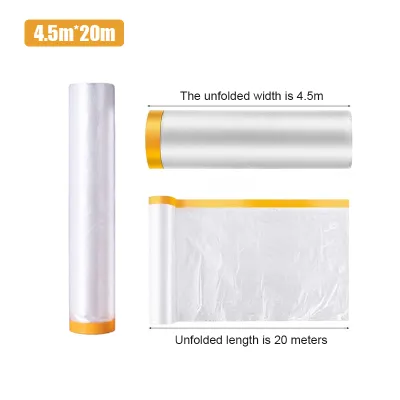
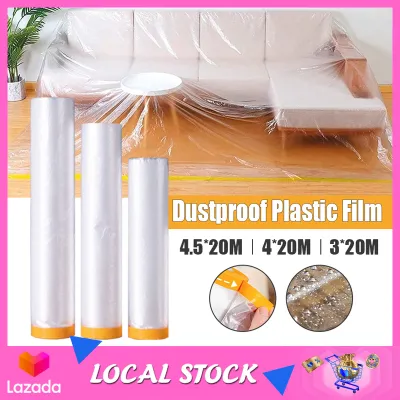
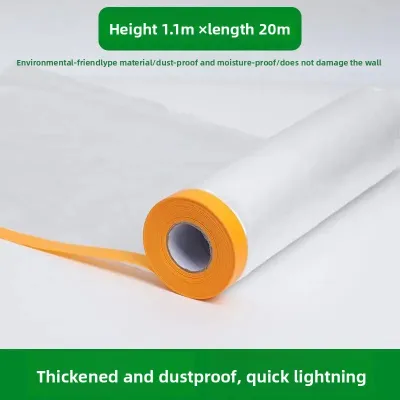
![[SG Stock] Plastic Dust Cover / Furniture Protection Dust Cover Protective Plastic Sheet Cover For Home Improvement Home Cleaning Protect From Dust Paint Whitewash Powder Dropping CNY Gift Present](https://img.lazcdn.com/g/p/37fceab8fc43d4b3b58593d55aae9bcb.jpg_400x400q80.jpg_.webp)
Prices are valid at publication and may change. Please refer to the product page for the latest price.
Moisture and chemical resistance are critical when dealing with bathroom vanities, kitchen countertops, or laundry area shelving. These surfaces face constant exposure to water splashes, high humidity, and household cleaning agents. Non-porous plastics like PVC or specialized acrylic sheets can act as effective barriers. Before installation, verify the material’s chemical compatibility chart to ensure it will not cloud or degrade when exposed to common household disinfectants, alcohol-based cleaners, or soapy water.
Finally, for structural reinforcement, such as backing for sagging cabinet shelves, drawer bottoms, or lightweight shelving units, rigidity is key. Thin, flexible sheets will fail under load. Instead, look for thicker, rigid sheets and assess their load-bearing limits. You must verify how the sheet behaves across a specific span and ensure the existing support frame or anchoring method can handle both the weight of the plastic and the items placed upon it.
Comparing Core Material Properties for Furniture Use
Understanding how different plastics behave when cut, shaped, and exposed to daily household conditions is essential for a successful DIY project. Workability varies significantly across materials. Acrylic is rigid but can crack or chip if cut with the wrong tools; it typically requires specialized plastic cutters or fine-toothed saw blades. Polycarbonate is much more forgiving, as it can be drilled or cut with standard woodworking tools without easily cracking, though it is more prone to surface scratching during the fabrication process. Flexible PVC is the easiest to work with, often requiring only a utility knife or heavy-duty shears, making it highly accessible for quick DIY tasks. Always consult the manufacturer’s fabrication guidelines before attempting to cut or drill any plastic sheet.

Optical clarity and UV resistance are also major factors, especially if your furniture sits near a sunny window or on an open balcony. Standard acrylic offers excellent initial clarity—often surpassing glass—and generally resists yellowing over time. Polycarbonate, while incredibly tough, can yellow and lose clarity under direct sunlight unless you specifically select a UV-stabilized variant. Flexible PVC may also cloud or become brittle when exposed to prolonged sunlight and high ambient temperatures.
Heat and chemical tolerance must also be evaluated. Household furniture frequently encounters hot coffee mugs, warm plates, and various cleaning chemicals. Acrylic has moderate heat resistance but can warp or soften if subjected to high temperatures; it is also sensitive to solvents like acetone and strong alcohol. Polycarbonate handles higher temperatures better but is still susceptible to chemical clouding from harsh alkaline cleaners. PVC has relatively low heat tolerance and can easily deform under hot items, meaning coasters or heat-resistant mats are always required on top of the cover.
| Material Type | Primary Strength | Workability | UV & Heat Resistance | Key Verification Check |
|---|---|---|---|---|
| Acrylic | High optical clarity, scratch resistance | Rigid; requires careful scoring or fine-toothed blades | Good UV resistance; moderate heat tolerance | Check pencil hardness rating and solvent compatibility |
| Polycarbonate | Exceptional impact resistance, shatterproof | Easy to drill and cut; prone to surface scratches | Requires UV-stabilized grade; high heat tolerance | Verify impact rating and UV-stabilization specs |
| Flexible PVC | Highly flexible, easy to cut, budget-friendly | Very easy; cut with utility knife or heavy shears | Poor UV resistance; low heat tolerance | Check for plasticizer migration and varnish compatibility |
Measuring, Cutting, and Installing the Cover Sheet
Accurate measurements are critical, especially when fitting a sheet to finished furniture dimensions. You must account for material-specific thermal expansion and contraction. In warm, humid climates, plastics can expand slightly. Leave a small expansion gap (typically a few millimeters, depending on the sheet size and manufacturer instructions) between the edge of the plastic and any solid borders or walls. If the sheet is meant to overhang a table, ensure the overhang does not create a snagging hazard or destabilize the cover. Additionally, when purchasing large sheets, verify that the dimensions will fit through your doorways, hallways, and lift access points before transport.
When cutting rigid sheets like acrylic or polycarbonate, keep the protective masking film on the material to prevent accidental scratches. For straight cuts on acrylic, use the “score and snap” method with a dedicated plastic scoring tool, running it along a clamped straightedge multiple times before applying even downward pressure to snap the sheet. Once cut, the edges will be sharp and potentially dangerous. Use fine-grit sandpaper (starting with 120-grit and finishing with 400-grit or higher) wrapped around a sanding block to gently ease and smooth the sharp edges, working in one direction to avoid melting the plastic through friction.
Securing the sheet safely without damaging the underlying furniture requires careful planning. For temporary table covers, non-slip silicone pads or clear double-sided tape designed for furniture can keep the sheet in place. However, you must verify that the adhesive will not chemically react with the furniture’s finish or the plastic sheet itself. For permanent vertical applications, such as cabinet backings, mechanical fasteners (screws with pre-drilled, oversized holes to allow for expansion) are often more reliable than adhesives, which can fail over time due to temperature fluctuations and humidity. Ensure the anchoring method distributes weight evenly to maintain stability and prevent warping.
Limitations and When to Seek Professional Replacement
While a plastic cover sheet is excellent for surface protection and minor cosmetic repairs, it cannot restore structural integrity to severely damaged furniture. If a load-bearing wooden leg, support beam, or main frame is cracked or broken, placing a plastic sheet over or around it will not make the piece safe to use. These situations require professional furniture repair, structural reinforcement with appropriate timber or metal hardware, or official replacement parts. Attempting to load-test a compromised structure with a simple plastic cover can lead to sudden collapse and injury.
Applying plastic covers to antique, valuable, or heirloom furniture carries significant risks. Impermeable plastic sheets can trap ambient moisture underneath, creating a microclimate that promotes mold growth, wood rot, or warping. Furthermore, the adhesives used to secure these sheets, or even the plasticizers in flexible PVC, can chemically react with historical finishes like shellac, lacquer, or wax, causing irreversible clouding or peeling. For these pieces, consult a professional conservator before applying any synthetic covers.
DIY furniture repairs must prioritize safety. If your project involves heavy overhead panels, large glass-to-plastic replacements in high-traffic areas, or integrating plastic covers near electrical components (such as built-in media console lighting), stop and consult a qualified professional. Ensure that any plastic used near light fixtures or electronics has the appropriate flame-retardant ratings and does not block necessary ventilation pathways, which could lead to heat buildup and fire hazards.
Frequently Asked Questions (FAQ)
Can I use a plastic cover sheet over a freshly painted or varnished table?
No, you should not apply a plastic cover sheet over freshly painted or varnished surfaces until they are fully cured. While a finish may feel dry to the touch within a few hours, the chemical curing process can take several weeks. Impermeable plastics trap escaping solvents and moisture, which can lead to a cloudy appearance, bubbling, or permanent adhesion of the plastic to the finish. Always refer to the paint or varnish manufacturer’s guidelines for the complete curing timeline, and test a small, hidden area before covering the entire surface.
How do I clean cloudy or scratched acrylic furniture covers?
To clean acrylic covers without causing damage, use a soft microfiber cloth dampened with mild dish soap and lukewarm water. Avoid using ammonia-based glass cleaners, household disinfectants, or abrasive sponges, as these can chemically degrade the plastic, leaving a permanent cloudy residue or creating micro-scratches. For minor surface scratches, you can check for specialized, non-abrasive plastic polishing compounds, applying them gently according to the product instructions to restore clarity.
Will a plastic cover sheet protect my wood furniture from humidity changes?
A plastic cover sheet only protects the immediate surface it covers from direct liquid spills, stains, and physical scratches. It does not seal the furniture completely from ambient humidity. Moisture in the air can still penetrate the unsealed underside, edges, and joints of the wood, causing it to expand, contract, or warp over time. To protect wood furniture from humidity-related movement, ensure that all exposed wooden surfaces are properly sealed with a suitable varnish or sealant before adding a protective plastic cover.
Community discussion
Share your experience or ask a question. Comments are reviewed before publication.