
Protecting your home furniture from dust, spills, and environmental wear requires selecting a plastic dust cover that matches your specific storage needs, furniture materials, and home climate. While a simple plastic sheet might seem like a universal solution, choosing the wrong material or fit can lead to trapped moisture, surface scratches, or chemical reactions that damage delicate finishes. By understanding the distinct properties of different plastics and matching them to your specific furniture pieces, you can ensure your belongings remain pristine whether they are stored in a spare room, shielded during a home renovation, or protected during a move.
Key Factors to Consider Before Buying a Plastic Dust Cover
Before purchasing any plastic cover, it is essential to define its primary purpose. Temporary covers used during a quick weekend painting project do not require the same durability or thickness as covers intended for long-term storage in an unventilated room. For active-use furniture, you will want a cover that is easy to remove and clean, whereas storage covers need to provide a more secure, comprehensive seal against dust and pests.
Evaluating your indoor environment is another critical step, particularly regarding humidity levels and ventilation. In warm, humid climates, non-breathable plastic covers can trap ambient moisture against the furniture surface. This trapped humidity creates an ideal breeding ground for mold and mildew, which can permanently ruin fabric upholstery and warp solid wood. If your storage area lacks consistent airflow, you must look for covers that allow some ventilation or plan to use moisture-absorbing packets underneath the plastic.
Products mentioned in this guide
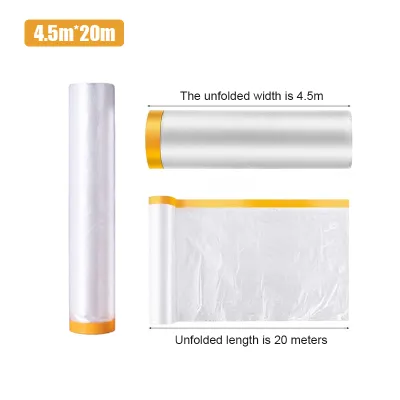
![[SG SELLER]Plastic Dust Cover Dust Prevention Renovation Drop Sheet Protective Plastic Film Furniture Dustproof Cover Paintproof Waterproof Cover Sheet Rolls](https://img.lazcdn.com/g/p/d2c82f6cde5eed649a28d487364fc7d2.png_400x400q80.png_.webp)
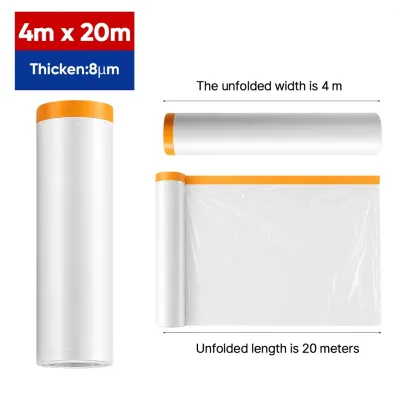
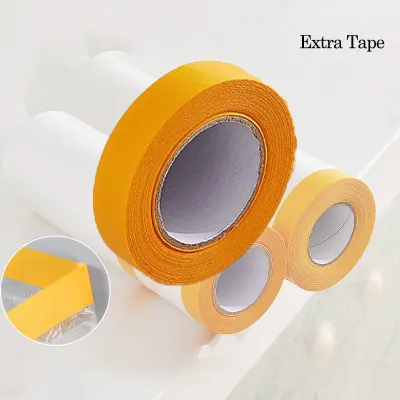
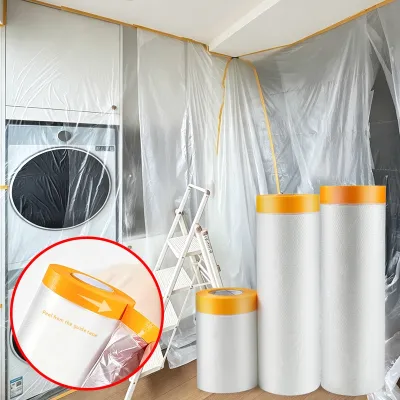
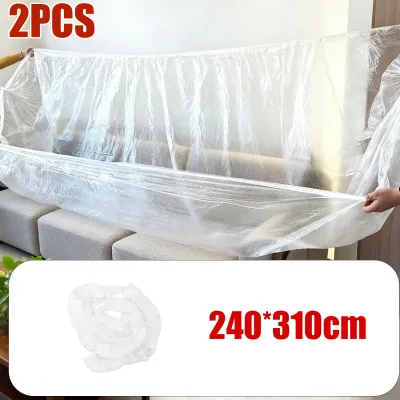
Prices are valid at publication and may change. Please refer to the product page for the latest price.
Surface compatibility is a frequently overlooked factor that can cause irreversible damage to high-end furniture. Certain types of plastic contain plasticizers—chemical additives used to make the material flexible—which can migrate over time and react with leather, vinyl, or uncured wood varnishes. This reaction can leave sticky residues, cloudy patches, or permanent discoloration on your furniture’s finish. Always verify if a plastic cover is rated as safe for delicate surfaces, or consider placing a soft cotton sheet underneath the plastic as a protective barrier.
Finally, consider the aesthetic impact and transparency of the cover based on where the furniture is located. In active living spaces, frosted or semi-opaque covers can soften the visual clutter of covered items, making the room look tidier. Conversely, in dedicated storage rooms, garages, or attics, highly transparent covers are incredibly practical, allowing you to identify specific chairs, tables, or stored boxes at a glance without having to lift or remove the protective layers.
Common Types of Plastic Materials for Furniture Covers
Understanding the differences between common plastic materials allows you to choose a cover that balances flexibility, durability, and surface safety. Most retail options are made from PVC, PE, or EVA, each offering distinct physical properties.

PVC (Polyvinyl Chloride) Covers
PVC is widely recognized for its high transparency and structural rigidity, making it an excellent choice for display cabinets, bookshelves, or any furniture where visibility is a priority. Because PVC is relatively heavy and thick, it drapes well over sharp corners and provides a robust physical barrier against spills, dust, and physical impacts.
However, new PVC covers often exhibit a distinct plastic odor, known as off-gassing, caused by volatile organic compounds. It is highly recommended to check the manufacturer’s instructions regarding ventilation and to let a new PVC cover air out in a well-ventilated space before placing it over upholstered items or inside closed rooms. Additionally, PVC can become brittle in cold conditions and may degrade or yellow under direct, prolonged sunlight, so it is best suited for temperature-controlled indoor environments.
PE (Polyethylene) and EVA Covers
Polyethylene (PE) is a highly flexible, lightweight plastic that is commonly used for temporary applications, such as moving bags or disposable drop cloths. PE covers are highly cost-effective, often costing under S$10, making them ideal for short-term protection during home renovations or transport. However, because thinner PE can puncture or tear easily when dragged against sharp furniture corners, it is crucial to verify the mil thickness on the product packaging before purchasing.
Ethylene-vinyl acetate (EVA) serves as a softer, more rubber-like alternative to both PVC and PE. Because EVA is highly flexible and contains fewer harsh plasticizers, it is significantly less likely to scratch delicate wood finishes or stick to leather surfaces over time. This makes EVA covers a preferred choice for high-value furniture pieces that require long-term dust protection without the risk of surface abrasion. When shopping, look for heavy-duty EVA options that specify tear resistance and reinforced edges for maximum longevity.
Matching Dust Covers to Specific Furniture Pieces
Different types of furniture present unique protection challenges, meaning a one-size-fits-all plastic sheet is rarely sufficient. Matching the cover design to the specific item ensures both security and safety.
Upholstered Furniture (Sofas and Chairs)
Covering sofas and armchairs requires a secure fit to prevent the plastic from sliding off irregular shapes, especially if the room experiences occasional drafts or foot traffic. Look for covers equipped with elasticized bottom hems, adjustable drawstrings, or integrated tie-down straps. These features keep the cover snugly anchored around the base of the furniture, preventing dust from blowing underneath.
For leather upholstery, extreme caution is necessary. Sealing leather tightly in non-breathable plastic for extended periods can trap moisture, leading to mold growth and dry rot. Always check your leather manufacturer’s care guidelines before covering; if you must use a plastic cover, ensure it is draped loosely to allow air circulation, or place a breathable fabric sheet between the leather and the plastic. To improve comfort on covered chairs that are still occasionally used, opt for frosted or textured plastics, which reduce the sticky, uncomfortable feel of bare skin against smooth plastic.
Mattresses and Bed Frames
Mattresses and bed frames are particularly vulnerable to dust mites, moisture, and physical damage during moves or renovations. Because mattresses are heavy and awkward to handle, standard flat plastic sheets will easily slip off or tear. Instead, opt for mattress-specific storage bags made from heavy-gauge plastic with reinforced seams.
These specialized bags typically feature secure zip closures or heavy-duty adhesive seals that completely encase the mattress, keeping out dust, moisture, and pests. Before sealing a mattress inside a plastic bag, ensure it is completely clean and bone-dry; even a small amount of trapped perspiration or humidity can lead to extensive mold growth inside the sealed environment. For bed frames with sharp wooden or metal corners, wrap the corners in bubble wrap or cardboard before applying the plastic cover to prevent punctures.
Cabinets and Shelving Units
Tall, vertical furniture like bookshelves, display cabinets, and wardrobes require covers that offer easy access and clear visibility. Custom-fit or adjustable covers with vertical zipper openings or Velcro closures allow you to access stored items without having to remove the entire cover.
Clear PVC is highly advantageous for shelving units, as it allows you to view books, collectibles, or stored documents clearly. When selecting a cover for these items, measure the exact outer dimensions carefully, making sure to account for any protruding hardware such as handles, hinges, or decorative crown molding. A cover that is too tight can put pressure on these delicate parts or tear at the stress points.
How to Measure and Verify Fit for Custom or Universal Covers
An ill-fitting dust cover not only looks untidy but also fails to provide adequate protection. If the cover is too small, it will stretch, stress the seams, and potentially tear; if it is too large, it will drape onto the floor, gathering dirt and creating a tripping hazard.
To get an accurate measurement, use a metal measuring tape and record the maximum height, width, and depth of your furniture. For sofas, measure from the outermost edge of one armrest to the opposite armrest to find the maximum width. For height, measure from the highest point of the backrest down to the floor, or slightly above the floor if you want to prevent the plastic from dragging. Always measure the deepest point of the furniture, which may include a slanted backrest or protruding legs.
Once you have the exact dimensions, apply the allowance rule. It is generally recommended to add a small margin—typically 2 to 5 centimeters—to the width and depth measurements to ensure the cover can be slipped on and off easily without catching or tearing. When reviewing product listings on online marketplaces, pay close attention to whether the stated dimensions refer to the flat, unshaped plastic sheet or the actual three-dimensional fitted volume of the cover.
Additionally, if you plan to move the furniture while it is covered, consider the logistics of your home layout. Ensure the covered dimensions will still fit through your doorways, narrow hallways, stairwells, or lift doors. In high-rise apartments, a bulky, heavily padded cover can make navigating tight corners and lift access significantly more challenging, so verifying these clearances beforehand is essential.
Maintenance and Care for Plastic Furniture Covers
Proper maintenance of your plastic dust covers extends their usable life and ensures they continue to protect your furniture effectively. Over time, dust, pet hair, and spills will accumulate on the exterior of the cover, requiring regular cleaning.
To clean a plastic cover, avoid harsh chemical solvents, bleach, or abrasive scrubbing pads, which can scratch, cloud, or degrade the plastic material. Instead, wipe the surface gently with a damp microfiber cloth and a mild dish soap solution. For stubborn spots, a soft-bristled brush can be used gently, but avoid applying excessive pressure that could puncture the plastic.
After cleaning, drying the cover thoroughly is the most critical step. Hang the cover in a well-ventilated, shaded area and allow it to air-dry completely on both sides before folding or reusing it. Folding a damp cover will trap moisture, leading to mildew growth, unpleasant odors, and unsightly water spots that can transfer onto your furniture.
When the covers are not in use, store them properly to prevent creasing and material breakdown. Fold the covers loosely or, ideally, roll them around a clean cardboard tube to avoid sharp creases that can weaken the plastic over time. Store them in a cool, dry place away from direct sunlight, as prolonged UV exposure can cause the plastic to become brittle and crack. Finally, always perform a quick safety check for tears, thinning areas, or broken seams before reusing a cover, especially when preparing to protect high-value items like mattresses or antique wooden tables.
Frequently Asked Questions (FAQ)
Can plastic dust covers trap moisture and cause mold on furniture?
Yes, completely sealing non-breathable plastic covers over damp furniture or using them in high-humidity environments can trap moisture, which often leads to mold or mildew growth. To mitigate this risk, ensure that your furniture is completely dry and clean before covering it. For long-term storage, avoid sealing the bottom of the cover completely to allow for natural air circulation, or place silica gel desiccant packets underneath the cover to absorb any trapped ambient humidity.
Are clear plastic covers better than opaque ones for dust protection?
Both clear and opaque plastic covers offer identical levels of physical dust protection, so the choice depends entirely on your visibility and aesthetic preferences. Clear covers are highly practical for storage rooms, attics, or garages because they allow you to identify the covered furniture or stored items instantly without removing the protection. On the other hand, opaque or frosted covers are often preferred for active living areas because they hide visual clutter, do not show surface scratches or water spots as easily, and can offer slightly better resistance to direct sunlight.
Community discussion
Share your experience or ask a question. Comments are reviewed before publication.