
Selecting the ideal outdoor furniture cover in Singapore requires balancing two opposing forces: keeping torrential tropical rain out while letting trapped moisture escape. The city-state’s unique climate—marked by sudden, heavy downpours followed immediately by intense equatorial heat and near-saturated humidity—creates a greenhouse effect under poorly chosen covers. Without the right material, a cover can easily turn into a moisture trap, accelerating mold growth, wood rot, and metal corrosion on the very furniture it is meant to protect.
To safeguard your balcony, patio, or garden investments, the most effective solution is a high-quality woven synthetic fabric, such as solution-dyed polyester or acrylic, that features a water-resistant outer barrier combined with built-in ventilation or a breathable inner membrane. While completely impermeable materials like heavy-duty vinyl offer excellent water exclusion, they often fail in humid environments unless they are heavily vented. Understanding how different materials interact with Singapore’s climate is the first step toward making an informed purchase that extends the lifespan of your outdoor living space.
Key Material Properties for Tropical Weather Protection
To withstand the rigors of tropical weather, an outdoor furniture cover must excel in three distinct areas: water resistance, breathability, and ultraviolet (UV) stability.
Products mentioned in this guide
![🇸🇬 [New Product Sale] Heavy Duty Outdoor Furniture Cover Waterproof Rainproof Tear and Fade Resistant](https://img.lazcdn.com/g/p/ff06093c393005e90b10d4599bd3bea1.jpg_400x400q80.jpg_.webp)
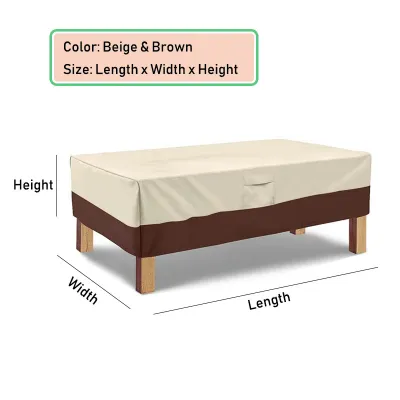
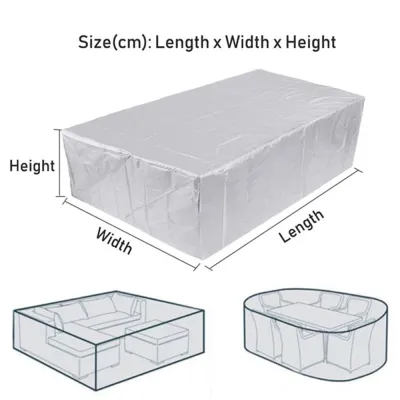
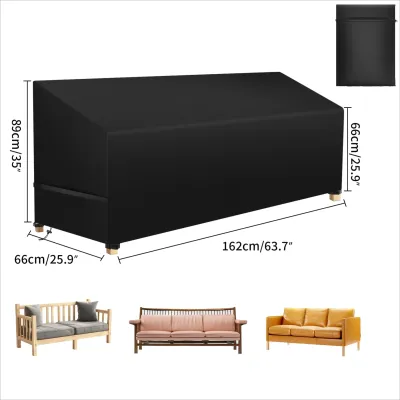
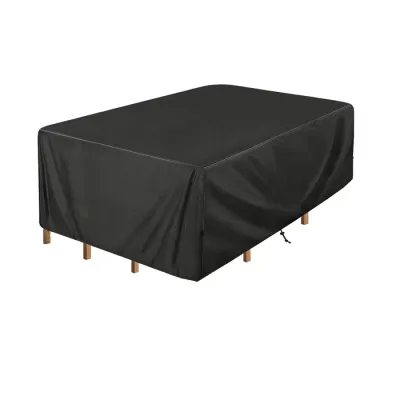
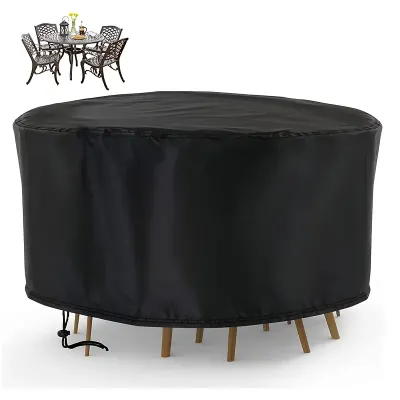
Prices are valid at publication and may change. Please refer to the product page for the latest price.
Many homeowners assume a completely waterproof cover is ideal, but absolute waterproofing can be counterproductive. True waterproofing, often achieved with thick plastic or PVC backings, prevents water from passing in either direction. For Singapore’s heavy rain, look for covers with a high hydrostatic head rating on the product label, which indicates the fabric’s ability to resist water pressure before leaking. Additionally, check if the cover features sealed or taped seams; standard stitched seams have tiny needle holes that easily let water seep through during prolonged monsoon downpours.
High humidity means moisture is always present in the air. When the temperature rises after a rainstorm, water trapped under a non-breathable cover evaporates, condenses on the underside, and creates a warm, damp environment perfect for mold and mildew. Breathable covers utilize specialized membranes that allow microscopic water vapor molecules to escape while keeping larger liquid water droplets out. If the fabric itself is not inherently breathable, the cover must feature strategically placed, hooded air vents that promote continuous airflow without letting rain drift inside.
The equatorial sun is exceptionally harsh, and UV radiation quickly degrades untreated synthetic fibers. Over time, constant sun exposure breaks down the chemical bonds in plastics and fabrics, leading to fading, brittleness, and tearing. When evaluating covers, check for built-in UV inhibitors or fabrics that are solution-dyed, meaning the color pigments are added during the fiber creation process rather than printed on top. This ensures the material retains its strength and color despite year-round exposure on an open balcony or rooftop terrace.
Evaluating Common Cover Materials and Their Trade-offs
No single material is perfect for every scenario, so choosing the right cover involves weighing the trade-offs of common options against your specific budget and protection needs.

Woven polyester is one of the most popular choices due to its excellent balance of weight, strength, and affordability. High-denier polyester (such as 600D or higher) offers high tear resistance, making it resilient against sharp furniture corners and strong winds. However, polyester relies heavily on protective surface coatings, such as polyurethane (PU) or polyacrylate, to achieve water resistance. Over time, these coatings can degrade under intense heat, so it is essential to check the manufacturer’s care instructions to maintain the protective layer.
Vinyl covers are highly valued for their absolute waterproofing capabilities and heavy weight, which keeps them stable during sudden wind gusts. They are exceptionally easy to wipe clean and completely block rain. The primary drawback in a humid climate is their complete lack of breathability, which can trap moisture and lead to rapid mold growth on wooden or wicker furniture. If you choose vinyl, ensure the design includes generous, mesh-lined vents to facilitate air circulation.
Traditional canvas offers a classic look and excellent natural breathability, allowing moisture to escape easily. However, untreated canvas absorbs water rather than repelling it, making it highly susceptible to rotting and mold in a tropical climate. Even treated canvas requires frequent reapplication of water-repellent sprays and takes a long time to dry after a storm. For most Singaporean households, the high maintenance requirements of canvas make it less practical than modern synthetic alternatives.
Often considered the premium standard for outdoor fabrics, solution-dyed acrylics offer outstanding UV resistance, colorfastness, and water repellency. Because the fibers are dyed to the core, they do not fade easily and maintain their structural integrity for years. While these covers represent a higher initial investment—often costing upwards of S$100 to S$150 depending on the size of the furniture set—their durability and superior performance in harsh sunlight make them a highly cost-effective long-term choice for exposed areas.
Matching the Cover to Your Furniture and Usage Pattern
Selecting the right material is only half the battle; the cover must also match the physical characteristics of your furniture and how you intend to use it.
Different furniture materials require different protective features. For instance, natural wooden furniture, such as teak, must “breathe” to prevent rot and warping, making highly breathable woven fabrics essential. Metal furniture, on the other hand, is prone to scratching if the cover is rough; look for covers with soft, non-abrasive inner linings, such as fleece or brushed polyester, to protect painted or powder-coated finishes. Wicker and rattan furniture have textured surfaces that can snag on loose weaves, so a smooth, tightly woven inner surface is preferred.
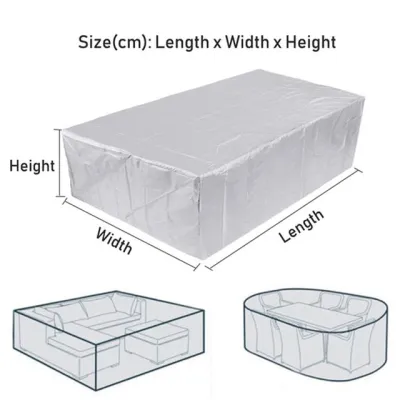
A poorly fitting cover can cause more harm than good. If a cover is too large, water will pool in the sagging areas, creating heavy puddles that stretch the fabric and eventually seep through. Conversely, a cover that is too tight is difficult to put on and take off, increasing the risk of tearing at the corners. Always measure the finished dimensions of your furniture set—including depth, width, and height—and select a cover that leaves a small ground clearance of about two to five centimeters to allow air to flow from underneath while preventing the hem from dragging in standing water.
Singapore’s convective storms and monsoon winds can easily lift and blow away loose covers. Relying solely on the weight of the cover is rarely sufficient. Look for covers equipped with robust fastening systems, such as adjustable drawcords along the hem, click-close straps that secure around the furniture legs, and elastic hems. These features ensure the cover remains firmly anchored during sudden squalls, preventing wind lift and keeping your furniture dry.
Maintenance and Care to Extend Cover Lifespan
Even the highest-quality cover will degrade prematurely if neglected in a humid environment. Proper maintenance is key to preserving its protective qualities.
Organic debris, such as fallen leaves, bird droppings, and dust, can accumulate on the cover and hold moisture, creating a breeding ground for mold. Regularly sweep or hose down the cover to remove these contaminants. Never fold or store a damp cover; always allow it to air dry completely in a well-ventilated, shaded area before packing it away. Storing a wet cover, even for a few days, can ruin the fabric and cause permanent mold stains.
If mold does appear, address it promptly before it penetrates the fabric fibers. Avoid using harsh household chemicals like bleach or ammonia, as these can strip away the water-resistant coatings and damage UV inhibitors. Instead, use a mild soap solution, lukewarm water, and a soft-bristled brush to gently scrub the affected areas. Rinse thoroughly with clean water to remove all soap residue, which can otherwise attract dirt and compromise water repellency.
When your outdoor furniture is in active use, store the covers in a cool, dry, and shaded location. Avoid leaving them crumpled on the ground where they can collect dirt and pests. Many high-quality covers come with dedicated storage bags made of breathable mesh or fabric, which help protect the cover from dust while allowing any residual moisture to evaporate.
Frequently Asked Questions (FAQ)
How often should I replace my outdoor furniture cover in a tropical climate?
In a tropical climate, a cover’s lifespan depends heavily on its material quality and sun exposure, but you should generally look for observable signs of wear to determine when to replace it. Check the inner lining regularly; if you notice the waterproof polyurethane coating is peeling, flaking, or cracking, the cover can no longer keep water out. Another clear signal is when water no longer beads on the surface but instead soaks directly into the fabric. Additionally, inspect the seams for stretching or tearing, and feel the fabric to see if it has become brittle or paper-thin from UV exposure, as these structural failures mean the cover is nearing the end of its useful life.
Can I use a standard tarp as a substitute for a fitted furniture cover?
While a standard utility tarp is an inexpensive temporary option, it is not recommended as a long-term substitute for a fitted furniture cover. Tarps are completely flat and non-breathable, which leads to severe water ponding in the center and traps high levels of humidity underneath, accelerating mold and rust. They also lack tailored fastening points, making them highly susceptible to wind lift during storms. If you must use a tarp temporarily, place an object (like a bucket or a ball) in the center of the furniture to create a slope that allows rainwater to drain off, and use heavy-duty bungee cords to secure the edges tightly to prevent flapping.
Community discussion
Share your experience or ask a question. Comments are reviewed before publication.