
A ladder shelf is an exceptional space-saving solution for small Singapore flats because its graduated, open-frame design maximizes vertical storage while maintaining visual openness. Unlike bulky, solid bookcases that can make a tight HDB living room or bedroom feel cramped, a ladder shelf tapers as it rises, leaving more physical and visual breathing room at eye level. This unique silhouette allows you to utilize vertical wall space efficiently without sacrificing the airy flow of your home.
Assessing Spatial Constraints in Compact Singapore Flats
In modern Singapore apartments, floor space is a premium resource. Walkways must remain unobstructed to comply with safety and comfort, leaving homeowners with limited options for traditional, deep furniture. A heavy, boxy cabinet blocks natural light and casts deep shadows, which visually shrinks an already compact room.
Choosing a ladder shelf addresses these spatial challenges by prioritizing footprint efficiency. The angled design naturally draws the eye upward, creating an illusion of higher ceilings and a more spacious environment. Because the shelves become progressively shallower toward the top, the unit feels physically lighter and less imposing than standard shelving. This makes it an ideal choice for narrow corridors, small study nooks, or the tight space adjacent to a living room television console.
Products mentioned in this guide
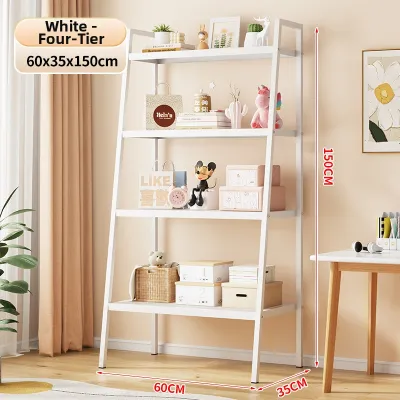
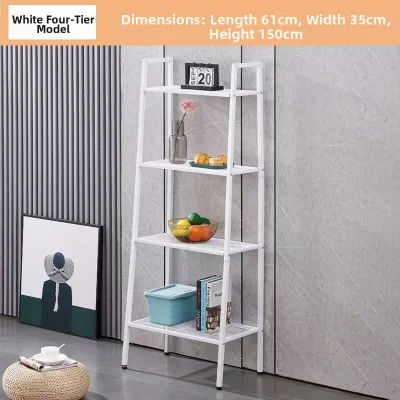
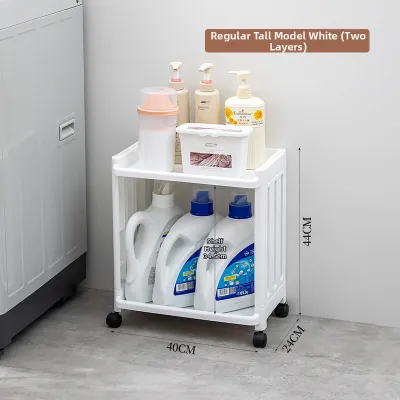
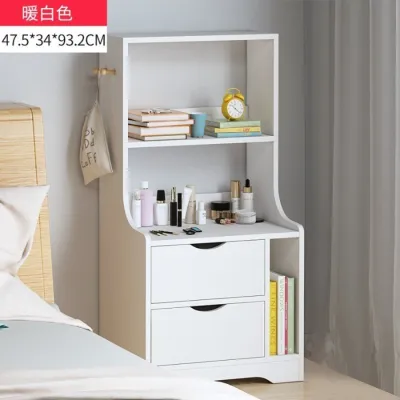
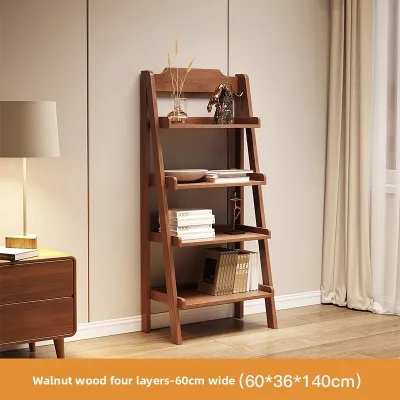
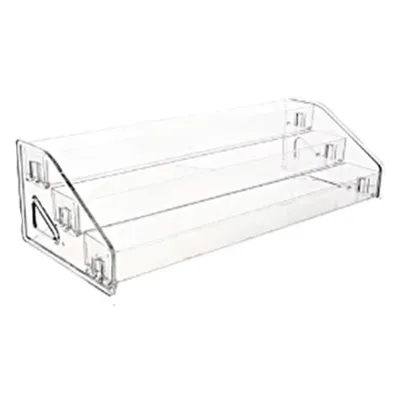
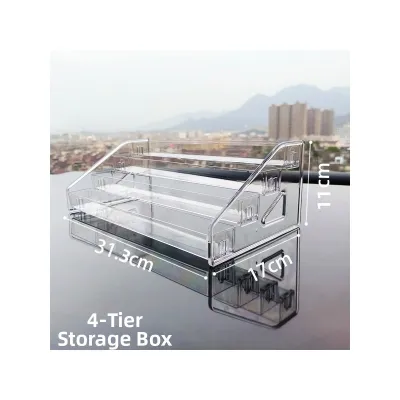
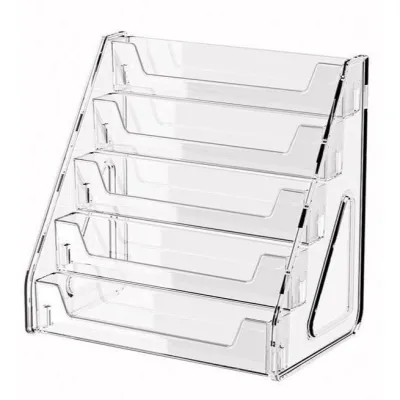
Prices are valid at publication and may change. Please refer to the product page for the latest price.
Determining the Right Ladder Shelf Dimensions
Selecting the right ladder shelf dimensions requires balancing your storage needs with the physical boundaries of your room. You must consider how the width, depth, and height of the unit will interact with your daily movement and existing furniture layout.

Width and Depth Considerations
When evaluating a ladder shelf, the depth of the bottom tier is the most critical dimension for your floor plan. High-traffic walkways in your flat require at least 70 to 90 centimetres of clear space for comfortable passage. If you are placing the shelf in a narrow hallway or near a dining table, look for a unit with a maximum bottom depth of 30 to 35 centimetres to prevent accidental bumps.
For tight corners or small alcoves, narrow-width shelves ranging from 40 to 60 centimetres are highly effective. However, you must verify the actual usable shelf depth versus the overall frame depth. Because of the angled frame, the usable depth decreases with each higher tier. A bottom shelf may comfortably hold a 30-centimetre storage basket, while the top tier might only accommodate a 10-centimetre decorative item or a small plant pot.
Height and Tier Count Configurations
Standard Singapore apartments typically feature ceiling heights between 2.6 and 2.8 metres. A tall ladder shelf standing between 1.6 and 1.8 metres high is excellent for maximizing vertical storage. However, you must check for overhead obstacles before committing to a tall unit. Air-conditioning trunking, ceiling fans, curtain tracks, and wall-mounted light fixtures can easily obstruct a tall shelf.
There is also a direct trade-off between the number of tiers and the vertical clearance of each shelf. A five-tier shelf of the same height as a four-tier shelf will naturally offer less vertical space between levels. If you plan to store tall items like A4 folders, large novels, or cascading indoor plants, a four-tier configuration with greater vertical clearance is more practical. For smaller items like photo frames, smart home speakers, and small ornaments, a five-tier option provides more organizational segments.
Measuring and Preparing Your Installation Space
Before purchasing a ladder shelf, complete a thorough physical assessment of your intended installation spot to ensure a perfect fit.
- Measure the vertical trajectory: Do not just measure the floor space. If you are choosing a leaning model, project the angle of the lean upward to ensure the top of the shelf does not conflict with wall-mounted items like air-conditioning units or artwork.
- Account for skirting boards: Most HDB flats feature skirting boards along the base of the walls, typically measuring 1.5 to 2 centimetres in thickness. If a leaning shelf frame does not have a recessed base or angled legs designed to clear this skirting, the bottom of the unit will be pushed away from the wall, altering the lean angle and reducing stability.
- Map out utility outlets: Identify the locations of power sockets, light switches, and fiber termination points. Ensure the vertical uprights or the solid back of the shelf will not block access to these essential ports, or choose a modular design that leaves these areas accessible.
- Check door and window clearances: Verify that bedroom doors, wardrobe doors, and window panels can open fully without striking the frame of the shelf. A conflict of even a few millimetres can cause daily frustration and potential damage to your furniture.
Comparing Ladder Shelf Configurations for Small Layouts
Different ladder shelf designs offer varying levels of stability, installation flexibility, and spatial efficiency. Understanding these differences helps you choose the best match for your living situation.
- Freestanding (Leaning or A-Frame): Leaning models rely on the wall for support, offering a sleek, minimalist aesthetic that is highly popular in modern Scandinavian-style interiors. They are excellent for renters because they require minimal wall alteration, though they do demand a completely flat wall surface. A-frame models are entirely self-supporting and can be placed anywhere, even serving as stylish room dividers between a living and dining area. However, A-frame models occupy more floor depth because of their double-sided leg structure.
- Wall-Mounted (Floating): These models secure directly to the wall, leaving the floor completely clear. This is a massive advantage for small flats as it makes floor cleaning effortless and allows robotic vacuums to navigate without obstacles. However, installation requires drilling into HDB concrete walls, which requires a hammer drill and appropriate masonry wall plugs. You must also check for concealed electrical wiring or water pipes before drilling.
- Folding or Collapsible: Highly versatile and ideal for multi-functional spaces, folding ladder shelves can be packed flat and stored away when not in use. This configuration is perfect if you need temporary storage for guest rooms or seasonal displays. The primary trade-offs are structural stability and weight capacity, as the folding joints and hinges can wear down over time under heavy loads.
Common Sizing and Placement Mistakes to Avoid
To ensure your ladder shelf is both functional and safe, avoid these common sizing and placement errors:
- Ignoring the progressive shelf depth: Many buyers assume they can fit standard-sized storage boxes on every level. Always check the individual dimensions of each tier before purchasing storage accessories.
- Creating traffic bottlenecks: Placing a deep shelf in a narrow corridor or right next to the main entrance gate can restrict movement, making it difficult to carry groceries or move larger items through the home.
- Overloading the upper tiers: Placing heavy items like thick books, heavy ceramic pots, or printers on the top shelves raises the center of gravity. This makes freestanding units top-heavy and prone to tipping. Always place your heaviest items on the bottom tier to maintain structural stability.
- Neglecting delivery and transit dimensions: A common oversight is purchasing a pre-assembled tall shelf without measuring your building's lift doors, corridor turns, or your flat's entrance door. To avoid delivery issues, flat-pack or modular ladder shelves are highly recommended, as they can be easily transported in compact boxes and assembled directly in the designated room.
Frequently Asked Questions (FAQ)
Do I need to anchor a leaning ladder shelf to the wall?
Yes, anchoring a leaning ladder shelf is highly recommended for safety and stability. While some designs are stable under normal conditions, vibrations from nearby sliding doors, heavy foot traffic, or washing machines can cause minor shifts over time. If your household includes young children or pets, anchoring the unit to the wall using the manufacturer-provided safety brackets is essential to prevent accidental tip-overs.
Will a tall ladder shelf fit through my HDB lift and doors?
Tall, fully assembled ladder shelves can be difficult to maneuver through standard HDB passenger lifts, which typically have door heights of around 2.0 to 2.1 metres. To prevent delivery complications, always check the packaged dimensions before purchasing. Opting for flat-pack or modular designs is the safest approach, as the compact boxes easily fit into standard lifts and can be assembled directly inside your flat.
Community discussion
Share your experience or ask a question. Comments are reviewed before publication.