
The right kopitiam plastic chair design depends on matching its footprint to your space constraints—such as compact apartment dining nooks versus spacious open-plan layouts—and aligning its color and texture with your interior aesthetic. By evaluating these physical dimensions and design details alongside practical durability factors, you can seamlessly integrate this nostalgic, highly functional seating style into a modern home.
Understanding the Kopitiam Chair Aesthetic for Modern Homes
The classic kopitiam plastic chair is defined by its highly recognizable utilitarian profile: a lightweight, stackable frame, durable molded plastic construction, distinct backrest cutouts, and sturdy, flared legs. Originally designed to withstand the high-traffic, fast-paced environment of traditional coffee shops, these chairs have transcended their commercial roots to become a beloved design element in residential spaces. Their minimalist, highly functional form offers a perfect blend of practical durability and cultural nostalgia, making them an excellent choice for homeowners looking to create a relaxed, welcoming dining atmosphere.
Bringing this casual seating into a modern home dining setup allows you to inject personality and a sense of local heritage into your decor. However, successful integration requires a thoughtful approach. Because these chairs carry a strong association with casual public spaces, placing them in a residential setting requires balancing their inherent simplicity with the home’s existing spatial and aesthetic constraints. When selected carefully, they do not just serve as functional seats; they become intentional design choices that bridge the gap between retro charm and modern utility.
Products mentioned in this guide
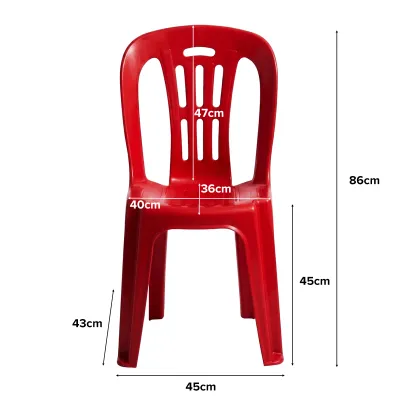
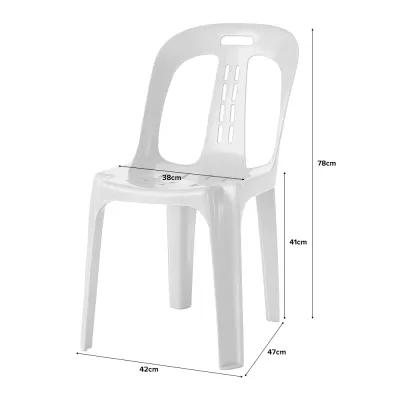
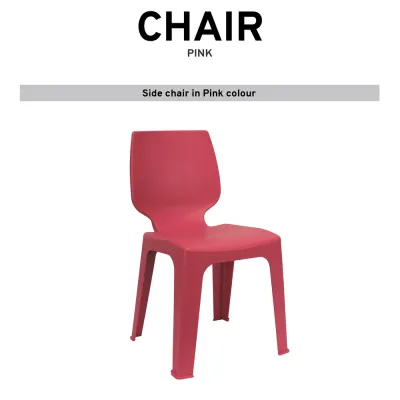
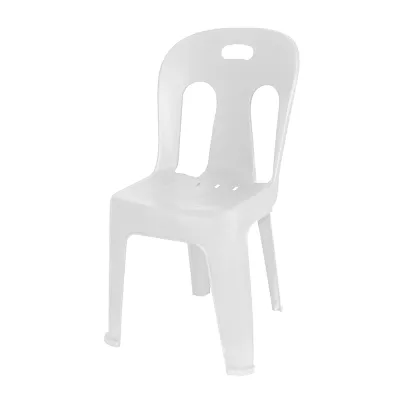
![[TheGoodFurniture] Plastic chair with backrest Stackable Coffeeshop Kopitiam Budget Washable Quality Simple and nice. Classic design. Colourful. F&B. Canteen Pantry Office. Work from Home. Tuition. HBL. SOLD IN BUNDLE OF 2 or 4](https://img.lazcdn.com/g/p/21a0a03a3186c345811ce4d11c7ac2f2.jpg_400x400q80.jpg_.webp)
Prices are valid at publication and may change. Please refer to the product page for the latest price.
Matching Chair Designs to Your Dining Space Constraints
Before selecting a specific chair design, it is essential to analyze the physical layout of your dining area. Unlike heavy, upholstered dining chairs, plastic kopitiam chairs offer unique spatial advantages, particularly regarding weight and stackability. However, their physical footprint and visual weight must still align with your available floor plan to ensure comfortable movement and a balanced room layout.

Compact Apartment Dining Nooks and Balconies
For smaller dining areas, such as typical apartment dining nooks or semi-outdoor balconies, armless and highly stackable kopitiam chair designs are ideal. These streamlined profiles minimize both the physical and visual footprint of the seating arrangement, allowing the chairs to be tucked completely under the dining table when not in use. This capability is crucial for maintaining clear walkways and preventing a small dining space from feeling cramped or cluttered.
When planning a compact setup, precise measurements are key to ensuring comfortable daily use. Consider the following structural and spatial guidelines:
- Table Clearance: Ensure there is a minimum of 60 to 70 centimeters of clearance between the edge of the dining table and the nearest wall or piece of furniture. This provides enough space for a person to pull the chair out and sit down comfortably without hitting the wall.
- Walkway Width: Maintain a clear walkway of at least 90 centimeters behind the dining chairs when they are occupied, allowing household members to pass by easily without disrupting those dining.
- Stacking Height and Storage: If you plan to use these chairs as flexible seating that is only brought out for guests, check the vertical clearance of your storage closet or utility area to ensure a stacked column of four to six chairs can fit comfortably.
- Access and Delivery: While individual plastic chairs are lightweight and easy to carry, verify that a stacked bundle can easily pass through your apartment's doorway and fit inside the passenger lift during delivery.
Spacious Open-Concept Dining Areas
In larger, open-concept homes, space-saving is less of a priority than visual presence and physical comfort. Standard, slim-profile plastic chairs can easily look undersized or lost when placed around a large dining table in an expansive room. To prevent this visual imbalance, look for kopitiam chair designs that feature wider seat pans, integrated armrests, or slightly bulkier retro-style molds that carry more visual weight.
These larger profiles hold their own against expansive island counters or long, solid wood dining tables. To create a cohesive look in a large space, consider how the chairs are arranged. Rather than placing a long, uniform row of identical armless chairs, which can look overly commercial, try mixing styles. For example, you can use classic armless kopitiam chairs along the sides of the table and place matching versions with armrests at the head and foot of the table to anchor the arrangement.
Another effective strategy for large open-plan layouts is a staggered or mismatched arrangement. Utilizing different but complementary colors of the same chair design can break up the visual monotony of a large dining set. This approach adds a layer of playful sophistication, turning a large dining area into a dynamic focal point of the home rather than a sterile eating zone.
Aligning Kopitiam Chair Colors and Textures with Your Interior Style
Integrating plastic chairs into a residential interior requires a careful selection of colors and surface finishes. Because plastic is a highly versatile material, it can adapt to various design themes, from vibrant retro spaces to clean, minimalist environments, depending on how you coordinate its visual properties.
Retro, Bohemian, and Eclectic Interiors
For homes that embrace warmth, nostalgia, or a vibrant mix of design eras, traditional saturated colors are an excellent choice. Classic kopitiam red, deep cobalt blue, or bright forest green can serve as intentional, eye-catching accent pieces that pay direct homage to vintage local design. These bold colors work exceptionally well when paired with other retro elements like patterned floor tiles, warm wood paneling, or mid-century modern furniture.
To enhance this nostalgic aesthetic, look for chairs that feature textured backrests, ribbed seat pans, or vintage-style structural molds. These physical details mimic the classic mid-century manufacturing styles and pair beautifully with natural home textures like woven rattan, warm teak wood, and terracotta.
When styling bold, colorful plastic chairs in an eclectic or bohemian space, consider these balancing techniques:
- Limit the Palette: Stick to one or two primary chair colors to keep the dining area looking cohesive rather than chaotic.
- Soften the Surfaces: Introduce soft, natural fabrics, such as linen seat cushions or woven throw blankets, to break up the hard, solid surfaces of the plastic.
- Incorporate Greenery: Place potted indoor plants and natural ceramic tableware nearby to ground the space, ensuring the dining area feels warm and residential rather than commercial.
Minimalist, Scandinavian, and Industrial Setups
If your home features clean lines, neutral tones, and a highly modern aesthetic, you can adapt the kopitiam chair by choosing monochrome options. Matte black, crisp white, or muted pastel tones (such as sage green, warm beige, or dusty blue) allow the iconic silhouette of the chair to stand out without overwhelming the room’s quiet color palette.
The utilitarian nature, clean lines, and geometric ventilation cutouts of these chairs make them a natural fit for industrial and minimalist setups. They complement raw concrete floors, matte black metal fixtures, and light Scandinavian wood finishes beautifully, adding a touch of functional simplicity to the space.
To maintain a premium, sophisticated feel in a minimalist home, avoid high-gloss plastic finishes, which can look overly synthetic under modern LED lighting. Instead, opt for matte or micro-textured plastic surfaces. These subtle textures diffuse light softly rather than reflecting it sharply, mimicking the high-end feel of premium composite materials while retaining all the practical, low-maintenance benefits of molded plastic.
Practical Considerations for Daily Home Use
Transitioning a commercial-style chair into a daily-use residential dining chair requires evaluating its comfort, structural integrity, and maintenance requirements. While these chairs are incredibly durable, understanding their physical limits ensures they remain safe and comfortable for your family over the long term.
Comfort and Ergonomics While molded plastic offers a degree of natural flexibility that conforms to the body, sitting on a hard plastic surface for extended periods—such as long family dinners or work-from-home sessions—can become uncomfortable. To improve the ergonomics of your setup, consider adding washable seat cushions. Cushions with non-slip backings or simple tie-on straps work exceptionally well. They provide essential padding and offer an easy way to introduce new textures and colors to your dining set, allowing you to refresh the look of the chairs whenever you like.
Durability and Weight Capacity Before purchasing, always verify the manufacturer’s specified weight capacity to ensure structural safety. High-quality, residential-grade plastic chairs typically support a load capacity of between 120 and 150 kilograms. Inspect the underside of the seat pan before buying; look for molded reinforcing ribs that run across the bottom of the seat. These structural supports are critical for preventing the plastic from sagging, bowing, or cracking under consistent daily use.
Maintenance and Quality Checks Because molded plastic is non-porous, it is highly resistant to liquid spills and food stains, making it incredibly easy to clean. For daily maintenance, simply wipe the chairs down with a damp microfiber cloth and mild soapy water to prevent sticky residues from building up.
When shopping for budget-friendly variants, perform a quick physical quality check. Run your hand along the edges of the backrest, seat, and legs to inspect for sharp mold lines or plastic flashing left over from the manufacturing process. High-quality chairs undergo a thorough trimming process to ensure all edges are smooth and safe, preventing snags on clothing or accidental scratches on skin. Additionally, place the chair on a flat surface to check its stability, and ensure the legs are fitted with non-marking rubber or plastic glide caps to protect your indoor flooring from scratches.
Sunlight Exposure and UV Resistance If your dining table is positioned near sun-drenched windows, glass sliding doors, or on an open balcony, check the product specifications for UV-resistance ratings. Standard plastics can become brittle, fade, and crack over time when exposed to intense UV rays. If the manufacturer does not explicitly state that the chair is UV-stabilized, keep it away from direct sunlight to preserve its structural integrity and color.
Mixing and Matching: Kopitiam Chairs with Different Table Materials
Pairing utilitarian plastic chairs with premium table surfaces is an excellent way to create a sophisticated, high-low design contrast. This approach prevents the dining setup from looking too casual while showcasing your personal style.
Solid Wood Tables Pairing plastic kopitiam chairs with a solid wood dining table, such as teak or oak, creates a beautiful contrast between warm, organic textures and clean, industrial lines. To make this pairing feel intentional, try matching the leg finish of the chairs to the wood tone of the table. Alternatively, choosing matte black plastic chairs can create a bold, modern frame around a warm wooden table, highlighting the natural beauty of the wood grain.
Marble and Sintered Stone Tables Marble and sintered stone tables offer a sleek, premium look, but they can sometimes feel cold and sterile. Pairing them with plain plastic chairs can emphasize this coldness if not styled correctly. To bridge the visual gap, introduce natural, textured accessories to soften the transition. Consider using woven seagrass placemats, a textured linen table runner, or brass-accented tableware to add warmth and depth to the setup.
Creating Design Cohesion To ensure your mixed-material dining set looks cohesive rather than accidental, establish a clear visual connection between the table and the chairs. If your dining table features matte black metal legs, pairing it with black plastic chairs or chairs with black metal underframes creates an instant visual link. You can also coordinate the color tones; for instance, pair cool grey plastic chairs with a white Carrara marble table to highlight the grey veining in the stone, creating a unified, thoughtful design.
Frequently Asked Questions (FAQ)
How do I remove stubborn stains from white plastic kopitiam chairs?
For daily cleaning, use mild dish soap and warm water. For stubborn scuff marks, food stains, or dye transfer from dark clothing, mix a gentle paste of baking soda and water, apply it to the stain, and wipe it away with a soft microfiber cloth. Avoid using abrasive scrubbers, steel wool, magic erasers, or harsh bleach, as these can create microscopic scratches on the plastic surface, making it dull and more prone to trapping dirt in the future.
Can I use kopitiam plastic chairs outdoors on my balcony?
While molded plastic is naturally water-resistant and easy to dry after rain, standard indoor kopitiam chairs are not designed for permanent outdoor use. Prolonged exposure to heavy rain and intense tropical sunlight can cause the plastic to warp, fade, and become brittle. Before leaving any plastic chairs on an open balcony, check the manufacturer’s product label or specifications for an explicit outdoor-use rating and UV-stabilization certification. If the chairs lack this rating, store them indoors when not in use.
Community discussion
Share your experience or ask a question. Comments are reviewed before publication.