
Finding the ideal multi-functional furniture piece for a Singapore home requires balancing daily comfort with smart space utilization. In high-density living environments like HDB flats and condominiums, every square meter counts, making a sofa bed an incredibly practical investment. Choosing the right IKEA sofa bed involves analyzing your floor plan, understanding how the conversion mechanism fits your daily routine, and ensuring the mattress support aligns with your sleeping needs. By focusing on physical clearances, material durability, and ease of transition, you can select a model that serves as a stylish lounge by day and a supportive bed by night.
Assessing Your Space and Usage Requirements
Before browsing any showroom or online catalog, you must establish a clear picture of your physical space and how the furniture will be used. In Singapore, where room layouts can be compact and corridors narrow, measuring your room is the critical first step. You need to measure not just the wall where the sofa will sit, but the entire footprint of the room when the bed is fully extended. Ensure there is sufficient clearance for walking around the bed when it is open, and check that nearby doors, wardrobes, or drawers can still open fully without obstruction.
Equally important is planning the delivery route from the building’s entrance to your living room. Many apartment blocks have specific lift dimensions, tight stairwells, and narrow front doors that can make delivering large, pre-assembled furniture frames challenging. You should verify the packaged dimensions of the sofa bed on the official product page to ensure the boxes can fit through your lift door and entryway. IKEA furniture is famously flat-packed, which often simplifies transport, but some larger sofa bed frames still come in substantial, heavy boxes that require careful maneuvering.
Products mentioned in this guide
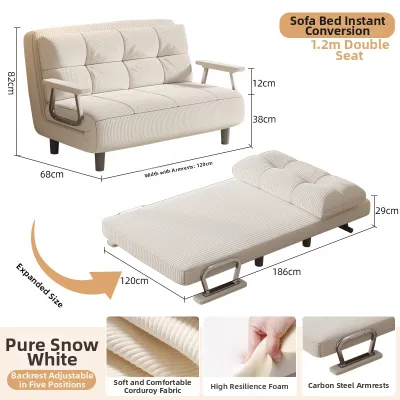
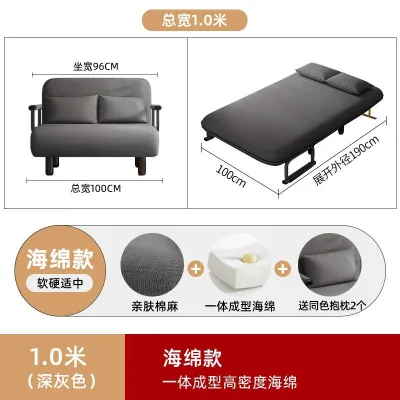
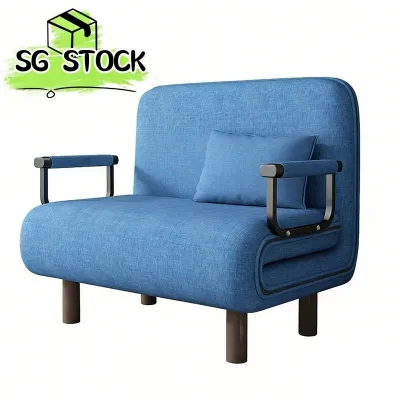
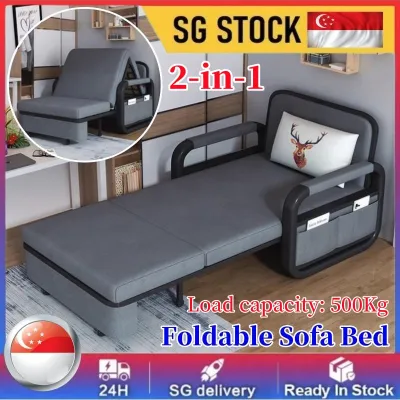
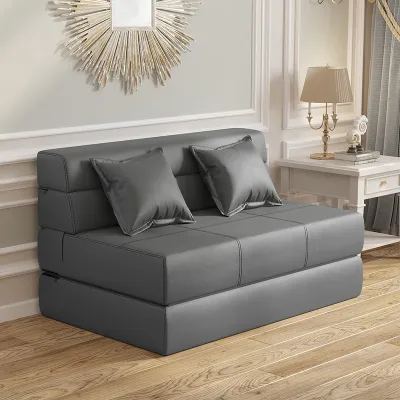
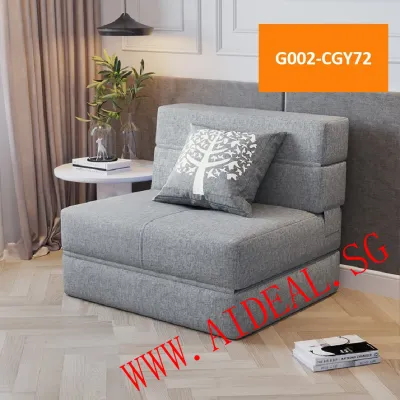
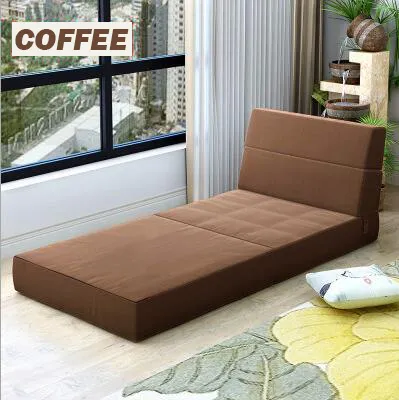
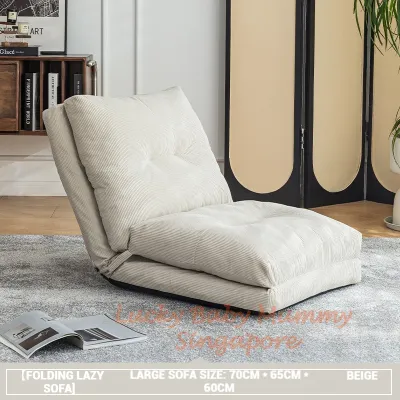
Prices are valid at publication and may change. Please refer to the product page for the latest price.
Next, define the primary function of the sofa bed to narrow down your options. If the piece is intended for daily sleeping—perhaps in a studio apartment or a shared bedroom—you will need to prioritize a robust frame and a high-quality mattress system that can withstand constant wear. For occasional guest use in a study or living room, you can focus more on seating comfort and aesthetic integration, opting for a simpler conversion mechanism.
Finally, consider how integrated storage can optimize your living space. Many multi-functional models feature hidden compartments beneath the seating or within a chaise longue, providing an ideal spot to store extra pillows, bedsheets, and duvets. In a compact home, choosing a model with built-in storage eliminates the need for an extra wardrobe or chest of drawers, keeping your living area tidy and organized.
Key Dimensions to Compare Across IKEA Sofa Beds
When comparing different models, relying on visual estimates in a spacious showroom can be misleading. You must carefully analyze the technical specifications and dimensions provided on the official retailer website to ensure a precise fit. The first set of numbers to compare is the external footprint in both sofa and bed configurations. Note the total width, depth, and height when closed, and compare these directly with the maximum depth when the frame is fully extended into a sleeping surface.

Living room ergonomics are just as vital as sleeping dimensions. Pay close attention to the seat depth and backrest height when the unit is in sofa mode. A seat that is too deep might require extra accent cushions for proper back support, while a low backrest might not offer enough comfort for long movie nights. If you plan to use the sofa bed as your primary living room seating, ensure the seat height aligns with your coffee table and allows your feet to rest flat on the floor.
The sleeping surface itself must be verified against standard bedding sizes and the height of the sleepers. Some sofa beds convert into non-standard mattress sizes that may not perfectly match standard Singapore single, queen, or king-size fitted sheets. Check the exact length and width of the extended sleeping area; taller users will require a length of at least 200 centimeters to sleep comfortably without their feet hanging over the edge. Additionally, verify the thickness of the sleeping surface, as thinner cushions may require an additional mattress topper to provide adequate cushioning.
Matching Conversion Mechanisms to Your Daily Routine
The mechanism that transforms the sofa into a bed dictates how much physical effort is required for transition and how the furniture functions within your room. Pull-out or roll-out mechanisms are highly popular for daily use because they typically feature a dedicated mattress that slides out from under the main frame. This design keeps the seating cushions separate from the sleeping surface, reducing wear on the sofa fabric and providing a flat, stable base that closely mimics a traditional bed.
For guest rooms or study spaces where the bed is only needed occasionally, fold-down or click-clack systems offer a quick and low-effort setup. These models usually involve folding the backrest flat to align with the seat cushion, creating a unified sleeping platform. While click-clack mechanisms are incredibly simple to operate, they often require you to pull the sofa away from the wall before unfolding, which is an important spatial consideration if you have limited floor clearance.
Alternatively, chaise-longue and modular designs provide a highly flexible layout option for modern Singapore homes. These configurations often allow you to position the chaise section on either the left or right side, adapting easily to your room’s specific layout. Many of these modular options feature a pull-out drawer section that rises to meet the height of the chaise, creating a large, comfortable sleeping area with minimal mechanical complexity. This setup also keeps the built-in storage compartment easily accessible even when the bed is partially configured.
Evaluating Comfort, Support, and Maintenance
Achieving a restful night’s sleep depends heavily on the internal support structure and materials of the sofa bed. When reviewing product details, check the type of cushion or mattress filling used in the construction. Models utilizing pocket springs or high-resilience polyurethane foam generally offer reliable pressure relief and contouring support compared to simple foam slabs. If you prefer a firmer sleeping surface, look for models that specify high-density foam or integrated spring systems that prevent sagging over time.
Maintenance and hygiene are crucial factors, particularly in Singapore’s warm and humid climate. Sweat, dust mites, and accidental spills can quickly degrade fabric if it cannot be cleaned easily. Prioritize models that feature removable, machine-washable covers, as this allows you to maintain a fresh sleeping environment with minimal hassle. If the model you prefer has a fixed cover, you should plan to use a high-quality, water-resistant mattress protector whenever the bed is in use to safeguard the upholstery.
Before making a final decision, always review the manufacturer’s guidelines regarding weight limits and structural materials. A sturdy frame made of solid wood, metal, or reinforced steel will offer significantly better longevity and safety than lightweight particleboard alternatives. Checking these specifications ensures the sofa bed can safely support the combined weight of multiple seated users or overnight guests without compromising its structural integrity.
Final Selection Checklist and Next Steps
To finalize your choice, apply a structured decision framework based on your primary constraints. If your living space is exceptionally tight and storage is a major challenge, prioritize a corner or chaise-longue model with integrated storage compartments. If the sofa bed will serve as a daily sleeper, focus your search on pull-out models with dedicated pocket-spring mattresses, even if they require a slightly larger footprint when extended.
Once you have narrowed down your preferred design, visit the official retailer’s website to verify current stock availability and delivery options. Because sofa beds are bulky and heavy, utilizing professional delivery and assembly services is highly recommended to ensure the frame is put together correctly and safely. Correct assembly is vital for the smooth operation of moving parts and folding mechanisms over years of use.
Finally, prepare your home for the new addition by planning your bedding storage and checking accessory compatibility. If the sofa bed does not have built-in storage, identify an alternative spot, such as a nearby closet or under-bed storage boxes, to keep pillows and duvets handy. Measure your existing bed linens against the sofa bed’s extended dimensions to determine if you need to purchase new, matching sheets or mattress toppers to complete your setup.
Frequently Asked Questions (FAQ)
How do I clean and maintain a sofa bed mattress?
Always check the specific care instructions on the product tag before attempting any cleaning. For general maintenance, vacuum the mattress surface regularly using an upholstery attachment to remove dust and allergens. Address spills immediately by blotting with a clean, damp cloth and a mild, manufacturer-approved fabric cleaner, ensuring the mattress dries completely before folding it back into the frame.
Can I replace the mattress or covers on an IKEA sofa bed?
The ability to replace components depends entirely on the design of the specific model. Models with removable, zippered covers allow you to easily swap out fabrics for a fresh look or deep cleaning. However, models with integrated foam or spring mattresses are typically built as a single unit, meaning the mattress itself cannot be replaced independently of the frame.
What should I check before delivery day?
Before your delivery arrives, measure your building’s elevators, corridors, and all door frames to ensure the packaged boxes can pass through safely. Clear a spacious path through your home and remove any fragile items from the entry area. It is also wise to protect your floors with cardboard or protective mats to prevent scratches during the assembly process.
Community discussion
Share your experience or ask a question. Comments are reviewed before publication.