
Foldable storage rack organizers offer an ideal balance of vertical storage and spatial flexibility for small HDB flats in Singapore. When floor space is limited, these versatile units allow you to maximize vertical areas in your kitchen, service yard, or household shelter, and then fold down flat to be tucked away when they are no longer needed. Finding the right organizer requires looking beyond aesthetics to evaluate physical dimensions, folding mechanisms, material finishes, and room-specific requirements. By focusing on these practical criteria, you can select a durable rack that enhances your home’s organization without cluttering your living space.
Measure Your HDB Space and Define Storage Needs
Before purchasing any storage rack organizer, you must accurately assess the physical constraints of your HDB flat. Begin by measuring the exact floor footprint where you plan to place the rack, ensuring there is sufficient clearance for nearby doors, drawers, and walkways to open fully. Vertical clearance is equally critical, especially if you intend to place the rack under low-hanging fixtures, wall-mounted air conditioners, or within recessed wall niches. Do not forget to measure the width of your hallways, doorways, and lift entryways to guarantee that you can easily transport the rack into your home and move it between rooms when needed.
You should also measure the clearance required for the folding action itself. Some foldable racks swing outward or require extra overhead clearance during the unfolding process, which can be difficult to manage in tight corridors or cramped utility closets. If you plan to store the rack away when not in use, measure the storage gap—such as the space between your wardrobe and the wall, or under your bed frame—to ensure the collapsed unit fits comfortably.
Products mentioned in this guide
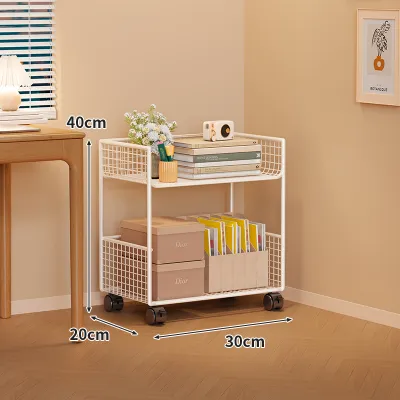
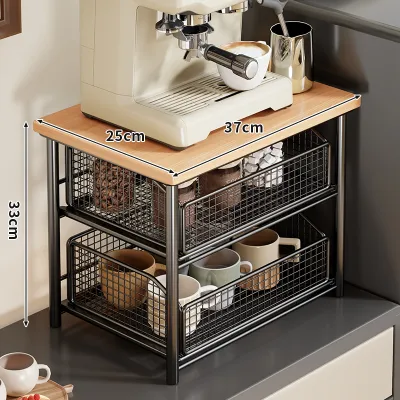
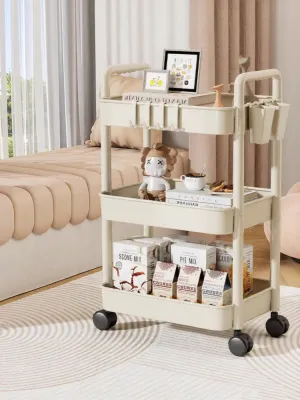
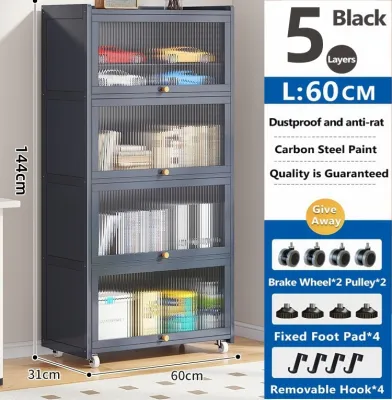
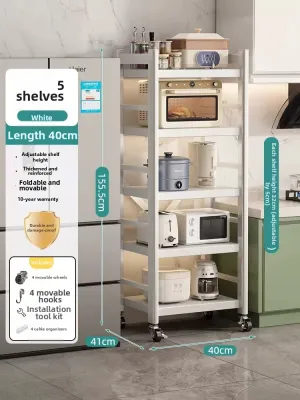

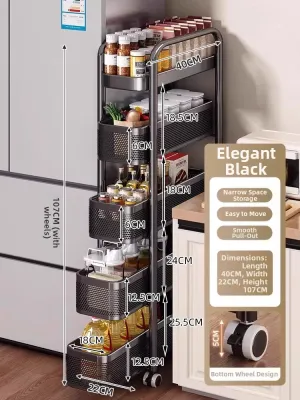

Prices are valid at publication and may change. Please refer to the product page for the latest price.
Defining your specific storage needs is the next step in selecting an appropriate rack. Take inventory of the items you plan to store, categorizing them by weight, size, and frequency of use. Heavy kitchen appliances, bulk groceries, and laundry detergents require a much sturdier frame than lightweight clothing, linens, or decorative items. Understanding these categories beforehand helps you determine the necessary shelf depth and spacing, preventing you from buying a rack that is either too shallow for your storage boxes or too bulky for your room.
HDB flats often feature unique architectural elements that impose specific spatial constraints. The household shelter, commonly used as a pantry or utility room, has thick steel doors and tight entryways that require careful planning to avoid blocking the door’s swing path. Similarly, narrow service yards often have overhead laundry racks, wall-mounted water heaters, and washing machine hoses that limit where a storage rack can stand. Measuring these specific zones with a physical tape measure, rather than relying on floor plans, ensures your chosen foldable rack fits perfectly without obstructing essential household utilities.
Evaluate Folding Mechanisms and Material Finishes
The usability and lifespan of a foldable storage rack depend heavily on its mechanical design and material construction. When evaluating different models, closely inspect the folding joints and hinges to ensure they operate smoothly without catching or grinding. Look for designs that feature secure locking pins or safety latches that hold the frame rigidly in place when fully deployed. Avoid racks with overly complex folding sequences that increase the risk of pinch points during setup, as these can cause minor injuries or make the rack frustrating to use on a regular basis.

Material finishes play a crucial role in how well a rack withstands the humid climate of Singapore. While many manufacturers advertise steel or iron construction, you must verify the specific protective coatings used to prevent rust and corrosion. Powder-coated finishes and epoxy-treated metals generally offer better moisture resistance in humid areas like service yards and kitchens compared to untreated metals. Rather than assuming a material name guarantees durability, check the manufacturer’s care instructions and specifications to confirm if the finish is rated for high-humidity environments.
Pay close attention to the joints and weld points where the protective coating might be thin or prone to chipping. Moisture can easily accumulate in these small crevices, leading to localized rust that can compromise the structural integrity of the entire frame over time. If you plan to use the rack in a wet area, such as next to a washing machine or sink, opting for high-grade stainless steel or plastic-coated wire shelves can provide superior long-term resistance to water exposure.
Mobility is another key factor, as many foldable racks come equipped with casters for easy movement. Examine the wheels to distinguish between lockable, non-marking, and stationary options. For hard floors like vinyl, laminate, or polished tiles commonly found in HDB flats, non-marking polyurethane or rubber casters are highly recommended to prevent scratches and scuffs. Ensure that at least two of the casters feature robust locking mechanisms to keep the rack firmly in place when stationary, preventing accidental rolling on slightly uneven surfaces.
Verify Load Capacity and Prevent Tipping Hazards
Ensuring the structural safety of your storage rack is vital to protect your household and your belongings. Always read the manufacturer’s load ratings carefully, distinguishing between the weight limit per individual shelf and the total weight capacity of the entire unit. A rack might support a high total weight, but overloading a single shelf can cause the metal to bow or the folding joints to buckle. Keep in mind that these load ratings assume the weight is evenly distributed across the shelf surface, rather than concentrated in one spot.
It is also important to understand the difference between static and dynamic load capacities. A foldable rack might be rated to hold a heavy load when stationary, but rolling that same loaded rack across the floor can place immense stress on the casters and folding joints. If you plan to move your rack frequently while it is loaded, look for models with reinforced wheel mounts and lower dynamic weight limits to ensure safe transport.
The stability of a loaded rack is directly influenced by its center of gravity and base width. To maintain a low center of gravity, always store your heaviest items—such as bottled liquids, heavy cookware, or toolboxes—on the bottom shelves. Lighter items like paper towels, plastic organizers, or dry goods should occupy the upper tiers. If a rack has a narrow base relative to its height, it is inherently more prone to tipping, especially when fully loaded or when placed on slightly uneven flooring.
In homes with active pets, young children, or high-traffic walkways, additional safety measures are necessary to prevent tipping hazards. If your foldable rack is tall or top-heavy, evaluate whether it requires wall-anchoring brackets or anti-tip straps. While some foldable racks are designed to be freestanding, securing them to a solid wall provides peace of mind and prevents accidental tip-overs. Always check if the manufacturer includes mounting hardware, and ensure that any anchoring method you use is compatible with your flat’s wall material.
Match Rack Styles to Specific HDB Room Functions
Different rooms in an HDB flat demand different storage configurations to maximize efficiency and maintain a cohesive look. In the kitchen and dining area, space is often at a premium, making narrow, multi-tier rolling racks highly effective. These slim organizers can slide into the tight gaps between your refrigerator and kitchen counter, providing convenient access to dry goods, spices, and small appliances. Look for models with raised mesh borders on the shelves to prevent jars and bottles from sliding off when the rack is rolled out.
In open-concept HDB layouts, a stylish foldable rack can also serve as a temporary prep station or a serving trolley during family gatherings. When the dinner is over, you can simply clear the shelves, fold the unit flat, and store it out of sight, preserving the clean lines of your living and dining areas. This flexibility makes foldable designs far more practical for modern apartments than bulky, permanent kitchen islands.
For bedrooms and wardrobe spaces, lightweight fabric or wire foldable racks are excellent for managing seasonal clothing overflow, bedding, or accessories. These racks often feature breathable fabric shelves or wire grids that promote airflow, preventing musty odors from developing in enclosed spaces. Because they fold completely flat, you can easily store them inside your main wardrobe or under the bed when your clothing storage needs decrease, keeping your bedroom free of visual clutter.
In the household shelter and utility areas, heavy-duty, rust-resistant racks are the preferred choice for organizing tools, cleaning supplies, and household essentials. Since these spaces are often packed with bulky items, choosing a rack that can fold flat against the wall when empty allows you to reclaim valuable floor space instantly. Opt for industrial-style wire shelving units that do not collect dust easily and allow light to pass through, making it easier to locate items in dimly lit utility closets.
Assemble Safely and Maintain Structural Integrity
Proper assembly and regular maintenance are essential to keep your foldable storage rack operating safely over its entire lifespan. Even though foldable racks require minimal setup compared to traditional furniture, you must follow the manufacturer’s assembly sequence precisely. Pay close attention to any torque specifications for folding joints and hinge screws; over-tightening can damage the threads or restrict the folding action, while under-tightening can lead to a wobbly, unstable frame.
Over time, regular use and movement can cause the hardware on your rack to loosen. Establish a routine inspection schedule to check the tightness of all hinges, locking pins, and caster screws. Look for signs of wear, such as loose rivets, hairline cracks in plastic joints, or rust spots forming on metal surfaces. If your rack features adjustable shelves, verify that the support clips or brackets remain securely seated in their slots and have not become warped under load.
Cleaning your rack properly also helps preserve its structural integrity. Wipe down metal frames with a dry or slightly damp microfiber cloth, and avoid using harsh chemical cleaners or abrasive scrubbing pads that can strip away the protective powder coating. If the folding hinges or joints begin to stiffen or squeak, apply a small amount of silicone-based lubricant to keep the mechanism operating smoothly, making sure to wipe away any excess oil to prevent dust buildup.
Recognizing when a rack has reached the end of its safe usable life is crucial for preventing accidents. If you observe visible metal fatigue, bent frames, or failing locking mechanisms that no longer hold the rack rigid, discontinue use immediately. Attempting to load a compromised rack can lead to sudden structural failure, risking damage to your property or injury to your family. When a rack can no longer be safely locked into its open position, it should be repaired with official manufacturer parts or replaced entirely.
Frequently Asked Questions (FAQ)
Can I use a foldable storage rack inside my HDB household shelter?
Yes, you can use a freestanding foldable storage rack inside your HDB household shelter, provided it does not compromise the structural integrity or safety functions of the room. According to Singapore Civil Defence Force (SCDF) guidelines, you must not drill, anchor, or mount any fixtures directly into the reinforced concrete walls or ceiling of the shelter, as this can weaken its protective capabilities. Therefore, any storage rack you choose must be completely freestanding and stable without wall anchoring. Additionally, ensure the rack is positioned so that it does not block the ventilation openings or obstruct the full swing path of the heavy steel shelter door, allowing you to open and close it without hindrance in an emergency.
How do I prevent a tall foldable rack from tipping over?
Preventing a tall foldable rack from tipping over requires a combination of smart loading practices and physical stability checks. Always distribute the weight of your stored items strategically, placing the heaviest objects on the lowest shelf to lower the unit’s overall center of gravity. Avoid placing the rack on uneven flooring, thick rugs, or carpet edges that can cause the base to wobble or tilt. If the rack is positioned in a high-traffic area or a home with children or pets, consider using manufacturer-approved anti-tip straps or freestanding floor anchors that secure the unit without damaging your walls. Regularly check that the locking pins or safety latches are fully engaged to maintain the rack’s structural rigidity.
Community discussion
Share your experience or ask a question. Comments are reviewed before publication.