
Selecting the ideal dustproof cover is not as simple as throwing a generic sheet over your furniture. The most effective dustproof cover is one that matches the specific physical dimensions, structural stability, and usage frequency of your furniture piece. A well-chosen cover shields surfaces from airborne particles, minimizes maintenance, and preserves the integrity of fabrics and wood finishes over time.
To find the right fit, you must evaluate the furniture’s shape, check for secure anchoring mechanisms, and verify manufacturer care labels to ensure the material suits your indoor environment. Whether you are protecting a sofa in a high-traffic living room or preparing a dining set for a long period of non-use, understanding how to measure, select, and maintain these protectors is key to keeping your home clean and damage-free.
Key Factors for Sizing and Fitting Any Furniture
Before purchasing any dustproof cover, measuring the exact dimensions of your furniture is the most critical step. Relying on generic size labels like “standard sofa” or “large wardrobe” often leads to a poor fit, leaving sections exposed to dust or creating excess fabric that pools on the floor. Use a reliable measuring tape to record the maximum length, width, height, and depth of the item.
Products mentioned in this guide
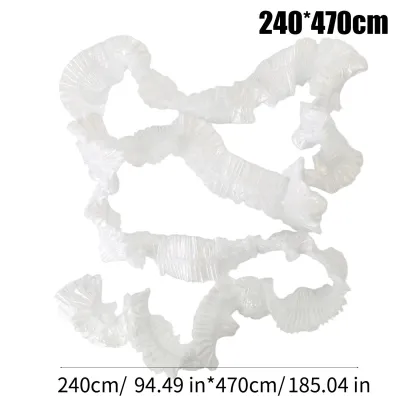
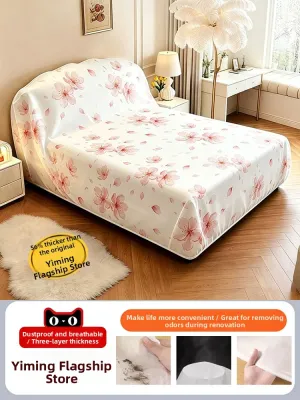
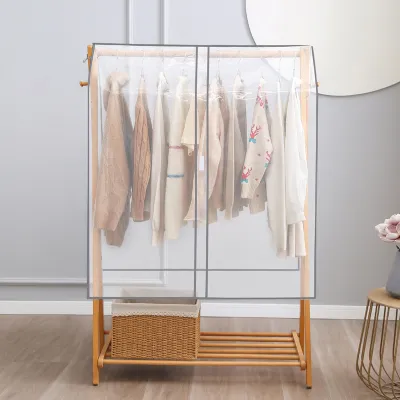
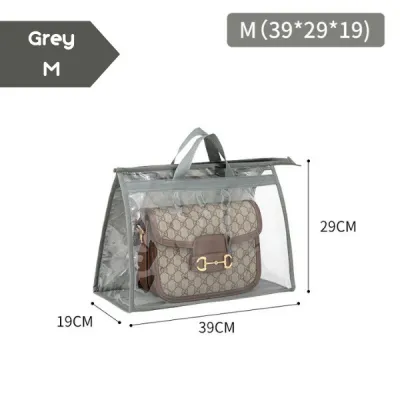
Prices are valid at publication and may change. Please refer to the product page for the latest price.
Always account for protruding parts that extend beyond the main frame. This includes armrests, extended legs, decorative finials, handles, or reclining mechanisms. If these protrusions are ignored, the cover will stretch tightly over them, creating tension points that are highly susceptible to tearing and leaving other areas of the furniture uncovered.
Next, check the clearance around the furniture to ensure the cover does not block essential functional elements. A cover should not interfere with door hinges, drawer tracks, or ventilation gaps. For furniture units that house electronics, blocking ventilation gaps can trap heat, so the cover must be easy to adjust or feature built-in ventilation openings.
Finally, evaluate the securing mechanisms provided with the cover. Look for features like elastic hems, tie-down straps, drawstring toggles, or weighted edges. In Singapore’s humid climate, a cover must remain stable without sealing the furniture completely, as some air circulation is necessary to prevent moisture buildup. Secure fasteners ensure the cover stays in place even when subjected to indoor drafts or ceiling fans.
Matching Dustproof Covers to Specific Furniture Types
Different furniture silhouettes dictate very different cover design choices. While a simple draped sheet might suffice for an irregular pile of boxes, structured furniture requires a more thoughtful approach. Choosing between a tailored, fitted cover and a universal draped option depends entirely on how often you use the item and its physical shape.

Sofas and Sectionals
Upholstered seating requires covers that can handle regular physical contact and shifting. When selecting a cover for a fabric or leather sofa, check for anti-slip backing or integrated strap anchors. Without these features, the cover will constantly slide out of place on smooth upholstery, requiring frequent readjustment and allowing dust to slip underneath.
For modular sectionals, avoid the temptation to use one massive, universal drape. Large drapes on modular furniture often sag in the gaps between sections, creating an untidy appearance and collecting dust in the folds. Instead, measure each modular section individually and use separate, fitted covers that accommodate the unique configuration of your seating arrangement.
Additionally, verify the manufacturer care labels on both the sofa and the cover for breathability. Tightly woven synthetic covers can trap ambient moisture against delicate leather or fabric, potentially leading to mold or mildew growth. Opt for materials that offer a balance of dust filtration and air permeability to keep the underlying upholstery fresh.
Wardrobes and Tall Storage
Covering vertical, heavy furniture presents unique physical and safety challenges. For wardrobes and tall cabinets, evaluate zippered front panels versus open-bottom designs. Zippered covers allow you to access your clothes or stored items easily without needing to lift or remove the entire heavy cover, making them far more practical for daily or weekly use.
Ensure the cover design does not catch on door handles, external hinges, or locks. Sharp hardware can snag and tear the cover fabric during installation or removal. Choosing a cover with slightly generous depth measurements can prevent this friction and prolong the lifespan of both the cover and the wardrobe’s hardware.
Safety is paramount when dealing with tall furniture. Pulling a tight, heavy cover upward to remove it can destabilize a tall unit, posing a serious tip-over hazard. Always ensure your wardrobe or shelving unit is securely anchored to the wall according to safety guidelines before fitting or removing any cover, and avoid pulling downward or upward with excessive force.
Dining Tables and Chairs
Dining sets require a cover strategy that accommodates flat surfaces, extendable parts, and multiple individual pieces. If your dining table features extendable leaves, size your cover based on how you plan to store the table. If you keep it collapsed most of the time, buy a cover fitted to those dimensions; if you store it fully expanded, ensure the cover accommodates the maximum extended length.
For dining tables located in drafty areas, such as near open windows, balconies, or directly under ceiling fans, choose covers equipped with weighted hems or leg clip systems. These mechanical fasteners anchor the cover directly to the table legs, preventing drafts from lifting the fabric and exposing the tabletop to settling dust.
You must also decide between individual chair covers and a single large drape that covers the entire dining set. Individual covers are highly practical if you use the chairs frequently, as they allow you to uncover only what you need. A single large drape is more suitable for long-term storage or vacant periods, as it seals the entire set under one protective barrier.
Small Storage and Shelving Units
Open shelves, bookcases, and compact organizers benefit from highly adaptable cover designs. Look for custom-fit or adjustable covers that feature roll-up front flaps secured by velcro or straps. This design allows you to access specific shelves or frequently used items quickly without having to uncover the entire unit.
Be cautious when selecting covers for lightweight shelving units. Heavy, stiff, or overly tight covers can easily pull a lightweight plastic or wire shelf off balance when you attempt to remove them. Opt for lightweight, flexible fabrics that slide off easily without exerting pulling force on the shelf structure.
To maintain organization, check for covers that feature transparent front panels or integrated label slots. These visual aids allow you to identify the contents of each shelf at a glance, eliminating the need to unzip or lift the cover repeatedly, which keeps dust disturbance to an absolute minimum.
Material and Feature Checklist for Daily Use
When shopping on any online marketplace, do not assume a cover’s performance based solely on generic material names like “polyester,” “canvas,” or “oxford fabric.” Instead, read the manufacturer’s product specifications carefully to verify the actual surface treatments, fabric weight, and care instructions.
First, check the stated washability and recommended cleaning methods. Some covers are machine washable, while others require spot cleaning or hand washing to preserve their dust-resistant coatings. Choosing a cover that aligns with your preferred cleaning routine ensures you can maintain it easily without degrading the fabric.
Second, if your furniture is positioned near sunlit windows, verify the cover’s opacity and UV-resistance claims. Unprotected wood finishes and fabrics can fade or crack under prolonged sun exposure. A high-opacity, UV-treated cover acts as a barrier against both dust and sun damage, preserving the color and integrity of your furniture.
Third, inspect the quality of the hardware during the initial unboxing. Check the durability of zippers, velcro strips, and snap buttons. Ensure the stitching around these fasteners is reinforced, as these areas experience the most tension during daily use. Poorly constructed hardware can fail quickly, rendering the entire cover ineffective.
Installation, Care, and Safety Boundaries
Proper installation and care are essential to prevent damage to both the cover and your furniture. Always follow the manufacturer’s specific washing labels to avoid shrinking the fabric. A shrunken cover will put excessive pressure on the furniture corners, which can warp delicate wood joints or tear the cover seams.
When putting on or removing a cover, avoid dragging it roughly over sharp corners, glass edges, or delicate wood finishes. Rough handling can scratch polished surfaces or snag the cover fabric. If your furniture has sharp decorative elements, consider placing small foam protectors over the corners before fitting the cover.
Finally, stop using the cover immediately and consult the furniture manufacturer if you notice any adverse effects. These include trapped condensation that could warp wood, blocked ventilation gaps that cause stored electronics to overheat, or any compromise to the physical stability of the furniture piece.
Frequently Asked Questions (FAQ)
Can I use a single large cover for a dining table and all its chairs?
Yes, a single large cover is highly effective for long-term storage or vacant periods, as it seals the entire dining set under one protective barrier. However, for daily use, this setup can be cumbersome. It requires you to tuck all chairs completely under the table and ensures the cover’s dimensions accommodate the combined perimeter without sagging or creating a trip hazard in your dining area.
How do I prevent a dustproof cover from shifting or blowing off a table?
To prevent a cover from shifting in drafty indoor spaces, look for built-in mechanical securing features. These include buckle straps that wrap around the table legs, elastic drawstrings along the bottom hem, or heavy-duty table clips. Avoid using loose, heavy objects on top of the cover to weigh it down, as these can slide off and scratch the tabletop finish.
Community discussion
Share your experience or ask a question. Comments are reviewed before publication.