
Selecting the right dust cover for your bed frame is essential for maintaining a clean, allergen-free sleeping environment. The ideal style depends entirely on your frame’s structural design, as a mismatch can lead to sagging fabric, blocked storage, or accumulated dust. Beds with legs typically require traditional bed skirts or wrap-around valances to block under-bed dust. Platform beds need tailored low-profile covers, Velcro-attached valances, or full mattress encasements because they lack under-bed tucking clearance. Storage beds with drawers or hydraulic lifts require specialized split-panel skirts or magnetic attachments that preserve access to compartments without jamming moving parts.
In urban environments like Singapore, where dust and humidity are constant challenges, choosing the correct dust cover does more than improve bedroom aesthetics. It acts as a physical barrier against dust mites, pet dander, and lint that naturally settle in the hard-to-reach areas beneath and around your bed. By understanding how your bed frame’s physical structure interacts with different cover designs, you can select an option that fits securely, looks polished, and functions seamlessly with your daily routine.
Understanding Dust Cover Types and Frame Compatibility
To choose the most effective dust cover, you must first understand the primary categories available on the market and how they interact with different bed bases. Traditional bed skirts, often called dust ruffles, consist of a large flat fabric panel that rests between the mattress and the box spring or bed slats, with decorative fabric draping down to the floor. Wrap-around frame covers, by contrast, do not require you to lift the mattress; they utilize elastic bands or tension strips to hug the outer perimeter of the bed frame or box spring. Full mattress encasements are zippered protectors that completely enclose the mattress, focusing on allergen mitigation rather than covering the space beneath the bed.
Products mentioned in this guide
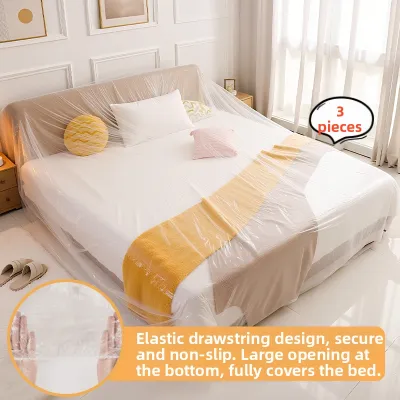
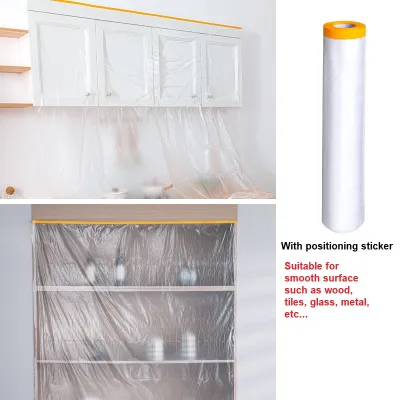
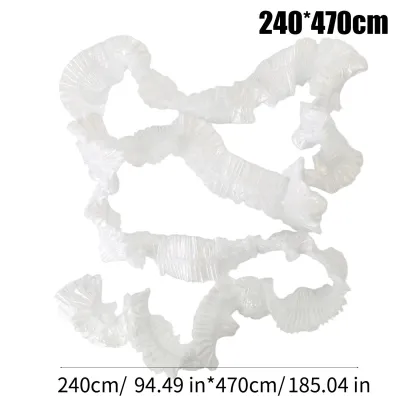
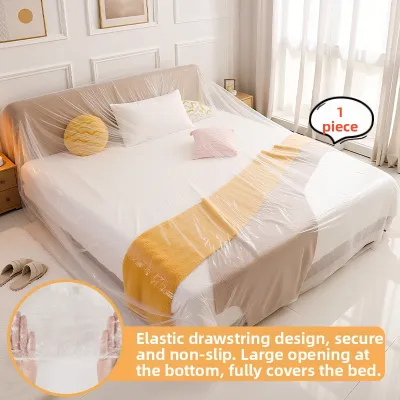
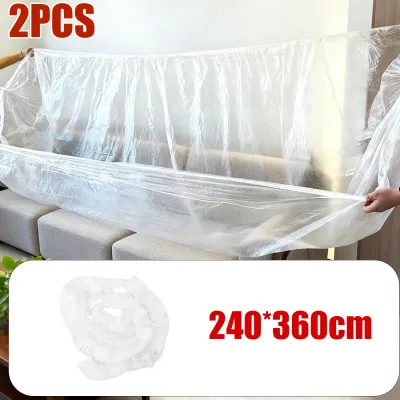
Prices are valid at publication and may change. Please refer to the product page for the latest price.
Your bed frame’s clearance, leg visibility, and base structure dictate which of these options are physically viable. For instance, a frame with high clearance and exposed legs provides ample space for a traditional bed skirt to hang freely, whereas a solid-base platform bed offers no space for a hanging skirt to drop. If your bed frame features a headboard, footboard, or corner posts, a standard continuous bed skirt will bunch up at the corners, requiring a split-corner design instead.
Material selection also plays a vital role in dust filtration and durability. Heavyweight fabrics like linen or thick polyester blends are excellent for blocking larger dust particles and maintaining a structured drape, while tightly woven microfiber covers offer superior resistance against fine dust mites. When selecting a material, consider how often you plan to clean it, as delicate fabrics may require dry cleaning, whereas durable synthetic blends can withstand frequent machine washing without losing their shape.
Before shopping, you must verify three essential measurements: the drop length, the mattress depth, and the overall frame perimeter. The drop length is the vertical distance from the top of the bed base to the floor, which determines how long the skirt must be to block dust without dragging. The mattress depth is crucial if you are opting for a wrap-around cover or an encasement, as a cover that is too shallow will slip off constantly. Finally, the frame perimeter ensures that elasticized or Velcro-attached covers wrap tightly around the entire structure without sagging or leaving gaps.
Selecting Dust Covers for Beds with Legs
Beds with legs offer the most flexibility when it comes to dust cover selection, but they also present unique challenges regarding stability and aesthetics. Traditional bed skirts are highly effective for standard legged frames that utilize a box spring. You can choose between tailored, gathered, or split-corner styles depending on your bedroom’s design theme. Tailored bed skirts feature clean, straight lines and flat panels, making them ideal for modern, minimalist spaces. Gathered bed skirts offer a softer, ruffled appearance that suits classic or rustic interiors, while split-corner designs are mandatory if your bed frame has a footboard or thick corner posts that the fabric must wrap around.

If your legged bed frame does not use a box spring, or if it features irregular leg placements and casters, a traditional bed skirt may slide around or fail to hang evenly. In these scenarios, wrap-around elastic covers serve as an excellent alternative. These covers feature heavy-duty elastic bands that grip the perimeter of the bed frame or the mattress base directly. Because they do not rely on a flat platform fabric sandwiched between layers, you can easily adjust their height on the frame to accommodate uneven floors or custom leg heights.
During installation, you must perform several critical checks to ensure safety and longevity. First, verify that the bottom hem of the dust cover does not drag on the floor, as excess fabric can collect dirt, get caught in vacuum cleaners, or create a tripping hazard when you get out of bed. Ideally, the fabric should hover approximately one to two centimeters above the floor surface. Additionally, ensure the cover does not interfere with the stability of the bed legs or block access to any center support legs, which are vital for preventing the frame from sagging over time.
Selecting Dust Covers for Platform Beds
Platform beds are highly popular for their sleek, low-profile aesthetic, but their solid bases and minimal clearance make traditional bed skirts impractical. Because platform beds typically lack a box spring and feature a solid wooden or upholstered base, there is no secondary layer to sandwich a traditional skirt’s platform fabric. Attempting to tuck a standard skirt under a heavy mattress on a solid platform often results in the fabric shifting, bunching, or slipping out of place every time the bed is made.
To address this structural challenge, look for low-profile wrap-around covers or valances designed specifically for platform edges. These covers often utilize adhesive Velcro strips or specialized upholstery pins to attach directly to the outer frame. Velcro-attached valances allow you to adhere one side of the hook-and-loop tape to the inside or underside of the platform edge, providing a clean, floating appearance without any visible attachment points. If your platform bed is upholstered in fabric, you can use spiral-shaped upholstery pins to secure a tailored skirt directly to the frame’s fabric backing, ensuring it remains perfectly aligned.
When a frame-mounted cover is not feasible due to the bed’s design or material restrictions, a high-quality mattress encasement is often the most practical alternative. Instead of trying to cover the solid base, a zippered encasement seals the mattress itself against dust, dust mites, and environmental allergens. This approach is particularly beneficial in humid climates like Singapore, where dust mites thrive in mattress fibers. An encasement provides comprehensive protection while preserving the clean, modern lines of your platform bed frame without the need for hanging fabric.
Selecting Dust Covers for Storage Beds
Storage beds, including hydraulic lift-up designs and frames with built-in drawers, are excellent space-saving solutions for compact bedrooms. However, they are highly incompatible with standard, continuous bed skirts. A traditional skirt will completely block access to side-pull drawers, forcing you to lift the fabric every time you need to reach your belongings. Even worse, on a hydraulic lift bed, a continuous skirt can easily become tangled in the lifting pistons, hinges, or metal brackets, leading to torn fabric, jammed mechanisms, or potential damage to the lift system itself.
To maintain both dust protection and storage functionality, you should opt for specialized split-panel skirts or magnetic attachments. Split-panel skirts feature overlapping fabric sections that align precisely with the locations of your drawers. This design allows you to pull a drawer open through the split panels without disturbing the rest of the skirt or requiring you to lift the entire cover. For hydraulic lift beds, look for covers that attach via magnetic strips or heavy-duty Velcro along the frame’s perimeter. This allows you to easily detach the side panels when accessing the under-bed storage compartment and press them back into place afterward.
The weight of the fabric is another critical factor when choosing covers for storage beds. Lightweight fabrics like polyester or thin cotton blends are highly recommended because they exert minimal strain on hydraulic pistons and drawer runners. Heavy canvas or velvet skirts can add unnecessary weight, making the hydraulic lift harder to operate and increasing the risk of the fabric sagging into the drawer tracks. Opting for lightweight, smooth-textured materials ensures the cover glides easily over moving parts without causing friction.
Before finalizing your installation, perform thorough safety and functional checks. Slowly operate the hydraulic lift or pull out each drawer to ensure the fabric does not get caught in any moving parts, hinges, or runners. If you notice any resistance or if the fabric begins to bunch near the mechanical joints, adjust the placement of the cover immediately. Keeping the fabric clear of moving parts prevents mechanical failures and ensures your storage bed remains safe and easy to operate.
Essential Measurements and Installation Checks
Achieving a perfect fit requires precise measurements and a clear understanding of your bedroom’s physical layout. To measure the drop accurately, use a metal tape measure to find the vertical distance from the top edge of your bed base straight down to the floor. If your bed sits on a thick rug or carpet, measure to the top of the carpet fibers rather than the hard subfloor beneath. This prevents the fabric from bunching up on the rug, which can cause unsightly wrinkles and trap dust. For hard flooring surfaces like tile, vinyl, or polished concrete, aim for a clearance of one to two centimeters to keep the hem clean.
Fabric care is another critical consideration that impacts long-term fit. Dust covers accumulate dust, pet hair, and allergens over time, meaning they require regular washing. Always check the manufacturer’s care labels for shrinkage risks before purchasing. Natural fibers like cotton or linen are highly susceptible to shrinking when washed in warm water or dried in a machine, which can permanently shorten your carefully measured drop length. If you prefer low-maintenance care, consider synthetic blends or pre-shrunk fabrics that maintain their dimensions through multiple wash cycles.
Finally, when shopping on online marketplaces, exercise caution regarding compatibility claims and product warranties. Verify the seller’s return policy in case the cover does not fit your specific frame configuration. Additionally, check your bed frame’s manufacturer warranty before using installation accessories like adhesive Velcro or upholstery pins. Some high-end upholstered or wooden frames may have warranties that are voided if adhesives damage the finish or if pins puncture the structural fabric, so always choose non-invasive attachment methods if you are unsure.
Frequently Asked Questions (FAQ)
Can I use a standard bed skirt on a bed without a box spring?
Traditional bed skirts rely on the weight of a box spring to sandwich the flat platform fabric and keep the skirt in place. If your bed frame uses direct-to-slat support without a box spring, a standard skirt will slide around, bunch up, or sag between the slats. To avoid this, look for alternative designs such as wrap-around elastic covers that grip the outer frame, Velcro-attached skirts, or valances secured with upholstery pins. These options attach directly to the perimeter of the frame or the mattress base, eliminating the need for a box spring while providing a secure, stable fit.
How do I keep a bed dust cover from slipping off a platform bed?
Keeping a dust cover secure on a smooth platform bed requires additional friction or mechanical fastening. You can use non-slip mattress pads or rubberized drawer liners placed between the mattress and the platform to grip the cover’s fabric. Alternatively, adhesive Velcro strips applied along the inner edge of the platform frame offer a highly secure, semi-permanent solution. If your platform bed is upholstered, spiral upholstery pins can screw directly into the fabric backing to lock the skirt in place. Always check your bed frame’s care instructions and warranty guidelines before applying adhesives or inserting pins to prevent surface damage.
Are mattress encasements better than bed skirts for dust mite prevention?
Mattress encasements and bed skirts serve two entirely different functions in bedroom hygiene. A zippered mattress encasement is designed to completely seal the mattress, trapping existing dust mites and preventing new allergens from colonizing the bed fibers, making it highly effective for allergy sufferers. A bed skirt, on the other hand, acts as a physical barrier that blocks ambient dust from settling in the open space beneath a legged bed frame. For comprehensive protection against both airborne dust and mattress-dwelling allergens, it is highly recommended to use both solutions in tandem if your specific bed frame type allows for their combined use.
Community discussion
Share your experience or ask a question. Comments are reviewed before publication.