
Protecting your belongings from dust while keeping them easily accessible requires matching the right dust cover to your specific shelf setup. The ideal choice depends on whether your shelving is open or enclosed, how frequently you retrieve items, and the physical clearance around the unit. By selecting a cover style that aligns with your daily habits and furniture structure, you can preserve your books, collectibles, or household essentials without adding daily frustration.
In homes across Singapore, where high humidity and urban dust can quickly settle on open surfaces, choosing the correct protective barrier is both a preservation strategy and a maintenance time-saver. Rather than relying on a one-size-fits-all solution, evaluating the mechanical operation of zippered, fitted, magnetic, and roll-up covers ensures your furniture accessories work with your lifestyle rather than against it.
Assessing Your Shelf Configuration and Access Needs
Before browsing online marketplaces or local home goods stores, you must analyze the physical structure of your shelving. Fully open wire racks, partially enclosed wooden bookcases, and modular cube units each interact differently with protective covers. For instance, a freestanding wire rack offers multiple attachment points for straps or ties, whereas a solid wood bookcase with flush sides limits where you can secure a cover without using adhesives or tension rods.
Products mentioned in this guide
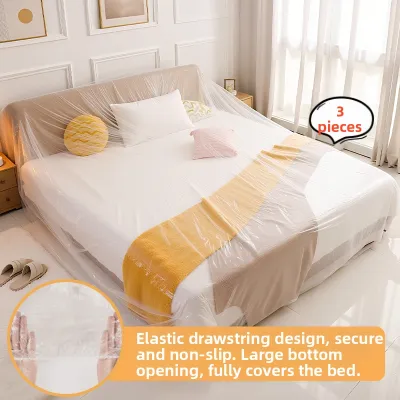
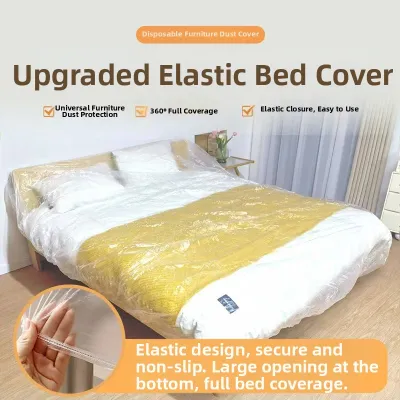
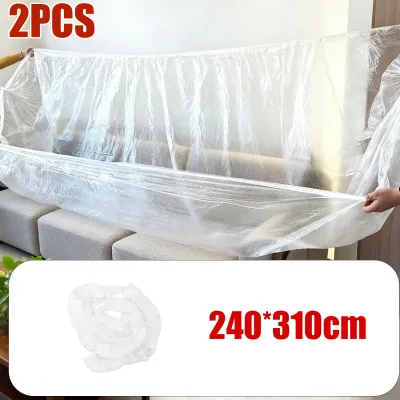
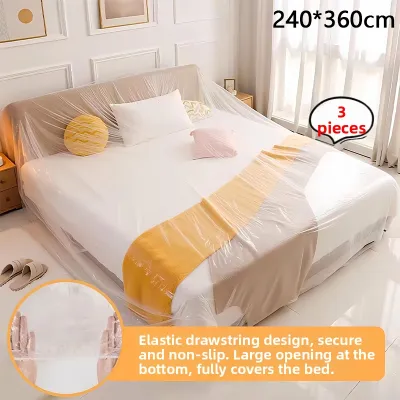
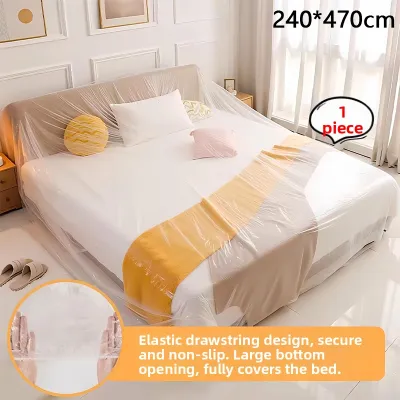
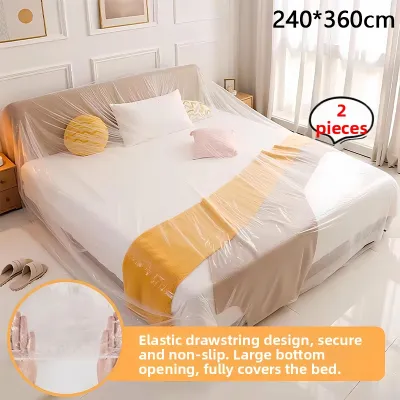
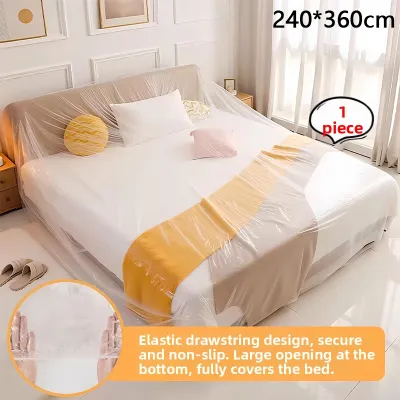
Prices are valid at publication and may change. Please refer to the product page for the latest price.
Next, consider how often you interact with the items on each shelf. If you are covering a display of seasonal dinnerware or archival documents that you only access a few times a year, a highly secure, fully sealed enclosure is ideal. Conversely, if the shelf holds daily-use pantry items, children’s toys, or frequently read books, any cover that requires multi-step unfastening will quickly become an annoying obstacle, likely leading you to leave it permanently open.
Finally, take note of the physical clearance surrounding your shelving unit. You must measure the space not just on the shelf itself, but also the clearance above, below, and to the sides. Roll-up covers require vertical clearance at the top to accommodate the rolled fabric or mounting hardware, while magnetic side-opening flaps need lateral space to swing or fold back. If your shelving is tucked tightly into a narrow hallway or a recessed niche, a bulky cover or one that requires wide clearance to operate will not function correctly.
Matching Dust Cover Styles to Your Shelf Setup
Selecting the right dust cover is a balancing act between maximum protection and effortless convenience. Every closure mechanism—whether it utilizes zippers, magnets, elastic hems, or roller brackets—presents distinct operational trade-offs that affect how easily you can reach your stored items.

By aligning these specific cover styles with your shelf’s structural design, you can create a seamless storage system. Low-traffic or deep storage units benefit from maximum sealing, while high-traffic, visible living room shelves require quick-access solutions that do not disrupt the aesthetic flow of your home.
Zippered and Fitted Covers for Enclosed or Low-Traffic Shelves
For storage setups where items remain undisturbed for long periods, zippered and fitted covers offer a comprehensive defense against fine dust, pests, and ambient moisture. Fitted covers, which slide over the top of a shelf like a glove, are particularly well-suited for standard storage cubes and modular units. These covers prioritize a snug, tailored fit that keeps the fabric taut, preventing dust from settling in loose folds or slipping through gaps at the corners.
Zippered covers are the preferred choice for deep shelving units, heavy-duty wire racks, or utility shelves located in low-traffic areas like storerooms, bomb shelters, or utility closets. Because a zipper physically joins the fabric panels together, it creates a highly secure barrier that prevents even microscopic dust particles from drifting onto your items. This level of enclosure is excellent for protecting spare linens, holiday decorations, or sensitive electronics that are highly vulnerable to dust accumulation over several months.
When selecting these heavy-duty options, it is essential to look beyond generic material descriptions and inspect the manufacturer’s detailed specifications. Rather than assuming a fabric is inherently durable or dustproof, check the product label for zipper construction details, reinforced seam stitching, and specific fabric care instructions. Look for covers that feature machine-washable fabrics or easy-to-wipe surfaces, and verify whether the zippers are made of corrosion-resistant materials, which is especially important in humid tropical climates where metal components can degrade over time.
Magnetic and Roll-Up Covers for Open and High-Traffic Shelves
When you need to protect items on shelves that you access multiple times a day, zippered covers can become tedious. For these high-traffic areas, such as living room bookcases, kitchen spice racks, or entryway shoe shelves, magnetic and roll-up covers offer a much more practical solution. Magnetic closures utilize small, embedded magnets along the seams of the cover panels, allowing you to pull the cover open with one hand and let it snap back into a sealed position automatically when you are finished.
Roll-up or pull-down covers, which function similarly to window roller blinds, are excellent for wide, multi-tier open shelves where you want to maintain full visibility of your items while keeping them protected. These covers can be rolled up and secured at the top using straps, buckles, or spring-loaded roller mechanisms during active hours, then rolled down to cover the entire unit before you go to bed or leave the house. This flexibility allows you to enjoy the clean look of open shelving when entertaining guests while still having a reliable dust barrier when the room is not in use.
Before purchasing a magnetic or roll-up cover, carefully verify the mounting requirements and hardware compatibility with your existing shelves. Some roll-up systems require drilling brackets into the top frame of your wooden shelves, while others rely on tension rods or adhesive hook-and-loop strips. Ensure your shelf has the necessary flat surface area and structural stability to support these mounting mechanisms, and check that there is sufficient clearance at the top of the unit so the rolled-up fabric does not block your access to the highest shelf.
Material, Sizing, and Fit Considerations
Achieving a clean look and effective dust protection depends heavily on precise measurements and a thorough review of product specifications. Start by measuring the exact external dimensions of your shelving unit, including the total height, width, and depth. Do not rely on the nominal dimensions provided by the furniture manufacturer, as these often exclude protruding screw heads, decorative crown molding, baseboard cutouts, or external hinges that can stretch or tear a tight-fitting cover.
Once you have your measurements, review the product labels for material composition and care requirements rather than relying on generic terms like “heavy-duty plastic” or “premium canvas.” Check if the fabric is breathable, water-resistant, or anti-static, as these properties directly impact how the cover performs in your specific home environment. For instance, in Singapore’s humid climate, choosing a fabric that allows minimal airflow while blocking dust can help prevent stagnant air from lingering around your items.
Additionally, look for built-in securing features that prevent the cover from shifting, sliding, or sagging over time. High-quality covers often include adjustable tension straps, buckle ties that wrap around shelf legs, weighted bottom hems, or non-slip interior linings. These features are particularly important on smooth metal or polished wood shelves, where a loose cover can easily slide out of alignment every time you open a zipper or pull a magnetic flap.
Installation and Routine Maintenance
Proper installation is key to ensuring your dust cover protects your belongings without causing unintended damage to your furniture’s finish. Always follow the manufacturer’s step-by-step instructions when attaching mounting hardware, magnetic strips, or adhesive fasteners. If you are using adhesive-backed magnetic strips on veneered or solid wood shelves, test a small, inconspicuous area first to ensure the adhesive will not peel away the wood finish or leave a stubborn residue when removed.
Maintaining your dust cover is just as important as choosing the right style. Over time, dust will accumulate on the exterior surface of the cover, and if left uncleaned, it can transfer to your hands or spill onto your items when you open the unit. Establish a regular routine to vacuum the exterior with a brush attachment or wipe it down with a damp cloth. If the cover is machine-washable, ensure it is completely dry before putting it back on the shelf; trapping even a small amount of moisture underneath a cover in a warm environment can lead to mold and mildew growth on both your shelf and your stored items.
Finally, perform periodic visual checks to identify observable signs of wear and tear that indicate it is time for a replacement. Look for weakened magnetic grip along the seams, frayed fabric around zippers, stretched-out elastic bands, or peeling adhesive mounts. Replacing a worn cover promptly ensures your shelving unit remains fully protected and continues to operate smoothly without disrupting your daily routine.
Frequently Asked Questions (FAQ)
Can I use a dust cover on a shelf with irregular dimensions?
Yes, you can protect irregularly shaped, custom-built, or awkwardly sized shelving units by using adaptable cover styles. Instead of searching for a pre-made fitted cover, look for adjustable tension-rod covers, modular panel systems, or overlapping fabric designs that can be customized to fit your specific frame. When preparing to cover an irregular shelf, always measure the widest, deepest, and tallest points of the unit to ensure the fabric provides complete edge-to-edge coverage without leaving exposed gaps where dust can enter.
Do dust covers restrict airflow and cause moisture buildup?
Fully sealed, non-breathable plastic or heavy vinyl covers can trap ambient humidity inside a shelving unit, which may lead to moisture buildup in humid climates like Singapore. To prevent this, check product labels for breathable woven fabrics, or choose covers that feature built-in ventilation mesh panels. Alternatively, you can plan for partial ventilation by leaving a small gap at the bottom of the cover or opening the cover periodically during dry, breezy days to allow fresh air to circulate around your stored items.
Community discussion
Share your experience or ask a question. Comments are reviewed before publication.