
Finding suitable drawer storage dimensions for a Singapore HDB bedroom requires balancing storage capacity with the physical limits of a compact layout. In typical HDB flats, where bedroom floor space is highly optimized, the most effective drawer units generally feature a depth of 40 cm to 45 cm. This depth provides ample space for folded clothing while preserving precious walkway clearance. For height and width, a tall and narrow configuration—such as a five-drawer chest measuring 50 cm to 60 cm wide—maximizes vertical space without dominating the room’s footprint. Alternatively, low-profile units under 90 cm in height help maintain open sightlines, making a small room feel less congested. Selecting the right dimensions is not just about what fits against the wall, but how the furniture functions when fully opened and integrated with existing elements like wardrobes, beds, and doorways.
Measuring Your HDB Bedroom for Drawer Clearances
To find a drawer unit that integrates seamlessly into your HDB bedroom, start by mapping out the available floor area. Use a high-quality measuring tape to record the length and width of the entire room, then sketch a basic floor plan. Identify potential dead spaces that often go underutilized, such as the narrow gap between the bed and the window, or the corner adjacent to a built-in wardrobe. These zones are prime candidates for compact drawers storage, provided you select dimensions that do not overlap with primary pathways.
Walkway clearances are critical for maintaining a comfortable, stress-free bedroom environment. As a general rule, aim to preserve a clear walkway of at least 60 cm to 70 cm around the bed and along major paths of travel. This space ensures you can walk naturally without having to turn sideways or brush against the edges of your furniture. When planning for a drawer chest, remember that this walkway clearance must be maintained even when you are standing in front of the unit to access your belongings.
Products mentioned in this guide
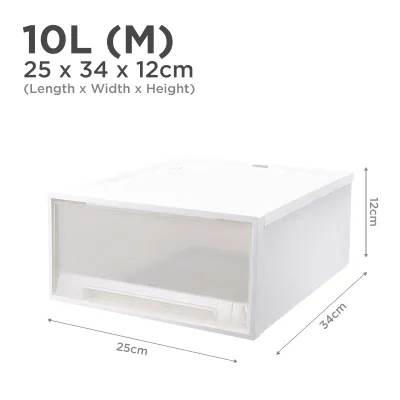
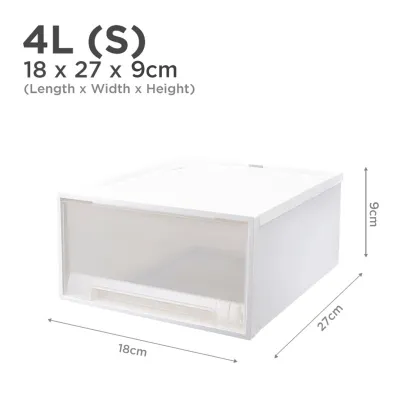
![[SG STOCK] Align Living Stackable Storage Drawers](https://img.lazcdn.com/g/p/1d94097bada33a5cf59253256d22629f.jpg_400x400q80.jpg_.webp)
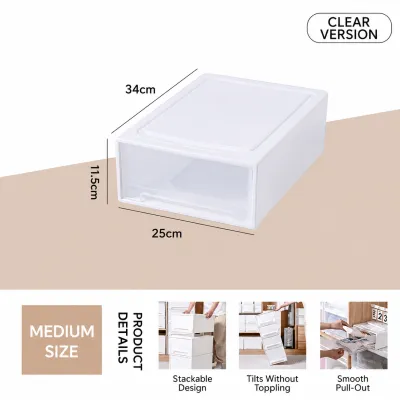
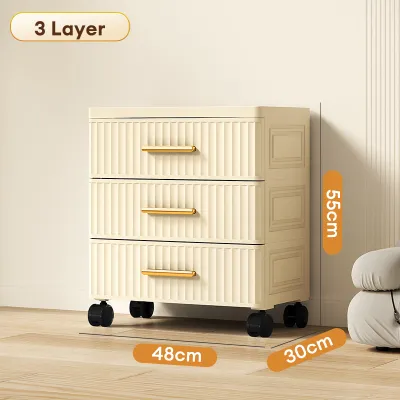
Prices are valid at publication and may change. Please refer to the product page for the latest price.
Next, account for the physical swing paths of all doors, windows, and built-in fixtures. A common oversight is placing a drawer unit where its front panel blocks the swing of the bedroom entry door or the en-suite bathroom door. Similarly, if you have a built-in wardrobe with hinged doors, map out its full opening arc to prevent collisions. Window treatments, such as heavy curtains or roller blinds, can also protrude several centimeters into the room, potentially snagging on the corners of a tall chest of drawers.
Finally, inspect the lower portions of your walls for architectural details that affect how furniture sits. Skirting boards, which run along the base of HDB walls, typically add 1 cm to 2 cm of thickness, preventing furniture from sitting completely flush against the wall. You must also locate all wall-mounted power outlets, light switches, and air-conditioning trunking. Placing a heavy drawer unit directly in front of an active outlet can bend plugs or restrict access to essential switches, so plan your furniture placement to leave these utilities clear and accessible.
Evaluating Standard Drawer Storage Depths and Heights
When browsing drawers storage, you will encounter a variety of standard depths, typically ranging from 30 cm to 55 cm. Shallow drawer profiles, measuring between 30 cm and 35 cm deep, are excellent for tight walkways and narrow passages because they minimize the physical footprint. However, they offer limited storage volume, making them better suited for small accessories or documents rather than bulky winter wear. Deep drawer profiles, exceeding 50 cm, provide generous storage capacity but can severely restrict room flow and block walkways when fully extended.

The height of your drawer unit also plays a major role in the visual volume of your bedroom. Low-profile chests, which stand between 70 cm and 90 cm tall, keep the upper half of the room open and airy. This height is well-suited for placing beneath windows or using as a media console, as it preserves natural light and maintains clear sightlines across the room. In contrast, tall chests or drawer towers, rising 120 cm to 140 cm, utilize vertical space efficiently but can make a small HDB bedroom feel cramped if placed directly opposite the entrance. Because of their height and narrow footprint, these tall units require secure wall anchoring to prevent tip-over hazards, especially when multiple drawers are opened simultaneously.
Before making a purchase, always verify the manufacturer’s detailed specifications for both external and internal dimensions. The external dimensions dictate whether the unit will physically fit into your designated alcove or wall space. The internal drawer capacity, however, is often significantly smaller due to the thickness of the drawer walls, the slide mechanisms, and the back panel. Checking these specifications ensures you do not buy a bulky piece of furniture only to find the actual storage space inside is insufficient for your needs.
Additionally, consider the design details that contribute to the visual weight of the furniture. Thick, solid wood drawer fronts and oversized, protruding handles can make a drawer unit look much larger and heavier than its actual dimensions suggest. For compact HDB bedrooms, units with recessed finger pulls, handleless push-to-open mechanisms, or slim metal hardware help maintain a clean, streamlined aesthetic. This minimalist approach reduces visual clutter, helping the room feel more spacious and organized.
Selecting Drawer Configurations Based on Room Layout
Choosing the right drawer configuration depends heavily on how you utilize the remaining space in your HDB bedroom. Under-bed drawers are a highly effective solution for maximizing unused vertical space without encroaching on your primary walkways. These units can be built directly into a storage bed frame or purchased as independent rolling bins that slide beneath an existing frame. When selecting under-bed storage, measure the clearance height from the floor to the underside of the bed frame, and ensure you have enough floor space beside the bed to pull the drawers out completely.
Freestanding drawer chests offer excellent versatility but require a dedicated stretch of empty wall space. To integrate a freestanding unit successfully, align its width and depth with existing furniture pieces, such as your wardrobe or desk, to create a cohesive layout. For instance, placing a 40 cm deep drawer chest flush against the side of a 60 cm deep wardrobe creates a stepped effect that preserves walkway space while keeping your storage organized and easily accessible.
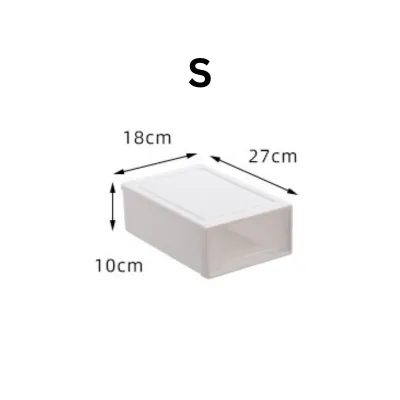
For awkward corners, irregular alcoves, or spaces near low window sills, modular or stackable drawers provide a highly customizable alternative. These systems allow you to mix and match different unit heights and widths to fit the exact contours of your room. You can stack them vertically to create a custom tower in a narrow nook, or arrange them horizontally beneath a window to serve as a low bench-style storage solution. This flexibility is particularly useful in older HDB flats that may feature unique structural columns or recessed walls.
Bedside drawer tables are another smart, dual-purpose option that eliminates the need for separate nightstands and storage chests. By replacing a traditional, single-drawer bedside table with a compact three-drawer unit, you gain valuable storage space within the same floor footprint. When selecting a bedside drawer unit, ensure its height aligns comfortably with the top of your mattress, allowing you to reach items easily from the bed while keeping your nighttime essentials organized.
Avoiding Common Space-Matching Mistakes
One of the most frequent errors in bedroom space planning is failing to account for the full extension of the drawer slides. A drawer unit may fit neatly against your wall when closed, but once you pull the drawers out to access your clothes, the total depth can easily double. Always measure the depth of the unit with the drawers fully extended, and verify that you still have enough space to stand and maneuver comfortably in front of it without being pinned against your bed or wall.
Another critical mistake is ignoring the swing radius of nearby doors and architectural features. This includes not only the main bedroom door and en-suite bathroom doors, but also the doors of built-in wardrobes. If your wardrobe has hinged doors, a drawer unit placed too close can prevent the wardrobe doors from opening fully, or vice versa. Carefully map out these overlapping clearance zones on your floor plan before finalizing your furniture layout.
Adequate ventilation and utility access are also easily overlooked when positioning drawers storage. If you plan to place electronics, chargers, or small appliances on top of your drawer unit, ensure there is sufficient clearance around wall outlets to prevent cables from being pinched or bent. Additionally, avoid blocking air-conditioning vents or placing tall units directly beneath wall-mounted AC units, as this can restrict airflow and make routine maintenance, such as filter cleaning, exceptionally difficult.
Finally, never overlook the logistics of getting the furniture into your home. Before purchasing a large, fully assembled drawer chest, verify its packaged dimensions against the physical limits of your delivery route. Measure the height and width of your HDB lift door, the clearance of any tight staircase turns, and the width of your bedroom door frame. Ensuring the unit can safely navigate these entry points prevents delivery delays, potential damage to your walls, and the frustration of owning a well-designed piece of furniture that cannot fit into your room.
Frequently Asked Questions (FAQ)
How much clearance do I need in front of a drawer unit?
To determine the necessary clearance in front of a drawer unit, use a simple formula: add the maximum extension depth of the drawer to an additional 50 cm to 60 cm of standing space. This extra space ensures that you can stand comfortably in front of the fully opened drawer, bend down, and retrieve items without your back or knees pressing against the bed or adjacent walls. Always check the manufacturer’s specifications to see if the unit uses full-extension or partial-extension drawer slides, as this directly impacts how far the drawer body protrudes when opened.
Can I use deep drawers in a narrow HDB bedroom?
Using deep drawers in a narrow HDB bedroom is possible, but it requires careful layout planning to avoid blocking essential walkways and bed access. When a deep drawer (typically 50 cm or more) is fully extended, it can easily obstruct the narrow passage between the bed and the wall, forcing you to climb over the bed to move around. If you require deep storage, consider alternative configurations such as a tall, narrow drawer tower that utilizes vertical wall space, or integrated under-bed storage drawers that slide out into the wider areas of the room.
Community discussion
Share your experience or ask a question. Comments are reviewed before publication.