
Protecting your bed during a home renovation in Singapore requires a robust barrier that blocks microscopic construction dust, paint splatters, and moisture. The most effective solution is a heavy-duty, disposable polyethylene (PE) mattress bag or a fitted plastic dust cover designed specifically for bedding. These specialized covers seal the mattress completely, preventing fine particles from settling into the fabric and foam layers where they can become permanent allergens.
Why Standard Bedding Fails Against Renovation Dust
Construction dust generated during hacking, tiling, or drywall sanding is vastly different from ordinary household dust. These microscopic particles, often consisting of silica, gypsum, and concrete debris, easily penetrate the woven fibers of standard bedsheets, blankets, and even heavy canvas drop cloths. Once these fine particles settle into the deep layers of a pocket-spring or memory foam mattress, they are incredibly difficult to extract with standard home vacuum cleaners, leading to long-term allergen accumulation.
Furthermore, renovation projects frequently involve wet trades such as painting, plastering, or ceiling leak repairs. Standard bedding materials absorb liquids rapidly, allowing paint splatters or moisture to seep directly through to the mattress surface. This can cause permanent staining, fabric degradation, and structural damage to the mattress foam.
Products mentioned in this guide
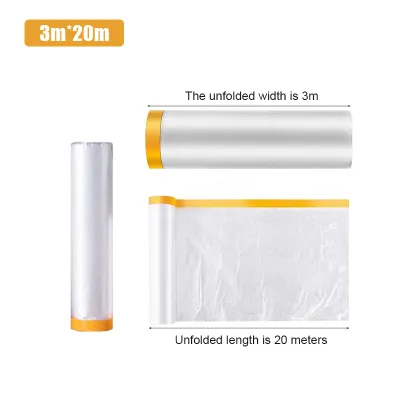
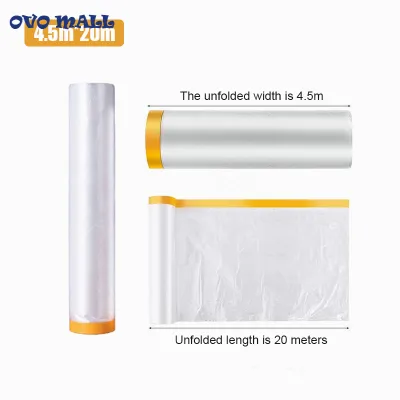
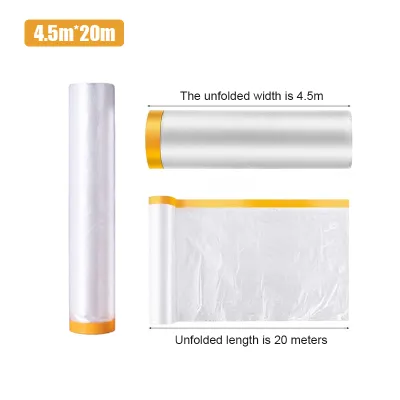
![[2-3 Days Delivery] 4.5m x 20m Plastic Dust Cover Protective Plastic Sheet Disposable Furniture Dustproof Cover Protective Cover Plastic Cover Plastic Film for Home Improvement CNY Gift Present](https://img.lazcdn.com/g/p/37fceab8fc43d4b3b58593d55aae9bcb.jpg_400x400q80.jpg_.webp)
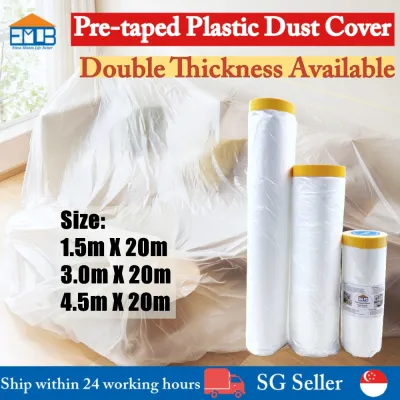
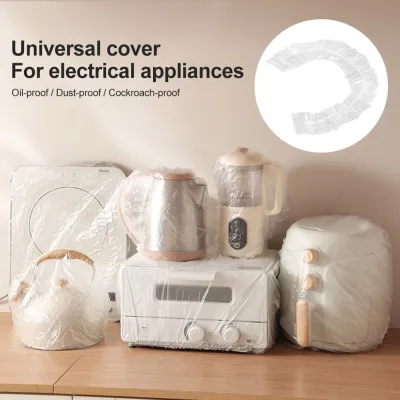
Prices are valid at publication and may change. Please refer to the product page for the latest price.
In Singapore’s highly humid tropical climate, trapping dust and moisture within a mattress creates an ideal breeding ground for mold, mildew, and dust mites. Standard bedding fails to provide the impermeable barrier necessary to keep these elements out, making dedicated plastic protection an essential investment before any renovation work begins.
Core Selection Criteria for Disposable Dust Covers
Selecting the right disposable dust cover requires evaluating several material and design specifications to ensure your bed remains fully protected throughout the renovation process.

Material Composition Polyethylene (PE) is the industry standard for absolute dust and moisture protection. It forms a non-porous, waterproof barrier that completely blocks liquids and fine masonry dust. However, because PE is entirely non-breathable, it can trap residual moisture if the mattress is not completely dry before sealing. Non-woven polypropylene covers offer better breathability, which helps mitigate condensation risks, but they do not provide the same level of liquid resistance unless they feature a specialized laminated backing.
Thickness and Durability The durability of plastic covers is typically measured in mils (thousandths of an inch) or microns. Light-duty covers around 1 mil thick are suitable for short-term projects with minimal dust exposure. For extensive renovations involving active hacking, drilling, or moving heavy tools around the room, heavy-duty covers ranging from 2 to 4 mils are highly recommended. This added thickness provides the puncture and tear resistance needed to withstand accidental contact with tools or sharp bed frame corners.
Edge Designs and Fit Fitted covers featuring elasticized hems function similarly to fitted bedsheets, wrapping securely around the corners of the mattress. They are exceptionally fast to install and stay in place even if the bed is shifted during the project. Flat drop cloths, conversely, are large rectangular sheets that must be draped over the bed and manually secured. While flat sheets offer more versatility for covering entire bed frames and headboards, they require careful taping to prevent dust from blowing underneath.
Surface Treatments Smooth plastic sheeting can be incredibly slippery, creating safety hazards if you need to navigate the room or stack lightweight items on top of the covered bed. Opt for disposable covers that feature textured, anti-slip surfaces. These treatments increase friction, keeping stacked items secure and reducing the risk of slips and falls during the renovation.
Sizing and Fit: Matching Covers to Your Mattress
Achieving a dust-tight seal depends heavily on selecting a cover that matches the exact dimensions of your bed setup.
Measuring Mattress Dimensions Singapore mattresses generally follow standard regional sizing, including Single, Super Single, Queen, and King. However, variations in manufacturing mean you should always measure the exact length and width of your mattress rather than relying solely on the category name.
Accounting for Depth and Accessories Many modern mattresses feature integrated pillow tops, thick memory foam comfort layers, or separate mattress toppers that significantly increase the overall height. A standard Queen mattress might measure 152 centimeters wide by 190 centimeters long, but its depth can range from 20 centimeters to well over 40 centimeters. Ensure the cover you select has sufficient depth to wrap completely around the sides and tuck under the mattress base.
Understanding Tolerances Always choose a cover that is slightly larger than your measured dimensions. A tight, overstretched plastic cover is highly susceptible to tearing at the corners under tension. Allowing a margin of 5 to 10 centimeters of extra space ensures an easier installation process and reduces stress on the material seams.
Enclosure vs. Draping A full mattress enclosure, or mattress bag, slides over the entire mattress and seals at the open end with tape, offering 360-degree protection. This is the ideal choice if the mattress is being moved, stored, or if active hacking is occurring nearby. If the mattress is remaining on the bed frame, a full-bed drape that covers the headboard, mattress, and base is more practical, provided the edges are securely taped to the floor or frame.
Installation and Removal Workflow to Prevent Dust Spread
Applying and removing your disposable dust cover systematically is crucial to ensure that trapped dust does not escape back into your living space.
Pre-Installation Preparation Before sealing your mattress, ensure it is completely clean and dry. Trapping moisture inside a plastic cover in Singapore’s humid climate will inevitably lead to mold and mildew growth within days. Vacuum the mattress thoroughly and let it air out under a fan before applying the cover. Inspect the bed frame for any sharp decorative elements or exposed screws that could puncture the plastic, and cover them with a layer of painter’s tape beforehand.
Securing Techniques When using a flat plastic sheet, drape it evenly over the bed so that it reaches the floor on all sides. Secure the edges to the bed frame or the underside of the mattress using high-quality, low-tack painter’s tape. Avoid using heavy-duty duct tape directly on wooden frames or fabric upholstery, as it can leave a sticky residue or strip away finishes upon removal. For fitted covers, ensure the elasticized edges are tucked deeply under the mattress weight to prevent them from slipping loose.
The Fold-Inward Removal Method When the renovation is complete, the top surface of the cover will be coated in a layer of fine dust. To prevent this dust from becoming airborne, do not pull the cover off quickly. Instead, carefully roll or fold the plastic inward, starting from one end of the bed and moving to the other. This action traps all the accumulated dust and debris inside the rolled plastic, keeping your clean mattress protected during the takedown.
Safe Disposal Practices Once the cover is rolled up, seal the bundle with tape to keep the dust contained. In Singapore, dispose of the soiled cover according to your residential estate’s waste management guidelines. For HDB estates, take large or bulky plastic bundles directly to the ground-floor central bin center rather than forcing them down the internal rubbish chutes, which can cause blockages.
Sourcing and Purchasing Channels in Singapore
Finding reliable disposable dust covers involves knowing where to shop and how to verify product quality before making a purchase.
Local Retailers and Hardware Shops Neighborhood hardware shops located within HDB estates often stock basic plastic sheeting and painter’s drop cloths. For specialized mattress bags, larger home improvement centers and DIY retailers offer a wider selection of sizes and thicknesses, allowing you to physically inspect the material quality before buying.
Online Marketplaces E-commerce platforms provide access to a vast array of dedicated disposable mattress covers. When shopping online, avoid relying solely on product titles. Carefully read the specifications to verify the material thickness in mils or microns and the exact dimensions in centimeters to ensure a proper fit.
Evaluating Seller Credibility Check customer reviews specifically for feedback regarding material durability and sizing accuracy. Look for sellers who offer detailed product photos and clear return policies in case the cover does not match your mattress dimensions upon arrival.
Bulk Packaging Options If your renovation covers multiple bedrooms or is scheduled to last several weeks with periodic cover changes, purchasing bulk rolls of plastic sheeting or multi-packs of mattress bags is generally more economical than buying individual covers.
Frequently Asked Questions (FAQ)
Can I use generic plastic sheeting instead of a purpose-made dust cover?
Yes, generic builder’s plastic sheeting can be used, but it requires more effort to secure. Unlike fitted mattress bags, flat plastic sheeting must be manually cut to size and taped down securely to prevent dust from blowing underneath. Generic sheeting also lacks anti-slip textures, making it highly slippery and potentially hazardous if you need to walk around or stack items on the bed during the renovation.
Are reusable canvas covers better than disposable options for long renovations?
While canvas drop cloths are highly durable and environmentally friendly, they are less effective at blocking fine masonry dust. The woven nature of canvas allows microscopic dust particles to sift through over time, especially during heavy hacking or sanding. Canvas is also heavy, difficult to wash thoroughly in standard home washing machines once saturated with construction dust, and more expensive upfront. For absolute dust protection, a disposable plastic cover remains the most reliable and hygienic option.
Community discussion
Share your experience or ask a question. Comments are reviewed before publication.