
Childproofing an HDB flat requires careful attention to the doors, which often feature a mix of traditional round knobs and modern lever handles. Finding the right door knob cover depends entirely on matching the cover’s physical design to the specific shape, dimensions, and clearance of your existing hardware. By selecting a cover that balances toddler-resistant locking mechanisms with easy adult operation, you can secure bedrooms, kitchens, and utility areas without compromising daily convenience or emergency access.
Identify Your Door Handle Shape and Size
HDB flats across Singapore feature diverse door hardware depending on their build year and renovation history. Older units frequently utilize standard spherical or cylindrical round knobs, whereas newer Build-To-Order (BTO) flats and modern renovations heavily favor sleek, horizontal lever handles. Because these two styles operate on completely different mechanical principles, a cover designed for one will not function on the other.
To ensure a proper fit, you must take precise physical measurements before purchasing any childproofing accessory. For standard round knobs, use a flexible tape measure to find the exact diameter at the widest point of the sphere, as well as the depth from the door face to the front of the knob. For lever handles, measure the total length of the lever arm, the width of the handle profile, and the thickness of the bar itself.
Products mentioned in this guide
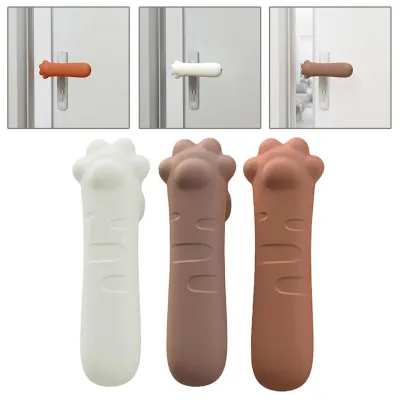
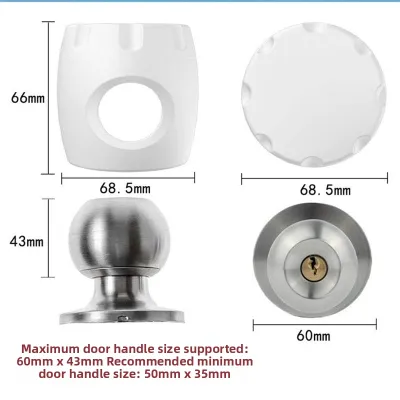
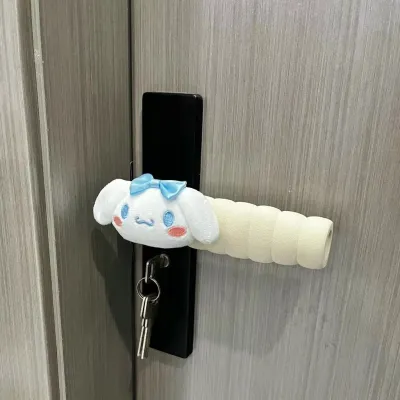
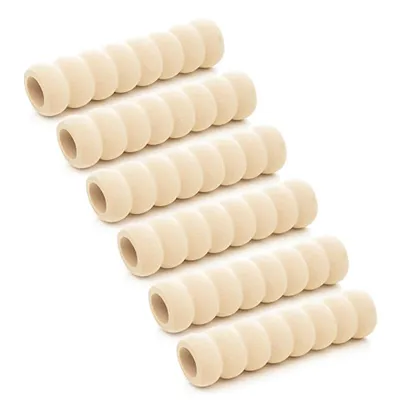
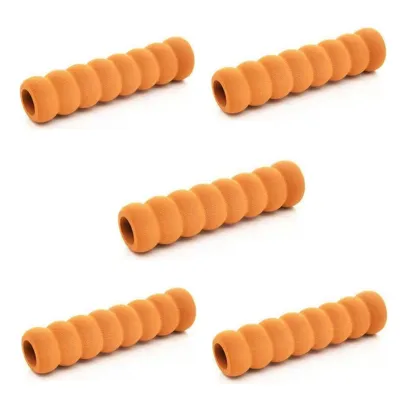
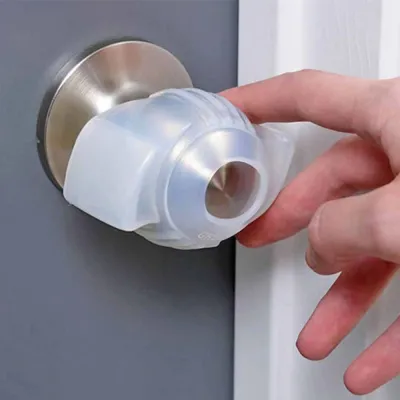
Prices are valid at publication and may change. Please refer to the product page for the latest price.
Equally important is the clearance space behind and around the handle. Measure the distance between the inner edge of the handle and the flat surface of the door panel. If this gap is too narrow, a bulky plastic cover may scrape against the door paint during operation or fail to close and latch securely around the base of the hardware.
Additionally, observe the spacing between the door handle and the door frame. Some HDB bedroom doors are installed with tight tolerances, meaning a wide cover could strike the frame when the door is closed. Ensuring there is sufficient lateral clearance prevents the cover from cracking or preventing the door from latching properly.
Selecting the Right Locking Mechanism for Toddlers
The primary goal of a door knob cover is to exploit the developmental limits of a toddler’s hand size and grip strength. For round knobs, dual-button squeeze mechanisms are highly effective. These covers encase the knob in a free-spinning plastic shell; an adult must pinch two specific release buttons simultaneously to grip and turn the actual knob inside, a multi-step action that small children cannot coordinate.

Lever handles require a different approach, typically utilizing lock guards, sliding shields, or clamp-style blocks. These devices physically obstruct the downward movement of the lever arm. To open the door, an adult must press a concealed release button or slide a locking tab while pulling or pushing the handle, effectively neutralizing the simple downward pushing force that toddlers naturally apply.
While toddler resistance is crucial, the mechanism must remain manageable for adults, especially during emergencies or when carrying household items. Test the dexterity required to operate the cover with one hand. Additionally, inspect the physical build of the cover before installation; ensure it features smooth, rounded edges to prevent scratches, uses durable plastics that resist cracking under pressure, and contains no small, detachable parts that could pose a choking hazard if pried loose.
When evaluating materials, prioritize covers made from sturdy, non-toxic plastics such as polypropylene. Since toddlers often explore their environment through touch, verifying that the product is free from harmful chemical additives is a key safety step. Check the manufacturer’s product specifications to confirm the material composition before making a purchase.
Installation Tips and Safety Boundaries
Proper installation is key to ensuring the cover functions as intended without slipping or failing. Before mounting any device, thoroughly clean the door handle and the surrounding panel with a mild soap solution or rubbing alcohol to remove oils, dust, and fingerprint residue. A clean, dry surface is particularly vital for friction-fit covers, which rely entirely on a tight, non-slip grip against the metal or timber hardware.
Once the cover is in place, perform a rigorous manual stability test to simulate the persistent actions of a curious toddler. Apply firm pulling, twisting, and downward hanging forces to the cover to verify that it remains locked and does not slide out of alignment. If the cover shifts or rotates freely without engaging the safety lock, it must be adjusted or replaced.
Establish a routine to inspect all installed childproofing covers on a weekly basis. Daily use by multiple family members can gradually loosen friction joints or weaken plastic hinges. A quick physical check ensures that any structural degradation is caught early, maintaining a reliable barrier against unsupervised access.
No childproofing device is entirely foolproof, and wear and tear can compromise safety over time. Regularly inspect the plastic for signs of stress, such as hairline cracks, discoloration, or loose hinges. If a cover becomes loose, slips during testing, or shows physical damage, remove it immediately; a compromised cover can create a false sense of security or break into sharp, hazardous fragments.
Alternative Childproofing Solutions for Incompatible Doors
Some HDB doors feature oversized, custom-designed, or highly ornamental handles that cannot accommodate standard commercial covers. In these situations, alternative childproofing methods are necessary. For lever handles with unusual shapes or minimal clearance, top-of-door lever locks or heavy-duty handle straps can restrict movement from a height that remains completely out of a toddler’s reach.
Sliding doors, which are common in HDB kitchens, bathrooms, and balcony partitions, present a different challenge because they lack traditional rotating knobs. For these setups, temporary door stoppers, hinge pinch guards, or specialized sliding door locks mounted high on the frame are excellent alternatives. These devices prevent the door from sliding open or slamming shut on small fingers without requiring handle-specific enclosures.
Before installing any childproofing hardware, consider the long-term impact on the door assembly and your living arrangements. If you reside in an HDB rental flat or have recently installed expensive custom timber doors, review your tenancy agreement or the door manufacturer’s warranty guidelines. Avoid drilling or using permanent, high-strength adhesives that can tear laminates or strip paint; instead, prioritize non-invasive clamp-on or friction-fit solutions.
For households with older children or multiple adults, ensure that any alternative lock or strap can be easily bypassed from both sides of the door. This prevents accidental lockouts, which can occur if a child engages a one-way security strap from the inside of a room. Choosing dual-sided bypass mechanisms preserves both safety and accessibility.
Frequently Asked Questions (FAQ)
Can I use a round door knob cover on a lever handle?
No, round door knob covers are physically incompatible with lever handles. A round cover is designed to enclose a spherical shape and spin freely, whereas a lever handle requires a device that blocks vertical downward movement. Attempting to force a round cover onto a lever handle can damage the internal spring mechanism of your door hardware or leave the lever partially exposed, allowing a toddler to easily push it down and open the door.
Will adhesive door knob covers damage my HDB door paint?
Strong chemical adhesives can peel off paint, varnish, or decorative laminates when removed, especially on standard wooden or laminated HDB doors. To protect your door’s finish, always test the adhesive on a small, hidden area near the bottom hinge before full application. Alternatively, look for friction-fit, clamp-style, or over-the-handle locks that secure tightly using mechanical tension rather than sticky glues.
Community discussion
Share your experience or ask a question. Comments are reviewed before publication.