
To protect your floors from unsightly scratches, scuffs, and irritating scraping noises, choosing the right material for your chair socks is essential. The ideal chair sock material depends directly on your specific flooring type, how often the furniture is moved, and your home’s environmental conditions. By selecting between felt, silicone, and fabric options, you can preserve your floor’s finish and ensure your chairs glide or grip exactly as intended.
In high-traffic households, the friction generated by sliding chairs can quickly wear down protective floor coatings. Whether you are dealing with delicate engineered timber, polished marble, or durable homogeneous tiles, matching the protective material to the floor’s physical properties is the most effective way to prevent long-term damage.
Quick Guide: Which Chair Sock Material Do You Need?
Chair socks serve as a protective barrier between the hard, often sharp edges of furniture legs and the finished surface of your flooring. Their primary functions are to prevent abrasive scratches, dampen the harsh noise of dragging furniture, and manage sliding friction. However, not all materials perform the exact same way under pressure, and choosing the wrong type can lead to accelerated wear or even floor discoloration.
Products mentioned in this guide
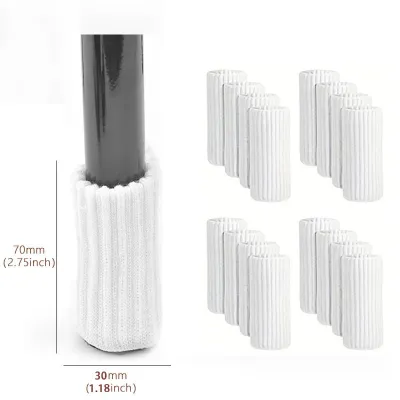
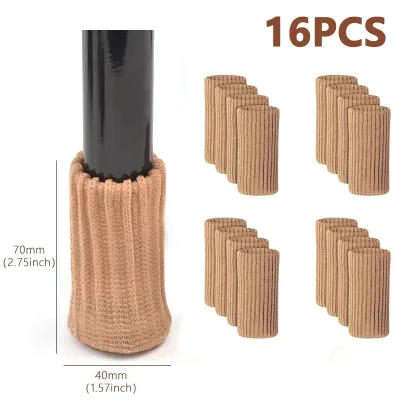
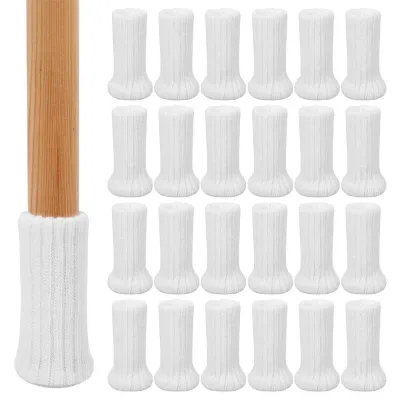
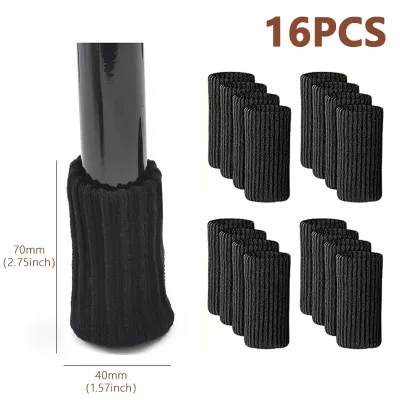
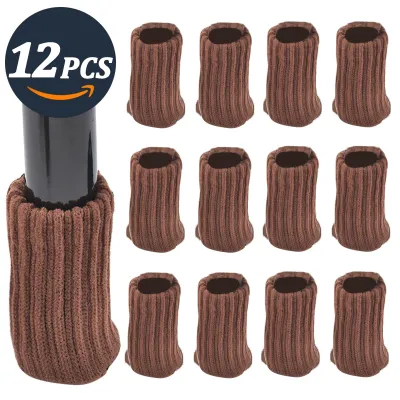
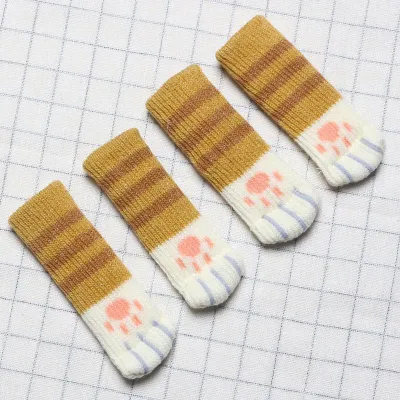
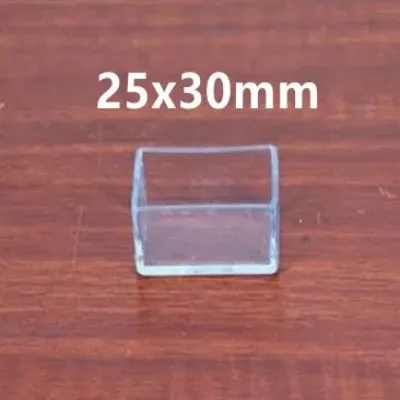
Prices are valid at publication and may change. Please refer to the product page for the latest price.
- Felt: Best for smooth gliding on hard, dry surfaces. Felt minimizes friction, allowing heavy dining chairs to slide effortlessly across hardwood, laminate, or parquet floors without leaving micro-scratches.
- Silicone: Ideal for anti-slip stability and moisture resistance. Silicone grips the floor surface, making it excellent for keeping chairs firmly in place on smooth ceramic tiles, vinyl, or polished stone, while protecting against liquid spills.
- Fabric and Knit: Best for aesthetic flexibility and light-duty use. These woven options stretch easily over irregular leg shapes, offering basic scratch prevention and a cozy, customizable look for low-use accent furniture.
Your core decision factor should always be the balance between mobility and stability. If you need to pull chairs in and out multiple times a day, look toward low-friction materials like felt. If safety and slip prevention are your priorities, particularly on slick surfaces, silicone is the superior choice.
Felt Chair Socks: Smooth Gliding for Hardwood and Laminate
Felt is the traditional standard for floor protection, prized for its exceptionally low coefficient of friction. When applied to the bottom of a chair leg, high-density felt allows the furniture to glide smoothly across smooth, scratch-prone surfaces. This seamless sliding action is particularly crucial for protecting natural hardwood, engineered timber, and laminate floors, which can easily suffer deep gouges from trapped dirt or raw wood-on-wood contact.

In addition to excellent glide, felt is highly effective at acoustic dampening. The dense, fibrous structure of the material absorbs the impact and vibration of moving furniture, eliminating the high-pitched screech that often echoes through open-plan living spaces. This makes felt-bottomed protectors highly popular for dining room chairs that are moved frequently throughout the day.
However, felt has distinct physical limitations that you must monitor over time. The fibers naturally compress under heavy, concentrated loads, which gradually reduces their cushioning ability. Furthermore, felt acts as a magnet for dust, pet hair, and airborne grit. In a typical household, these small particles can become deeply embedded in the felt matrix. If the socks are not regularly cleaned or replaced, this trapped debris can turn the soft felt into an abrasive pad, scratching the very floor it was meant to protect.
Felt is also highly susceptible to moisture damage. In areas prone to spills or high humidity, such as kitchens or bathrooms, wet felt can harbor mold, lose its structural integrity, and potentially stain wood finishes. When selecting felt chair socks, prioritize high-density synthetic polyester or wool blends. Verify that the product features a reinforced base layer or an integrated elastic collar to ensure the sock remains securely anchored to the chair leg during movement.
Silicone Chair Socks: Anti-Slip Grip for Tiles and Vinyl
Silicone chair socks offer a modern, highly durable alternative designed for maximum traction and environmental resistance. Unlike felt, pure silicone has a high-grip surface that prevents chairs from sliding easily. This characteristic is highly beneficial if you want to keep furniture firmly in place, preventing chairs from rolling or sliding backward when family members sit down or stand up.
One of the greatest advantages of silicone is its complete resistance to moisture and liquids. If a spill occurs in the dining room or kitchen, the silicone material will not absorb the liquid or degrade. It can be easily wiped clean with a damp cloth, making it a highly hygienic option for busy households, families with young children, or pet owners. The inherent flexibility of silicone also allows it to stretch snugly over various chair leg profiles—whether round, square, or tapered—forming a tight, nearly invisible seal.
However, this high-friction grip presents challenges when you actually want to move the furniture. Dragging a heavy chair fitted with high-grip silicone socks can cause the material to catch on floor joints, grout lines, or uneven tile edges. This sudden resistance can place structural strain on the chair legs, cause the sock to tear, or even cause the chair to tip over.
To optimize the balance between grip and mobility, many manufacturers produce hybrid silicone socks. These designs feature a flexible silicone sleeve for a secure fit on the chair leg, paired with an integrated felt pad molded onto the bottom. When shopping, check the flexibility and thickness of the silicone walls to ensure they can withstand repeated stretching without tearing, and look for reinforced bases if your chairs are heavy.
Fabric and Knit Chair Socks: Aesthetic Coverage for Light Use
Fabric and knit chair socks, often made from heavy-duty cotton, acrylic, or polyester yarns blended with spandex, offer a soft and visually warm approach to floor protection. These socks function primarily by covering sharp wooden or metal edges, preventing direct, harsh contact with your flooring. They are highly versatile and stretch easily over highly irregular or ornamental furniture legs that standard rigid protectors cannot accommodate.
From a design perspective, fabric socks provide a wide array of colors, patterns, and textures. This allows you to match the protectors to your upholstery, curtains, or overall interior decor, turning a functional utility into a subtle design accent. They are particularly well-suited for light-duty furniture, such as vanity stools, bedroom accent chairs, or study chairs that experience infrequent movement.
Despite their visual appeal, knit socks lack the heavy-duty durability required for high-traffic dining areas. The woven fibers can easily snag on rough wood grain, pet claws, or metal fasteners. Over time, the elastic fibers within the knit can stretch out, causing the socks to sag, bunch up, or slip off the chair legs entirely, leaving the floor exposed to sudden impacts.
Maintenance is another key consideration for fabric options. Because they are woven, they collect household dust, lint, and grit very quickly. To prevent this trapped grit from grinding into your floor’s finish, you must wash them regularly. Before purchasing, verify the manufacturer’s care instructions; most high-quality knit socks require gentle hand washing or machine washing in a protective mesh bag to preserve their elastic properties and prevent shrinking.
How to Match Chair Sock Materials to Your Floor Type
Selecting the right chair sock material requires a direct comparison of how each option interacts with your specific flooring material. The table below outlines the performance characteristics of each option across key residential metrics:
| Material | Best Floor Type | Glide Quality | Grip Level | Moisture Resistance | Maintenance Effort |
|---|---|---|---|---|---|
| Felt | Hardwood, Laminate, Parquet | Excellent | Low | Low | Moderate (requires vacuuming) |
| Silicone | Ceramic/Porcelain Tiles, Vinyl | Low to Moderate | High | Excellent | Low (wipe clean) |
| Fabric / Knit | Light-duty Hardwood, Tiles | Moderate | Low | Low | High (regular washing) |
Hardwood & Laminate Flooring
For natural hardwood, engineered timber, and laminate floors, high-density felt is the gold standard. These floors are highly sensitive to micro-scratches from fine grit. The low-friction glide of felt minimizes the downward pressure and lateral scraping forces that damage polyurethane or wax finishes. Avoid pure silicone on these surfaces if you move the chairs frequently, as the high grip can cause dragging forces that stress the wood joints.
Ceramic & Porcelain Tiles
Tile floors feature grout lines that can act as speed bumps for furniture. Pure felt pads can quickly fray or catch on these uneven joints, while pure silicone can grip too tightly. For tiled areas, a hybrid silicone sock with an integrated felt bottom is highly recommended. The silicone sleeve keeps the protector securely attached to the leg, while the felt bottom allows the chair to transition smoothly over grout lines without catching.
Vinyl & Linoleum Flooring
Vinyl and luxury vinyl tile (LVT) floors are highly durable but can be susceptible to chemical staining and scuffing. While silicone is excellent for its moisture resistance on vinyl, you must check your flooring manufacturer’s warranty guidelines. Some low-quality rubber or silicone compounds contain plasticizers that can migrate into the vinyl over time, causing permanent yellowing or discoloration. Always opt for high-quality, non-staining silicone or dense felt.
Furniture Weight Considerations
The weight of your furniture plays a crucial role in material selection. Heavy solid-wood dining chairs or armchairs exert significant downward pressure. Under these conditions, thin felt or low-grade fabric socks will quickly compress to the point of uselessness, allowing the hard chair leg to press directly through the material. For heavy pieces, choose reinforced, extra-thick felt or heavy-duty hybrid silicone cups with structured bases to prevent bottoming out.
Installation and Maintenance for Lasting Floor Protection
To ensure your chosen chair socks provide reliable, long-lasting protection, proper installation and routine upkeep are essential. Neglecting these steps can lead to premature wear of the protector or unexpected damage to your floor.
Preparing the Chair Legs
Before installing any new chair socks, you must thoroughly clean the bottom of each chair leg. Remove any old adhesive residue, dirt, grease, or wax buildup. If you are using a commercial adhesive remover or rubbing alcohol to clean the legs, first check the furniture manufacturer’s care instructions. If those instructions are unavailable or if you are unsure of how the solvent will react with the wood finish, test a small, hidden area of the chair leg first to prevent stripping the varnish or stain. Ensure the wood or metal is completely dry before slipping the sock on, as trapped moisture can cause mold growth or damage the furniture’s finish.
Verifying the Fit
Measure the diameter (for round legs) or width (for square legs) of your chair feet carefully using a ruler or caliper. Chair socks are designed to fit specific size ranges. A sock that is too small will be over-stretched, which rapidly degrades its elasticity and causes the material to split. Conversely, a sock that is too large will slide around, bunch up under the foot, or slip off entirely during use. The sock should fit snugly, covering the entire contact point of the leg without loose pockets.
Routine Inspection and Maintenance
Establish a habit of inspecting your chair socks every few months. Vacuum felt and fabric socks regularly using an upholstery attachment to pull out embedded dust and grit. If you notice fabric socks becoming loose, wash them according to the care label to help restore some of their elastic shape. For silicone socks, wipe them down with a damp cloth to remove sticky spills or dust that might compromise their grip.
Replacement Triggers
No floor protector lasts forever. Replace your chair socks immediately if you observe any of the following warning signs:
- The felt has compressed into a hard, shiny, or glazed disc that no longer cushions impact.
- There is visible wear-through, exposing the raw wood or metal of the chair leg.
- The silicone sleeve shows signs of splitting, tearing, or cracking along the edges.
- The elastic in fabric socks has completely degraded, causing them to pool around the base of the leg.
Frequently Asked Questions (FAQ)
Can I use felt chair socks on outdoor or patio furniture?
Felt chair socks are not suitable for outdoor use. Felt is highly porous and will quickly absorb rainwater, morning dew, and ambient humidity. When wet, the fibers trap dirt, sand, and outdoor debris, turning the felt into a highly abrasive surface that will scratch your patio tiles or decking. Furthermore, constant moisture exposure causes felt to rot, harbor mold, and lose its adhesive or structural bonding. For outdoor environments, check the manufacturer’s specifications for heavy-duty, UV-resistant plastic glides or outdoor-rated silicone caps designed to withstand weathering and rough surfaces.
Do silicone chair socks leave marks on vinyl flooring?
High-quality, food-grade or medical-grade silicone is chemically stable and generally safe for vinyl flooring. However, low-quality silicone blends or cheap rubber alternatives often contain inexpensive plasticizers. Over time, these chemicals can migrate from the protector into the vinyl floor’s wear layer, resulting in permanent yellowing, dark scuff marks, or dull patches that cannot be cleaned. To safeguard your floors, always purchase high-quality silicone protectors from reputable manufacturers, check your vinyl flooring warranty for material restrictions, and perform a spot test by placing a protector in an inconspicuous area (such as inside a closet or under a heavy appliance) for a few weeks to verify compatibility.
Community discussion
Share your experience or ask a question. Comments are reviewed before publication.