
Choosing the right chair felt pad depends on matching the pad’s density, thickness, and attachment method to the specific vulnerabilities of your floor—whether it is the hard but uneven surface of tiles, the pressure-sensitive nature of vinyl, or the scratch-prone surface of parquet. Selecting the correct protector prevents costly floor damage and keeps your chairs sliding smoothly.
Assessing Your Floor Type and Vulnerability
Each flooring material presents distinct vulnerabilities when subjected to the daily movement of dining or office chairs. Understanding these specific risks is the first step in choosing a protective barrier that performs reliably without causing secondary damage.
Tile floors are exceptionally durable and hard, but they present a unique hazard in their grout lines. These recessed joints easily trap dust, grit, and small debris. As a chair slides across the floor, a felt pad can catch on these uneven edges, scraping trapped particles across the tile face and causing fine scratches over time. For tiles, you need a pad that maintains structural stability and does not shred when passing over grout lines.
Products mentioned in this guide
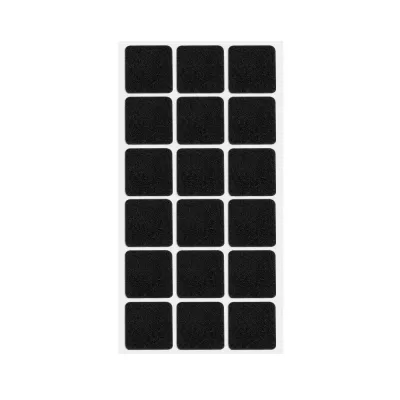
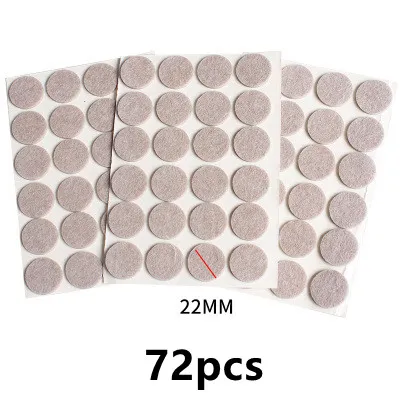
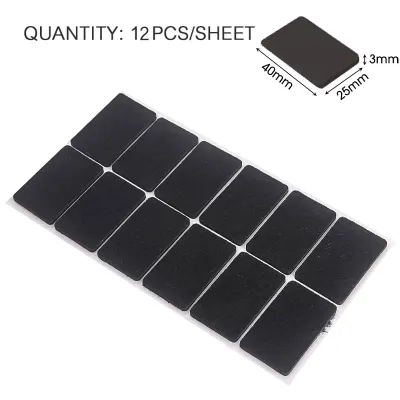
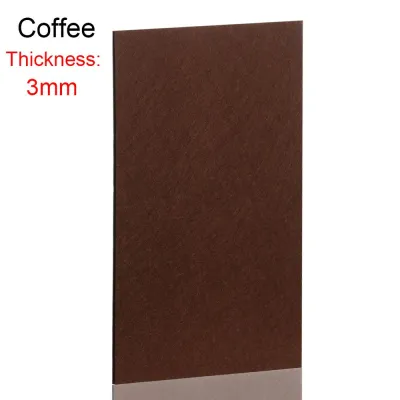
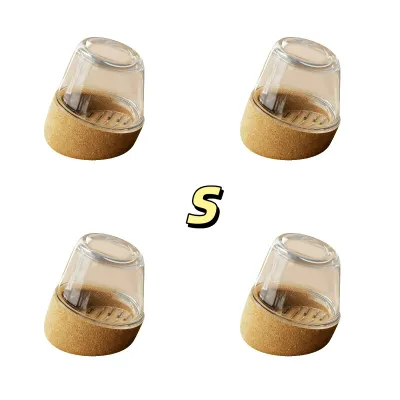
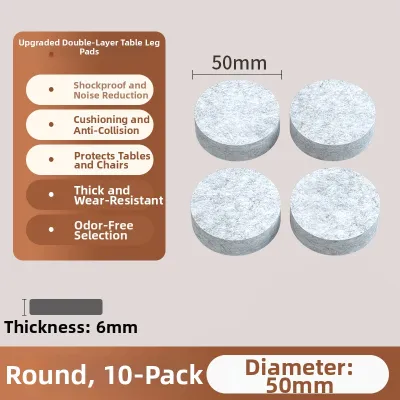
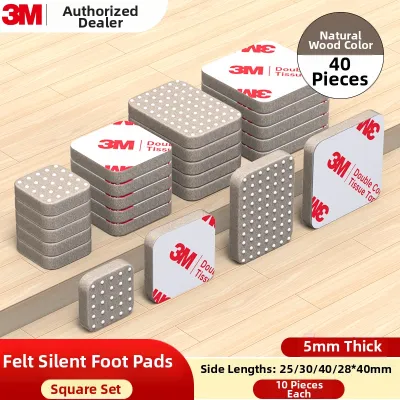
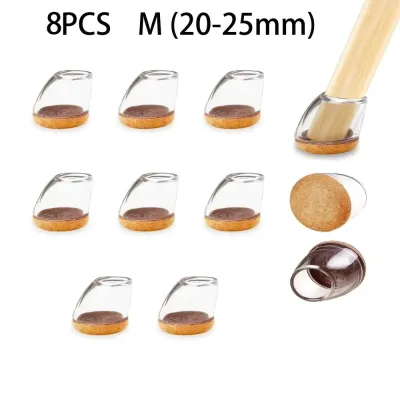
Prices are valid at publication and may change. Please refer to the product page for the latest price.
Vinyl flooring offers a softer, more cushioned feel underfoot, but this flexibility makes it highly susceptible to indentation. Heavy point loads from chair legs can leave permanent dents in the vinyl surface. To protect vinyl, the primary goal is weight distribution. Choosing wider pads helps spread the downward force across a larger surface area, minimizing the risk of deep pressure marks.
Parquet and solid wood floors are the most sensitive to both physical abrasion and moisture. The delicate top coat of varnish or oil scratches easily when even tiny grains of sand get caught beneath a chair leg. Furthermore, parquet is highly sensitive to moisture and chemical reactions from low-quality adhesives. This floor type demands high-density felt pads that resist grit embedding and use wood-safe attachment methods.
Matching Felt Thickness and Density to Floor Hardness
Selecting the right pad requires looking beyond simple thickness. You must evaluate the weight of the chair, the average weight of its occupants, and how frequently the furniture is moved. Heavy dining chairs used daily require a much higher load-bearing capacity than a lightweight accent chair in a guest room.

For softer floors like vinyl, wider or thicker pads are highly beneficial because they increase the contact patch, distributing weight and preventing the chair legs from sinking. Conversely, hard tile floors demand high-density felt. Soft, fluffy felt pads will quickly wear down or tear apart when dragged repeatedly across hard tile surfaces and grout lines. High-density felt offers the necessary resistance to withstand this abrasive friction.
When shopping, check the product packaging or manufacturer specifications for density ratings and load indicators. Do not assume that a thicker pad is automatically more durable; a thick but low-density pad will compress flat almost immediately under weight. Look for labels that explicitly state the material density or specify suitability for heavy-duty use.
If a product packaging lacks clear information regarding floor-type compatibility, weight limits, or density, it is best to stop and consult the manufacturer. Using an unrated pad on sensitive parquet or heavy chairs can lead to rapid failure and unexpected floor damage.
Choosing the Most Secure Attachment Method
The way a felt pad attaches to a chair leg is just as critical as the felt itself. A detached or misaligned pad is one of the primary causes of sudden, severe floor scratches, as the exposed bare wood, metal, or plastic of the chair leg scrapes directly across the floor. Prioritizing attachment security ensures long-term protection.
Adhesive felt pads are highly popular and work well on flat, clean chair leg bottoms. However, you must verify whether the adhesive is rated as safe for your specific floor type, particularly parquet. Over time, the combination of pressure and ambient warmth can cause some adhesives to degrade, leaving a sticky residue on the floor or sliding off the leg entirely.
For tubular metal or plastic chair legs, slip-on caps or wrap-around sleeves offer an excellent alternative. These options provide a physical grip around the outside of the leg, ensuring the felt remains centered and secure without relying solely on glue. They are highly visible, making it easy to see if they require adjustment.
For heavy wooden furniture, screw-on or tap-in glides offer the most secure and permanent hold. These glides feature a metal or plastic base that screws directly into the wooden leg, with a thick felt pad integrated into the bottom. Before installing these, ensure the chair leg material is thick enough to accommodate the screw without splitting, and pre-drill pilot holes to protect the wood.
Installation and Ongoing Maintenance for Scratch Prevention
Proper installation is essential to prevent premature pad failure. Before applying any new pad, thoroughly clean the bottom of the chair legs. Use a damp cloth or a mild cleaning agent to remove accumulated dust, grease, or old adhesive residue, and let the wood dry completely. Any remaining debris will prevent a secure bond, causing the pad to slip off quickly.
If you are using self-adhesive pads, pay close attention to the manufacturer’s instructions regarding curing time. Many adhesives require several hours to bond fully to the chair leg. Avoid sliding or sitting on the chairs during this curing period, as premature movement can shift the pad and ruin the adhesive bond.
Ongoing maintenance is the key to protecting sensitive parquet and vinyl floors over the long term. Regularly inspect the bottom of your chair legs. Felt pads act like magnets for small household particles, including sand, pet hair, and grit. If these hard particles become embedded in the felt, the pad itself transforms into an abrasive sandpaper-like surface that will scratch your floors.
Check the pads for signs of thinning or hardening. Over time, constant pressure compresses the felt fibers, reducing their cushioning ability. You should replace the pads immediately if you notice the felt has worn down to the adhesive layer, if the hard plastic or metal base of a glide is exposed, or if the pad has become hard and compacted.
Frequently Asked Questions (FAQ)
Can I use the same felt pads for indoor parquet and outdoor tiles?
Outdoor tiles are exposed to moisture, temperature fluctuations, and outdoor dirt, which differ significantly from indoor conditions. Standard indoor felt pads are highly absorbent; they will soak up rainwater and mud, causing the felt to rot, the adhesive to fail, and abrasive grit to become trapped. For outdoor furniture, check product labels for water-resistant materials or specialized plastic glides designed specifically for outdoor use rather than using standard indoor felt.
Do adhesive felt pads leave residue on vinyl or parquet?
Yes, low-quality adhesives or pads subjected to heavy, prolonged pressure can leave a sticky residue on vinyl or parquet floors. This often happens when the adhesive shears under lateral movement, sliding off the leg and exposing the glue to the floor. To prevent this, test the adhesive on an inconspicuous area first, or choose physical attachment methods like slip-on caps or screw-on glides that eliminate adhesive contact with your flooring.
How do I know when it is time to replace the felt pads?
There is no fixed timeline for replacing felt pads, as wear depends entirely on chair weight, usage frequency, and floor texture. Instead, perform regular visual and tactile checks. Replace the pads as soon as they feel hard and compressed, show visible thinning, or begin to slide off center. If you hear a scraping sound when moving the chair, inspect and replace the pads immediately.
Community discussion
Share your experience or ask a question. Comments are reviewed before publication.