
Protecting newly purchased furniture and appliances during a Build-To-Order (BTO) renovation requires a strategic approach to packaging. During the active renovation phase, a home becomes a busy work zone filled with fine concrete dust, sharp tools, heavy ladders, and moving equipment. Standard plastic sheets might keep the dust off, but they offer very limited protection against physical impacts, accidental scrapes, or structural pressure.
Selecting the correct bubble wrap roll involves matching the bubble diameter and plastic thickness to the specific vulnerability of each item, while accurately calculating the roll dimensions to avoid running out mid-project. By understanding how to evaluate these specifications and apply them correctly, you can safeguard your dining tables, sofas, and delicate electronics from costly damage before you even move in.
Decoding Bubble Wrap Specifications for Furniture Protection
To make an informed purchase, you must first understand the technical specifications of bubble wrap. The two primary variables that determine the protective capability of any bubble wrap roll are the bubble diameter and the plastic thickness. These two factors work together to provide cushioning and puncture resistance, but they serve very different protective functions.
Products mentioned in this guide
![91m/20m/10m BubbLest™ [FREE PENKNIFE] Bubble Packaging Material Direct Singapore Manufacturer | Clingwrap | Plasticwrap | Cling Wrap | Plastic Wrap | Bubble Roll |](https://img.lazcdn.com/g/p/118908581c7285d2410f3d4422311ca0.png_400x400q80.png_.webp)
![[Bundle] Bubble Wrap® 50cm x 20m (2rolls of 10m) + 2x OPP Clear Tape (48mm x 50m) + 4x Free Fragile Stickers | Packing & Shipping Essentials](https://img.lazcdn.com/g/p/3057c4b87b8d90de6b34a7ff29eaa6df.jpg_400x400q80.jpg_.webp)
Prices are valid at publication and may change. Please refer to the product page for the latest price.
Bubble diameter typically falls into two main categories: small bubbles and large bubbles. Small bubbles are designed primarily to prevent surface scratches, abrasions, and minor scuffs. They are highly flexible, making them suitable for wrapping tightly around complex shapes, delicate handles, and small decorative items. However, because they contain less air volume per bubble, they easily bottom out under heavy loads, offering minimal protection against heavy impacts.
Large bubbles are engineered for shock absorption and void filling. The larger volume of trapped air acts as a robust cushion that can absorb significant impact forces if a piece of furniture is bumped against a door frame or dropped slightly during transit. These larger bubbles are suitable for heavy items, but their bulkiness makes them less practical for tight wrapping around small, intricate objects.
Plastic thickness is the unsung hero of furniture protection. Even the largest bubbles will fail if the plastic film itself punctures or tears easily. Thickness is generally categorized into light-duty, medium-duty, and heavy-duty grades. Light-duty wraps are thin and highly pliable, but they can easily tear when exposed to sharp wooden corners, metal brackets, or rough edges. Heavy-duty wraps use a thicker plastic film that resists punctures, ensuring the bubbles remain intact even when subjected to friction and shifting during transport.
Because exact specifications, materials, and terminology vary significantly among manufacturers, you should always check the detailed product descriptions and labels rather than relying on generic marketing terms. Look for specific measurements of bubble height, diameter, and film thickness to ensure the product meets your renovation needs.
Matching Bubble Size and Thickness to Your BTO Items
Not all household goods require the same level of protection. Wrapping a solid wood dining table requires a completely different approach than wrapping a delicate smart television or a glass cabinet door. To avoid wasting material while ensuring adequate safety, you should categorize your BTO items based on their weight, surface fragility, and vulnerability to impact.

A practical decision-making framework involves assessing the primary risk for each item. For lightweight items with highly polished surfaces, scratch prevention is the main goal. For heavy, structural pieces, impact absorption and corner protection are paramount. Additionally, you must identify sharp edges, protruding hardware, and metal legs that can easily pop standard bubbles, requiring localized reinforcement before the main wrapping begins.
Delicate Surfaces, Electronics, and Light Appliances
Delicate surfaces, flat-screen televisions, smart home hubs, and small kitchen appliances require a gentle but highly secure protective layer. For these items, small, densely packed bubbles are a practical choice. The high density of the bubbles ensures continuous contact with the flat surfaces, distributing any external pressure evenly and preventing localized scratches.
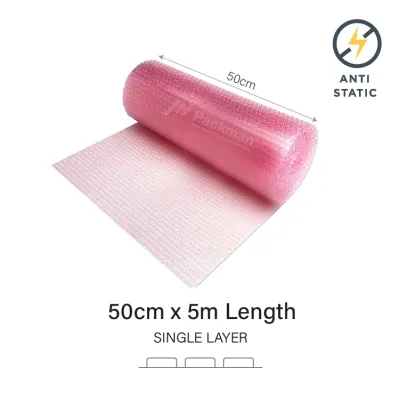
When wrapping sensitive electronics, standard bubble wrap can pose a hidden danger: static electricity. The friction of plastic against electronic components can generate static charges that damage internal circuitry. For smart TVs, computer monitors, and audio equipment, you should look for anti-static bubble wrap, which is typically tinted pink. This specialized wrap contains additives that prevent static buildup, keeping your electronics safe from both physical and electrical damage.
For glossy wood finishes, lacquered cabinets, and painted metal surfaces, dust trapped under the bubble wrap can act as an abrasive when the wrap shifts. To prevent this, always ensure the furniture is thoroughly clean and dry before wrapping. Applying a soft base layer, such as packing paper or foam wrap, before securing the bubble wrap can provide an extra layer of defense against micro-scratches.
Heavy Furniture, Glass, and Fragile Mirrors
Heavy furniture, large glass panels, and fragile mirrors demand a heavy-duty protection strategy. These items are highly susceptible to structural damage from drops, bumps, and heavy impacts. For these objects, large bubble wrap rolls are essential, as they provide the deep cushioning needed to absorb significant forces.
When dealing with large dining tables, glass display cabinets, or full-length mirrors, a single layer of bubble wrap is rarely sufficient. You should plan to apply multiple layers, focusing particularly on the corners and edges. Glass panels should be wrapped tightly, and you should consider sandwiching them between sheets of heavy cardboard before applying the bubble wrap to distribute any localized pressure.
It is crucial to recognize that bubble wrap alone is not a complete solution for extreme weight. For very heavy items like solid oak sideboards, stone countertops, or large washing machines, bubble wrap must be combined with other protective materials. Utilizing thick moving blankets, foam edge guards, and heavy-duty corner protectors in conjunction with your bubble wrap roll will create a comprehensive defense system capable of handling severe impacts.
Calculating the Right Roll Dimensions and Quantity
One of the most common mistakes during BTO preparation is purchasing the wrong size or quantity of bubble wrap. Running out of wrap mid-project can halt your preparation, while buying excessively wide rolls for small items leads to unnecessary waste and awkward handling. To optimize your budget and workflow, you must calculate your requirements systematically.
First, consider the roll width. Bubble wrap rolls are commonly available in widths ranging from 30 cm to 100 cm or more. Narrow rolls (30 cm to 50 cm) are highly manageable and suitable for wrapping chair legs, small appliances, picture frames, and individual drawer fronts. Wide rolls (75 cm to 100 cm or wider) are necessary for large items like sofas, mattresses, dining tables, and wardrobes. Trying to wrap a large sofa with a narrow roll requires multiple overlapping passes, which wastes tape and creates weak seams that can easily split.
To estimate the total length of bubble wrap needed, start by listing all the items that require protection. For each item, calculate the surface area and multiply it by the number of layers you plan to apply. For example, a standard dining table top measuring 1.6 meters by 0.8 meters has a surface area of 1.28 square meters. If you plan to apply three layers of wrap, you will need approximately 3.84 square meters of bubble wrap just for the tabletop, plus extra for the legs and edges.
When wrapping complex shapes, such as armchairs with curved backs or dining chairs with intricate spindles, the wrapping process is rarely neat. You will inevitably need to cut, fold, and overlap the material to secure these irregular forms. Therefore, you should always add a buffer of at least 15% to 20% to your final calculated length to account for cutting errors, overlapping seams, and unexpected padding needs.
Essential Packing Materials and Safe Wrapping Techniques
Having the right bubble wrap roll is only half the battle; applying it correctly is what ensures your furniture survives the renovation unscathed. Improper wrapping techniques can actually cause damage to your items, particularly when adhesives interact with delicate finishes.
A critical rule of furniture protection is to never apply adhesive packing tape directly to wood, leather, varnished, or painted surfaces. The adhesive on standard packing tape can leave a sticky residue that is extremely difficult to remove, or worse, it can strip away varnishes, paint, and delicate wood veneers when peeled off. Instead, always secure the bubble wrap to itself, or use stretch film (shrink wrap) as a non-adhesive binding layer. Wrapping the item in stretch film first, or using it to hold the bubble wrap in place, provides a secure hold without any risk of adhesive damage.
When applying the bubble wrap, the orientation of the bubbles matters. You should always wrap with the bubbles facing inward, toward the item, and the smooth plastic side facing outward. The individual bubbles are designed to contour around the shape of the object, providing effective cushioning and shock absorption directly at the contact points. Additionally, having the smooth side on the outside makes it much easier to slide tape across the surface and write labels clearly with a marker.
For a truly comprehensive BTO protection system, you should combine your bubble wrap roll with essential supplementary materials. Heavy-duty cardboard corner protectors are invaluable for safeguarding the vulnerable corners of tables, desks, and cabinets, which are the most likely areas to sustain impact damage. Furniture blankets provide an effective outer layer for heavy items, while high-quality packing tape ensures that your carefully wrapped layers do not unravel during handling.
Sourcing and Pre-Purchase Checklist
When sourcing bubble wrap rolls from packaging suppliers or online marketplaces, quality can vary dramatically. Low-quality wrap often suffers from poorly sealed bubbles that deflate under the slightest pressure, rendering them useless for protection. To ensure you are getting a reliable product, use a systematic pre-purchase checklist.
First, check the physical characteristics of the wrap if purchasing in person, or read customer reviews carefully if buying online. High-quality bubble wrap should have consistent bubble inflation throughout the roll, with no flat sections or half-filled bubbles. The plastic should have good clarity and feel substantial to the touch; cloudy, brittle, or excessively thin plastic often indicates recycled materials of lower structural integrity, which may tear easily.
Second, verify the exact dimensions stated in the product description. Visual estimates from online product photos can be highly misleading, as a roll can look much larger in a thumbnail image than it is in reality. Always confirm the width in centimeters and the total length in meters before placing your order.
Finally, consider the environmental impact of your renovation prep. If sustainability is a priority for your BTO starter journey, look for eco-friendly bubble wrap options. Many suppliers now offer rolls made from recycled plastics or biodegradable materials. While these options may have slightly different tactile properties, they can provide reliable protection for standard household items while reducing the environmental footprint of your move.
Frequently Asked Questions (FAQ)
Should the bubbles face inward or outward when wrapping furniture?
The bubbles should always face inward, directly against the surface of the furniture. This orientation allows the individual air pockets to conform closely to the shape of the item, providing effective cushioning and preventing the wrap from sliding around. The smooth outer surface is much easier to tape securely and write on, and it prevents the bubbles from catching on external obstacles or tearing during transport.
Can I reuse bubble wrap after the BTO renovation is complete?
Yes, you can reuse bubble wrap, provided it is still in good condition. Before storing it, inspect the wrap for popped bubbles, significant tears, and accumulated construction dust. If a large portion of the bubbles are deflated, the wrap will no longer provide adequate protection for fragile items. However, degraded bubble wrap can still be repurposed for lining storage boxes, wrapping non-fragile garden tools, or insulating delicate potted plants.
Is it necessary to wrap furniture that remains in its original cardboard packaging?
While original cardboard packaging provides reliable structural protection, it is highly susceptible to moisture and fine concrete dust, which can easily penetrate seams and handholds during a renovation. Instead of unboxing the furniture prematurely, keep it in its original box and wrap the exterior of the cardboard with stretch film or a layer of bubble wrap. This seals out dust and moisture while preserving the manufacturer’s internal protective packaging.

Community discussion
Share your experience or ask a question. Comments are reviewed before publication.