
The best plastic cover for protecting a bed headboard and frame depends on the material’s thickness, durability, and fit style. For temporary storage, moving, or heavy-duty dust protection, a thick polyethylene (PE) or polyvinyl chloride (PVC) wrap-around cover is highly effective. For daily use where aesthetics matter, a fitted, transparent vinyl slip-on cover offers a balance of visibility and spill resistance. The choice hinges on whether you are protecting an upholstered headboard from moisture and stains, or shielding a wooden or metal frame from scratches during a move or home renovation.
By matching the protective material to the specific vulnerabilities of your bed components, you can prevent premature wear and tear. Evaluating your environment, understanding material specifications, and measuring accurately will ensure your bed remains fully protected without compromising the stability of your furniture.
Assessing Your Protection Needs for Bed Components
Before selecting a bed plastic cover, it is essential to identify the specific environmental and physical risks your bed headboard and frame face. Different materials and bed designs react differently to threats like dust, moisture, and physical impact. Understanding these vulnerabilities allows you to choose a cover with the appropriate level of durability and coverage.
Products mentioned in this guide
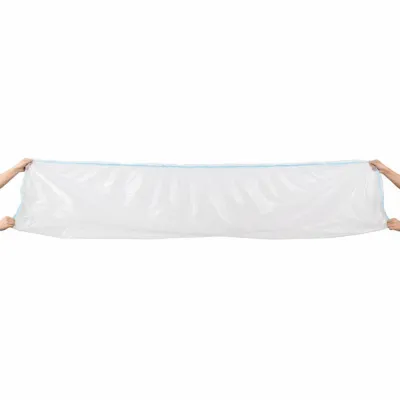
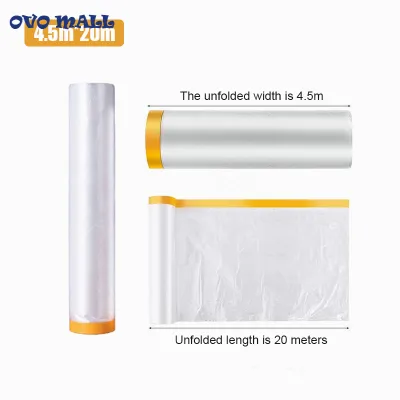
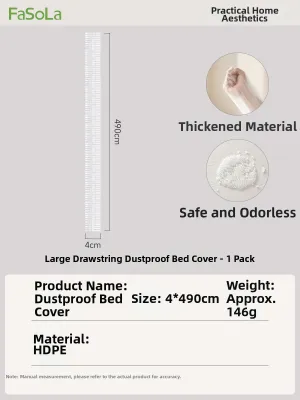

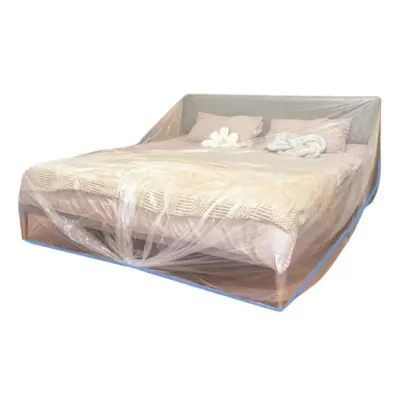
Prices are valid at publication and may change. Please refer to the product page for the latest price.
Upholstered headboards are highly porous and prone to absorbing dust, hair oils, sweat, and accidental spills. In humid environments, such as tropical climates, fabric headboards can easily trap moisture, leading to mold or mildew growth. For these beds, a complete moisture barrier is necessary to prevent deep-seated stains and odors from ruining the fabric.
Wooden and metal bed frames face different risks. Wood is susceptible to scratches, scuffs, and finish degradation, while metal frames can suffer from rust if exposed to persistent moisture. If you are moving house, renovating, or painting your bedroom, these rigid components require heavy-duty scratch protection. However, they also need adequate ventilation to prevent moisture from being trapped against the finish.
Additionally, consider the room’s daily traffic. A bed in a child’s room, a guest room, or a pet-friendly space will require a much thicker, puncture-resistant plastic cover than a bed in a low-traffic spare room. Adjusting the durability of the cover to match these daily demands prevents premature tearing and ensures long-lasting protection.
Evaluating Plastic Cover Materials and Properties
When shopping for a bed plastic cover, you will encounter several material options, primarily polyethylene (PE), polyvinyl chloride (PVC), and general vinyl. Rather than assuming all plastics perform equally, you should compare these materials based on manufacturer specifications, thickness, and construction quality.

Polyethylene (PE) is a lightweight, flexible plastic commonly used for temporary storage bags and moving covers. It is highly resistant to dust and light moisture, and it is often recyclable. While PE is excellent for short-term use, it can be prone to puncturing if stretched over sharp wooden corners or metal brackets. If you choose PE, look for reinforced options designed specifically for furniture transport.
PVC and vinyl covers are heavier, more durable, and offer superior water resistance. These materials are ideal for long-term protection against spills, pet claws, and heavy dust. They are easy to wipe clean and maintain their shape well over time. However, some vinyl covers can emit a strong plastic odor when first unpacked. If you plan to use the cover in an active bedroom, check the product label for low-odor or non-toxic certifications to ensure a comfortable sleeping environment.
To verify the durability of a plastic cover, check its thickness, which is typically measured in mils (thousandths of an inch) or microns. A thickness of 2 to 4 mils is generally sufficient for basic dust protection during light renovations. For moving, long-term storage, or protection against pets, look for a heavy-duty cover with a thickness of 6 mils or more.
Finally, inspect the seam construction. Covers with heat-sealed seams offer a much more reliable moisture and dust barrier than those with standard sewn seams. Sewn seams create tiny needle holes that can allow fine dust, liquid spills, or humidity to penetrate, defeating the purpose of the protective barrier.
Choosing the Right Fit and Style for Headboards and Frames
Selecting the right cover design is crucial for ensuring secure placement without damaging your bed’s finish or compromising the overall aesthetics of your bedroom. The two primary styles are slip-on covers and wrap-around zippered enclosures, each offering distinct advantages depending on your usage scenario.
Slip-on styles, such as fitted caps or sleeves, are ideal for headboards that remain in daily use. They slide easily over the top of the headboard, making them convenient to remove, clean, and replace. However, because they typically leave the bottom or back of the headboard partially exposed, they are less suitable for long-term storage or moving where complete coverage is required.
Wrap-around or zippered enclosures provide 360-degree protection, sealing the entire headboard or frame component inside the plastic. This style is the preferred choice for moving or storing furniture, as it completely blocks out dust, pests, and moisture. The trade-off is that zippered covers require more effort to install and may require you to partially disassemble the bed frame to slip the cover on.
Complex headboard shapes, such as tufted, curved, or wingback designs, present unique fitting challenges. Standard rectangular covers may leave loose, sagging pockets of plastic that look untidy and can trap dust. For these designs, look for highly stretchable plastic covers or adjustable wrap-around sheets secured with straps to achieve a snug, tailored fit.
Pay close attention to the fastening mechanisms used to secure the cover. Elastic hems, Velcro straps, and drawstrings help keep the plastic in place. Ensure that any hard plastic buckles, metal zippers, or rough Velcro elements face away from wooden or metallic bed frames. If positioned incorrectly, these fasteners can scratch the bed’s finish during installation or daily use.
If preserving the visual appeal of your bedroom is a priority, opt for high-clarity, transparent vinyl covers. These allow the color and texture of your headboard to remain visible while keeping it protected. For temporary storage, moving, or utility purposes, opaque or tinted PE covers are a practical and cost-effective alternative.
Measuring, Installing, and Securing Your Bed Plastic Cover
To prevent the plastic cover from slipping, tearing, or failing to protect your bed, you must follow a precise process for measuring, preparing, and installing the material. Taking shortcuts during this stage can lead to trapped moisture or damaged furniture.
Start by taking accurate measurements of your bed components. For the headboard, measure the maximum height (from the frame connection to the highest point), the total width, and the depth or thickness. For the bed frame, measure the length of the side rails, the height of the footboard, and the dimensions of the bed legs. Always allow a small clearance margin of about one to two centimeters so the cover can slide on easily without putting excessive tension on the seams.
Before installing the cover, thoroughly clean and dry all bed surfaces. Vacuum upholstered headboards to remove dust and allergens, and wipe down wooden or metal frames with a dry cloth. It is critical that the bed is completely dry before you apply the plastic. Trapping even a small amount of moisture under a non-breathable plastic cover can create a humid microclimate, leading to mold, mildew, or wood rot.
When installing the cover, gently stretch the plastic over the headboard or frame components. Do not pull forcefully on the corners or seams, as this can cause the material to split. If your bed frame has sharp wooden corners or metal brackets, place a small piece of soft cloth, foam, or bubble wrap over these sharp edges before sliding the plastic cover on to prevent punctures.
Once the cover is in place, perform a safety and stability check. Ensure the plastic does not interfere with the bed’s contact with the floor, as plastic wrapped under bed feet can cause the bed to slide on tiled or wooden surfaces. Verify that the cover does not block wall clearance or obstruct the moving parts of adjustable bed mechanisms, which could damage both the motor and the cover.
Maintaining and Cleaning Plastic Bed Protectors
Establishing a regular maintenance routine for your plastic bed cover will extend its lifespan and ensure the underlying furniture remains in pristine condition. Because plastic is non-porous, it requires specific care to prevent degradation and clouding.
To clean the plastic cover, wipe it down periodically with a soft, damp cloth and a mild soap solution. Avoid using harsh chemical cleaners, bleach, or abrasive scrubbing pads. These substances can scratch the surface of the plastic, cause it to become cloudy, or accelerate the breakdown of the material, making it brittle and prone to tearing.
Inspect the cover regularly for signs of wear and tear. Look for yellowing, brittleness, cracking, or seam separation, especially in rooms with high sun exposure or fluctuating temperatures. In warm, humid climates, plastic can degrade more rapidly, meaning you may need to replace the cover sooner to maintain effective protection.
It is highly recommended to remove the cover occasionally to let the headboard and frame air out. Leaving a non-breathable plastic cover on indefinitely can trap ambient humidity over time. Removing the cover for a few hours on a dry, clear day allows the wood or fabric underneath to breathe, preventing moisture buildup and musty odors.
If you need to store the plastic cover temporarily, ensure it is completely clean and dry before folding it. Storing a damp plastic cover can lead to mold growth on the cover itself. Fold the cover loosely and store it in a cool, dry place away from direct sunlight to prevent the plastic from sticking together or degrading in storage.
Frequently Asked Questions (FAQ)
Can I use a standard mattress protector to cover my bed headboard?
Standard mattress protectors are specifically designed for flat, horizontal surfaces and typically feature elastic skirts or deep pockets meant to wrap around a mattress. They lack the structured shape, dimensions, and fastening mechanisms required to fit a vertical, rigid headboard securely. Attempting to use one on a headboard often results in a loose, slipping fit, leaving the edges and back exposed to dust and moisture while creating an untidy appearance. For proper protection, it is best to use a dedicated headboard cover designed for vertical slip-on or wrap-around application.
Will a plastic cover cause my wooden headboard to warp or trap moisture?
Yes, there is a risk of trapping moisture if a non-breathable plastic cover is installed over a damp wooden headboard or used in a highly humid room without proper precautions. Wood is a natural, porous material that needs to breathe; trapped condensation can lead to warping, mold growth, or damage to the wood finish. To prevent this, ensure the wooden headboard is completely dry before covering it. Additionally, remove the cover periodically to allow the wood to ventilate, and check the manufacturer’s guidelines for your specific wood finish to ensure compatibility with plastic protective materials.
How do I protect the bed legs and feet from scratching the floor?
Plastic bed covers are designed to protect the furniture itself from external damage, not to protect your flooring from the bed’s weight and movement. To prevent the bed legs and feet from scratching or scuffing your floors, you should use dedicated floor protectors rather than wrapping them in plastic covers. Heavy-duty felt pads, rubber caster cups, or silicone furniture leg caps placed directly under the bed feet are highly effective. These accessories distribute the bed’s weight evenly, prevent sliding, and reduce noise without compromising the stability of the bed frame.

Community discussion
Share your experience or ask a question. Comments are reviewed before publication.