
Finding the perfect storage solution for a compact Singapore apartment often comes down to utilizing the narrowest gaps in your layout. Whether it is the awkward space between your refrigerator and the kitchen wall in a newly renovated BTO flat, or a tight corner in a cozy condominium bathroom, a 4-tier slim storage cabinet offers an ideal vertical solution. These specialized units maximize underutilized square footage by stacking storage upward rather than outward, allowing you to organize household essentials without encroaching on valuable floor space.
To select the best 4-tier slim cabinet for your home, you must look beyond aesthetics and focus on precise physical measurements, material suitability for Singapore’s humid climate, and structural stability. A cabinet that fits perfectly in a dry living room might warp or rust in a service yard, while an unstable unit in a high-traffic walkway can pose a safety hazard. By evaluating your specific space constraints, checking material specifications, and understanding the structural differences between sliding towers, open carts, and enclosed cabinets, you can confidently choose a durable organizer that enhances your home’s functionality.
Key Dimensions and Space Constraints for Compact Apartments
When dealing with compact apartment layouts, every millimeter counts. The first step in your selection process is understanding standard “slim” profiles. Typically, slim storage cabinets feature widths ranging from 12 centimeters to 25 centimeters. While a 15-centimeter cabinet can slide effortlessly into the gap beside a washing machine, a slightly wider 20-centimeter or 25-centimeter unit offers significantly more storage volume for bulkier items like laundry detergent bottles or cereal boxes. You must balance the physical limitations of your gap with the actual dimensions of the items you intend to store.
Products mentioned in this guide
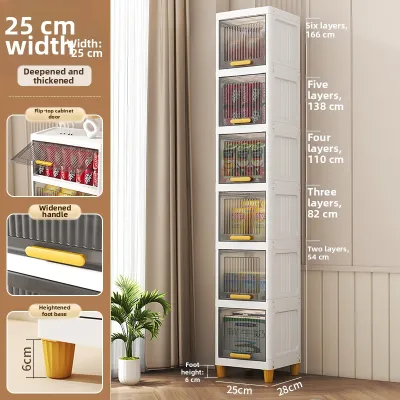
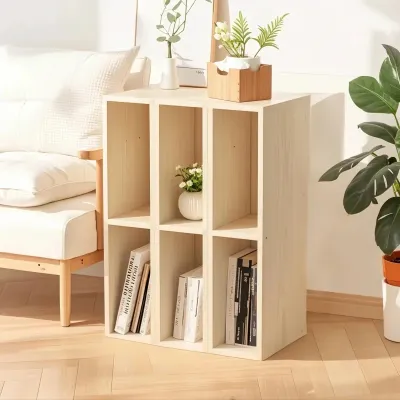
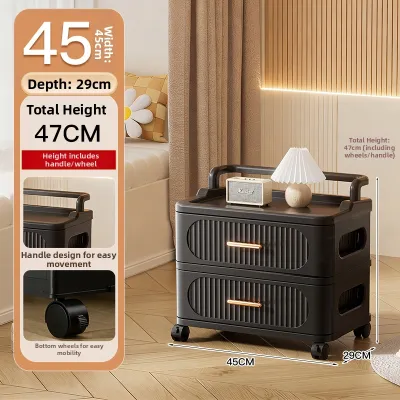
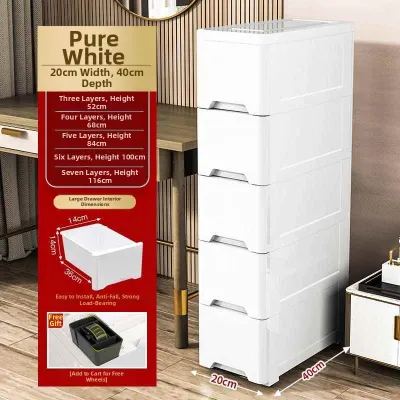
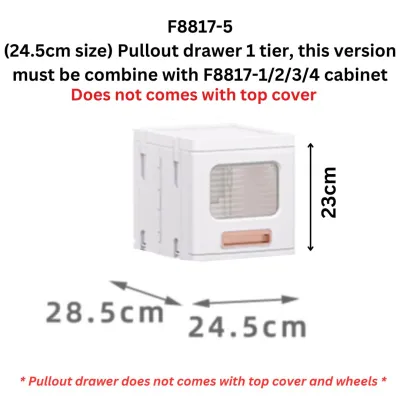
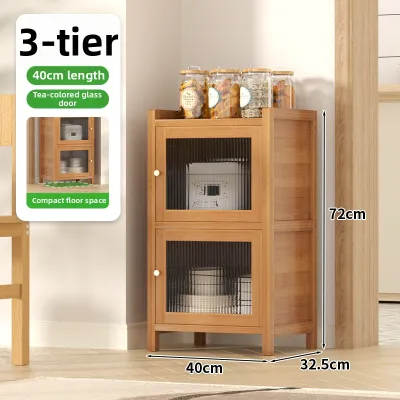
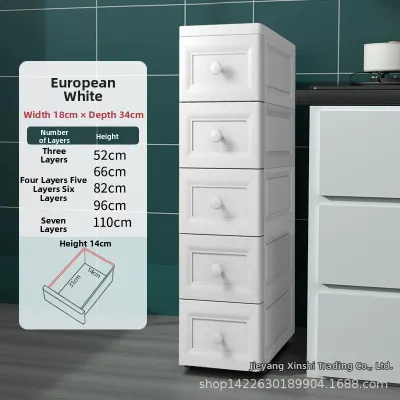
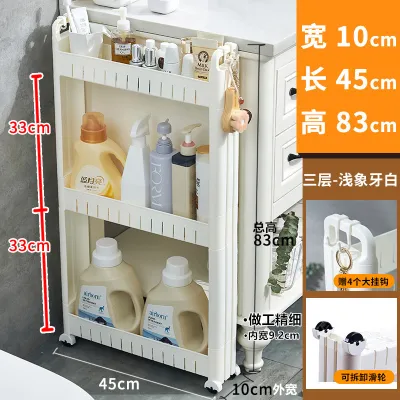
Prices are valid at publication and may change. Please refer to the product page for the latest price.
Depth is equally critical, especially when placing a cabinet in a high-traffic walkway, kitchen corridor, or household shelter entrance. Standard slim cabinets usually have depths ranging from 40 centimeters to 55 centimeters to align with standard kitchen countertops and appliance depths. If a cabinet protrudes even slightly into a walkway, it can create a constant tripping hazard or obstruct the opening of nearby doors and drawers. Always measure the depth of the adjacent appliances or walls to ensure the cabinet sits flush or slightly recessed.
Measuring your available space requires more than a simple wall-to-wall reading. You must account for hidden obstructions that reduce the actual usable clearance. Baseboards, skirting boards, floor tiles with thick grouting, and wall-mounted outlets can easily shave off one to two centimeters of width near the floor. Additionally, check for low-hanging pipes, window sills, or wall switches that might interfere with a 4-tier unit’s height. To avoid a costly return, measure the width at three distinct points: near the floor, at the midpoint, and at the top of where the cabinet will stand, using the smallest measurement as your guide.
Material and Build Quality Checks for Daily Use
Singapore’s tropical climate, characterized by high relative humidity year-round, demands careful attention to material selection. A cabinet placed in a bathroom or an open service yard faces constant exposure to moisture, steam, and ambient dampness. For these wet environments, high-grade plastics like polypropylene (PP) or rust-resistant metals are highly recommended. If you prefer wood aesthetics, look for engineered wood options specifically labeled with water-resistant finishes or high-pressure laminates, and ensure all edges are fully sealed to prevent moisture from penetrating the core and causing swelling.

When evaluating metal frames, do not rely solely on the material name. Inspect the product specifications for protective surface treatments, such as powder coatings or epoxy finishes, which act as a barrier against rust and corrosion. For plastic units, examine the thickness of the panels and the quality of the joint connections. High-quality plastic cabinets feature reinforced interlocking joints that snap together securely without leaving gaps, whereas lower-grade alternatives may rely on thin, flexible tabs that can easily shear under stress or during assembly.
Narrow, tall structures are inherently prone to flexing and structural weakness. Before purchasing, check user reviews or manufacturer specifications for signs of frame rigidity. Look for units that incorporate cross-bracing, thick vertical support pillars, or solid back panels. If you are inspecting a physical display unit, gently apply lateral pressure to the top tier; a quality cabinet should resist twisting and remain upright, while a poorly constructed unit will sway or lean significantly, indicating that it may buckle once fully loaded with household items.
Evaluating Shelf Adjustability and Weight Capacity
The utility of a 4-tier slim cabinet depends heavily on its shelf configuration. Fixed-shelf units offer excellent structural rigidity because the shelves act as permanent horizontal braces, but they limit your storage options to items that fit within the predetermined height clearance. If you plan to store tall bottles, spray canisters, or stacked pantry items, look for cabinets with adjustable shelf mechanisms. These systems typically use peg-and-hole arrangements or adjustable brackets, allowing you to customize the vertical spacing of each tier to match your inventory.
Verifying weight limits is crucial to preventing structural failure and ensuring long-term durability. Always check the manufacturer’s product label or official specification sheet for both the individual shelf weight capacity and the total unit weight limit. A typical high-quality slim cabinet might support between 5 to 10 kilograms per shelf, but this varies widely based on material and construction. Never assume a cabinet can handle heavy glass jars or bulk liquid refills without verifying these limits first, as overloading can cause shelves to sag, warp, or collapse entirely.
Proper weight distribution is the key to maintaining stability in any narrow furniture piece. Because slim cabinets have a very narrow base footprint, they have a naturally high center of gravity. To counteract this, always place your heaviest items—such as laundry detergents, large oil bottles, or canned goods—on the bottom tier. Reserve the upper tiers for lightweight items like paper towels, sponges, or dry spices. This simple organization strategy keeps the center of gravity low, significantly reducing the risk of the cabinet tipping over when bumped or moved.
Mobility, Stability, and Safety Considerations
Deciding between a mobile cabinet on castor wheels and a stationary unit with adjustable feet depends on how you plan to use the space. Mobile units are incredibly convenient for deep, narrow gaps, allowing you to roll the entire cabinet out to access items at the back and slide it away when finished. If you choose a wheeled model, ensure at least two of the castors feature reliable locking mechanisms to keep the cabinet securely in place during daily use. For units that will remain in a fixed position, adjustable leveling feet are superior, as they allow you to compensate for uneven floor tiles or slight slopes in wet areas.
Safety should always be a priority, particularly for tall, narrow furniture. Any 4-tier cabinet that exceeds one meter in height and has a width of less than 20 centimeters should ideally be secured to prevent accidental tipping. Many manufacturers include anti-tip wall anchors, straps, or brackets in the packaging. If your cabinet is positioned in a high-traffic area, near a doorway, or in a household with active residents, installing these anchors into the wall or adjacent heavy furniture is a highly recommended safety measure that provides peace of mind.
For cabinets featuring drawers or pull-out sliding tracks, the quality of the hardware directly impacts both safety and usability. Inspect the tracks to ensure they operate smoothly without sticking or catching. High-quality drawer slides should feature built-in safety stops that prevent the drawer from being pulled completely out of the frame, which could cause the contents to spill and the cabinet to tip forward. Additionally, ensure that extending a drawer fully does not destabilize the cabinet’s base footprint; the unit must remain balanced even when a drawer is fully extended.
Building Your Shortlist: Types of 4-Tier Slim Cabinets
To find the perfect match for your home, it helps to categorize the available options into three primary design types, each suited to specific storage needs and spatial conditions.
Pull-out sliding tower cabinets are the ultimate space-savers for deep, narrow gaps, such as the space between a refrigerator and a kitchen counter or beside a washing machine. These units are designed to be accessed from the side, featuring high side rails on each tier to keep items secure as you roll the tower in and out. They are ideal for storing spices, condiments, canned goods, or cleaning supplies. However, because they rely on rolling mechanisms, they require a smooth, unobstructed floor surface to operate effectively.
Open shelving units with castors offer maximum accessibility and are perfect for items you need to grab quickly. These utility carts are commonly used in bathrooms for toiletries, in service yards for laundry essentials, or in home offices for stationary. The open design allows for excellent ventilation, which helps prevent moisture buildup in humid environments. The trade-off is that your stored items remain fully visible, which can contribute to visual clutter if not organized neatly, and they are exposed to airborne dust.
Enclosed or door-front slim cabinets feature solid doors or drawers that completely conceal your stored items. This design is highly suited for visible living areas, entryways, or bedrooms where maintaining a clean, minimalist aesthetic is important. Enclosed cabinets protect your belongings from dust, pet hair, and direct sunlight. When choosing an enclosed model, ensure you have sufficient clearance in front of the cabinet for the doors to swing open fully without hitting walls, furniture, or passing foot traffic.
Pre-Purchase Measurement and Clearance Checklist
Before finalizing your purchase and placing an order, run through this essential checklist to guarantee a seamless fit and hassle-free installation in your apartment:
First, verify the overhead clearance. Measure the total height of the cabinet and compare it against any overhead obstructions, such as wall-mounted cabinets, boiler units, kitchen hoods, or window frames. Ensure there is at least a 5-centimeter gap at the top for comfortable installation and cleaning.
Second, check the operational clearance. Verify that there is ample physical space for the cabinet’s moving parts. For pull-out towers, ensure the floor path is completely clear of rugs, door mats, or floor transitions. For door-front models, measure the swing radius of the doors to confirm they can open to at least 90 degrees without obstruction.
Third, confirm the delivery and access route. Ensure that the packaged cabinet can easily fit through your apartment building’s elevator, the main entrance door, and any narrow hallways or tight corners leading to the destination room. This is especially important for fully assembled wooden units that cannot be flat-packed.
Frequently Asked Questions (FAQ)
How do I prevent a tall, narrow cabinet from tipping over?
To prevent a tall, narrow cabinet from tipping, always prioritize proper weight distribution by placing your heaviest items on the bottom shelf to lower the center of gravity. If the manufacturer includes anti-tip hardware, follow the instructions carefully to anchor the unit to a solid wall. For rental apartments where drilling is restricted, you can use heavy-duty, damage-free adhesive furniture anchors designed for lightweight units, or wedge the cabinet securely between two heavy, stable structures like a refrigerator and a solid wall. If you are unsure about drilling into your walls, especially if you suspect hidden utility pipes or electrical wiring, stop and consult a qualified professional handyman.
Can I use a slim storage cabinet in a humid bathroom environment?
Yes, you can use a slim storage cabinet in a humid bathroom, provided you select the right materials and maintain proper ventilation. Look for units made from high-grade polypropylene (PP) plastic or rust-resistant metals with durable powder-coated finishes. Avoid untreated wood or low-grade particle board, which can absorb moisture, swell, and harbor mold. Always check the manufacturer’s product label to verify moisture resistance. To extend the lifespan of your cabinet, ensure your bathroom is well-ventilated by opening windows or running an exhaust fan after showers, and regularly wipe down the cabinet surfaces to prevent standing water or soap residue from accumulating.
Community discussion
Share your experience or ask a question. Comments are reviewed before publication.