
To keep your home safe and protect your floors, you must choose the right anti-slip product based on the object’s shape, flexibility, and movement. For rugs and mats, which are flat and flexible, you need double-sided tapes or large mesh rolls that distribute friction across a wide surface area. For chair legs and table feet, which are rigid and subject to high, concentrated pressure, you need small, durable self-adhesive pads, bumpers, or slip-on silicone grips. Selecting the wrong product can lead to sliding furniture, curled rug edges, or permanent floor damage.
Quick Decision Framework: Rugs vs. Chair Legs
When choosing an anti-slip solution, the first step is to categorize the item you want to secure. Flat, flexible items like area rugs, hallway runners, and bath mats require continuous support across their backing. Without a broad distribution of friction, these items will easily bunch up or slide when stepped on. For these applications, double-sided carpet tapes or non-slip underlayment rolls are the most effective choices.
In contrast, rigid items that support weight at specific points—such as dining chairs, armchairs, and tables—require localized protection. These point-load items exert high pressure on very small areas of your floor. Using thin tapes here will quickly result in the adhesive shifting or wearing through. Instead, these items require thick, heavy-duty felt pads, rubber bumpers, or molded silicone caps that fit snugly over the leg tips.
Products mentioned in this guide
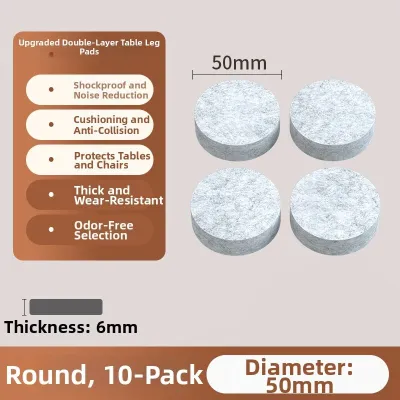
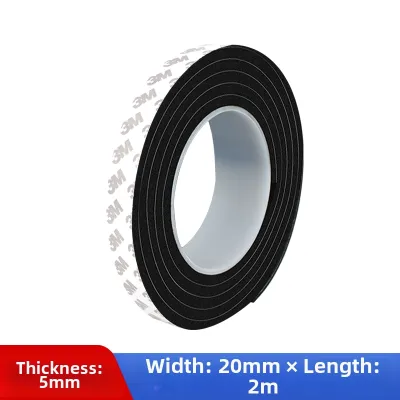
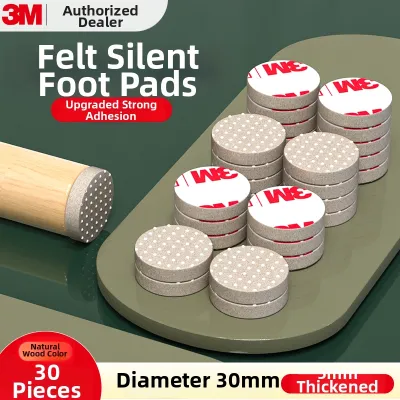
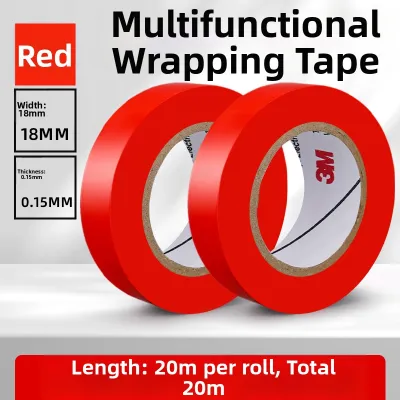
Prices are valid at publication and may change. Please refer to the product page for the latest price.
Before purchasing any anti-slip product, always check the manufacturer’s packaging for specific surface compatibility and weight limits. Some products are designed exclusively for hard floors, while others work on carpeted surfaces. Verifying these details beforehand ensures the product performs as intended without damaging your home’s finishes.
In Singapore’s warm and humid climate, adhesive performance can vary significantly. High humidity can affect how adhesives cure and hold over time, making it even more critical to select products designed for the specific environment and materials in your home.
3M Anti-Slip Tapes and Rolls: Securing Rugs and Mats
Securing floor coverings requires a solution that addresses the entire underside of the material. Double-sided carpet tapes and non-adhesive gripper rolls work by maximizing the contact area between the rug and the floor. Double-sided tapes use a strong adhesive on both sides to bond the rug backing directly to the floor surface. This is particularly useful for high-traffic areas where rugs are prone to shifting or curling at the corners.

For delicate floors or situations where you prefer not to use adhesives, non-adhesive gripper rolls or mesh pads are an excellent alternative. These rolls are placed directly under the rug, relying on high-friction materials to prevent movement. They distribute friction evenly across the entire footprint of the rug, keeping it flat and reducing the risk of trips and falls.
When applying these products, the floor surface must be completely clean, dry, and free of dust or wax. Proper sizing is also critical; the tape or mesh pad should extend close to the edges of the rug to prevent the corners from curling upward over time.
Removal is another key consideration. Over time, some adhesives can leave a sticky residue or even bond permanently to certain floor finishes. Always check the product packaging for residue-free claims and follow the manufacturer’s specific peel-off instructions. When removing tape, peel it back slowly at a shallow angle to avoid tearing the rug backing or lifting the floor finish.
3M Pads and Grips: Stabilizing Chair Legs and Furniture
Chair legs and other furniture feet require specialized protectors that can handle constant movement and heavy loads. The two primary options are self-adhesive pads (made of felt or rubber) and slip-on silicone grips. Choosing between them depends largely on how often the furniture is moved.
Self-adhesive felt pads are ideal for chairs that are pulled out and pushed in frequently, such as dining chairs. The soft felt allows the chair to glide smoothly across hard floors, preventing scratches while dampening sound. Rubber pads, on the other hand, are designed to grip the floor and keep furniture stationary, making them perfect for sofas, beds, and heavy cabinets. Slip-on silicone grips offer a hybrid solution, combining a flexible sleeve that grips the leg with a felt or rubber base, ensuring the protector stays securely in place without relying solely on adhesive.
Before applying any pad, you must perform a load-bearing check. Ensure the thickness and material of the pad are rated for the weight of the furniture and its typical usage. The diameter of the pad should match the bottom of the chair leg as closely as possible; pads that are too small will wear out quickly, while oversized pads will collect dust and look unsightly.
Regular maintenance is essential to protect your floors from damage. Over time, felt pads will flatten, accumulate dirt and grit, or slide off center due to adhesive failure. Establish a routine to inspect the bottom of your furniture legs every few months. Replace any worn, dirty, or shifting pads immediately to prevent trapped grit from scratching your floor.
Matching Anti-Slip Products to Your Floor Surface
Different flooring materials react differently to adhesives and friction. To prevent costly damage, you must match your anti-slip products to your specific floor type.
For hardwood and laminate floors, prioritize residue-free adhesives and non-staining materials like high-quality felt or natural rubber. Avoid cheap plastic or low-grade rubber pads, which can leach chemicals that discolor the wood or lift the protective polyurethane finish.
Tile and stone floors are highly durable but feature grout lines and textured surfaces that can tear thin pads. For these floors, focus on thick, high-friction rubber or heavy-duty silicone grips that can bridge grout lines and withstand regular mopping and moisture without losing their grip.
Vinyl and linoleum floors are susceptible to a chemical reaction known as plasticizer migration. Some rubber and plastic backings can react with the vinyl, causing permanent yellow stains. When shopping for these floors, look for products explicitly labeled as safe for vinyl or linoleum, and avoid overly aggressive adhesives that might bond permanently to the soft surface.
Regardless of your floor type, always read the specific product label for floor-type warnings, weight limitations, and adhesive curing times. Allowing the adhesive to cure fully before putting weight on the furniture is crucial for a long-lasting bond.
Safe Application, Testing, and Residue Removal
Proper installation and removal techniques are just as important as choosing the right product. Following a systematic process will ensure maximum performance and protect your surfaces.
First, prepare the surfaces thoroughly. Clean both the floor and the bottom of the furniture leg or rug backing with a mild cleaner to remove dust, grease, and wax. Any debris left on the surface will prevent the adhesive from bonding properly, leading to premature failure. Ensure the area is completely dry before application.
Before applying adhesive products to a large or highly visible area, perform a hidden spot test. Apply a small piece of the tape or pad in an inconspicuous area, such as inside a closet or under a heavy piece of furniture. Leave it in place for a few days, then remove it to check for any adverse reactions, discoloration, or stubborn residue.
If you need to remove old adhesive products, do so gently. Start by peeling the product back slowly. If the adhesive is stubborn, check the product label for recommended removal methods. Gentle heat from a hairdryer can sometimes soften the adhesive, making it easier to peel. You can also use a mild, floor-safe solvent or adhesive remover, applying it sparingly with a soft cloth. Avoid using harsh chemicals, steel wool, or metal scrapers, which can easily scratch or strip your floor’s finish. If you notice the floor finish lifting or discoloring during the process, stop immediately and consult a flooring professional.
Frequently Asked Questions (FAQ)
Can I use the same 3M anti-slip tape for both my rug and my chair legs?
No, you should not use the same anti-slip tape for both applications. Anti-slip tapes are designed for flat, continuous surfaces where weight is distributed evenly over a large area. When applied to the small, high-pressure points of chair legs, these tapes will quickly fail. The intense, concentrated weight will cause the tape to slide, bunch up, or squeeze out adhesive, leaving a sticky residue on your floor and offering no protection against scratches. For chair legs, always use purpose-built felt pads, rubber bumpers, or slip-on grips designed to handle concentrated loads and facilitate smooth movement.
How do I remove 3M anti-slip adhesive residue from hardwood floors?
To remove adhesive residue from hardwood floors safely, always start by checking the specific product’s removal instructions. If no specific instructions are available, try gently rubbing the residue with your finger or a soft microfiber cloth to roll it into small balls. For stubborn spots, use a plastic scraper or the edge of an old credit card to scrape the residue gently; never use metal scrapers or abrasive pads. If a solvent is necessary, choose a mild, floor-safe adhesive remover or a small amount of mineral oil, testing it first on a hidden spot. Wipe the area clean with a damp cloth and dry it immediately. If the wood finish appears compromised, dull, or discolored, stop and consult a flooring professional.
Community discussion
Share your experience or ask a question. Comments are reviewed before publication.