
A 30cm display cabinet is an excellent storage solution for maximizing vertical space in compact Singapore homes, such as HDB flats and condominiums. Choosing the right style—whether wall-mounted, freestanding, or corner-fitted—depends on your specific room layout, foot traffic patterns, and structural constraints. By matching the cabinet’s design to your room’s physical layout, you can showcase your favorite items without sacrificing valuable floor space.
Assessing Your Space and Clearance Requirements
Before purchasing a cabinet 30cm in width, precise measurements are essential. Start by measuring the exact floor area where the unit will stand, noting the height of the wall and the maximum depth allowance. A 30cm width is highly compact, but if the cabinet is deep or tall, it can still overwhelm a narrow space.
In Singapore, apartment living means you must also plan for the delivery route. Measure the width of your entry doors, the clearance of your building’s lift, and any tight turns in staircases or corridors. A fully assembled tall unit might fit your room but fail to clear the lift door or a low ceiling during transport.
Products mentioned in this guide
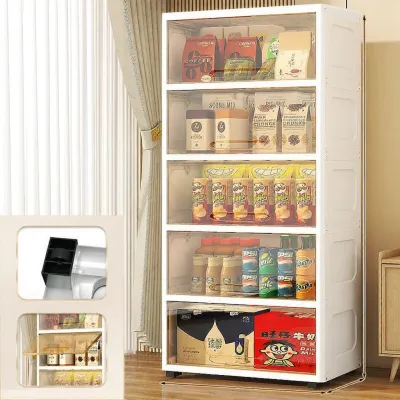
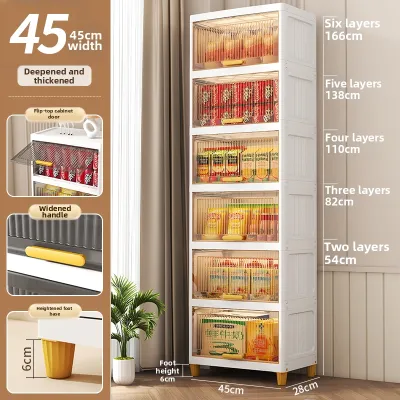
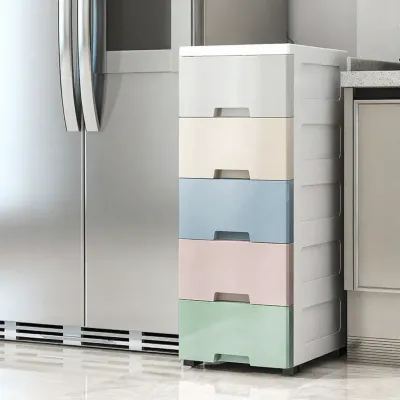
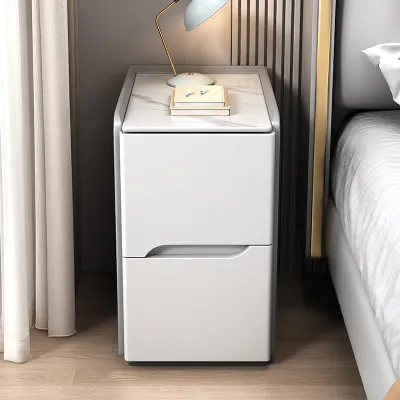
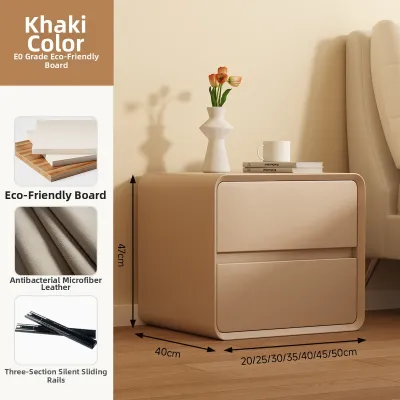
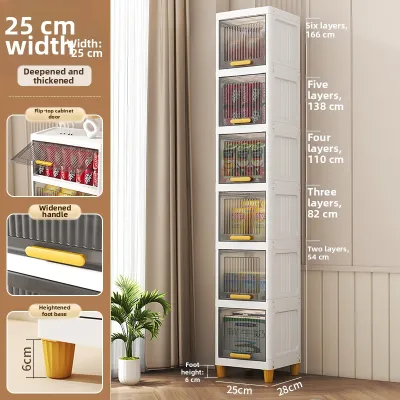
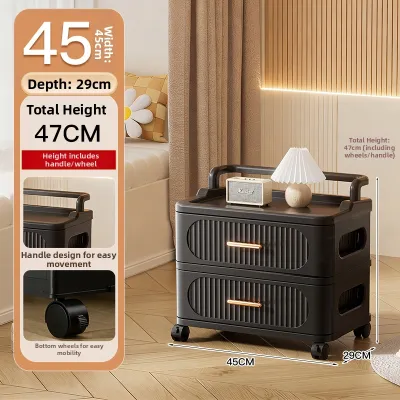
Prices are valid at publication and may change. Please refer to the product page for the latest price.
On-site placement requires checking for architectural details. Look for skirting boards along the floor, which can prevent a freestanding cabinet from sitting flush against the wall. Locate power outlets to ensure they remain accessible and are not blocked by the cabinet back. Finally, map out the swing paths of nearby doors, wardrobe doors, or drawers to prevent accidental collisions with the display glass.
Matching Cabinet Styles to Specific Room Configurations
Selecting the ideal cabinet 30cm style requires a clear decision framework that balances room function with spatial limitations. You must evaluate what you plan to display—such as lightweight glassware, heavy books, or small collectibles—and how people move through the room.

In tight layouts, traffic flow is the primary concern. A cabinet that protrudes too far or sits in a high-traffic path can create physical bottlenecks and visual clutter. By assessing the visual weight of different styles, you can maintain an open, airy feel even in highly compact rooms.
Wall-Mounted Cabinets for Narrow Hallways and Passageways
Narrow hallways and entryways in Singapore homes often suffer from limited floor space, making wall-mounted 30cm cabinets an ideal choice. By lifting the storage unit off the floor, you keep the walkway clear and create the illusion of a larger room. This style works exceptionally well for displaying small decorative items or keys near the entrance.
Before installing a wall-mounted unit, you must verify the structural integrity of your wall. Concrete walls, common in HDB flats, offer excellent load-bearing capacity when paired with the correct masonry wall plugs. Drywalls or partition walls require locating the internal studs, as mounting directly onto plasterboard without proper support can lead to structural failure.
Pay close attention to mounting height to ensure adequate headroom. The cabinet should be positioned high enough to avoid obstructing natural walkways, yet low enough that displayed items remain at a comfortable viewing level. Ensure that nearby room doors or cabinet doors can open fully without striking the mounted unit.
Freestanding Cabinets for Small Living Rooms and Open Areas
Freestanding 30cm cabinets offer excellent flexibility, allowing you to reposition your furniture as your layout needs change. In small living rooms or open-plan dining areas, these slim units can fill narrow gaps between larger furniture pieces, such as a sofa and a TV console, turning underutilized areas into functional display zones.
Because a 30cm wide cabinet has a relatively narrow footprint, stability is a critical safety consideration. Tall, slim freestanding units are naturally more prone to tipping, especially in households with active children or pets. You must check the base stability of the unit and plan to use anti-tip anchoring hardware to secure the cabinet firmly to the wall.
To avoid making a small living room feel overcrowded, consider the visual weight of the cabinet. Models with glass doors on multiple sides or open shelving allow light to pass through, maintaining a sense of spaciousness. Solid wood or dark-colored finishes tend to look heavier and are best suited for well-lit corners or larger open zones.
Corner Cabinets for Bedroom Nooks and Awkward Angles
Corner display cabinets are highly effective for reclaiming dead space in bedrooms, study rooms, or irregular architectural nooks. A 30cm corner unit fits snugly into 90-degree angles, transforming an otherwise unused corner into an attractive focal point for personal keepsakes or books.
When planning for a corner installation, measure the angle of your walls carefully. Not all corners are perfectly square, and even a slight deviation can prevent a corner cabinet from sitting flush against both walls. Check for any baseboards or wall trim that might create gaps, and measure the depth from the corner outward to ensure the cabinet does not obstruct nearby windows or wardrobe doors.
Consider the accessibility and visibility of your items when placing a cabinet in a recessed corner. Because corner units are tucked away, they receive less natural light. Choosing a model with integrated lighting or glass shelves can help illuminate your display, ensuring your items remain visible and do not get lost in the shadows of a dark bedroom nook.
Material, Finish, and Maintenance Considerations
Singapore’s tropical climate, characterized by high humidity and warm temperatures, requires careful consideration of cabinet materials and finishes. Rather than relying solely on material names like “solid wood” or “engineered wood,” check the manufacturer’s specifications for moisture resistance and surface durability. High-quality laminates, sealed veneers, and rust-resistant metal frames generally perform well in humid environments.
Routine maintenance is essential to keep your display cabinet looking its best. Review the manufacturer’s care instructions for all components, including glass panels, wooden frames, and metal hardware. Avoid using harsh chemical cleaners or abrasive cloths that could scratch glass surfaces or strip protective finishes from wood and metal.
Finally, match the cabinet’s finish with your room’s existing lighting and decor style. Matte finishes tend to diffuse light and hide fingerprints, making them practical for high-traffic areas. Glossy or metallic finishes can reflect light, helping to brighten darker rooms, but they may require more frequent cleaning to keep them free of smudges and dust.
Installation, Assembly, and Safety Checks
Proper assembly and installation are vital to the safety and longevity of your 30cm display cabinet. Always follow the manufacturer’s step-by-step assembly instructions carefully, and use only the hardware provided or specifically recommended in the manual. Substituting screws or brackets can compromise the structural integrity of the unit.
Securing tall or top-heavy freestanding units is a non-negotiable safety step. Use the included anti-tip kits to anchor the cabinet directly to wall studs or solid concrete walls. If your home has skirting boards that prevent the cabinet from touching the wall, use adjustable brackets or spacers designed to bridge the gap securely.
If your installation involves complex wall mounting, drilling into concrete, or modifying existing structures, do not hesitate to stop and consult a qualified professional. Ensuring the cabinet is mounted securely protects your valuable collectibles, your home’s walls, and most importantly, the safety of your household.
Frequently Asked Questions (FAQ)
Can a 30cm display cabinet hold heavy collectibles?
To determine if a 30cm display cabinet can support heavy items, you must check the manufacturer’s specified load limits for both the individual shelves and the overall unit. Do not exceed these weight capacities, as overloading can cause shelves to bow or the entire structure to fail. For heavier items, distribute the weight evenly across the shelves, placing the heaviest objects on the bottom shelf, and ensure you use sturdy, properly rated shelf brackets.
How do I prevent a tall 30cm cabinet from tipping over?
Preventing a tall, narrow cabinet from tipping requires securing it directly to a stable wall structure. Use the anti-tip anchoring kits provided by the manufacturer, ensuring the brackets are anchored into solid concrete or wall studs rather than simple plasterboard. Additionally, always place your heaviest display items on the bottom shelves to lower the unit’s center of gravity, which significantly improves its overall stability.
Community discussion
Share your experience or ask a question. Comments are reviewed before publication.