
Selecting the best wood for a coffee table depends on balancing your budget, aesthetic preferences, and household usage. Oak offers exceptional durability and classic grain patterns for busy living rooms; walnut provides a premium, dark-toned aesthetic with natural luster; teak delivers outstanding moisture resistance and longevity; and rubberwood serves as a highly sustainable, budget-friendly option. Choosing the right one requires looking beyond the wood species to evaluate the surface finish, joinery, and physical dimensions that fit your specific living space.
Understanding Wood Characteristics for Coffee Tables
When shopping for a wooden table, relying solely on the name of the wood species can be misleading. To make an informed decision, you must understand how wood characteristics translate into daily performance in your living room.
Hardness is a primary indicator of how well a wooden table resists structural wear. While the Janka hardness rating serves as a helpful industry standard for measuring wood density, it does not tell the whole story. In daily use, the actual scratch and dent resistance of your coffee table is heavily influenced by its surface treatment. A soft wood with a thick, high-quality polyurethane coating can sometimes resist surface scratches better than an unfinished or poorly sealed hardwood.
Products mentioned in this guide
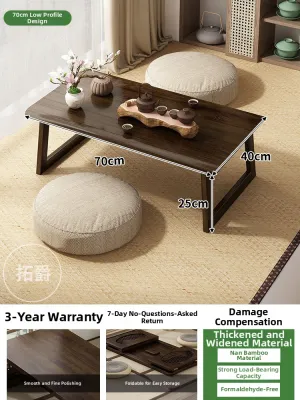
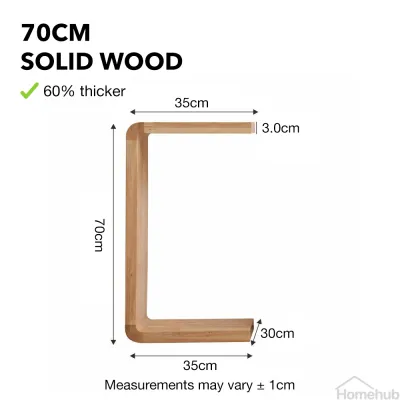
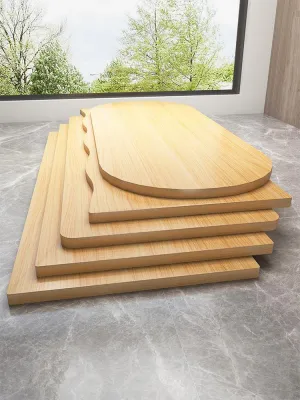
Prices are valid at publication and may change. Please refer to the product page for the latest price.
Appearance and grain patterns also dictate how a coffee table fits into your interior design. Some woods feature prominent, highly visible grain lines that create a rustic or traditional feel, while others offer a subtle, uniform texture suited for minimalist spaces. Additionally, natural wood exhibits color variations across different boards, meaning your finished table may display unique shading that differs slightly from showroom samples.
Finally, surface finishes play a critical role in maintenance. Penetrating oils preserve the natural, textured feel of the wood but require regular reapplication and offer less protection against liquid spills. Conversely, film-forming finishes like lacquer or polyurethane create a smooth, sealed barrier that simplifies daily cleaning but can be more challenging to spot-repair if deeply scratched.
Comparing Oak, Walnut, Teak, and Rubberwood
Oak: Durability and Classic Appeal
Oak is a highly popular choice for living room furniture due to its exceptional structural stability and classic appeal. It is characterized by prominent, open grain patterns and distinct cathedral arches that add visual texture to a room. Oak is typically available in two varieties: white oak, which tends to have golden-brown tones, and red oak, which carries warmer, pinkish undertones.

In terms of durability, oak is a dense hardwood that easily withstands heavy daily use, making it highly resistant to structural warping and deep dents. This density makes it an excellent choice for households where the coffee table doubles as a footrest or a casual dining surface.
Oak sits in the mid-to-high price range. It is highly versatile, seamlessly fitting into Scandinavian, rustic, or modern farmhouse interior styles. When purchasing an oak table, check the grain alignment along the edges to ensure high-quality construction and consistent color matching across the tabletop.
Walnut: Premium Aesthetics and Rich Tones
Walnut is highly prized for its premium aesthetics, featuring rich, dark brown tones and a natural luster that adds immediate sophistication to a living room. Its grain is typically straight, though it can exhibit beautiful wavy or curly patterns that make each piece of furniture unique.
While walnut is a hardwood, it is slightly softer than oak. This means its resistance to surface scratches and minor dents relies heavily on the quality of its protective topcoat. Over time, walnut undergoes a natural aging process; exposure to sunlight will gradually lighten its deep brown color to a warmer, golden-honey patina.
Because of its slow growth rate and high demand, walnut sits at a premium price point. When investing in a walnut coffee table, it is essential to verify whether the piece is solid walnut or a walnut veneer over an engineered wood core. If it is a veneer, inspect the edge banding closely to ensure there are no signs of peeling or lifting.
Teak: Natural Oils and Longevity
Teak is renowned for its outstanding longevity and unique structural properties. It contains high levels of natural oils and silica, which provide inherent resistance to moisture, decay, and pests. This makes teak an exceptionally stable wood that experiences minimal expansion and contraction when environmental conditions change.
When freshly cut, teak displays a rich golden-brown hue. If kept indoors away from direct sunlight, it will retain this warm color, though it may deepen slightly over time. If exposed to consistent sunlight, untreated teak can transition to a distinguished silvery-grey tone, which some homeowners prefer for a rustic look.
Teak is positioned at the high end of the budget spectrum due to its durability and limited supply. When shopping, be cautious of lookalike woods marketed as teak variants. Verify the wood’s origin through manufacturer specifications and check for certified sourcing labels to ensure you are purchasing genuine teak.
Rubberwood: Budget-Friendly and Sustainable
Rubberwood is an eco-friendly and highly economical alternative to traditional hardwoods. Sourced from rubber tree plantations after the trees have completed their latex-producing cycle, this wood utilizes material that would otherwise be discarded, making it a highly sustainable choice.
In terms of physical properties, rubberwood features a light cream to pale straw color with a relatively straight grain. It possesses a moderate density and weight, offering sufficient strength for standard coffee table designs. However, because it is less rigid than oak or teak, larger rubberwood tables require proper structural support, such as supportive aprons or stretchers beneath the tabletop, to prevent sagging over long spans.
Rubberwood is highly budget-friendly, making solid wood furniture accessible to a wider range of buyers. Because it takes stains and paints exceptionally well, it is often finished to mimic more expensive woods. When evaluating a rubberwood table, pay close attention to the joinery methods and the quality of the protective finish to ensure long-term durability.
Matching the Wood to Your Living Room Needs
To choose the right wooden table, you must align the material characteristics with your household’s daily realities and spatial constraints.
Budget allocation involves balancing the wood species with the overall construction quality. Solid wood coffee tables in the local market can range from under S$200 for rubberwood to well over S$1,200 for premium solid walnut or teak. It is often wiser to purchase a well-constructed, expertly finished rubberwood table than a poorly made, thin walnut veneer table that may chip or peel within a few years.
Space and physical dimensions are critical logistical considerations. Before purchasing, measure your living room layout to ensure the table’s height aligns comfortably with your sofa seat—typically within 2 to 5 centimeters of the cushion height. Additionally, verify the finished dimensions and weight of the table. Consider your home’s delivery access, including lift dimensions, doorway clearances, and narrow corridors, to avoid delivery day complications.
Household conditions should dictate your choice of design and finish. If you have active children or pets, look for tables with rounded corner treatments and stable, wide-set leg bases to prevent tipping hazards. In these high-activity environments, prioritize durable, water-resistant polyurethane coatings over delicate oil finishes to protect the wood from spilled drinks, toys, and pet claws.
Inspecting and Maintaining Your Wooden Coffee Table
Once your coffee table is delivered, performing a thorough inspection and establishing a proper maintenance routine will preserve its beauty and structural integrity for years.
During the delivery inspection, examine the tabletop under good lighting. Check for consistent wood grain matching, and run your hand over the surface to detect any rough spots, bubbles, or unevenness in the finish. Gently shake the table to verify the stability of the joinery; there should be no wobbling or loose connections at the joints.
For daily cleaning, use a dry or slightly damp microfiber cloth to remove dust and debris. Avoid using harsh chemical cleaners, multi-purpose sprays, or abrasive scrubbing pads, as these can gradually strip away the protective topcoat. Always follow the manufacturer’s specific care instructions, and avoid unverified home remedies like vinegar or baking soda solutions.
Environmental control is vital for preventing wood damage. Position your coffee table away from direct sunlight, which can cause uneven fading, finish cracking, or warping. In air-conditioned spaces, manage indoor humidity levels where possible, as extreme dryness or rapid humidity fluctuations can cause the wood to expand, contract, or develop small structural splits.
Frequently Asked Questions (FAQ)
Is solid wood always better than engineered wood for a coffee table?
Solid wood is not universally superior; the best choice depends on your specific needs. Solid wood offers unmatched natural beauty, exceptional longevity, and the ability to be sanded and refinished if damaged. However, engineered wood, such as high-density fiberboard topped with a natural wood veneer, provides excellent dimensional stability. It resists warping and cracking in highly humid environments, is generally lighter, and offers a more budget-friendly way to enjoy premium wood aesthetics.
How can I protect my wooden coffee table from water rings and heat marks?
To protect your table’s finish, always use coasters with felt or cork backings under cold drinks to catch condensation, and place heat-resistant mats or trivets under hot mugs and plates. Wipe up any liquid spills immediately with a soft cloth to prevent moisture from penetrating the protective coating. Regularly inspect the condition of the surface finish, and reapply protective wax or oil if recommended by the manufacturer’s care guidelines.
Community discussion
Share your experience or ask a question. Comments are reviewed before publication.