
Choosing the best material for an outdoor shoe rack in Singapore requires looking beyond basic material names. Because of the constant high humidity, frequent heavy rain, and intense sunlight, no single material is universally immune to weathering. The true durability of an outdoor shoe rack depends on its surface treatments, structural design, and how well it matches your specific placement conditions. This guide helps you evaluate material properties, verify protective features, and plan maintenance to ensure your storage solution lasts.
Understanding Singapore's Climate Challenges for Outdoor Furniture
Singapore’s tropical climate presents a uniquely challenging environment for any furniture placed outside. The primary culprit behind material degradation is the high relative humidity, which consistently averages above 80% year-round. This constant moisture in the air creates a persistent damp film on surfaces, which can accelerate the oxidation of untreated metals and encourage fungal growth on organic materials.
Frequent and heavy rainfall adds another layer of stress. When rainwater directly hits or splashes onto a shoe rack, it can pool in crevices and joints. For natural wood and bamboo, this repeated wetting and drying cycle causes the fibers to swell and shrink, leading to warping, splitting, and structural instability. Untreated iron and steel will rapidly develop rust when exposed to standing water.
Products mentioned in this guide
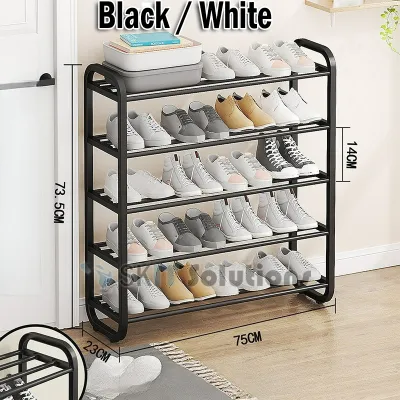
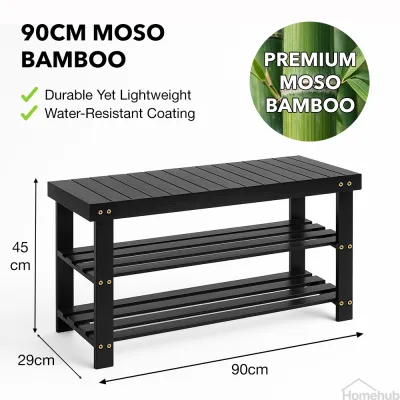
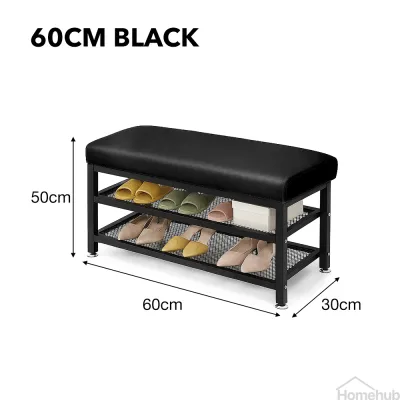
Prices are valid at publication and may change. Please refer to the product page for the latest price.
Equally destructive is the intense equatorial sunlight. Ultraviolet (UV) radiation breaks down the chemical bonds in standard plastics, a process known as photodegradation. This causes the material to lose its flexibility, fade in color, and eventually become brittle enough to crack under minimal weight. UV exposure also degrades paint and protective sealants, causing them to peel and expose the vulnerable material underneath.
The rapid transition from intense daytime heat to sudden, cooling rain showers causes thermal shock. Materials expand under the hot sun and contract rapidly when hit by cool rainwater. This constant physical movement puts immense stress on joints, screws, and protective coatings, often leading to micro-fractures that allow moisture to penetrate deep into the core structure.
Air circulation plays a critical role in how these elements affect your furniture. When a shoe rack features solid shelves or an enclosed cabinet design, it traps humid air and wet footwear moisture inside. This lack of ventilation creates a microclimate that accelerates rust, mold, and material decay, regardless of how durable the base material is claimed to be.
Key Material Properties to Evaluate Before Buying
When shopping for a metal shoe rack, look for specific rust-prevention specifications rather than generic “metal” labels. Verify if the product uses hot-dip galvanized steel or has a thick, electrostatic powder-coated finish. Inspect the welded joints closely; these areas are highly susceptible to rust if the protective coating is thin or unevenly applied. Stainless steel is another option, but you should check if it is grade 304 or higher, as lower grades can still develop surface tea-staining in humid environments.

Aluminum is an excellent alternative for outdoor metal furniture due to its natural resistance to rust. Unlike iron or steel, aluminum forms a protective oxide layer when exposed to air, preventing deep corrosion. However, because aluminum is lightweight, you must check the overall stability of the design to ensure it will not easily tip over when loaded with heavy shoes or exposed to strong gusts of wind.
For wood and bamboo options, do not rely solely on the natural durability of the species. While teak and cedar have natural oils that resist moisture, outdoor longevity requires verifying factory-applied wood preservatives and water-resistant sealants. Check the manufacturer’s specifications for terms like “marine-grade finish” or “polyurethane sealant.” Ensure the wood has been treated against termites and fungal decay, especially if the rack will sit on a damp ground surface.
Engineered woods, such as medium-density fibreboard (MDF), particle board, or standard plywood, should be completely avoided for outdoor use. Even if these materials feature a waterproof laminate or veneer finish, moisture will inevitably find its way through the seams and edges. Once water penetrates the core, the compressed wood fibers will swell, crumble, and permanently lose their structural integrity.
Plastics and synthetic resins offer excellent moisture resistance, but their sun tolerance varies widely. Look for products explicitly labeled as “UV-resistant,” “UV-stabilized,” or made from high-density polyethylene (HDPE) or polypropylene with UV inhibitors. Additionally, review the manufacturer’s rated weight capacity; standard plastics can soften and sag when exposed to high afternoon temperatures under heavy loads.
Do not overlook the hardware that holds the structure together. Screws, hinges, brackets, and magnetic catches are often made from cheaper, untreated metals even if the main frame is weather-resistant. Confirm that all assembly hardware is rated as rust-proof, such as stainless steel or brass, to prevent localized corrosion from weakening the entire structure.
Design and Placement Factors That Affect Durability
The physical design of a shoe rack is just as important as its material composition. Slatted shelves, mesh grids, or perforated panels are highly recommended for outdoor use because they facilitate maximum airflow. This design allows wet shoes to dry quickly and prevents rainwater from pooling on the shelves, which would otherwise accelerate the breakdown of protective coatings.
If you prefer an enclosed cabinet design to keep your entryway looking tidy, ensure it features adequate ventilation. Look for cabinets with louvered doors, back panel vents, or side cutouts that promote continuous air exchange. Without these ventilation features, the interior of the cabinet will trap humidity, leading to musty odors, mold outbreaks on your shoes, and rapid deterioration of the cabinet walls.
Ground isolation is another critical design feature to check before purchasing. Look for shoe racks equipped with adjustable, non-slip, and moisture-proof foot pads or rubberized feet. These components raise the main frame slightly off the ground, preventing the bottom shelves from sitting in puddles of rainwater or damp cleaning water on your balcony or corridor floor.
Before deciding on a material, conduct a realistic assessment of your intended placement area. A shoe rack placed in a fully exposed garden or open balcony requires the highest grade of UV and water protection, such as heavy-duty powder-coated aluminum or UV-stabilized resin. Conversely, a rack positioned in a sheltered HDB corridor or deeply recessed entryway is protected from direct rain and sun, allowing you more flexibility to choose treated bamboo or lightweight metals.
Maintenance Routines to Extend Your Shoe Rack's Lifespan
Establishing a regular maintenance routine is essential to prevent minor environmental wear from turning into permanent damage. When cleaning your outdoor shoe rack, use only mild dish soap, warm water, and a soft microfiber cloth. Avoid abrasive scrubbing pads, steel wool, or harsh chemical cleaners, as these can scratch and strip away the protective UV coatings, paint, or rust-resistant layers.
Perform a quick visual inspection of the rack every few months. Look closely for early warning signs of deterioration, such as bubbling paint, small orange rust spots at the joints, hairline cracks in plastic components, or splintering wood fibers. Catching these issues early allows you to address them before the structural integrity of the rack is compromised.
If you encounter a mold outbreak on a wooden or bamboo shoe rack, avoid using harsh chlorine bleach, which can dry out and damage the wood fibers. Instead, wipe down the affected areas with a solution of equal parts white vinegar and warm water. This natural mixture effectively kills mold spores without stripping the protective finish, though you should always test it on an inconspicuous spot first.
If you notice minor surface rust on a metal rack, consult the manufacturer’s instructions for safe remediation. Typically, this involves gently sanding the affected area with fine-grit sandpaper and applying a matching rust-inhibiting primer and outdoor paint touch-up. For wood, applying a fresh coat of outdoor sealer or wood oil annually can significantly extend its lifespan, but always verify compatibility with the original factory finish first.
Space and Capacity Planning for Outdoor Entryways
Before purchasing, measure your outdoor entryway, balcony, or corridor space carefully to ensure a proper fit. In Singapore, HDB corridor guidelines require maintaining a minimum clear escape passage of 1.2 meters to ensure safety during emergencies. Choose a shoe rack with a slim profile that fits comfortably within your designated area without obstructing walkways, doors, or utility risers.
Evaluate the load capacity of the shoe rack based on your household’s storage needs. Wet shoes, heavy work boots, and thick-soled sneakers add significant weight to the shelves. Check the manufacturer’s specified weight limit per shelf to ensure the structure will not sag or warp over time under a full load.
Stability is a crucial safety consideration, especially for tall or lightweight shoe racks placed outdoors. Strong winds during monsoon seasons can easily tip over an unstable rack, potentially causing injury or blocking escape routes. Check if the product includes wall-anchoring hardware, and verify that your outdoor wall surface allows for secure drilling and fixing if anchoring is required.
Frequently Asked Questions (FAQ)
Can I use an indoor wooden shoe rack outside if I apply a waterproof sealant?
Using an indoor wooden shoe rack outdoors is generally not recommended, even with a DIY waterproof sealant. Indoor wooden furniture is typically constructed using water-soluble glues and lightweight joints that cannot withstand the constant expansion and contraction caused by Singapore’s high humidity and temperature fluctuations. While a topical sealant may temporarily repel water, moisture will eventually penetrate through joint gaps, leading to internal rot, warping, and structural failure.
How do I remove surface rust from a metal outdoor shoe rack?
To treat minor surface rust, first consult the product manual to ensure you do not void any warranties. If safe to proceed, gently clean the rusted area with a soft brush and mild soapy water to remove loose debris. For light rust, you can apply a mild rust converter or gently sand the spot with fine-grit sandpaper until bare metal is visible, then immediately wipe it clean and apply a rust-inhibiting primer followed by a matching outdoor-grade paint to seal the surface.
Are plastic shoe racks safe to leave in direct sunlight?
Standard plastic shoe racks will degrade, fade, and become brittle if left in direct sunlight for extended periods. If your outdoor area receives direct sun, you must verify that the plastic rack is made from UV-stabilized materials, such as UV-treated polypropylene or high-density polyethylene (HDPE). Look for explicit UV-resistance ratings on the product label, and regularly check the rack for chalky surface deposits or micro-cracks, which indicate that the plastic is beginning to break down.
Community discussion
Share your experience or ask a question. Comments are reviewed before publication.