
Bay windows are a prominent architectural feature in many Singapore condominiums and HDB flats, offering a unique opportunity to blend functional storage with elegant home curation. Selecting the right display cabinet style for this space requires balancing visual weight, natural light preservation, and structural constraints. Whether you want to showcase a collection of fine porcelain, design books, or travel memorabilia, the ideal cabinet style should harmonize with your room’s existing interior design while respecting the physical limits of the window alcove.
To make the most of this architectural feature, homeowners must evaluate how different design languages interact with light and space. A poorly matched cabinet can block valuable daylight or make a room feel cramped, whereas a well-chosen style enhances the room’s depth and highlights your displayed items. By understanding the interplay between cabinet configurations, materials, and interior aesthetics, you can transform an underutilized ledge into a stunning focal point.
Assessing Your Bay Window Space and Dimensions
Before browsing furniture catalogs or visiting showrooms, a thorough physical assessment of your bay window area is essential. Start by measuring the exact width, depth, and height of the bay window alcove, paying close attention to the flat ledge itself. It is crucial to measure at multiple points—such as the front edge, the back glass line, and the height from the ledge to the ceiling—as walls in residential units are rarely perfectly square. These measurements establish the maximum allowable footprint for any freestanding or custom cabinet, ensuring the unit does not awkwardly overhang the ledge or block the window frame.
Products mentioned in this guide
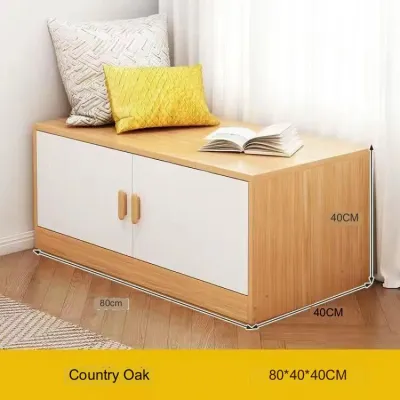
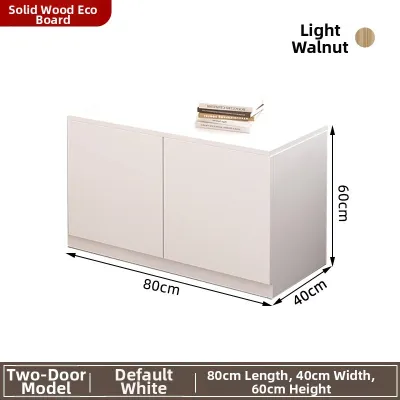
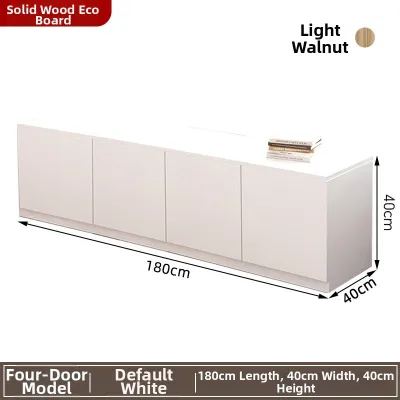
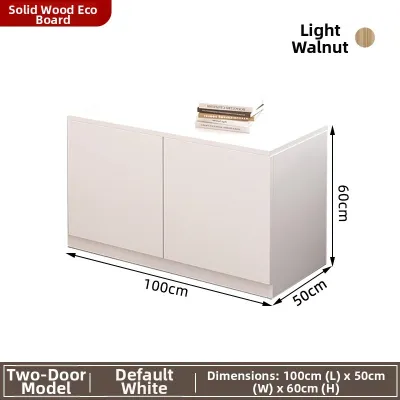
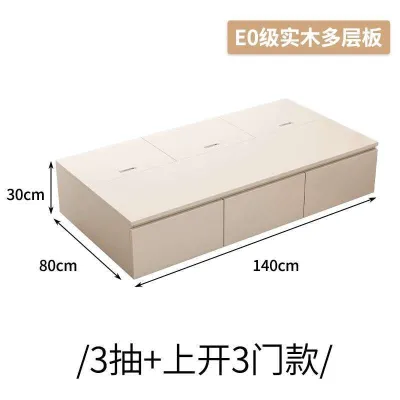
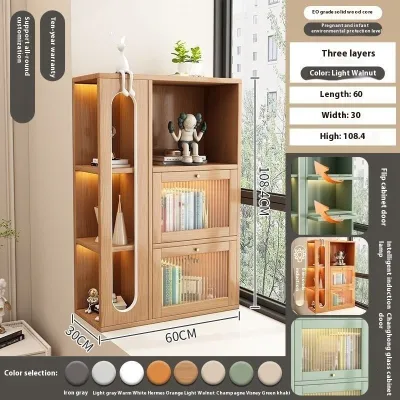
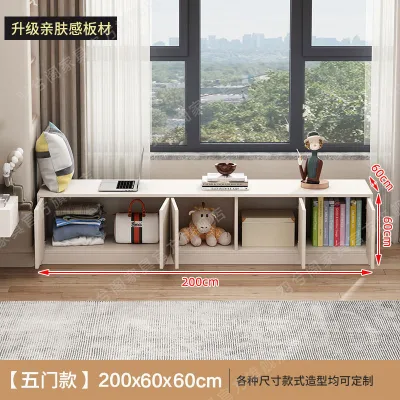
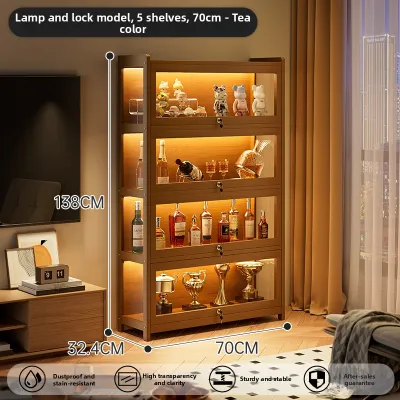
Prices are valid at publication and may change. Please refer to the product page for the latest price.
Next, identify any architectural obstacles that could interfere with the cabinet’s placement or installation. Look for skirting boards along the base of the adjacent walls, which can prevent a cabinet from sitting flush against the side of the alcove. Note the locations of power outlets, light switches, and air-conditioning trunking, as covering these can restrict access to essential utilities or require complex modifications. Additionally, check the operation of the window handles and hinges to ensure that a newly placed cabinet will not obstruct your ability to open the windows for ventilation.
Finally, verify the structural guidelines set by your building management or the Housing & Development Board (HDB). Some bay window ledges are structural concrete slabs that cannot support excessive concentrated weight, while others may contain concealed wiring or building services. If you are considering heavy furniture or custom built-in solutions that require drilling into the ledge or surrounding walls, consult your condominium’s Management Corporation Strata Title (MCST) or HDB guidelines first. Understanding these structural boundaries beforehand prevents costly compliance issues and ensures the safety of your installation.
Matching Display Cabinet Styles to Your Interior
The style of your display cabinet should act as a natural extension of your home’s overall design theme, creating a cohesive visual flow across the room.

Modern and Minimalist
For homes embracing a modern or minimalist aesthetic, display cabinets with sleek lines, handleless doors, and extensive glass fronts are highly effective. These designs prioritize transparency, allowing natural light from the bay window to pass through the cabinet and reflect deeper into the living space. Frameless glass doors or slim metal profiles minimize visual clutter, keeping the focus entirely on your curated display. This style is particularly beneficial for smaller rooms, as the airy design prevents the bay window alcove from feeling heavy or closed off.
Scandinavian
If your home leans toward a warm, organic feel, a Scandinavian-style cabinet offers an excellent balance of functional simplicity and cozy charm. Look for units featuring light wood tones, such as oak or ash, which complement the soft, natural light filtering through the window. Scandinavian designs often combine open shelving with closed lower compartments, allowing you to display prized possessions while tucking away everyday clutter. This configuration works beautifully if you plan to use the adjacent bay window space as a cozy reading nook or a relaxed seating area.
Industrial
For a bolder, high-contrast look, industrial display cabinets utilize matte black metal frames, dark wood finishes, and open wire grids. This style creates a striking architectural frame against the bright backdrop of a bay window, making it a strong choice for larger living rooms or study areas. Because industrial furniture often features open-backed shelving, it allows light to filter through the structure, ensuring that even a dark-toned cabinet does not completely darken the alcove.
Transitional and Classic
If your home features a blend of traditional elegance and contemporary elements, transitional or classic cabinets provide a timeless solution. These styles often incorporate subtle moldings, panelled glass doors, and muted paint finishes like soft ivory, charcoal, or classic navy. A transitional cabinet bridges the gap between the modern architecture of a bay window and traditional furniture pieces, offering a sophisticated backdrop for displaying fine china, glassware, or family heirlooms.
Choosing the Right Cabinet Configuration and Height
The height and configuration of your display cabinet directly impact how much light enters your room and how you interact with the bay window space.
Waist-High and Low Cabinets
Waist-high or low display cabinets are ideal if your primary goal is to preserve the panoramic view and maximize the flow of natural light. Placing a low cabinet directly on the bay window ledge creates a functional display surface without obstructing the glass panes. This setup allows daylight to flood the room unimpeded, maintaining a bright and spacious atmosphere. The top surface of a low cabinet can also serve as an additional styling platform for low-profile items like art books, small sculptures, or potted indoor plants.
Full-Height and Tall Cabinets
For homeowners who require substantial storage space, full-height or tall display cabinets can be positioned to flank the sides of the bay window. By placing tall units in the deep side alcoves adjacent to the window, you utilize vertical space efficiently without blocking the central glass panes. This configuration creates a framed, library-like effect around the window, drawing the eye upward and making the ceiling appear higher. It is important to ensure these tall units are securely anchored to the side walls to maintain stability.
Modular and Floating Units
If your bay window features irregular shapes, angled walls, or curved glass, standard rectangular cabinets may not fit cleanly. In such cases, modular or floating display units offer the flexibility needed to customize the layout around unique architectural angles. Floating shelves or wall-mounted display boxes can be arranged in staggered patterns along the side walls of the alcove, leaving the ledge completely clear. This approach provides a highly customizable display solution that adapts to the specific geometry of your home.
Essential Pre-Purchase and Installation Checks
Ensuring a successful cabinet installation requires careful planning and verification before making a purchase.
First, cross-reference the manufacturer’s specified product dimensions with your physical measurements, factoring in any wall irregularities or skirting boards. A cabinet that appears to fit on paper may struggle to sit flush if the walls are slightly uneven or if the skirting board projects outward by a few centimeters. Always allow a small margin of clearance around the cabinet to facilitate easy positioning and cleaning.
Second, evaluate the delivery route from the unloading bay to your apartment. Measure the height and width of your building’s lift doors, the interior lift cabin, and any tight corners in the common corridors or staircases, especially in older HDB estates with narrower layouts. Ensuring that the fully assembled cabinet or its flat-pack packaging can safely navigate these spaces prevents delivery day complications and potential damage to the furniture.
Third, review the manufacturer’s care instructions regarding material exposure to direct sunlight and temperature fluctuations. Because bay window cabinets sit close to the glass, they are subjected to intense UV rays and localized heat. Check if the cabinet’s finish, veneers, or adhesives are rated for sun exposure, and consider installing UV-blocking window films or sheer curtains to protect both the cabinet and your displayed items from fading.
Finally, prioritize safety by planning for proper anchoring. Tall or top-heavy display cabinets must be secured to the wall to prevent tipping, particularly when glass doors are opened. Always follow the manufacturer’s specific anchoring instructions and use the appropriate wall plugs and screws designed for your specific wall type, whether it is concrete, brick, or drywall.
Frequently Asked Questions (FAQ)
Can I install a custom built-in cabinet over a bay window ledge?
Yes, but it requires careful structural and regulatory verification. Before proceeding with a custom built-in, check if the bay window ledge is a load-bearing structure or if it houses building services like air-conditioning drainage pipes or electrical conduits. You must consult your condominium’s management office or obtain the necessary HDB renovation permits before undertaking any drilling or permanent modifications. Additionally, consider that freestanding display cabinets offer greater flexibility, allowing you to rearrange your layout or take the furniture with you if you move.
How do I protect a display cabinet from sun damage near a window?
To protect your cabinet and its contents from UV damage and heat, check the manufacturer’s guidelines for sun exposure limits on finishes and materials. Applying a high-quality, UV-blocking window film to the bay window glass is a highly effective way to reduce heat and solar radiation without sacrificing natural light. You can also hang sheer curtains to diffuse direct sunlight during the brightest hours of the day. Additionally, periodically rotate the items on display to ensure even light exposure and prevent localized fading on the cabinet shelves.
Community discussion
Share your experience or ask a question. Comments are reviewed before publication.