
Finding the ideal bag display stand for home organization in Singapore requires balancing structural stability, material durability, and spatial constraints. Singapore’s unique residential landscape—characterized by compact apartments, high humidity, and a mix of concrete and drywall partitions—demands a thoughtful approach to choosing furniture. A high-quality bag display stand does more than keep your luxury handbags or everyday backpacks off the floor; it preserves the shape of your bags, prevents strap creasing, and integrates seamlessly into your interior design. To choose the best option, you must look beyond brand names and focus on objective manufacturing standards, material treatments, and spatial compatibility.
Selecting the right brand involves evaluating how well a manufacturer addresses the physics of weight distribution and the environmental challenges of a tropical climate. This guide outlines the essential criteria for assessing brand reliability, details the practical measurements required for Singaporean homes, categorizes the available retail channels, and provides a verification checklist to ensure your chosen stand meets your specific safety and functional requirements.
Core Criteria for Evaluating Bag Display Stand Brands
Stability and Base Design
When evaluating any brand of bag display stand, the engineering of the base is the most critical factor governing safety and performance. A freestanding display stand must maintain a low center of gravity to prevent tipping when fully loaded with heavy leather bags or structured backpacks. Reliable brands typically address this through two primary design philosophies: heavily weighted bases or wide-footprint configurations.
Products mentioned in this guide


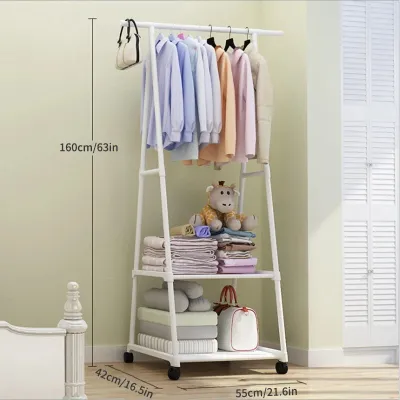
Prices are valid at publication and may change. Please refer to the product page for the latest price.
Weighted bases often utilize dense materials such as cast iron, solid steel plates, or natural stone like marble. These bases concentrate the weight at the lowest point of the stand, allowing the vertical shaft to remain slim and minimalist without sacrificing stability. Wide-footprint designs, such as tripod, quad-leg, or cross-shaped bases, distribute the downward force over a larger surface area. When assessing a brand, verify the base-to-height ratio; a taller stand requires a correspondingly wider or heavier base to remain stable under an uneven load.
Material Verification
Product descriptions often use generic terms like “solid wood” or “metal frame” without providing the technical specifications necessary to judge long-term durability. For metal stands, look for brands that specify the use of powder-coated steel, stainless steel, or anodized aluminum. Powder coating is particularly important in Singapore’s high-humidity environment, as it provides a robust, non-porous barrier that prevents moisture from reaching the underlying metal, thereby resisting rust and corrosion.
For wooden stands, generic “hardwood” labels should be verified against actual wood species and surface treatments. Look for brands that apply protective sealants, such as polyurethane or moisture-resistant lacquers, which prevent the wood from absorbing atmospheric moisture, warping, or developing mold. Always consult the manufacturer’s care instructions to determine if the material requires specialized cleaning agents or periodic maintenance to preserve its finish.
Joint and Connection Structures
The overall lifespan of a bag display stand is largely determined by the quality of its joints and connection points. High-quality brands avoid simple friction-fit components or direct wood-to-wood screws, which can loosen and strip over time, leading to a wobbly structure. Instead, look for metal-to-metal connections, such as threaded bolts mating with pre-installed metal inserts.
In metal stands, inspect the welds at critical stress points, such as where the hooks meet the main shaft and where the shaft connects to the base. Continuous, smooth welds indicate superior structural integrity compared to spot welds. For modular or adjustable stands, the locking mechanisms—whether collar clamps, spring pins, or threaded knobs—must tighten securely without slipping under weight, ensuring the stand remains rigid even when loaded unevenly.
Space Planning and Dimension Checks for Home Organization
Clearance and Delivery Checks
Before finalizing your purchase, it is essential to measure your home’s physical entryways and corridors to ensure the stand can be delivered and positioned safely. In many Singaporean HDB flats and condominiums, lift doors, stairwells, and narrow entry hallways present tight clearance margins. Compare these physical dimensions against the manufacturer’s packaged dimensions for flat-pack items, or the fully assembled dimensions for pre-built units.

Ensure there is sufficient clearance to maneuver the item through your front door and any interior hallways leading to the designated room. If you are purchasing a tall, single-piece metal stand, verify that your home’s ceiling height accommodates the stand with at least 10 to 15 centimeters of clearance to spare, allowing for safe assembly and positioning without scratching your walls or ceiling.
Hook Spacing and Vertical Height
An effective bag display stand must accommodate the specific dimensions of your bag collection without crowding or deforming the items. Measure the drop length of your longest shoulder straps and the heights of your tallest structured totes. The vertical distance between the hooks on the stand must exceed these measurements to prevent bags from hanging on top of one another.
Overlapping bags can cause structural deformation, especially to structured leather clutches or molded handbags, and can lead to color transfer between different materials in humid conditions. Look for brands that offer staggered hook heights or adjustable hook positions, allowing you to customize the spacing based on your collection’s specific layout.
Visual Footprint and Layout Integration
While physical dimensions dictate whether a stand will fit in a space, its visual footprint determines how it affects the room’s ambiance. In smaller foyers or bedrooms, a bulky, dark-colored stand can make the space feel cramped and cluttered. A slim, open-frame design with a light metallic or natural wood finish maintains light flow and preserves a sense of openness.
Ensure the base dimensions of the stand allow for comfortable foot traffic around the unit. For example, if placing the stand in a standard 90-centimeter-wide hallway, choose a model with a base diameter of no more than 30 centimeters to ensure a clear pathway. The stand should integrate into your existing organization system without obstructing access to wardrobes, light switches, or electrical outlets.
Brand Categories and Retail Channels in Singapore
Mass-Market Furniture and Lifestyle Brands
Mass-market furniture retailers offer high accessibility and the convenience of physical showrooms across Singapore, allowing you to test the stability and build quality of a bag display stand in person. These brands typically provide standardized return policies, clear assembly instructions, and immediate stock availability. Their products are often designed to fit standard modern aesthetics and offer a cost-effective solution for general home organization.
However, mass-market options often feature standardized dimensions and lower weight limits compared to specialized alternatives. The materials used may include engineered woods or thinner-gauge metals, which require careful adherence to weight limits to prevent bowing or joint failure over time. If choosing this route, prioritize models with simpler structures and fewer moving parts to minimize potential points of failure.
Specialty Organization and Boutique Home Stores
Specialty organization brands and boutique home stores cater to collectors looking for premium materials and refined aesthetics. These brands often feature specialized hook designs, such as wide, curved hangers that mimic the natural contour of a human shoulder, protecting delicate leather straps from creasing or stretching. Finishes in this category frequently include brushed brass, matte black steel, or solid walnut.
While these products offer superior material quality and aesthetic appeal, they come with higher price points, often ranging from S$100 to S$300 or more. Additionally, local stock availability may be limited, resulting in longer lead times if the item must be imported. Verify whether the boutique retailer handles the import logistics and covers potential transit damage before placing an order.
Custom Carpentry and Local Metalwork Services
For homeowners with extensive collections or highly specific spatial constraints, commissioning custom carpentry or local metalwork services is a highly effective option. This approach allows you to specify the exact height, base dimensions, hook count, and material finishes of your display stand, ensuring a perfect fit for your walk-in wardrobe or entryway.
Custom fabrication ensures high load capacities and robust construction tailored to your specific needs. However, this option involves the longest lead times—often several weeks from design approval to delivery—and higher initial costs. You must also coordinate closely with the fabricator regarding assembly, installation, and delivery requirements, particularly if the finished unit is heavy or requires wall anchoring.
Verifying Local Support
Regardless of the brand category you choose, verifying the availability of local support is essential before making a purchase. A robust local presence ensures that you have access to assembly assistance, replacement parts, and warranty fulfillment without the hassle of international shipping. Use the following checklist to evaluate a brand’s local support network:
- Physical Showroom or Office: Confirm if the brand has a physical location in Singapore where you can inspect products or speak with customer service representatives.
- Local Warranty Service: Ensure the warranty is fulfilled directly by a Singapore-based distributor or office, rather than requiring you to ship the item back to an overseas manufacturer.
- Replacement Parts Availability: Check if the retailer stocks spare parts, such as replacement hooks, leveling feet, or assembly hardware, locally.
- Delivery and Assembly Services: Verify if the brand offers professional delivery and on-site assembly options, which is particularly beneficial for heavy or complex modular stands.
Verifying Manufacturer Claims and Product Specifications
Reading Labels and Spec Sheets
To ensure a bag display stand is safe for your home, you must look past marketing terms like “heavy-duty” and carefully analyze the technical specification sheet. Reliable manufacturers provide explicit weight limits, detailing both the maximum total load capacity of the stand (e.g., 25 kilograms) and the maximum load capacity per individual hook (e.g., 3 kilograms). Never assume a stand can support your heaviest bags based solely on its visual appearance.
Compare these stated limits against the actual weight of your bags when fully loaded with your daily essentials. If a brand does not publish explicit weight ratings on its product labels or online listings, contact their customer support to verify these specifications before purchasing. Operating a stand near or beyond its structural limit compromises its stability and can lead to sudden structural failure.
Assembly and Installation Requirements
Understanding the assembly process is crucial for ensuring the structural integrity of your display stand. Review the manufacturer’s assembly instructions prior to purchase to identify whether the product requires specialized tools, two-person assembly, or professional installation. Modular stands that rely on simple friction-fit poles are easy to assemble but may offer lower weight capacities than those secured with heavy-duty bolts.
If you select a wall-anchored or wall-leaning variant, verify if the package includes the appropriate mounting hardware. In Singapore, residential walls vary from solid concrete masonry in HDB flats to hollow drywall partitions in newer condominiums. Ensure the included anchors are compatible with your specific wall type, or purchase specialized high-load anchors separately to guarantee a secure installation that prevents the stand from pulling away from the wall.
Evaluating Warranty Terms
A manufacturer’s warranty is a strong indicator of a brand’s confidence in its product’s durability. A standard consumer warranty for furniture typically covers structural defects, joint failures, or manufacturing flaws for a period of one to three years. Carefully read the warranty terms to understand what is covered and what is excluded from protection.
Common exclusions include cosmetic wear and tear (such as scratches on the finish), damage caused by overloading the stand beyond its stated weight limits, and damage resulting from improper assembly or exposure to moisture if the product is not rated for humid environments. Keep your purchase receipt and assembly documentation in a safe place, as these are typically required to initiate a warranty claim.
Frequently Asked Questions (FAQ)
How many bags can a standard display stand safely hold?
The safe capacity of a bag display stand is determined by the manufacturer’s stated total weight limit and the base’s stability, rather than the physical number of hooks available. For example, a stand may feature eight hooks, but if the total weight capacity is rated at 15 kilograms, hanging eight heavy leather bags weighing 2.5 kilograms each will exceed the limit and risk structural failure or tipping. Always check the specification sheet for both the total weight limit and the individual hook capacity, and distribute the weight as evenly as possible around the stand to maintain balance.
Are freestanding bag stands safe on smooth tile floors?
Freestanding bag stands can pose a sliding or tipping risk on smooth flooring surfaces such as polished porcelain, marble, or ceramic tiles, which are common in Singaporean homes. To ensure stability, check if the brand includes integrated non-slip rubber pads or felt protectors on the underside of the base. These pads increase friction, prevent the stand from sliding when bags are added or removed, and protect your flooring from scratches. If your chosen stand lacks these protective elements, you can purchase adhesive non-slip silicone or rubber pads separately and apply them directly to the base.
Can I use a standard coat rack as a bag display stand?
While a standard coat rack can physically hold bags, there are structural differences that you must consider before repurposing one. Coat racks are engineered for hanging garments, which typically distribute weight vertically and have soft, flexible shapes. Bags, especially structured leather handbags, exert concentrated downward force and often have wider profiles that can cause a standard coat rack to become top-heavy or unbalanced. If you choose to use a coat rack, strictly verify its load-bearing capacity, ensure it has a sufficiently wide or weighted base, and avoid hanging heavy bags exclusively on one side of the rack.
Community discussion
Share your experience or ask a question. Comments are reviewed before publication.