
Finding the right steel kitchen cabinet brand in Singapore requires looking beyond the sleek metal exterior. The ideal choice depends on how effectively a brand can customize its internal storage to fit your specific kitchen layout, whether you are dealing with a compact HDB galley kitchen or a spacious condominium open-plan design. To secure a high-performing kitchen, you must evaluate brands based on their material grades, hardware specifications, and their ability to tailor configurations to your daily cooking habits.
Why Steel is Practical for Singapore Kitchens
Singapore’s tropical climate presents unique challenges for home interiors, particularly in the kitchen where heat and moisture accumulate daily. High relative humidity levels can cause traditional wood-composite cabinets to swell, warp, or harbor mold over time. Steel kitchen cabinets offer a highly practical alternative because they do not absorb moisture, eliminating the risk of structural bloating. Additionally, non-porous steel surfaces provide no food source or nesting ground for common household pests, such as termites and cockroaches, which are frequent concerns in local residential estates.
However, simply choosing “steel” does not guarantee lifelong durability or complete rust prevention. Homeowners must verify the specific grade of steel and the surface treatments applied by the manufacturer. Grade 304 stainless steel is the standard recommendation for kitchen environments due to its high chromium and nickel content, which provides robust resistance to corrosion. In contrast, cheaper Grade 201 stainless steel is more prone to tea-staining and rust when exposed to salty or acidic kitchen spills. Always ask the brand to confirm the material grade and whether they use protective finishes, such as electrostatically applied powder coatings or specialized anti-fingerprint sealants, to shield the metal from oxidation.
Products mentioned in this guide
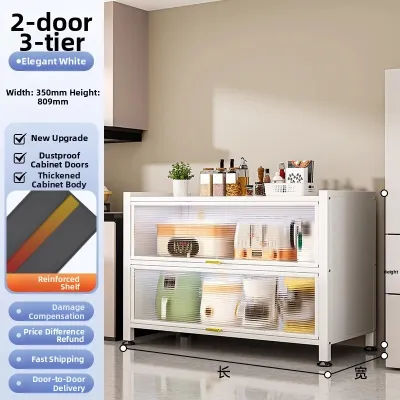
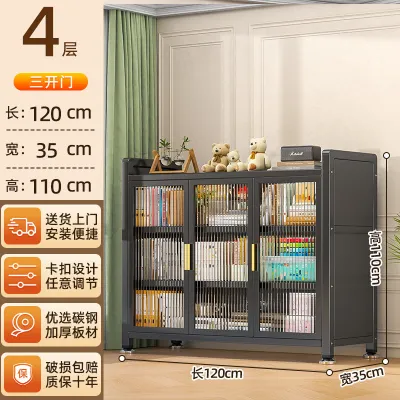
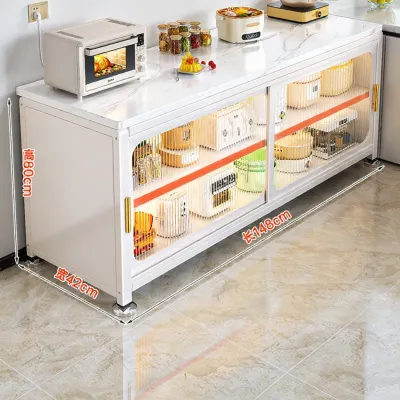
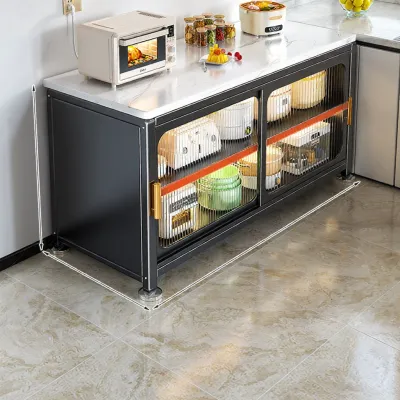
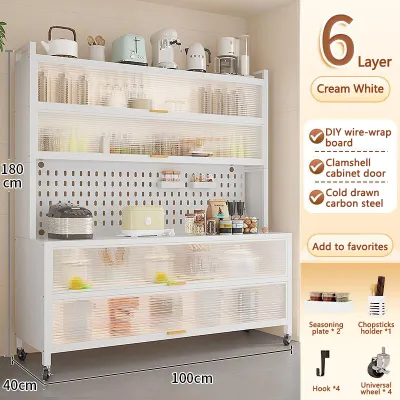
Prices are valid at publication and may change. Please refer to the product page for the latest price.
Maintaining the pristine look of steel cabinets also requires adhering to specific care instructions rather than assuming the surfaces are indestructible. While steel is highly resilient, it is not entirely scratch-proof or stain-proof. Abrasive scrubbing pads or harsh chlorine-based bleach cleaners can permanently scratch the surface or break down the protective oxide layer, leading to localized rusting. Homeowners should check the manufacturer’s official care guidelines, which typically recommend wiping surfaces down with a soft microfiber cloth, warm water, and a mild pH-neutral detergent to preserve the finish over years of heavy cooking.
Core Features of Effective Custom Storage Solutions
A truly custom steel kitchen goes far beyond standard metal boxes hung on a wall. Effective customization relies on modular internal fittings that can be adjusted as your storage needs evolve over time. Instead of fixed shelves that leave large pockets of wasted vertical space, look for brands that offer adjustable shelving systems with closely spaced mounting points. This flexibility allows you to partition the cabinet interior precisely, ensuring that tall oil bottles, stackable mixing bowls, and compact spice jars each have dedicated zones that match their exact heights.

Ergonomic zoning is another critical element of custom storage, designed to minimize unnecessary bending, stretching, and reaching during food preparation. High-use items should be positioned within the primary comfort zone—between hip and shoulder height—while heavy or rarely used items are relegated to lower drawers or upper shelves. To support this zoning, the quality of the moving hardware is paramount. When evaluating cabinet brands, do not rely on visual estimates of durability; instead, ask for the manufacturer’s certified load capacity ratings for their drawer slides and hinges. High-quality runners should be rated to support at least 30 to 50 kilograms of weight without sagging, ensuring that deep drawers filled with heavy cast iron cookware glide smoothly and safely.
Furthermore, precise spatial measurements are the foundation of any successful custom installation. Unlike wood, which can be easily shaved or trimmed on-site during installation, steel cabinets are manufactured to exact specifications off-site and cannot be modified once they arrive at your home. The customization process must account for structural obstacles unique to Singapore homes, such as exposed HDB gas pipes, structural pillars, water meters, and waste chutes. A professional brand will take detailed three-dimensional measurements to ensure the cabinet carcasses leave adequate clearance for these utilities while maximizing every available millimeter of storage space.
How to Evaluate Cabinet Brands and Showrooms
Visiting a brand’s showroom is the most effective way to assess the actual build quality of their steel cabinetry. When examining display units, perform physical tests rather than just admiring the design. Open and close drawers repeatedly, paying close attention to how they behave when fully extended. If possible, ask the showroom consultant if you can place some weight inside a drawer to test its smoothness under a simulated load. Listen for any scraping, rattling, or grinding noises, which indicate sub-par slide mechanisms or poor structural alignment.
Inspect the physical joints and edges of the cabinets with care. High-quality steel fabrication is characterized by seamless, ground-down welds and perfectly folded edges that eliminate any sharpness. Run your hand safely along the undersides of shelves and the inner corners of doors; any rough weld spots or sharp metal edges pose a safety hazard during daily use and point to low manufacturing standards. Additionally, check how the steel panels are reinforced. High-end steel doors often feature a honeycomb or high-density foam core sandwiched between metal sheets to deaden sound, preventing the tinny, echoing clatter associated with cheap metal lockers.
A brand’s design and engineering service is just as important as their physical product. During your consultation, evaluate whether the brand provides detailed technical drawings and accurate 3D renderings of your specific kitchen layout. These drawings must clearly show how the cabinets interact with your kitchen’s physical boundaries, including door swings, window clearances, and appliance integration. Before signing any contract, verify the exact terms of the warranty. Ensure you understand what is covered: premium brands will often offer separate, extended warranties for the structural steel frames (sometimes up to 10 or 20 years) while covering moving hardware components like hinges and pull-out mechanisms under a different, shorter term.
Essential Custom Storage Configurations to Request
To maximize the efficiency of your kitchen layout, you should request specific custom storage configurations that target common spatial pain points. In deep base cabinets, standard shelving often forces you to kneel and search in the dark for items stored at the back. Replacing these shelves with full-extension pull-out pantry systems or deep drawer organizers allows you to bring the entire contents of the cabinet into clear view and easy reach. For corner cabinets—traditionally a major source of wasted space in L-shaped and U-shaped kitchens—request specialized blind-corner solutions such as corner carousels or articulated “magic corner” pull-out trays that smoothly swing out of the cabinet depth when the door is opened.
Vertical storage configurations are equally valuable for keeping your countertops clear of clutter. Deep drawers can be customized with adjustable pegboard systems or metal dividers to secure heavy pots, pans, and lids in an upright position, preventing them from scratching against each other. For slim, narrow gaps next to the cooker hob, a custom pull-out spice tower or a dedicated tray divider cabinet for baking sheets and cutting boards utilizes tight spaces that would otherwise be boarded up as dead filler panels. Additionally, integrating a pull-out waste sorting bin directly beneath the sink area keeps waste concealed and maintains a hygienic food prep environment.
Before finalizing these configurations, you must map out the exact dimensions of your existing and planned kitchen appliances. Do not rely on generic appliance sizes; measure your stand mixers, air fryers, microwave ovens, and coffee machines, including their power cords and ventilation clearances. Discuss these dimensions with your cabinet designer to create dedicated “appliance garages” or heavy-duty pull-out shelves equipped with integrated electrical outlets. This ensures that high-draw appliances have the physical space and necessary ventilation to operate safely inside their designated storage compartments without overheating.
Your Step-by-Step Planning and Ordering Checklist
Executing a custom steel kitchen project requires a systematic approach to prevent costly manufacturing errors. Follow this step-by-step checklist to guide your journey from initial concept to final installation:
- Step 1: Initial Site Measurement and Access Check
Arrange for a professional site surveyor from the brand to measure your kitchen space. Beyond the wall-to-wall dimensions, ensure they verify the access route to your home. Because steel cabinets are delivered as fully welded or pre-assembled rigid modules, you must confirm that the cabinet dimensions can clear your building's lift doors, stairwells, and your home's main entryway. - Step 2: Design Consultation and Layout Mapping
Work with the designer to map out your workflow zones (cleaning, preparation, cooking) and identify where your custom storage configurations will go. Provide the designer with the exact model numbers and specification sheets for your sink, hob, hood, oven, and refrigerator. - Step 3: Technical Drawing Review and Verification
Carefully review the final shop drawings before signing off for production. Check that all clearances for cabinet door swings, drawer extensions, and appliance doors are accurate. Verify that the drawings align perfectly with your existing plumbing inlets, waste pipes, gas lines, and electrical wall sockets to avoid on-site clashes. - Step 4: Site Preparation and Pre-Installation Check
Ensure that your kitchen walls are structurally sound and plumb. If you are mounting heavy upper steel cabinets, verify that the wall material (such as concrete or reinforced drywall partition) can safely support the combined weight of the steel structure and your stored items. - Step 5: Final Installation Day Inspection
Once the installation team completes the assembly, perform a thorough physical inspection before they leave. Use a spirit level to check that all countertops and cabinets are perfectly level and stable. Test every drawer and door to ensure smooth movement, proper soft-close function, and correct alignment. Finally, check that all protective plastic films have been completely peeled off, as trapped film can collect moisture and lead to localized surface discoloration over time.
Frequently Asked Questions (FAQ)
Are steel kitchen cabinets more expensive than wooden alternatives?
Yes, steel kitchen cabinets generally require a higher initial investment compared to standard wood-composite alternatives like laminate or plywood. The overall cost is determined by the grade of steel used (such as premium Grade 304), the thickness of the metal sheets, the complexity of the custom powder-coated or brushed finishes, and the inclusion of high-end moving hardware. To ensure you are getting a fair comparison, always request an itemized quotation from the brand. This quote should clearly separate the cost of the structural steel carcasses from the custom internal organizers, pull-out fittings, and hardware, allowing you to see exactly where your budget is being allocated.
Can custom storage fittings be retrofitted into existing steel cabinets?
Retrofitting aftermarket custom storage fittings, such as pull-out wire baskets or spice racks, into existing steel cabinets is possible but requires careful preparation. Unlike wood cabinets, where you can easily screw new brackets directly into the side panels, drilling into steel requires specialized metal drill bits, precise center-punching, and careful handling to avoid denting the panels or chipping the protective powder coating. Furthermore, unauthorized drilling or modification of the steel structure can void your manufacturer’s warranty. Before attempting any retrofitting, check your warranty terms and consult the original brand to see if they offer compatible modular add-ons that can be installed professionally.
Community discussion
Share your experience or ask a question. Comments are reviewed before publication.