
When elevating a heavy sectional or an oversized sofa, standard furniture risers are rarely sufficient. These massive furniture pieces distribute immense weight across multiple contact points and are subjected to significant lateral forces whenever people sit down, lean back, or shift positions. To ensure safety and prevent structural failure, the most suitable sofa height risers must feature high weight capacities, wide load-bearing bases, and secure recessed cups that lock the furniture legs firmly in place.
Choosing the wrong riser can lead to cracking, tipping, or sliding, which can damage your sofa’s frame and ruin your flooring. In typical Singapore homes with parquet, laminate, or vinyl floors, an unstable riser can also cause deep, permanent indentations or scratches. By understanding how to calculate your sofa’s true load requirements, evaluating the structural integrity of different riser materials, and executing a careful installation, you can safely achieve the desired height while maintaining excellent stability.
Assessing Your Sofa's Weight and Leg Specifications
Before purchasing any sofa height riser, you must accurately determine the physical demands your furniture will place on it. This requires calculating the total load, measuring the exact dimensions of the sofa’s feet, and assessing how the height change will affect your living space.
Products mentioned in this guide
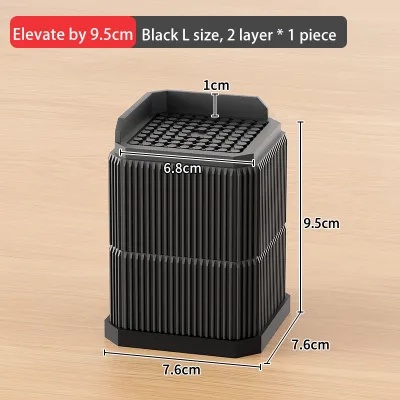
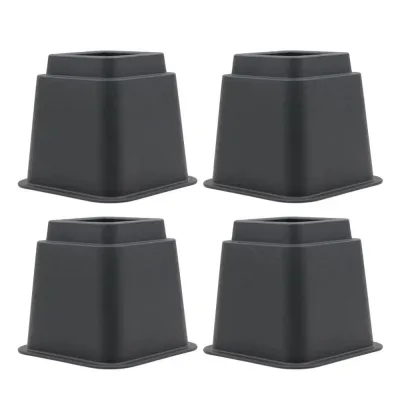
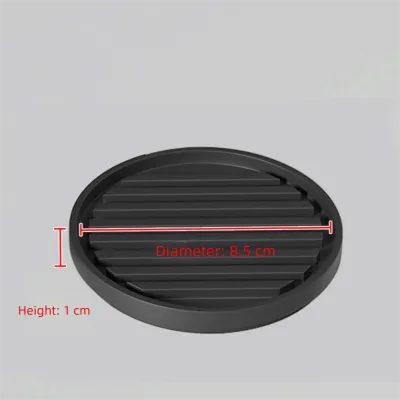
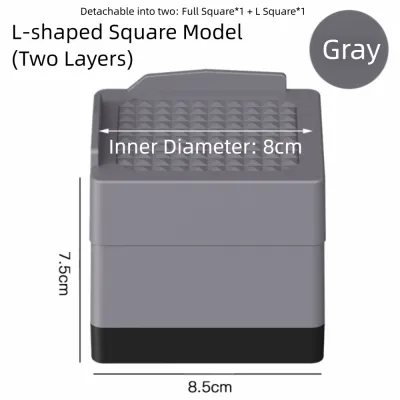
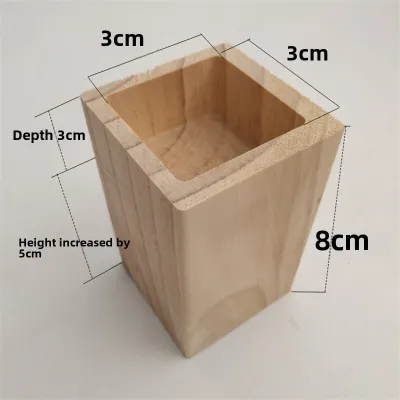
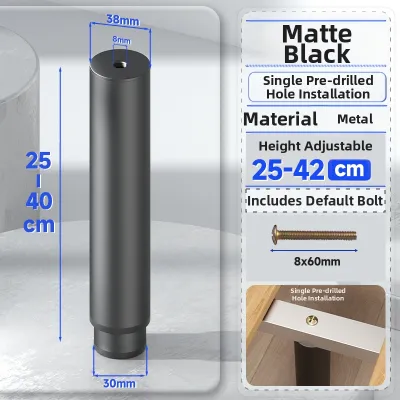
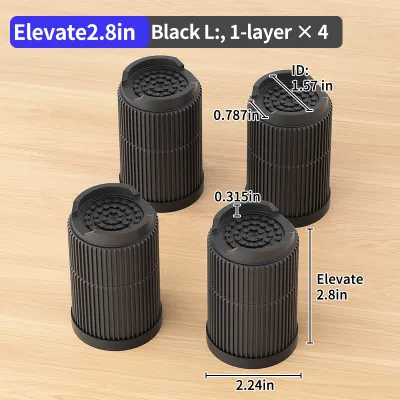
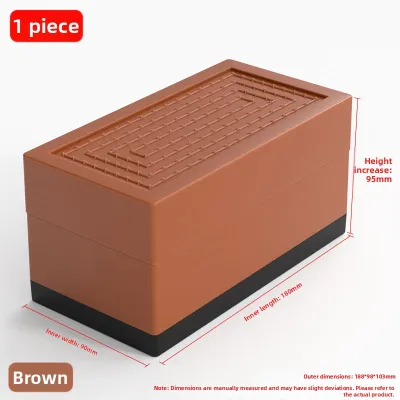
Prices are valid at publication and may change. Please refer to the product page for the latest price.
To find the minimum weight capacity required per riser, you must calculate the total potential weight of the fully occupied sofa. Start by estimating the weight of the sofa frame itself. A standard three-seater sofa typically weighs between 50 and 90 kilograms, but a large, multi-segment sectional can easily exceed 150 kilograms due to its heavy wooden frames, reclining mechanisms, and dense cushioning. Next, add the weight of the maximum number of occupants the sofa can accommodate. For a five-seat sectional, assuming an average occupant weight of 75 kilograms adds another 375 kilograms to the total.
Once you have the total estimated weight, count the exact number of contact points or legs on your sectional. Unlike standard sofas with four legs, sectionals often have six, eight, or even ten legs to support the joints where different modules connect. Divide the total weight by the number of legs to find the average load per leg. If your sectional has eight legs, each leg supports an average of approximately one-eighth of the total weight. However, weight is rarely distributed evenly; corner modules and chaise lounges often bear a higher concentration of weight. To account for this uneven distribution, apply a safety margin by multiplying your per-leg calculation by at least 1.5 to determine the minimum capacity required for each individual riser.
Next, measure the exact physical dimensions of your sofa’s legs. Use a precise measuring tape or caliper to record the width, depth, and shape of the bottom of each foot. Sofa legs come in various designs, including square blocks, tapered pegs, round bun feet, or metal bracket legs. If your sofa features casters, you must measure both the diameter of the wheel and the width of the caster assembly. The riser’s top recess must be slightly larger than these measurements to allow the leg to sit fully inside, but not so large that the leg can slide around excessively.
Finally, consider the ergonomic impact of raising your sofa. Standard sofa seat heights range from 45 to 50 centimeters from the floor, which allows most adults to sit comfortably with their feet flat on the ground. Raising the sofa by 5 to 10 centimeters can significantly alter this angle. While a higher seat can make it easier for older adults or individuals with knee issues to stand up, it may cause discomfort for shorter family members whose legs may dangle. Measure your current seat height and test the proposed height increase using temporary wooden blocks before committing to a permanent purchase.
Key Features for Heavy Sectional Risers
Supporting a massive sectional requires risers engineered specifically for high-stress applications. Standard retail risers designed for light beds or single chairs will quickly fail under the complex forces exerted by a large, multi-piece sofa.

Weight Capacity and Load Distribution
When shopping for a sofa height riser, look for explicitly stated weight capacities provided by the manufacturer. Avoid products that rely on vague marketing terms like “heavy-duty” or “extra strong” without providing concrete numbers. A reputable manufacturer will specify either the maximum weight capacity per individual riser or the total capacity for a set of four.
It is crucial to understand the difference between static and dynamic loads. Static load refers to the weight of the sofa and its occupants when completely still. Dynamic load is the force generated by movement, such as someone sitting down heavily, children jumping on the cushions, or occupants shifting their weight. Dynamic forces can momentarily double or triple the pressure exerted on a single riser. Therefore, always choose risers with a certified weight rating that comfortably exceeds your calculated dynamic load requirements.
Base Width and Anti-Slip Stability
The physical footprint of the riser base is critical for distributing weight safely. A narrow riser concentrates all the downward force onto a small area, acting like a high heel on soft flooring. This concentrated pressure can easily crack ceramic tiles, dent hardwood, or puncture vinyl planks. A wide, flared base distributes the weight over a much larger surface area, minimizing point-load stress and protecting your floors from structural damage.
Lateral stability is equally important. When people sit down or lean against a sectional, they exert lateral force on the furniture. To prevent the sofa from sliding off the risers, the top of each riser must feature a deep recessed cup or a high protective lip that securely captures the sofa leg. Additionally, the bottom of the riser must have integrated, high-friction non-slip pads made of rubber or silicone. These pads grip the floor surface, preventing the entire sectional from shifting or sliding when in use.
Comparing Riser Types for Large Sofas
Different riser designs offer varying levels of stability, weight tolerance, and aesthetic appeal. Understanding these differences will help you select the safest option for your heavy sectional.
Cup-style risers are among the most secure options for heavy furniture. These risers feature a deep, well-defined well at the top designed to completely enclose the bottom of the sofa leg or caster. Because the leg is physically trapped within the cup, it cannot slide off even under heavy lateral forces. These are highly suitable for sectionals with traditional wooden pegs, block legs, or wheels.
Solid block risers, typically crafted from solid wood or dense, heavy-duty polymers, offer a clean and minimalist aesthetic that blends with your existing furniture. Because they are solid throughout, they have high compressive strength and are highly resistant to cracking or collapsing. However, they often feature shallower top recesses, meaning they require precise alignment and high-friction grip pads to prevent the sofa legs from shifting.
Adjustable stacking risers allow you to customize the height of your sofa by stacking interlocking blocks on top of one another. While highly versatile, stacking introduces multiple joint interfaces that can compromise lateral stability under heavy loads. For a large sectional, stacking risers are generally not recommended unless the manufacturer explicitly certifies them for heavy-duty use and you limit the stack to a single level.
When evaluating materials, avoid cheap, hollow plastic risers with thin internal support walls. Under the immense weight of a sectional, these thin plastic ribs can buckle and fail without warning. Instead, look for risers made from solid wood (such as oak or maple), machined metal (such as steel or heavy-duty aluminum), or high-impact reinforced polymers (such as ABS or glass-filled nylon) that feature solid or heavily reinforced internal structures. While high-quality reinforced risers may require a slightly higher investment than basic plastic alternatives, this cost is essential to protect your expensive sectional and your home’s flooring.
Step-by-Step Installation and Safety Checks
Installing risers under a heavy sectional requires a methodical approach to prevent personal injury, frame damage, or floor scratches. Because sectionals consist of multiple interlocking segments, lifting them incorrectly can bend the connecting brackets or twist the wooden frame.
First, clear the area around the sectional and enlist the help of at least one or two other people. Never attempt to lift a heavy sectional alone. If your sectional is joined by interlocking brackets, disconnect the segments before lifting. This reduces the weight of each individual piece and prevents the brackets from bending or snapping under uneven lifting forces.
Use furniture sliders under the legs to slide the sectional segments into their approximate final positions. When you are ready to lift, use proper lifting techniques: bend at your knees, keep your back straight, and lift slowly. If you are using a furniture jack or lever tool to assist with the lift, ensure the tool is rated for the weight and placed securely under a solid, load-bearing part of the sofa frame—never under thin decorative trim or fabric dust covers.
Have your helper slide the riser directly under the lifted leg. Carefully lower the leg into the exact center of the riser’s recessed cup. Repeat this process for every leg of the segment, ensuring that all risers are facing the same direction and sitting completely flat on the floor. Once all segments are elevated, carefully realign and reconnect the interlocking brackets.
After installation, perform a thorough stability check. Gently push the sectional from different angles to test for any wobble, sliding, or unevenness. Sit down slowly on various sections of the sofa, paying close attention to any creaking sounds, frame flexing, or tilting risers. After a few days of regular use, inspect the floor around the base of each riser to ensure there are no signs of indentation, cracking, or shifting. If you observe any instability, hairline cracks in the risers, or uneven leg seating, immediately remove the risers and reassess your setup.
Building Your Shortlist: What to Verify Before Buying
To ensure you purchase a safe and compatible product, use this final checklist when evaluating sofa height risers online or in-store:
- Verify Recess Dimensions: Ensure the inner width and depth of the riser's top cup are at least 5 to 10 millimeters larger than your sofa leg's footprint to allow a secure fit without forcing.
- Confirm Weight Ratings: Check that the manufacturer explicitly states a weight capacity that exceeds your calculated dynamic load (total weight of sofa plus occupants, multiplied by a 1.5 safety factor).
- Check Material Integrity: Opt for solid wood, machined metal, or high-impact reinforced polymers. Avoid unreinforced, hollow plastic designs.
- Assess Floor Protection: Ensure the bottom of the riser features a non-marking rubber or silicone pad to prevent slipping and protect parquet, vinyl, or laminate floors.
- Review Return Policies: Confirm that the retailer offers a flexible return policy, allowing you to return the risers if they fail to provide adequate stability during your initial home test.
Frequently Asked Questions (FAQ)
Can I use standard plastic risers for a large sectional?
Standard, lightweight hollow plastic risers are generally unsafe for large sectionals. The concentrated weight of a heavy sofa, combined with the dynamic forces of people sitting down, can easily exceed the structural limits of unreinforced plastic, leading to sudden cracking or buckling. Only use polymer risers if they are explicitly rated as heavy-duty, feature reinforced internal support walls, and have verified weight capacities from the manufacturer.
Do height risers void the sofa manufacturer's warranty?
In many cases, yes. Modifying the original support structure of a sofa by placing it on risers can void warranties related to frame sagging, joint separation, or leg breakage. Manufacturers design the frame to distribute weight directly to the floor through the original legs; elevating them on risers can alter these load paths and introduce lateral stress. Always review your sofa’s warranty documentation or contact the manufacturer’s customer service before installing risers.
Community discussion
Share your experience or ask a question. Comments are reviewed before publication.