
Finding the right small coffee table brand for a Singapore home requires balancing physical footprint, material durability under tropical humidity, and functional versatility. Rather than searching for a single, universally perfect brand, homeowners should evaluate furniture makers based on their structural joinery, material specifications, and delivery logistics tailored to compact HDB and condominium layouts. By understanding how to assess these factors, you can select a piece that enhances your living room’s flow while standing up to daily use.
In compact residential spaces, every square centimeter of floor area impacts how comfortable and open a room feels. A coffee table that is too large can block natural traffic paths, while one that is too small can look lost and fail to provide adequate utility. The key is to focus on proportions, clearance zones, and visual weight to find a balance that suits your specific home layout.
Defining "Small" for Singapore Apartment Layouts
To choose a coffee table that fits seamlessly into a modern Singapore apartment, you must first establish realistic size constraints based on typical living room dimensions. Modern HDB Build-To-Order (BTO) flats and newer condominium units often feature open-plan living areas where the dining and living spaces merge. In these layouts, maintaining clear walkways is essential to prevent the room from feeling cramped or cluttered.
Products mentioned in this guide
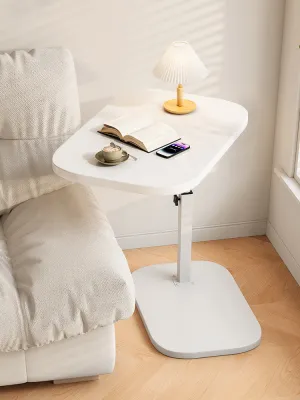
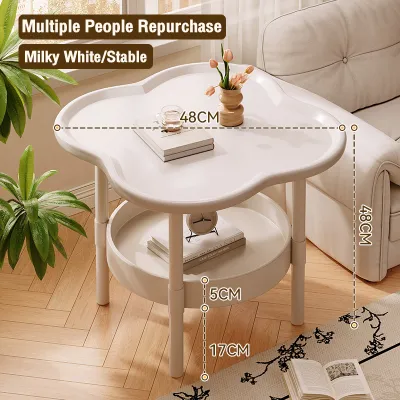
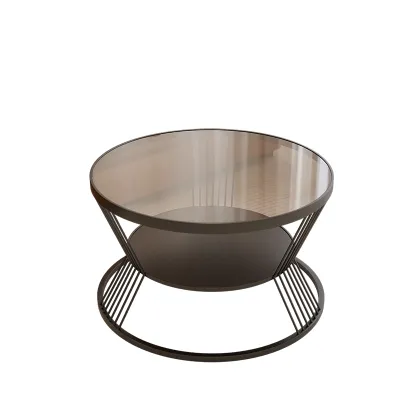
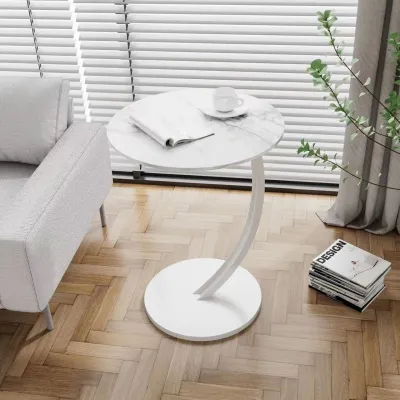
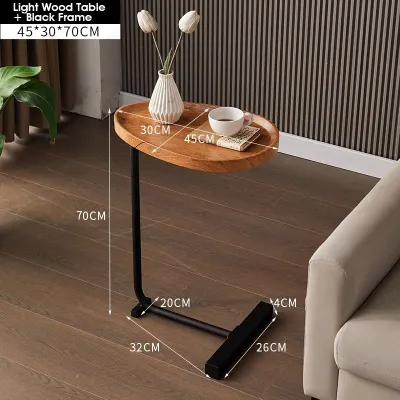
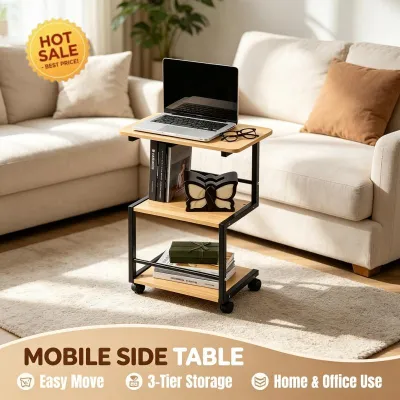
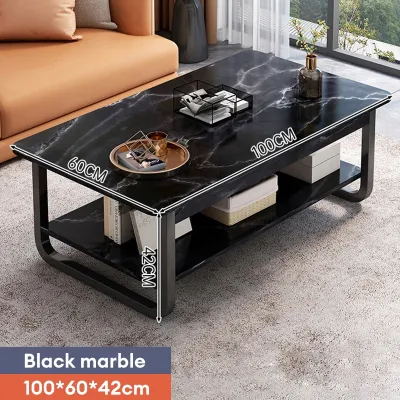
Prices are valid at publication and may change. Please refer to the product page for the latest price.
Standard Clearance and Traffic Flow
When planning your layout, the most critical measurement is the clearance between the edge of the sofa cushions and the edge of the coffee table. For comfortable legroom and easy access to drinks or books, aim for a distance of 30 cm to 45 cm. This range provides enough space to sit and stand without bumping your knees, while keeping the table surface within comfortable arm’s reach.
Beyond the immediate sofa area, you must also consider the main walkways that lead through the living room to other parts of the home, such as the kitchen or bedrooms. These high-traffic paths require a minimum clearance of 60 cm to 75 cm. If your coffee table encroaches on these pathways, family members and guests will find themselves constantly navigating around it, which disrupts the natural flow of the household.
Proportional Sizing Relative to the Sofa
As a general design rule, a coffee table should be approximately one-half to two-thirds the total length of your sofa. For a typical compact two-seater or three-seater sofa, which usually measures between 150 cm and 180 cm in width, your coffee table should ideally range from 75 cm to 120 cm in length. If you choose a circular or square table, a diameter or width of 60 cm to 80 cm is generally the most balanced option.
Height is another crucial dimension that affects both comfort and aesthetics. The top of the coffee table should sit level with, or slightly below, the seat cushions of your sofa—typically between 40 cm and 45 cm from the floor. A table that is significantly taller than your sofa cushions can disrupt the visual line of the room and make reaching for items awkward when you are seated.
Visual Weight versus Physical Footprint
In tight living rooms, the visual weight of a piece of furniture is just as important as its physical dimensions. Visual weight refers to how heavy or bulky an object appears to the eye. A solid, block-style wooden coffee table that sits directly on the floor will look much larger and more imposing than a table of the exact same dimensions that features slender legs and an open base.
To make a small living room feel more spacious, prioritize designs that allow light and air to pass through. Tables with thin metal frames, tapered wooden legs, or glass and mirrored tops help maintain a sense of openness. Round or oval shapes are also highly effective in compact spaces, as their lack of sharp corners softens the room’s lines and makes it easier to navigate tight corners without painful bumps.
Key Quality and Style Indicators for Compact Tables
Once you have determined the correct dimensions for your space, the next step is to evaluate the build quality and design style of the tables in a brand’s catalog. High-quality construction ensures that your investment will withstand daily wear and tear, while a well-chosen style will complement your existing interior design theme.

Checking Joinery and Edge Finishing
When inspecting a coffee table in person or reviewing its technical specifications online, pay close attention to how the pieces are joined together. High-quality furniture brands use robust joinery techniques such as mortise-and-tenon joints, dowels, or metal-on-metal bolt connections. Avoid tables that rely solely on staples, nails, or basic wood glue, as these connections can quickly loosen over time, leading to a wobbly and unstable table.
For tables made from engineered woods like MDF or plywood, examine the quality of the edge banding. The edges should be smooth, seamless, and completely sealed. Poorly applied edge banding can lift or peel, exposing the inner core of the wood to moisture and dust, which will eventually cause the material to swell and degrade.
Evaluating Material Stability in High-Humidity Environments
Singapore’s tropical climate, characterized by high relative humidity and warm temperatures, presents unique challenges for furniture preservation. Solid wood is a natural, porous material that expands and contracts in response to changes in atmospheric moisture. If solid wood is not properly seasoned, kiln-dried, and sealed, it can warp, split, or crack over time.
When browsing wooden coffee tables, look for brands that specify the use of kiln-dried timber and high-quality protective finishes, such as polyurethane coatings or water-resistant lacquers. If you prefer engineered wood, ensure it is rated as moisture-resistant (such as MR-grade MDF or marine-grade plywood). Alternative materials like sintered stone, tempered glass, and powder-coated metals are highly stable in humid conditions and require minimal maintenance to keep them looking pristine.
Matching Design Aesthetics with Compact Themes
Your coffee table should harmonize with the overall design theme of your living room. Because the table sits at the center of the seating arrangement, it acts as a visual anchor for the entire space. Consider how different design styles can enhance a compact room:
- Scandinavian: Characterized by light-colored woods like oak or ash, clean lines, and tapered legs. This style brings warmth and a sense of airy simplicity to small spaces.
- Japandi: A fusion of Japanese minimalism and Scandinavian functionality. It features low-profile designs, natural textures, and neutral color palettes that promote a calm, uncluttered atmosphere.
- Modern Industrial: Combines dark metal frames with rustic wood or concrete-look tops. The open metal structures keep the visual weight low while adding a contemporary edge.
- Modern Luxury: Incorporates materials like sintered stone, marble, and brass accents. To keep this style suitable for small rooms, look for slender frames and geometric shapes that do not overwhelm the space.
Evaluating Brand Reliability and Local Support
Buying a coffee table is not just about selecting a design; it is also about choosing a reliable brand that provides excellent customer service, dependable delivery, and robust after-sales support. Vetting a brand’s local operations will help you avoid delivery headaches and ensure you have recourse if any issues arise.
Verifying Showroom Availability
While online shopping offers unparalleled convenience, visiting a physical showroom is highly recommended when choosing a coffee table. Seeing the table in person allows you to verify its true scale, assess the accuracy of its colors, and test its stability. You can run your hands over the surfaces to check the finish quality and sit on a nearby sofa to see how the table’s height feels in relation to a standard seat.
If a brand operates exclusively online, look for detailed customer reviews that include real-life photos of the product in residential settings. Pay attention to comments regarding how closely the delivered product matches the online images and whether the materials feel as sturdy as described.
Reviewing Delivery and Access Policies
Singapore’s high-rise residential landscape means that delivery logistics can be complex. Before finalizing your purchase, review the brand’s delivery policies to ensure they can successfully navigate your building’s infrastructure. Key questions to ask include:
- Lift Access: Does the delivery fee cover transport up to your apartment floor via the lift? Some brands charge additional fees if the item is too large for the lift and must be carried up the stairs.
- Corridor Navigation: Are the delivery personnel experienced in navigating narrow HDB corridors or tight condominium lift lobbies?
- On-Site Assembly: Does the delivery service include professional assembly and placement of the table in your living room, or will it be left at your doorstep as a flat-pack item?
Understanding Warranty and After-Sales Support
A reputable furniture brand should stand behind the quality of its products with a clear and reasonable warranty. Look for brands that offer at least a one-year structural warranty covering manufacturing defects, loose joints, and hardware failures. Be sure to read the warranty terms carefully to understand what is excluded, such as normal wear and tear, accidental scratches, or damage caused by improper cleaning products.
Additionally, check how easy it is to contact the brand’s customer support team. A local phone number, responsive email address, or live chat service indicates that the brand is accessible and ready to assist you with any post-purchase inquiries or assembly difficulties.
Space-Saving Designs and Functional Features
To maximize the utility of a small living room, look for coffee tables that offer smart, space-saving designs and multi-functional features. These innovative configurations allow you to enjoy the benefits of a coffee table without sacrificing valuable floor space.
Nesting Tables and Modular Configurations
Nesting tables consist of two or more tables of graduating sizes that are designed to slide completely underneath one another. This configuration is incredibly versatile for compact homes. When you are alone, you can keep the tables nested to minimize their footprint and maximize open floor space.
When hosting guests, you can easily slide the smaller tables out to create additional surfaces for drinks, snacks, or plates. This eliminates the need for multiple bulky side tables scattered around the room. Modular configurations also allow you to rearrange the pieces in different layouts to suit your changing needs.
Lift-Top Mechanisms and Hidden Storage
Lift-top coffee tables feature a mechanical top that can be raised up and forward, bringing the surface closer to you when you are seated on the sofa. This mechanism effectively transforms your coffee table into a temporary work desk or a comfortable dining surface, which is ideal for those who work from home or enjoy casual meals in front of the television.
Beneath the lifting top, these tables typically feature a spacious, hidden storage compartment. This is an excellent place to store items that can easily clutter a small room, such as remote controls, charging cables, board games, and reading materials. When choosing a lift-top table, ensure the lifting mechanism operates smoothly and features a soft-close system to prevent fingers from getting pinched.
C-Shaped and Slide-Under Designs
C-shaped tables, also known as slide-under tables, feature a cantilevered design with a base that slides neatly underneath the bottom of your sofa. The tabletop then hovers directly over the sofa arm or seat cushion. This design requires virtually zero dedicated floor space in front of the sofa, making it an exceptional choice for extremely narrow living rooms.
These tables are highly portable and can be easily moved around the room as needed. They provide a convenient surface for a laptop, a cup of coffee, or a book, and can be tucked away against the side of the sofa when not in use to keep the central area completely clear.
Pre-Purchase Checklist for Compact Living Spaces
Before you click “buy” or make a payment at a showroom, take the time to run through this final verification checklist. This step ensures that your chosen coffee table will fit your home perfectly and that the delivery process will go smoothly.
- Measure the Entry Path: Verify the dimensions of your building's lift doors, the lift interior, your front door frame, and any tight corners in your hallway. Ensure the packaged dimensions of the table can easily pass through these spaces.
- Map the Floor Layout: Use masking tape or sheets of newspaper to outline the exact dimensions of the coffee table on your living room floor. Leave this outline in place for a day or two to physically experience how the table's footprint affects your ability to move around the room.
- Confirm Sofa Compatibility: Double-check that the height of the coffee table is compatible with your sofa's seat height, and that the length of the table is proportional (one-half to two-thirds) to the sofa's length.
- Verify Assembly Requirements: Confirm whether the table arrives fully assembled or flat-packed. If it is flat-packed, check if the necessary tools are included and whether you have the time and ability to assemble it yourself, or if you need to purchase professional assembly services.
- Review the Return Policy: Ensure you understand the brand's return and exchange policy. A flexible return window (such as 7 to 14 days) provides peace of mind in case the table does not look or fit as expected once placed in your actual living room.
Frequently Asked Questions (FAQ)
How much clearance is needed between a sofa and a small coffee table?
For comfortable movement and easy access, you should maintain a clearance of 30 cm to 45 cm between the front edge of your sofa cushions and the edge of the coffee table. This distance provides ample legroom for sitting and standing while keeping the table surface within convenient reach. If you have a deep-seated sofa or a model with reclining seats, you may need to increase this clearance to 50 cm to accommodate the extended footrests or deeper seating angles.
Are glass-top coffee tables safe for small homes with children or pets?
Glass-top coffee tables can be safe for active households with children or pets, provided you select the right specifications. Always ensure the table uses tempered safety glass, which is significantly stronger than standard glass and is designed to break into small, blunt granules rather than sharp, dangerous shards if shattered. Look for a glass thickness of at least 8 mm to 10 mm for durability. Additionally, prioritize round or oval shapes with smooth, polished edges to eliminate sharp corners, and choose a table with a heavy, stable base that cannot be easily tipped over by curious pets or toddlers.
Community discussion
Share your experience or ask a question. Comments are reviewed before publication.