
Maximizing storage in a compact Singapore HDB kitchen requires smart spatial planning, especially when dealing with the notorious “blind corner” cabinet. An L-shaped or U-shaped kitchen layout often leaves a deep, dark corner space that is difficult to reach and easily cluttered. A rotating corner cabinet offers an elegant solution to retrieve tucked-away pots, pans, and pantry items without awkward stretching or kneeling. Choosing the right system involves balancing your cabinet’s physical dimensions with the mechanical clearance required for smooth rotation. By understanding your layout constraints and comparing different rotating mechanisms, you can transform an underutilized corner into a highly functional storage hub.
Assessing Corner Dimensions and Layout Constraints
Before purchasing any rotating cabinet hardware, accurate measurements are essential to ensure the mechanism can operate without obstruction. The most common mistake is measuring only the external cabinet width rather than the internal clearances. You must measure four critical dimensions: the clear door opening width, the internal cabinet depth, the total internal width, and the diagonal clearance.
The clear door opening width is the actual space available when the cabinet door is fully open. This measurement must account for the cabinet hinges, which often protrude into the opening space. If you plan to install a pull-out swing mechanism, even a minor 5mm obstruction from a hinge arm can scratch the hardware or prevent the shelves from sliding out.
Products mentioned in this guide
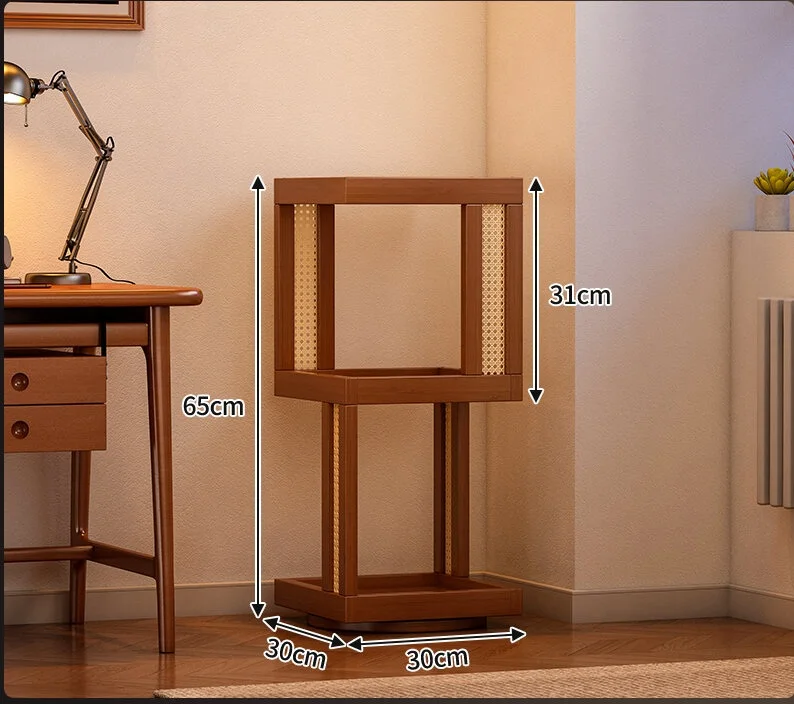
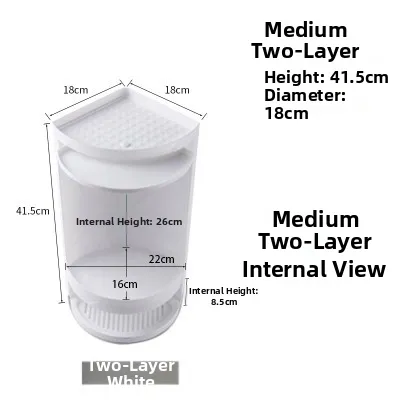
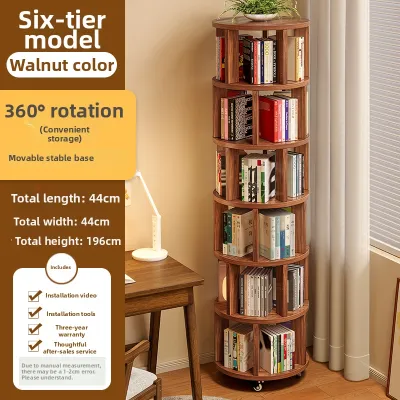
Prices are valid at publication and may change. Please refer to the product page for the latest price.
Next, measure the internal depth from the front frame to the back wall, and the total internal width from the corner joint to the adjacent cabinet wall. These dimensions determine the maximum radius of a rotating tray or the track length of a pull-out unit. Additionally, measure the diagonal clearance inside the cabinet carcass to ensure that a rotating circular tray has enough room to spin without scraping the internal walls.
In Singapore HDB flats, kitchen corners often house structural and utility obstructions that can interfere with cabinet hardware. Look out for vertical copper gas pipes, thick white PVC drainage pipes under the sink, and electrical trunking running along the back walls. These utilities cannot be moved easily and will restrict where you can mount center poles or sliding tracks.
Finally, evaluate the door swing direction and adjacent appliance interference. When the corner cabinet door is open, it must not block or collide with the handles of nearby appliances, such as ovens, dishwashers, or refrigerators. Some advanced pull-out mechanisms require the cabinet door to open to a full 110 degrees, which may not be possible if the cabinet is adjacent to a wall or a deep appliance.
Comparing Rotating Mechanisms for Compact Corners
Different rotating mechanisms offer varying levels of accessibility, space utilization, and weight capacity. Understanding these differences helps you select the right system for your specific kitchen layout and storage needs.

The classic full-circle Lazy Susan features 360-degree rotating trays mounted on a central pole. This system is highly accessible because you can spin the trays continuously to reach items at the back. However, full-circle trays are best suited for diagonal corner cabinets; in a standard 90-degree rectangular corner cabinet, a circular tray leaves significant empty space in the corners, reducing overall storage efficiency.
For rectangular blind corners, half-moon (180-degree) shelves are a highly effective alternative. These semi-circular trays pivot on a side-mounted axis, swinging completely out of the cabinet door opening when pulled. This action brings your items fully into the light, making them incredibly easy to reach. The trade-off is that half-moon shelves utilize only half of the potential circular area, meaning they hold fewer items than a full-circle system.
Pull-out swing mechanisms, often referred to as magic corners or cloud shelves, combine a sliding track with a rotating pivot. As you pull the cabinet door open, the front baskets slide out while the rear baskets automatically glide forward into the accessible area. This mechanism maximizes the use of deep blind corners, leaving almost no dead space. However, these systems feature complex mechanical tracks that require precise installation and a larger clear door opening.
When comparing these mechanisms, always check the manufacturer’s weight capacity limits. Standard plastic or lightweight wire Lazy Susans are designed for light pantry items, spices, and small containers, often supporting around 5kg to 10kg per shelf. Heavy-duty steel wire pull-out tracks, on the other hand, can support 15kg to 25kg per basket, making them suitable for heavy cast-iron cookware, rice cookers, and small kitchen appliances.
Shelf adjustability is another crucial factor for small kitchens. Look for systems that allow you to adjust the height of individual trays along the central pole or track. This flexibility ensures you can accommodate tall oil bottles, large stockpots, or stacked mixing bowls without wasting vertical space.
Adapting Modular Shelving and DIY Solutions for Tight Spaces
If a fully integrated, built-in rotating mechanism is too complex or expensive for your budget, modular shelving and DIY adaptations offer a flexible, cost-effective alternative. These solutions allow you to customize your storage without undergoing a major kitchen renovation, often costing between S$50 and S$150 for standalone hardware.
One simple DIY approach is using independent, non-fixed rotating turntables directly on your existing wooden shelves. These standalone organizers are widely available on online marketplaces and come in various diameters. By placing a 25cm or 30cm turntable on your corner shelf, you can easily access spices and condiments without having to reach into the dark depths of the cabinet.
When sourcing universal rotating trays, it is vital to verify baseplate compatibility and stability. Look for trays with non-slip silicone feet or a weighted base to prevent the unit from tipping over when loaded unevenly. For added security, you can use removable adhesive strips to secure the baseplate to the cabinet shelf, ensuring the turntable remains stable during rapid rotation.
If you want to install a more robust DIY rotating system, such as a retrofitted half-moon shelf, you must assess the condition of your existing cabinet shelves. Many modular kitchen cabinets use adjustable shelves supported by small metal or plastic pegs. To install a rotating mechanism that mounts to the shelf itself, you may need to secure the shelf permanently using L-brackets to prevent it from tilting under the weight of the rotating hardware.
Before making any permanent modifications, consider the structural warranty of your kitchen cabinets. Drilling deep holes into the side panels or removing structural mid-shelves can void the warranty provided by your kitchen contractor or modular furniture brand. If you are renting or wish to preserve your warranty, focus on non-invasive DIY solutions, such as tension-mounted organizer racks or freestanding rotating tiers that require no drilling.
Installation Checks and Safety Boundaries
Installing or retrofitting a rotating corner cabinet mechanism requires precision to ensure long-term safety and smooth operation. Skipping basic structural checks can lead to misaligned tracks, damaged cabinet panels, or mechanical failure.
First, verify that your kitchen floor and the base cabinet are perfectly level. In many Singapore homes, kitchen floors are slightly sloped toward a floor trap for drainage. If your base cabinet follows this slope, a rotating shelf may drift open on its own or put uneven lateral pressure on the ball bearings. Use a spirit level to check both the horizontal and vertical alignment of the cabinet carcass before mounting any hardware.
Next, assess the load-bearing capacity of the cabinet walls and base panel. Standard kitchen cabinets are typically constructed from melamine-faced chipboard (MFC) or plywood. Heavy pull-out tracks exert significant leverage on the side panels when fully extended with heavy pots. If the cabinet panels are thin or show signs of wear, you may need to reinforce them with backing plates or additional screws to distribute the weight safely.
Pay close attention to the hinges if your rotating mechanism attaches directly to the cabinet door. Standard cabinet hinges are not designed to support the weight of a fully loaded storage rack. If the hardware instructions require door mounting, ensure you upgrade to heavy-duty, wide-angle hinges that can handle the additional load without sagging over time.
There are several critical stop-conditions where you should halt a DIY installation and consult a professional carpenter. If you discover water damage, swelling, or soft spots in the cabinet wood—especially near the sink area—the structure is compromised and cannot safely support heavy rotating hardware. You should also seek professional help if you need to cut through structural support rails, or if you are dealing with premium quartz or granite countertops that could crack if the cabinet frame is subjected to excessive drilling or stress.
Building Your Shortlist: Pre-Purchase Verification
Before committing to a purchase or signing a custom carpentry contract, compile a systematic checklist to evaluate specific rotating cabinet products. This step ensures that your chosen hardware fits your space, resists local environmental conditions, and offers reliable performance.
Begin by verifying the exact product dimensions against your measured clearances. Pay close attention to the minimum cabinet opening width and depth requirements specified by the manufacturer. A common error is purchasing a “600mm corner organizer” assuming it fits a 600mm cabinet door, when the product name actually refers to the external width of the entire cabinet unit, requiring a much smaller internal clearance.
Material finishes are highly important in Singapore’s humid tropical climate. Kitchen cabinets, especially those near sinks or cooking hobs, are exposed to high humidity and steam. Opt for high-grade stainless steel (such as Grade 304), powder-coated steel, or heavy-duty ABS plastic. Avoid cheap chrome-plated carbon steel, which can quickly pit, peel, and rust when exposed to moisture and household cleaning agents.
Review the warranty terms for all moving parts, including soft-close dampers, ball bearings, and sliding tracks. High-quality mechanisms often come with multi-year warranties on their moving components, reflecting their durability. If possible, visit a showroom to test the mechanism in person; check for smooth, quiet operation and minimal wobble when the shelves are extended.
Frequently Asked Questions (FAQ)
How do I maintain and clean the rotating tracks?
To keep your rotating tracks sliding smoothly, perform regular visual inspections to remove dust, flour, and food crumbs. Use a vacuum cleaner with a brush attachment to clear debris from the tracks, then wipe them down with a damp microfiber cloth and a mild, non-abrasive detergent. Avoid using harsh chemical sprays or abrasive scouring pads, which can strip the protective coating or wash away the factory-applied lubricant. If the rotation becomes stiff over time, apply a small amount of silicone-based lubricant to the bearings, ensuring you follow the manufacturer’s specific maintenance guidelines.
What are the alternatives if a rotating mechanism cannot be installed?
If plumbing obstructions or extremely tight dimensions make a rotating mechanism impractical, several static alternatives can still optimize your corner space. Pull-out wire baskets that slide straight out on independent tracks offer excellent accessibility without requiring rotational clearance. Alternatively, you can use static, tiered modular shelving units designed specifically for blind corners. These step-like organizers allow you to see and reach items at the back of the cabinet without any moving parts, providing a highly reliable, low-maintenance, and budget-friendly storage solution.
Community discussion
Share your experience or ask a question. Comments are reviewed before publication.