
Replacing the legs on your furniture is one of the most effective ways to restore structural stability, alter seat height, or completely refresh the aesthetic of a room. However, finding the perfect replacement furniture legs requires more than just picking a style that matches your decor. To avoid purchasing parts that do not fit or cannot support your furniture, you must carefully evaluate three critical specifications: the physical height and dimensions, the mounting plate configuration, and the verified load capacity.
A mismatch in any of these areas can lead to wobbly seating, ruined furniture frames, or even safety hazards. By taking precise measurements and calculating your weight requirements beforehand, you can confidently select replacement parts that ensure your sofas, beds, or cabinets remain safe, functional, and beautiful for years to come.
Choosing the Right Furniture Legs for Height and Clearance
The height of your furniture legs directly dictates the ergonomics of your seating and the overall usability of your living space. When altering the leg height of a sofa, armchair, or dining chair, even a minor change of two to three centimeters can significantly impact comfort. For example, standard dining chairs typically feature a seat height of 45 centimeters to pair comfortably with a 75-centimeter-tall table. Raising or lowering either piece without adjusting the other can lead to poor posture, knee strain, or uncomfortable arm placement.
Products mentioned in this guide
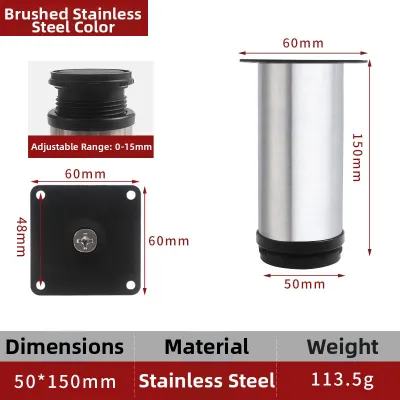
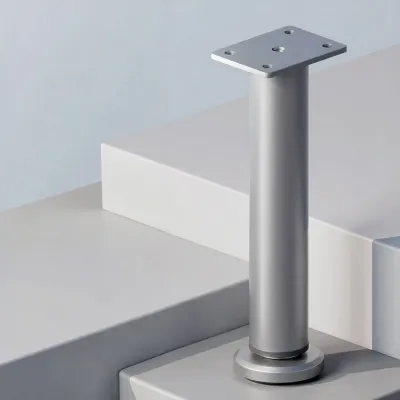
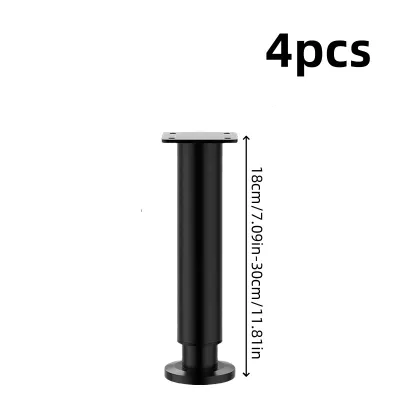
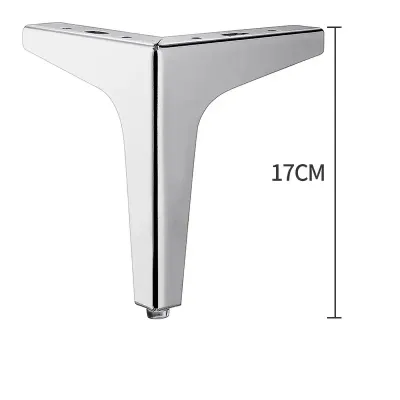
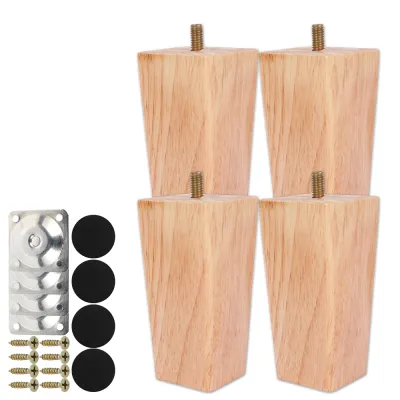
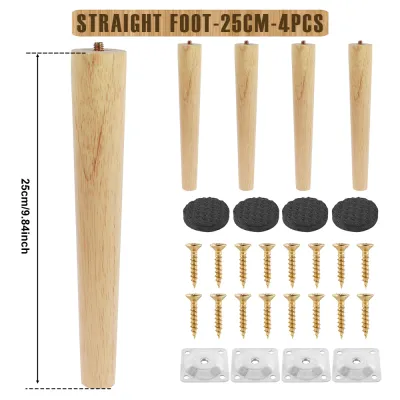
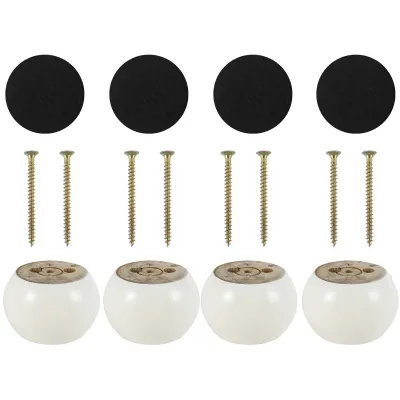
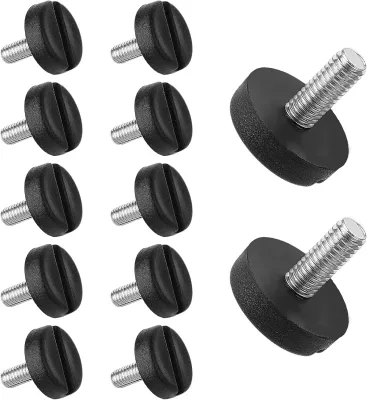
Prices are valid at publication and may change. Please refer to the product page for the latest price.
Beyond ergonomics, floor clearance is a major functional consideration, especially in modern Singapore homes where maximizing space and maintaining cleanliness are top priorities. Many homeowners choose to install taller replacement legs to allow robot vacuums to glide easily beneath low-slung sofas, beds, or sideboards. Most standard robotic vacuums require a vertical clearance of at least 8 to 10 centimeters to operate without getting stuck. Elevating your furniture slightly can prevent dust accumulation in hard-to-reach areas and streamline your automated cleaning routine.
To determine your baseline requirements, measure your existing legs from the absolute bottom of the furniture frame down to the floor. Ensure the furniture is resting on a level surface, and use a stiff metal tape measure rather than a flexible fabric one to avoid measurement errors. Do not include any threaded bolts or recessed mounting plates in this height measurement; focus solely on the visible portion of the leg that bridges the gap between the frame and the floor.
While measuring, pay close attention to the leg’s diameter and overall thickness. While thicker legs provide a more substantial and grounded visual aesthetic, do not assume that a bulkier leg automatically translates to a higher weight limit. Visual thickness can be misleading, as hollow metal legs or poorly constructed wooden options may fail under pressure. Always prioritize verified manufacturer specifications over visual assumptions.
Finally, if you plan to increase the height of a large piece of furniture significantly, consider the overall proportions of the room and your home’s physical constraints. A tall display cabinet or wardrobe fitted with much longer legs may become difficult to maneuver through tight corridors, narrow doorways, or standard HDB lift entrances. Always verify that the newly elevated piece will still clear your ceilings and navigate your home’s entry points if you ever need to move it.
Matching the Mounting Plate to Ensure a Secure Physical Fit
The mounting plate is the hardware component that physically secures the leg to the underside of your furniture. Replacement legs cannot function without a compatible attachment mechanism. These plates generally come in square, round, or rectangular shapes, and you must measure the outer dimensions of your existing plate to ensure the new one fits within the boundaries of the furniture’s wooden frame. An overlapping plate looks unprofessional and can weaken the attachment over time.

For plates that secure directly to the wood with screws, you must measure the screw hole pattern. This is the exact center-to-center distance between the mounting holes. Additionally, identify the type of screws your furniture uses. Standard wood screws bite directly into the wooden frame, whereas metric machine screws—most commonly M8 (8mm) or M10 (10mm) threads—screw into pre-installed metal inserts.
It is vital to distinguish between direct screw mounting and hanger bolt systems. Many modern furniture brands utilize hanger bolts, which are threaded metal studs protruding from the top of the leg that screw directly into a threaded insert (T-nut) embedded in the furniture frame. In Singapore, many imported furniture pieces use metric M8 hanger bolts, but some may use imperial 5/16-inch bolts. While these two sizes look nearly identical to the naked eye, their thread pitches are different. Forcing an M8 bolt into a 5/16-inch insert will strip the threads and permanently damage the receiving hardware.
If you find a style of leg you love but the mounting plate or bolt size does not match your furniture, you can install universal adapter plates or new threaded inserts. However, you must assess the material of your furniture frame before drilling new holes. Many budget-friendly or flat-pack furniture pieces are made of engineered wood like particleboard or medium-density fibreboard (MDF). Drilling new holes into these brittle materials can crumble the internal fibers, leading to plate tear-out and structural failure. If your furniture frame is made of engineered wood, it is highly recommended to stick to the original mounting pattern or consult a professional furniture repair specialist.
Calculating Load Capacity for Safe Weight Support
To prevent catastrophic structural failure, you must calculate the required load capacity for your replacement legs before making a purchase. Never rely solely on material descriptions like “solid wood” or “heavy-duty steel” to judge strength. Instead, use a simple mathematical formula to determine the minimum weight rating each individual leg must support:
Required Capacity per Leg = (Weight of Empty Furniture + Maximum Expected Load) / Number of Legs
To ensure a safe buffer, always add a 20% to 30% safety margin to your final calculation. This safety margin accounts for the dynamic forces applied when someone sits down heavily or shifts their weight suddenly.
To estimate the total weight accurately, consider all potential loads. For a three-seater sofa, combine the weight of the empty sofa frame (typically 40 to 60 kg) with the weight of three adult occupants (averaging 80 kg each, totaling 240 kg). This brings the total estimated weight to 300 kg. Dividing this by four legs yields a base requirement of 75 kg per leg. Adding a 30% safety margin means you should look for replacement legs rated for at least 98 kg each. For heavy, static items like loaded bookshelves or solid wood sideboards, the weight of the contents can easily exceed the weight of the furniture itself, requiring exceptionally high-capacity legs.
Failing to calculate load capacity accurately carries serious physical risks. Overloaded legs can buckle, and mounting plates can tear out of the frame entirely, causing the furniture to collapse. This is particularly dangerous for top-heavy items like tall dressers, wardrobes, or display cabinets, where a single leg failure can cause the entire unit to tip forward, posing a severe safety hazard to anyone nearby.
A Practical Measurement Checklist Before You Buy
To streamline your shopping process and avoid the hassle of returning ill-fitting parts, use this step-by-step checklist before finalizing your purchase:
- Calculate the Weight Load: Estimate the combined weight of your furniture and its maximum contents, apply the load capacity formula, and add a 25% safety margin to determine the minimum rating required per leg.
- Determine the Ideal Height: Measure your current leg height from the floor to the bottom of the frame, and decide if you want to adjust this height for improved ergonomics or robot vacuum clearance.
- Inspect the Attachment Hardware: Remove one of the existing legs to inspect the mounting plate shape, measure the outer dimensions, check the screw hole spacing, and identify the exact bolt thread size (such as M8, M10, or 5/16-inch).
- Verify Manufacturer Specifications: Cross-reference your physical measurements and weight calculations with the replacement leg manufacturer's official product specifications sheet.
- Preserve the Original Hardware: Keep all original screws, bolts, and at least one original leg intact until the new legs are successfully installed and physically tested. If the new parts do not fit, you will need the original hardware to keep your furniture functional while you arrange an exchange.
Community discussion
Share your experience or ask a question. Comments are reviewed before publication.