
Protecting your furniture from daily wear requires matching the rigidity, thickness, and heat tolerance of a plastic sheet to the specific demands of the surface. While a thin, flexible cover might safeguard a shelf from light dust, a heavy-duty dining table or a busy writing desk demands a completely different material profile to prevent scratches, dents, and liquid damage. Choosing the right protector involves evaluating how you use each piece of furniture, the environmental conditions of your home, and the specific vulnerabilities of the underlying material.
For dining tables, the primary threats are liquid spills, food stains, and heat exposure from warm plates or serving dishes. A suitable protector must offer excellent spill resistance and be easy to wipe clean after meals, especially in humid climates where moisture can quickly degrade unprotected wood. Desks and workspaces, on the other hand, require a surface that resists scratches from laptop bases, pens, and office equipment while remaining smooth enough for writing. For shelves and cabinets, the focus shifts to load-bearing stability, preventing items from slipping, and protecting delicate edges from chipping during daily use. By identifying these specific risks first, you can select a plastic sheet that preserves both the utility and the appearance of your furniture.
Comparing Common Plastic Sheet Materials
Selecting the right plastic sheet begins with choosing between flexible rolls and rigid panels. Because material names alone do not guarantee specific performance levels, you must always verify the manufacturer’s specifications for heat resistance, scratch durability, and surface compatibility before making a purchase.
Products mentioned in this guide
![[SG local] Plastic Sheet / Plastic cover for Dust Prevention HIP renovation drop sheet for painting/ plastic cloth for renovation / drop sheet / plastic sheet for painting / dust cover / plastic sheet roll for dust prevention](https://img.lazcdn.com/g/p/d04ea0a31232fb487a2017f8d1ea476f.jpg_400x400q80.jpg_.webp)
![[2-3 Days Delivery] 4.5m x 20m Plastic Dust Cover Protective Plastic Sheet Disposable Furniture Dustproof Cover Protective Cover Plastic Cover Plastic Film for Home Improvement CNY Gift Present](https://img.lazcdn.com/g/p/37fceab8fc43d4b3b58593d55aae9bcb.jpg_400x400q80.jpg_.webp)
![[SG SELLER]Plastic Dust Cover Dust Prevention Renovation Drop Sheet Protective Plastic Film Furniture Dustproof Cover Paintproof Waterproof Cover Sheet Rolls](https://img.lazcdn.com/g/p/d2c82f6cde5eed649a28d487364fc7d2.png_400x400q80.png_.webp)
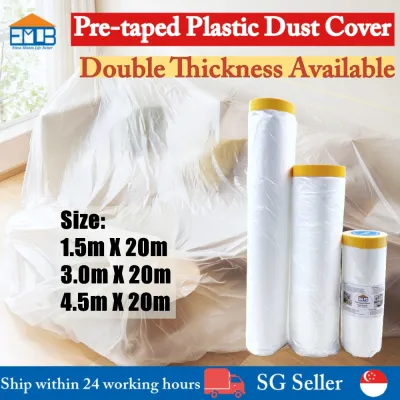

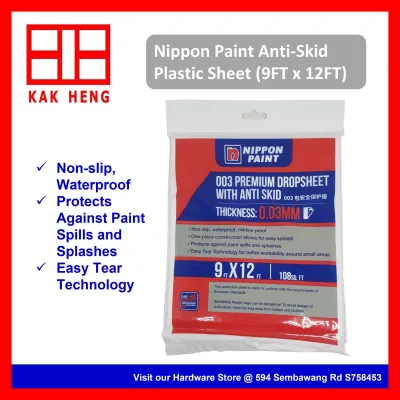
Prices are valid at publication and may change. Please refer to the product page for the latest price.
Flexible Vinyl and PVC Options
Flexible vinyl and polyvinyl chloride (PVC) sheets are highly popular for their versatility and ease of use. These materials are best suited for roll-out applications, covering large or irregularly shaped dining tables, and providing a continuous barrier against liquid spills. Because they are pliable, they drape easily over table edges or can be trimmed precisely to sit flush with the surface.
However, flexible PVC has notable limitations that require careful verification. It is highly susceptible to heat deformation; placing hot mugs or serving bowls directly onto the plastic can cause permanent warping, bubbling, or clouding. Additionally, certain flexible plastics can chemically interact with or stick to specific wood finishes, particularly varnishes, lacquers, or oils, potentially lifting the finish when removed. To avoid these issues, check product labels for explicit heat resistance thresholds and look for options specifically designated as “non-stick” or featuring a slightly textured, vented backing.
Rigid PET, Acrylic, and Polycarbonate Options
For heavy-duty protection, rigid plastic sheets like polyethylene terephthalate (PET), acrylic, and polycarbonate offer a sturdy, glass-like alternative. These materials are ideal for desk writing surfaces, high-traffic countertops, and shelf liners where structural rigidity is necessary to distribute weight and prevent localized impact damage. They provide excellent scratch resistance and will not bow or warp under the weight of heavy office equipment or decorative items.
Despite their durability, rigid sheets present distinct installation challenges. They cannot be easily folded or draped, making them difficult to cut to custom sizes at home without specialized tools. If left unsecured, rigid panels can slide across smooth furniture surfaces, and their cut edges can be sharp if not properly finished. Before purchasing, review the manufacturer’s guidelines to determine the required cutting tools—such as scoring knives or fine-tooth saws—and verify the material’s maximum temperature tolerance to ensure it suits your environment.
Determining the Right Thickness and Finish
The thickness and finish of a plastic sheet directly influence its protective capabilities, aesthetic appeal, and daily usability. Finding the right balance ensures your furniture remains safe without compromising the look of your living space.

Thickness is typically measured in millimeters, and the ideal gauge depends on the level of impact your furniture receives. Thicker sheets (such as 1.5mm to 3mm) provide superior impact absorption and better heat insulation, making them excellent for busy dining tables and heavy-use desks. However, thicker plastics are significantly harder to cut at home and create a more prominent, raised edge on the furniture. Thinner sheets (under 1mm) are highly flexible and easy to trim, making them perfect for low-impact surfaces like bookshelves or display cabinets, though they offer minimal protection against heavy impacts or high heat.
The surface finish also plays a critical role in both function and style. Clear, high-gloss finishes are ideal for showcasing beautiful wood grains or natural stone patterns, but they are prone to showing fingerprints, dust, and minor scratches. Furthermore, clear sheets can trap air pockets against glossy or glass surfaces, creating unsightly bubbles. Frosted, matte, or textured finishes are excellent alternatives; they reduce glare from overhead lighting, hide minor surface wear, and prevent the plastic from sticking to smooth glass or polished wood surfaces.
Finally, consider the edge profile of the sheet. Straight-cut edges are standard and work well when the sheet is cut flush with the furniture edge, but they can feel sharp to the touch. Beveled edges, which are gently sloped, offer a smoother transition for your arms, reduce the risk of snagging clothing, and blend more seamlessly with the furniture’s natural profile.
Measuring, Cutting, and Installing Plastic Protectors
Achieving a clean, professional fit requires precise preparation and the correct tools. A poorly fitted plastic sheet not only looks untidy but can also allow dust and moisture to collect underneath, risking damage to the furniture.
Begin by taking exact measurements of the furniture surface. Decide whether you want a flush fit, where the plastic ends exactly at the edge, or an overhang, which is common for flexible covers on dining tables. For irregular shapes, such as oval tables or rounded desk corners, create a paper template by tracing the outline of the furniture onto large craft paper. This template can then be transferred directly to the plastic sheet for precise cutting.
When cutting the material, use tools appropriate for the plastic’s rigidity. For flexible vinyl or PVC, a sharp utility knife guided by a heavy metal straight edge is usually sufficient. Work on a self-healing cutting mat and make multiple light passes rather than trying to cut through the material in a single stroke. For rigid plastics like acrylic or polycarbonate, use a specialized plastic scoring tool or a fine-tooth saw. Clamp the sheet securely to a stable work surface to prevent vibration, which can cause the plastic to crack or chip along the cut line. Always wear eye protection when cutting rigid materials.
Before installation, thoroughly clean and dry the furniture surface to remove any dust, oils, or moisture. If you are using a flexible PVC roll, allow the material to unroll and lay flat in a warm room for a day or two to let any packing curls flatten naturally. For rigid sheets, apply small, non-slip silicone pads or clear double-sided adhesive dots near the corners to keep the protector from sliding during use.
Maintenance and Cleaning Guidelines
Proper maintenance extends the lifespan of your plastic protector and ensures the underlying furniture remains in pristine condition. Regular, gentle care prevents the buildup of grime and avoids surface clouding.
For routine cleaning, use a soft microfiber cloth dampened with warm water and a few drops of mild dishwashing liquid. Avoid abrasive scrubbers, steel wool, or stiff-bristled brushes, as these will create micro-scratches that dull the plastic’s clarity over time. Wipe the surface gently and dry it immediately with a clean, dry microfiber cloth to prevent water spots.
Never use harsh chemical solvents, bleach, aerosol polishes, or ammonia-based glass cleaners on plastic sheets. These chemicals can react with the plastic, causing it to yellow, warp, crack, or become permanently sticky.
Moisture management is crucial, especially in humid environments. Periodically lift the plastic protector completely off the furniture to allow both the plastic and the underlying surface to breathe. This prevents trapped condensation from clouding wood finishes or encouraging mold growth, ensuring your protective layer does not inadvertently cause damage.
Frequently Asked Questions (FAQ)
Will a plastic sheet damage the finish on my wooden dining table?
Yes, a plastic sheet can damage a wooden finish if moisture becomes trapped underneath or if the plastic chemically reacts with the wood’s protective coating. Uncured finishes, natural waxes, and delicate lacquers are particularly vulnerable to clouding or softening when sealed under a non-breathable plastic layer. Before applying any continuous plastic cover, check your furniture manufacturer’s care instructions. To protect sensitive wood, consider placing a breathable fabric liner, such as a felt pad or tablecloth, beneath the plastic, or select a vented plastic sheet designed to allow air circulation.
How do I stop a clear plastic table cover from sticking to my glass table?
Clear plastic sticks to smooth glass because air is pushed out from between the two surfaces, creating a vacuum and static cling that results in unsightly, uneven wet-look patches. The most effective way to prevent this is to choose a plastic sheet with a frosted, matte, or textured underside, which prevents a complete vacuum seal. If you prefer a fully transparent look, you can place a thin, non-slip mesh liner or small, clear silicone bumper pads at the corners and center to maintain a microscopic air gap between the glass and the plastic.
Community discussion
Share your experience or ask a question. Comments are reviewed before publication.