
Finding the right plastic cover for dust protection requires matching the material and design of the cover to the specific part of your bed. While a dust cover keeps airborne particles, pet dander, and allergens off your sleeping area, choosing the wrong type can trap moisture, damage delicate finishes, or make daily bed access difficult. A successful setup requires evaluating the physical shape of your headboard, the stability of your bed legs, and the ventilation needs of your under-bed storage. In tropical climates like Singapore, where high humidity levels can accelerate mold growth, selecting the correct material is even more critical to ensure your protective measures do not create a secondary moisture problem.
Assessing Dust Protection Needs for Your Bed Frame
Dust settles differently across various parts of a bed frame. The top of a headboard acts as a flat shelf for falling particles, while the areas around the bed joints and floor contact points accumulate heavy dust bunnies driven by indoor air currents and ceiling fans. Before purchasing any plastic cover, inspect these zones to identify where dust builds up most rapidly in your bedroom. This assessment helps you decide whether you need a full-coverage solution or targeted protectors for specific components.
The material of your bed frame dictates what kind of plastic is safe to use. Solid wood, wood veneers, genuine leather, and synthetic fabrics react differently when wrapped in plastic. For instance, some plastics contain volatile plasticizers that can migrate into wood varnishes, causing them to soften, or react with leather, leading to peeling and discoloration over time. You must verify that the plastic cover is chemically stable and designed for long-term contact with furniture finishes.
Products mentioned in this guide
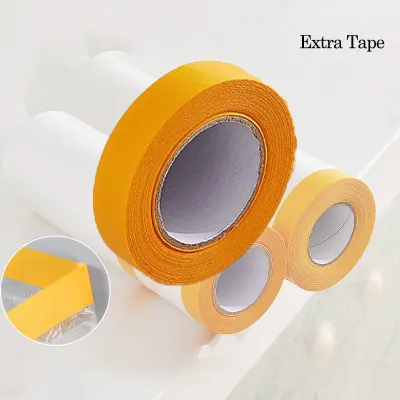
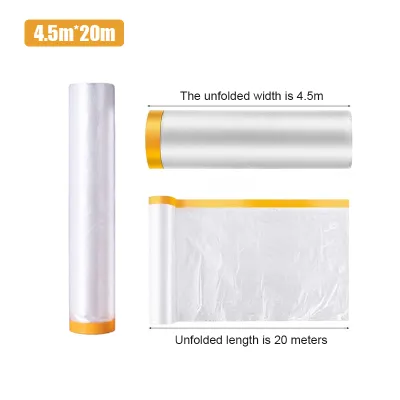
![[SG SELLER]Plastic Dust Cover Dust Prevention Renovation Drop Sheet Protective Plastic Film Furniture Dustproof Cover Paintproof Waterproof Cover Sheet Rolls](https://img.lazcdn.com/g/p/d2c82f6cde5eed649a28d487364fc7d2.png_400x400q80.png_.webp)
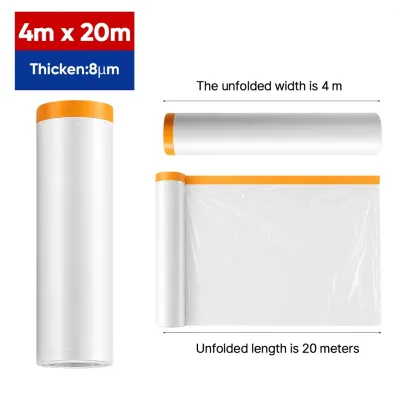
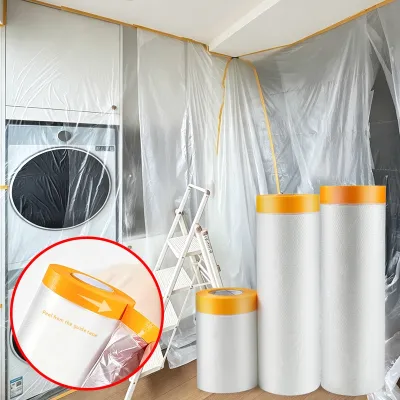
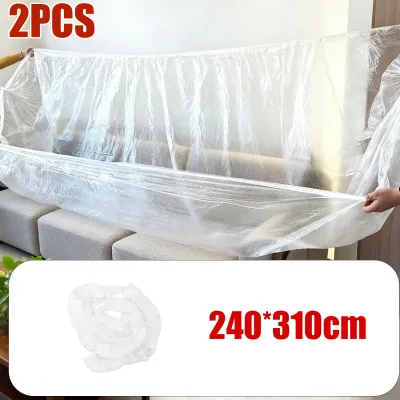
Prices are valid at publication and may change. Please refer to the product page for the latest price.
Physical constraints also play a major role in your choice. Consider how much clearance exists between your bed frame and the surrounding walls, bedside tables, or baseboards. If you frequently move the bed for cleaning, or if you use a robot vacuum, the cover must not obstruct these movements or get caught in moving parts. Ensure that any protective barrier does not pinch in the joints or interfere with the structural stability of the frame.
Selecting Plastic Covers for Headboards
Headboards come in a wide variety of shapes, from simple rectangular wooden panels to ornate, tufted upholstered designs. To protect these surfaces effectively, you must evaluate the thickness and flexibility of the plastic cover. A stiff, heavy-duty plastic might provide excellent barrier protection, but it will drape poorly over curved or tufted headboards, leaving large gaps where dust can enter. Lightweight, flexible plastics like PEVA (polyethylene vinyl acetate) conform more easily to complex contours, ensuring a snug fit that seals out dust while maintaining a neat appearance.

The inner surface of the cover is just as important as the outer barrier. When plastic rubs against wood, leather, or delicate fabrics, it can cause friction damage. Look for plastic covers that feature a soft, non-abrasive inner lining, such as a brushed microfiber or non-woven fabric backing. This lining acts as a buffer, preventing the plastic from scratching polished wood finishes or snagging the threads of woven upholstery fabrics during installation, removal, or daily bed use.
Attachment methods must be secure but entirely non-damaging. Avoid any covers that rely on adhesive strips, as these can leave sticky residues or strip away paint, varnish, and leather coatings. Instead, opt for covers with integrated elastic hems, adjustable drawstrings, or fabric ties. These mechanical fastening methods keep the cover firmly in place without putting stress on the headboard’s structure or risking chemical damage to its surface. Additionally, ensure the fastening mechanism is easy to operate so you can remove the cover for cleaning without straining the bed frame.
Choosing Protectors for Bed Legs and Casters
Bed legs and casters are highly susceptible to dust accumulation because they sit directly in the path of floor-level air currents. Protecting them requires precise measurements of their diameter, shape, and height. Whether your bed has round wooden legs, square metal posts, or rolling casters, the plastic protector must fit snugly around the entire perimeter. If your bed features height-adjustable legs, ensure the cover does not block the adjustment mechanisms or slip off when the bed height is altered.
Floor compatibility is a critical safety consideration when selecting leg protectors. The base of the plastic cover must be non-marking and slip-resistant to prevent the bed from sliding on smooth flooring surfaces like polished tiles, vinyl, or parquet. Hard, slick plastics can turn bed legs into slip hazards, while low-quality rubberized plastics might leave permanent dark scuffs on your floors. Look for protectors with reinforced, textured bases designed specifically to grip the floor safely without leaving marks.
Never allow a leg protector to compromise the structural integrity of your bed. The cover must distribute the weight of the bed and its occupants evenly across the floor. If a plastic cup or boot is too small or made of brittle material, it can crack under the load, causing the bed to become unlevel or unstable. Verify that the plastic used is high-density and rated to withstand heavy, continuous vertical pressure without deforming.
Managing Dust for Under-Bed Storage Areas
The space beneath a bed is a prime target for dust, but it is also valuable storage real estate. When choosing a plastic cover for this zone, you must balance dust protection with accessibility. Fully zippered plastic storage enclosures offer the highest level of sealing, making them ideal for long-term storage of seasonal bedding or clothing. However, if you need to retrieve items weekly, a hook-and-loop attached dust skirt might be more practical, as it allows you to reach under the bed without unzipping a massive plastic bag.
Clearance height is a vital measurement to take before buying. A plastic cover or dust skirt that is too long will drag on the floor, gathering dirt and potentially getting caught under storage bins or vacuum cleaners. Conversely, a cover that is too short will leave a gap that allows dust to drift underneath. Measure the exact distance from the bottom of the bed frame to the floor, and select a cover that hovers just millimeters above the ground.
In humid environments, such as Singapore, trapping moisture is a major risk when using solid plastic enclosures. Without proper airflow, trapped humidity can lead to mold and mildew growth on stored fabrics and wooden bed parts. To prevent this, look for plastic under-bed covers that incorporate breathable fabric panels or small, mesh-covered ventilation windows. These features allow air to circulate while still blocking the entry of larger dust particles and pests.
Key Features to Verify Before Purchasing
Before finalizing your purchase, carefully review the material composition and safety labels of the plastic cover. Avoid low-grade PVC plastics that emit strong, chemical off-gassing odors, which can disrupt your sleep and lower indoor air quality. Instead, prioritize odorless, non-toxic materials such as PEVA or high-density polyethylene (HDPE). These materials are safer for indoor bedroom environments and are less likely to degrade over time.
Maintenance is another factor to consider. Check the manufacturer’s care instructions to see how the cover should be cleaned. Some plastic covers can be wiped down easily with a damp cloth and mild soap, while others might require hand washing or periodic replacement. Avoid covers that require complex cleaning procedures that do not fit into your regular household routine.
Finally, verify the exact dimension tolerances provided by the manufacturer. Because bed frames vary widely in size, even standard terms like “Queen” or “King” can have slightly different physical dimensions depending on the brand. Measure your bed frame manually and compare those numbers to the product specifications. It is also wise to confirm the return policy of the online marketplace or retailer, ensuring you can exchange the cover if the fit is not perfectly snug.
Frequently Asked Questions (FAQ)
Can I use a standard plastic sheet to cover my bed frame?
Using a generic plastic sheet from a hardware store is generally not recommended for protecting a bed frame. These sheets lack tailored edges, elastic hems, or secure fastening points, meaning they will easily slide off, wrinkle, and leave large gaps where dust can enter. Furthermore, industrial-grade plastic sheets often contain strong chemical additives and lack the breathable elements or soft inner linings necessary to protect delicate wood, leather, or fabric finishes from abrasion and moisture buildup.
How often should I clean the plastic dust covers?
You should inspect your plastic dust covers during your regular weekly or bi-weekly bedroom cleaning routine. If you notice a visible layer of dust settling on the surface, wipe it down with a damp microfiber cloth to prevent the particles from becoming airborne when you move the bed. Always refer to the manufacturer’s care label for specific instructions, as some materials may degrade if exposed to harsh cleaning agents or excessive moisture.

Community discussion
Share your experience or ask a question. Comments are reviewed before publication.