
Finding the right display cabinet shelf for a compact Singapore home requires balancing vertical efficiency, structural adaptability, and visual lightness. The most effective modular systems are those with tall, narrow footprints or wall-mounted configurations that maximize vertical space without encroaching on limited floor areas. By selecting units with adjustable shelving, open backs, or slim frames, you can showcase your collections while keeping your HDB flat or condominium feeling open and uncluttered. Making an informed choice involves evaluating your apartment’s physical constraints, understanding structural load limits, and planning a layout that preserves comfortable walkways.
Measuring Your Space and Defining Capacity Needs
Before purchasing any modular display cabinet shelf, you must establish the exact physical boundaries of your room. Start by measuring the available floor footprint and the total vertical clearance. In Singapore apartments, it is crucial to account for fixed overhead elements such as ceiling fans, light fixtures, and false ceilings, which can restrict the maximum height of a tall modular unit. Be sure to leave a safe clearance gap between the top of the cabinet and any moving ceiling fan blades.
Next, evaluate the logistical path from the delivery point to the final assembly spot. Measure the width of your apartment’s door frames, hallway corridors, and the internal dimensions of the estate’s passenger elevator. Large modular frames or pre-assembled components must fit through these tight spaces without causing damage to your walls or the furniture itself. If your building has restrictive lift dimensions, opting for flat-packed modular systems that you assemble inside the room is often the most practical solution.
Products mentioned in this guide
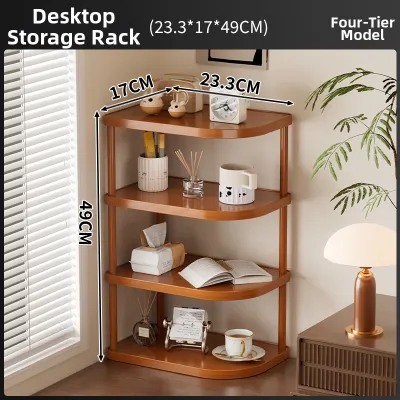
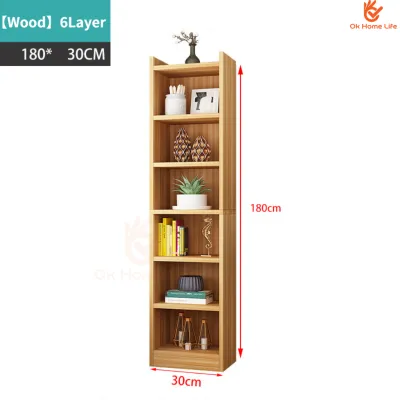
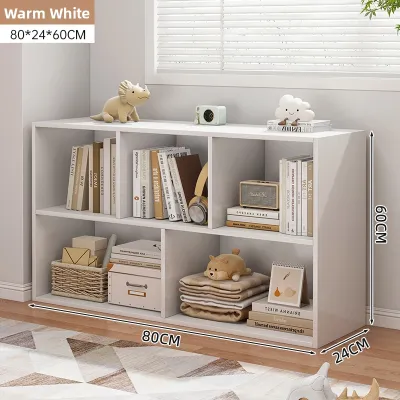
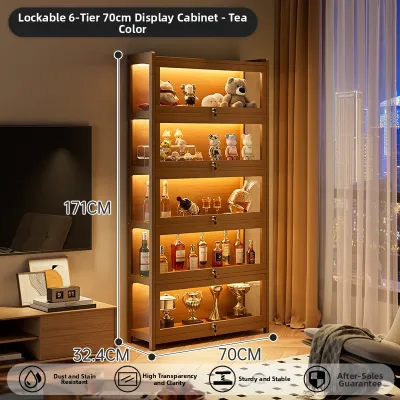
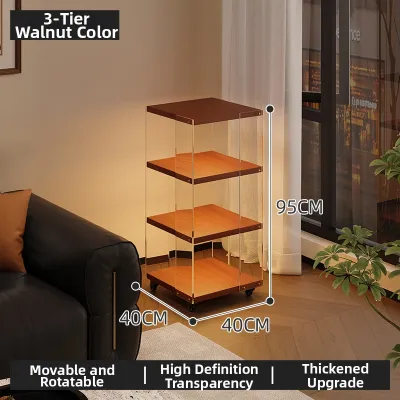
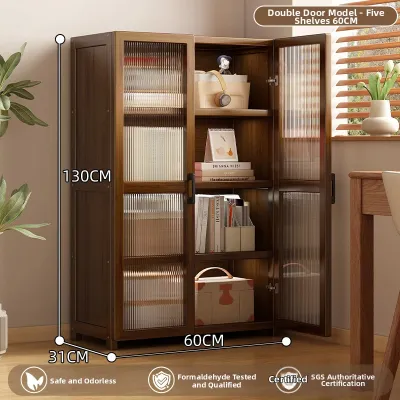
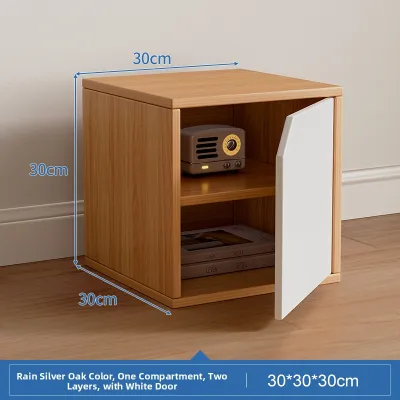
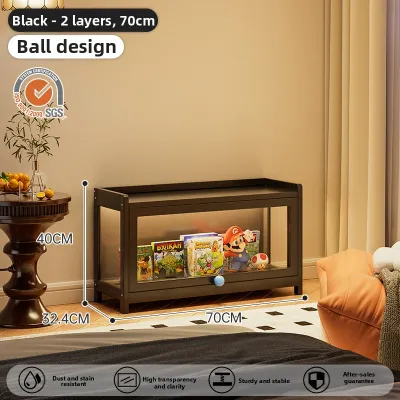
Prices are valid at publication and may change. Please refer to the product page for the latest price.
Finally, categorize the items you plan to display to determine your capacity needs. Group your belongings by weight and size, separating lightweight decorative items from heavier objects like books, heavy ceramic vases, or home electronics. This classification helps you identify the structural requirements of the shelving system before you commit to a specific design. Knowing your capacity needs prevents you from buying an overly delicate shelf for heavy items, or a bulky, heavy-duty unit for light ornaments.
Selecting Space-Efficient Modular Configurations
To make the most of limited square footage, prioritize modular configurations with tall, narrow footprints. These designs utilize vertical wall space, allowing you to expand your storage upward rather than spreading horizontally across valuable floor area. This approach is particularly effective in narrow living rooms, study corners, or entryway corridors where floor space is at a premium.

If floor space is exceptionally restricted, evaluate wall-mounted or floating modular shelving options. Before choosing this route, inspect your walls to ensure they can support the weight of the installation. Concrete walls common in HDB flats offer excellent support, whereas drywall partitions in some condominiums require specialized anchors or must be mounted directly to internal studs. Never mount heavy modular units to hollow walls without verifying the wall’s load-bearing capacity.
Opt for modular systems that feature adjustable shelf heights and removable dividers. This adaptability ensures that your display cabinet shelf can evolve alongside your collection, allowing you to reconfigure the interior layout as your storage needs change over time. Whether you are displaying tall art pieces or small collectibles, adjustable shelves prevent wasted vertical space within the cabinet.
To prevent a small room from feeling cramped, look for designs with open backs, slim metal or wooden frames, and transparent glass panels. These elements reduce the visual weight of the furniture, allowing light to pass through and maintaining an airy, spacious feel throughout your living area. A solid, dark, closed-in cabinet can quickly dominate a small room, whereas a minimalist modular frame keeps the space feeling open.
Checking Structural Stability and Load Limits
Ensuring the safety and stability of your modular display cabinet shelf is essential to prevent accidents and protect your belongings. Always verify the manufacturer’s specified weight limits for both individual shelves and the entire unit before placing any items. Exceeding these limits can cause shelves to sag, warp, or lead to structural failure over time. Keep in mind that load limits apply to evenly distributed weight rather than concentrated loads in a single spot.
For tall modular units, check for the inclusion of mandatory anti-tip anchoring hardware and follow the manufacturer’s installation instructions closely. Securing the unit to the wall is a critical safety measure, particularly in households with young children or active pets who might attempt to climb or pull on the shelves. Unanchored tall furniture poses a significant tipping hazard, especially when loaded with items.
Examine the connection mechanisms that link individual modular blocks or stacked sections. High-quality systems should lock together securely, preventing any shifting or wobbling when the unit is fully loaded. Avoid stacking modules that do not have dedicated, manufacturer-approved locking hardware, as simple gravity-based stacking can be easily disrupted by accidental bumps.
Additionally, review the material care labels and surface treatment specifications to understand how the shelves will perform in Singapore’s humid climate. Check if the finishes are rated for moisture resistance, and follow the recommended cleaning guidelines to prevent warping, swelling, or surface degradation over time. Untreated materials may absorb atmospheric moisture, leading to structural weakening over several seasons.
Planning the Layout and Avoiding Common Mistakes
When planning the final layout of your modular display cabinet shelf, ensure you maintain adequate walkway clearance around the unit. Measure the swing radius of cabinet doors and the extension length of drawers to guarantee they can open fully without blocking essential pathways or colliding with other furniture. In tight HDB layouts, sliding glass doors are often a better choice than hinged doors as they do not require extra clearance space.
Take note of architectural details along your walls, such as skirting boards, electrical outlets, and air conditioning trunking. These features can prevent a flat-backed cabinet from sitting flush against the wall, which may affect stability or require you to select a unit with a recessed back or adjustable leveling feet. Blocking access to power outlets can also create long-term inconveniences for your home electronics.
To maintain a safe center of gravity, always place your heaviest items on the lowest shelves of the unit. Placing heavy objects on top shelves of unanchored modular systems increases the risk of tipping and puts unnecessary stress on the upper joints. Keep the upper shelves reserved for lightweight decor, framed photos, or small collectibles.
If your installation requires drilling into load-bearing concrete walls or making structural modifications to the furniture, stop assembly immediately. Consult the manufacturer’s guidelines or hire a qualified local professional to ensure the installation is completed safely without damaging your home’s infrastructure. Attempting to modify a modular system outside of its intended design parameters can void warranties and compromise safety.
Frequently Asked Questions (FAQ)
Can I mix different modular shelf brands in one setup?
Connection mechanisms, load distributions, and material tolerances vary significantly between different manufacturers. For safety and structural integrity, avoid mixing different brands within a single, structurally interdependent stacked setup unless the manufacturers explicitly verify compatibility. If you want to combine different brand aesthetics, keep them as separate, freestanding units placed side by side rather than stacking them vertically.
How do I protect my floors when rearranging modular cabinets?
Always check the manufacturer’s guidelines for the safest way to lift or move your specific modular system. To prevent scratches on your flooring, apply heavy-duty felt pads or use furniture sliders designed for your specific floor type, such as vinyl, laminate, or polished tile. Always empty the shelves completely before moving the unit to reduce overall weight and prevent items from shifting, falling, or causing the frame to twist.
Community discussion
Share your experience or ask a question. Comments are reviewed before publication.