
Singapore’s tropical climate, characterized by high relative humidity and warm temperatures year-round, presents a challenging environment for home hardware. Cabinet handles in kitchens and bathrooms are constantly exposed to moisture, airborne oils, and steam, which can rapidly accelerate tarnishing, pitting, and corrosion. To ensure your cabinet hardware remains functional and visually appealing for years without frequent replacements, you must look beyond aesthetics and evaluate the underlying material composition, surface treatments, and manufacturing quality.
Selecting the right hardware requires understanding how different materials interact with moisture. While a handle might look sleek in a showroom, its true durability is tested in daily tropical conditions. By focusing on robust materials and verifying the quality of protective coatings, you can make an informed decision that protects your cabinetry investment.
Understanding How Humidity Affects Cabinet Hardware
High relative humidity provides the moisture necessary to facilitate electrochemical reactions on metal surfaces. When unprotected metal comes into contact with oxygen and water vapor, oxidation occurs. In coastal or highly humid environments like Singapore, this process is often accelerated, leading to unsightly rust, green tarnish, or structural weakening of the hardware.
Products mentioned in this guide
![[SG STOCK] VINOGA Brass Cabinet Handle and Knobs Furniture Pulls Wardrobe Kitchen Cabinet Handles and Knobs Cabinet Cupboard Hardware|Furniture Knobs and Handle](https://img.lazcdn.com/g/p/c414b0fabdd64d51ded3f77e7cfcd031.jpg_400x400q80.jpg_.webp)
![[SG STOCK] VINOGA Cabinet Handle Furniture Handle V108B Wardrobe Kitchen Cabinet Brass Handle Solid Drawer Pulls Kitchen Cupboard Hardware|Furniture Knobs and T Bar Handle](https://img.lazcdn.com/g/p/06c820239d21727c07e27fef8b505d96.jpg_400x400q80.jpg_.webp)
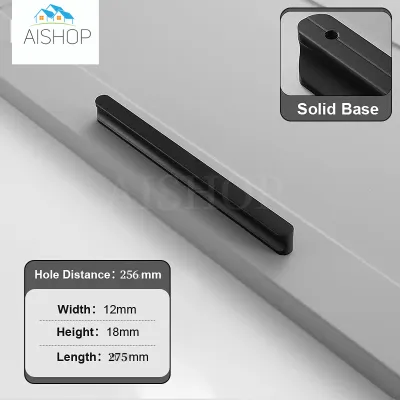
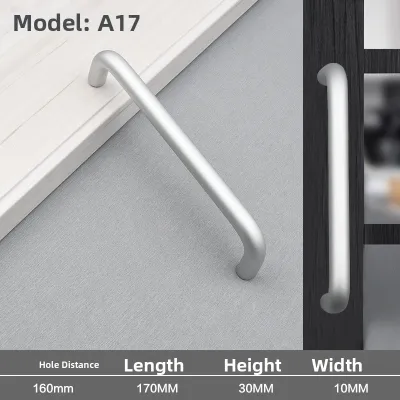
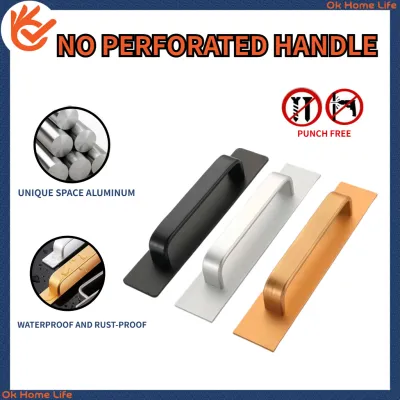
![[SG Seller]Cabinet Door Wooden Handle Cabinet Wardrobe Door Handle Kitchen Cabinet Door Handle Japanese Style Log Drawer Handle](https://img.lazcdn.com/g/p/6fc3d7470b6cdab08a58f99d87f49e3c.jpg_400x400q80.jpg_.webp)
![[SG Seller]Vintage Cupboard Door Knob Brass Wardrobe Pulls Brass Cabinet Handle Solid Brass Furniture Handles](https://img.lazcdn.com/g/p/31eda257c3aa9f41a8279164b2d5bdb2.jpg_400x400q80.jpg_.webp)
![[SG Seller]Stainless Steel Drawer knob European Mushroom Porcelain White Black Single Hole Handle Stainless Steel Cabinet Handles](https://img.lazcdn.com/g/p/b276f8cb8ff7f5315cbd1c2038cda1b3.jpg_400x400q80.jpg_.webp)
Prices are valid at publication and may change. Please refer to the product page for the latest price.
It is vital to distinguish between solid materials and plated finishes. A solid material, such as solid brass or high-grade stainless steel, maintains the same composition throughout its structure. If the surface scratches, the underlying material remains highly resistant to moisture. Conversely, plated or coated handles rely on a thin outer layer of metal or protective lacquer applied over a cheaper base metal, such as zinc alloy. If this thin protective layer is compromised by scratches, cleaning chemicals, or poor manufacturing, moisture penetrates to the base metal, causing rapid bubbling, peeling, and corrosion.
When browsing product labels or specification sheets, look for explicit indicators of moisture resistance. Terms like “marine-grade,” “corrosion-resistant finish,” or specific manufacturing standards offer clues. Always check if the manufacturer specifies suitability for high-humidity environments or wet zones before making a purchase.
Evaluating Common Handle Materials for Moisture Resistance
Stainless steel is often considered a reliable choice for humid environments, but not all stainless steel is equal. You must check the specific grade identifier. Grade 304 stainless steel contains chromium and nickel, providing excellent resistance to rust under normal household conditions. For extreme humidity or outdoor kitchens, Grade 316 offers even higher corrosion resistance due to the addition of molybdenum. Additionally, the surface finish matters; highly polished or brushed finishes are easier to wipe clean, whereas rougher textures can trap moisture and microscopic debris, potentially initiating localized pitting over time.

Brass is highly durable but naturally undergoes oxidation when exposed to air and moisture, developing a darker patina over time. If you prefer the bright, golden look of polished brass, you must verify whether the handle has been treated with a high-quality protective clear coat or lacquer. Unlacquered brass will tarnish quickly in Singapore’s climate, which may appeal to those seeking a rustic, living finish, but requires frequent polishing if you want to maintain its original shine.
Zinc alloy and aluminum are popular due to their design versatility and affordability. However, their durability in humid conditions depends entirely on the quality of their surface treatments. When evaluating zinc alloy, inspect the specifications for plating quality and coating thickness. Aluminum handles should ideally be anodized, a process that thickens the natural oxide layer on the metal surface, making it highly resistant to corrosion and scratching. Pay close attention to the edges, recesses, and screw holes of these handles, as thin coatings in these areas are common failure points where moisture can creep in.
Materials like ceramic, solid wood, and acrylic offer unique aesthetics and do not rust. Ceramic handles are highly stable and completely impervious to moisture, making them excellent for humid bathrooms, provided they are securely glazed. Solid wood handles, however, require careful consideration; they must be thoroughly sealed with a water-resistant polyurethane or marine-grade varnish to prevent warping, cracking, and mold growth. Acrylic handles are moisture-resistant but should be checked for structural stability and joint strength, particularly where the metal mounting posts are bonded to the acrylic body.
Verifying Durability and Finish Quality Before Purchase
Before finalizing your purchase, request and review the manufacturer’s official documentation. Look for details on the material composition and the specific surface treatment processes used. Advanced treatments like Physical Vapor Deposition (PVD) coating or electrophoresis provide significantly harder and more wear-resistant finishes than standard electroplating or spray-on lacquers. A manufacturer’s willingness to provide clear warranty terms specifically covering finish degradation or corrosion is often a strong indicator of product quality.
If you are purchasing from a local showroom, physically inspect the handle samples. Run your fingers along the edges, joints, and around the screw holes. The coating should be perfectly uniform without any thin spots, bubbles, rough patches, or discoloration. Inconsistencies in these critical areas suggest poor quality control, meaning the protective barrier is likely to fail prematurely when exposed to daily moisture.
Additionally, verify the physical dimensions and installation requirements of the handle. Ensure the screw hole spacing matches your existing cabinet drillings if you are replacing old hardware. Check that the handle’s depth provides enough clearance for comfortable use without scraping against the cabinet face, which could damage both the cabinet finish and the handle’s protective coating. Always confirm if the manufacturer provides specific guidelines regarding installation in high-humidity zones like under-sink cabinets or shower-adjacent vanities.
Daily Care and Maintenance to Prevent Tarnishing
Even the most durable cabinet handles require proper maintenance to withstand Singapore’s persistent humidity. For daily cleaning, avoid harsh chemical cleaners, abrasive scrubbing pads, or polishers, as these can easily strip away protective lacquers or anodized layers. Instead, use a soft, lint-free microfiber cloth slightly dampened with plain water or a highly diluted, pH-neutral mild dish soap. Dry the handles thoroughly with a separate dry cloth immediately after cleaning to prevent standing water from sitting on the surface.
Keep an eye out for early visual signals of degradation, such as tiny dark spots, a dulling of the finish, or a bubbling texture near the joints. If you notice these signs, it indicates that the protective coating may have been compromised. At this stage, stop using any chemical cleaners entirely, as they will accelerate the corrosion of the exposed base metal.
In high-humidity zones like enclosed kitchens or bathrooms, simple lifestyle adjustments can dramatically extend your hardware’s lifespan. Ensure adequate ventilation by running exhaust fans during and after cooking or showering, or open windows to allow air circulation. Regularly wipe down cabinet handles after heavy cooking sessions or hot baths to remove accumulated steam, condensation, and grease, preventing these corrosive elements from settling on the hardware surfaces.
Frequently Asked Questions (FAQ)
Can I use matte black handles in a humid kitchen?
Yes, but their durability depends entirely on the base material and the coating process. Matte black finishes achieved through cheap spray painting or low-grade powder coating can easily chip, peel, or scratch, exposing the underlying metal to moisture and causing rapid rust. For a humid kitchen, look for matte black handles with a high-quality electroplated, anodized, or PVD finish over a solid brass or stainless steel base. Always verify the manufacturer’s specifications to ensure the finish is rated for high-humidity environments.
How do I remove existing tarnish from metal handles?
If your handles have begun to tarnish, start with the gentlest possible cleaning method, such as a paste of baking soda and water applied with a soft cloth, to see if the tarnish can be lifted without scratching. However, if the underlying coating type or base metal is unknown, stop immediately and consult the manufacturer or a hardware professional. Using acidic cleaners, vinegar, or commercial metal polishes on plated or lacquered handles can permanently strip away the remaining protective layer, leading to irreversible damage and accelerated rusting.
Community discussion
Share your experience or ask a question. Comments are reviewed before publication.