
Selecting the right chair socks is a simple yet highly effective way to protect your home’s flooring from unsightly scratches, scuffs, and loud scraping noises. However, there is no single material that performs perfectly across all floor types. The optimal choice depends on your specific flooring material—whether it is delicate hardwood, durable tile, or modern luxury vinyl—as well as the texture of the surface and how frequently the furniture is moved. Felt excels at gliding quietly on sealed wood, rubber provides maximum traction for heavy furniture on textured surfaces, and silicone offers excellent flexibility and moisture resistance in spill-prone areas. Matching these materials to your home’s layout ensures long-term floor protection and furniture stability.
Assessing Your Floor and Furniture Requirements
Before purchasing chair socks, you must evaluate the physical characteristics of your flooring. Smooth, polished surfaces like glazed ceramic tiles or sealed hardwood behave differently under pressure than textured surfaces like matte porcelain or unsealed rustic wood. A high-friction protector on a high-friction floor can cause the chair to stick and stutter, while a low-friction material on a highly polished floor might cause the chair to slide away too easily when you attempt to sit down.
Next, consider the design and usage of your furniture. Heavy dining chairs that are pulled out multiple times a day require a different level of durability and glide than lightweight accent chairs or study stools. The shape of the chair legs—whether they are perfectly round, square, tapered, or angled—also dictates which sock design will stay secure. Angled legs, for instance, exert uneven pressure on the bottom of the protector, which can cause standard socks to slip off or wear through prematurely if the material lacks sufficient elasticity or reinforcement.
Products mentioned in this guide
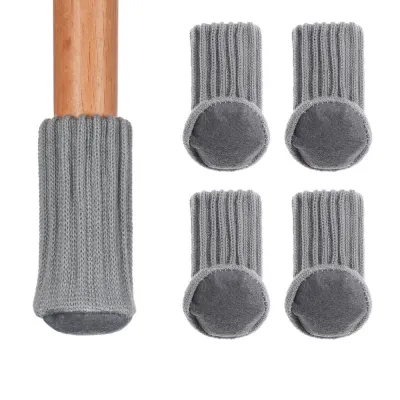
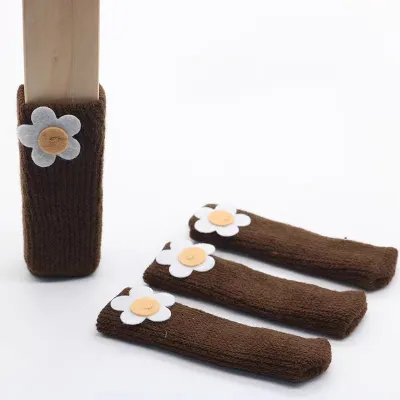
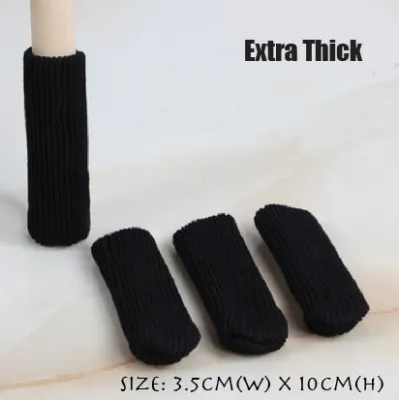
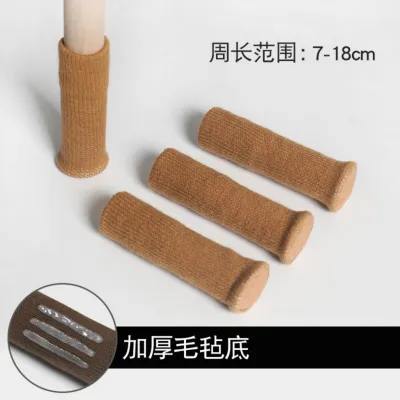
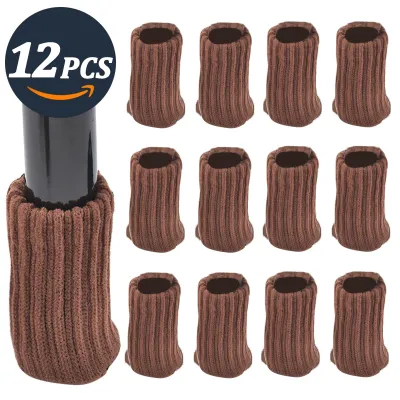
Prices are valid at publication and may change. Please refer to the product page for the latest price.
Finally, define your primary objective for each room. In a quiet home office, noise reduction might be your top priority to prevent distractions during calls. In a bustling dining room with heavy timber chairs, preventing deep scratches on delicate hardwood is likely more critical. In a kitchen or high-traffic family area, slip resistance and moisture protection are often the most important factors to keep your household safe and your floors pristine.
Felt Chair Socks for Hardwood and Smooth Tiles
Felt chair socks are the traditional standard for protecting delicate, high-value flooring. They are exceptionally well-suited for sealed hardwood, engineered wood, and smooth, glazed ceramic or porcelain tiles. The soft, fibrous texture of felt allows furniture to glide effortlessly across these surfaces, minimizing the risk of micro-scratches caused by dust or grit trapped beneath the chair legs. This smooth sliding action also makes felt the premier choice for noise reduction, transforming the harsh scrape of moving chairs into a quiet, muffled slide.

However, felt has distinct limitations that make it unsuitable for certain environments. On highly polished or slippery floors, the lack of traction can cause chairs to slide too freely, which may pose a safety hazard when sitting down. Furthermore, felt is highly absorbent. In moisture-prone areas like kitchens, dining spaces, or homes in humid climates, felt socks can absorb spills, mop water, and ambient humidity. This trapped moisture can damage the underlying wood floor, lead to mold growth, or cause the adhesive holding the felt to degrade. Additionally, using felt on textured, abrasive, or unsealed floors will rapidly shred the fibers, requiring frequent replacements.
When selecting felt protectors, perform a few simple verification checks to ensure quality. Inspect the thickness and density of the felt; high-density compressed felt offers significantly better wear resistance than soft, loose fibers. Check whether the sock features a reinforced inner layer or an integrated polymer cup that prevents the sharp edges of the chair leg from cutting through the fabric. If you choose slip-on knitted socks with felt bottoms, ensure the knit is tight and elastic enough to grip the leg securely without sliding down over time.
Rubber Chair Socks for Grip and Heavy Furniture
Rubber chair socks and tips are designed primarily for stability, traction, and heavy-duty load bearing. They are the ideal choice for heavy dining chairs, bar stools, and metal-framed furniture that tend to slide excessively on smooth surfaces. If your home features slightly textured ceramic tiles, natural stone, or rustic flooring, rubber provides the necessary grip to keep furniture firmly in place, preventing accidental slips and protecting the floor from high-impact pressure.
Despite their excellent grip, rubber protectors have notable drawbacks that require careful consideration. Because rubber has a high coefficient of friction, it does not glide easily. Attempting to drag a chair fitted with rubber socks can result in sudden stops, potentially tipping the chair or straining the joints of the furniture. On softer flooring materials like luxury vinyl plank (LVP), linoleum, or soft wood finishes, this intense friction can cause scuff marks or friction burns that are difficult to remove. More importantly, certain low-grade rubber compounds contain plasticizers that can chemically react with vinyl wear layers or unsealed wood finishes, leading to permanent yellow staining or discoloration.
To avoid these issues, always conduct thorough verification checks before purchasing rubber chair socks. Look for products explicitly labeled as non-marking or synthetic rubber, as these are formulated to prevent scuffs and chemical staining. Check the hardness of the rubber; a semi-rigid rubber offers a better balance of load distribution and floor protection than extremely soft, gummy rubber. Finally, review the manufacturer’s compatibility guidelines to ensure the product is rated safe for your specific flooring type, especially if you have luxury vinyl or custom-finished hardwood.
Silicone Chair Socks for Irregular Legs and Wet Areas
Silicone chair socks represent a modern, highly versatile solution that combines the flexibility of a stretchable sleeve with the protective qualities of a solid sole. They are particularly effective for chairs with irregular, tapered, square, or angled legs, as the elastic silicone stretches to conform tightly to the unique profile of the furniture. This tight, form-fitting grip ensures the protector stays in place without the need for messy adhesives or tight metal clamps that could scratch the wood.
One of the greatest advantages of silicone is its complete resistance to water and moisture. This makes silicone socks the perfect choice for kitchens, dining areas, and laundry rooms where liquid spills, food drops, and wet mopping are common. Unlike felt, silicone will not absorb liquids, and unlike low-grade rubber, it will not degrade or become sticky when exposed to household cleaning agents. They are also highly compatible with standard vinyl and luxury vinyl tile (LVT) flooring, providing a safe barrier that does not cause chemical discoloration.
However, silicone is not without its limitations. Pure silicone soles do not glide as smoothly as felt, which can make moving heavy chairs slightly more difficult. If used on highly polished hardwood or glossy tiles, a smooth silicone bottom can occasionally stick or, conversely, slip if a thin layer of dust accumulates underneath. To mitigate this, perform a quick check of the product design before buying. Opt for silicone socks that feature an integrated felt pad molded into the bottom of the silicone cup, or ensure the sole has a pronounced anti-slip tread pattern to maintain safe traction. Test the elasticity and wall thickness of the silicone; thin, low-quality silicone can tear easily when stretched over sharp or square chair leg corners.
Comparing Materials: Which Chair Sock Fits Your Floor?
To make the final decision easier, it helps to compare how felt, rubber, and silicone perform across key household environments. Each material offers a distinct balance of glide, grip, and durability, meaning the best choice often varies from room to room.
| Material | Best Floor Types | Primary Benefit | Key Limitation | Maintenance Check |
|---|---|---|---|---|
| Felt | Sealed hardwood, smooth glazed tiles | Quiet glide, excellent scratch prevention | Absorbs moisture, wears fast on rough surfaces | Vacuum dust; replace when thin or compressed |
| Rubber | Textured tiles, stone, heavy furniture | High traction, prevents sliding | Can scuff soft floors, risk of chemical stains | Wipe clean; check for cracking or marking |
| Silicone | Vinyl (LVP/LVT), irregular legs, wet areas | Waterproof, highly flexible, snug fit | Less noise reduction, can stick on high-gloss floors | Wash with water; check for tears or splits |
When applying this decision framework, let your floor type and daily habits guide you. Choose felt if your primary goal is a quiet, effortless glide on sealed hardwood or smooth, dry tiles. Choose rubber if you need heavy-duty stability for heavy furniture on textured tiles and want to prevent any sliding. Choose silicone if you have irregular or angled chair legs, or if you are outfitting a kitchen or dining space where spills are frequent and moisture resistance is essential. Always verify the specific finish of your floor first; unsealed wood or specialty finishes require extra caution and gentler materials.
Maintaining your chair socks is crucial for ongoing floor protection. Over time, all materials accumulate dust, pet hair, and grit, which can act like sandpaper against your floors. Inspect the bottoms of your chair socks regularly. Felt socks should be vacuumed or brushed to remove embedded debris, and replaced immediately if they become compressed, thin, or threadbare. Rubber and silicone socks can be wiped down with a damp cloth to restore their grip and remove dust. If you notice any tearing, loss of elasticity, or cracking in rubber or silicone, replace them promptly to prevent the hard chair leg from breaking through and scraping your floor.
Measuring and Installing Chair Socks for a Secure Fit
Achieving a secure fit is essential to prevent chair socks from slipping off, twisting, or wearing out unevenly. Before purchasing, you must accurately measure your chair legs. For round legs, use a flexible measuring tape or a caliper to find the exact diameter. For square or rectangular legs, measure the width of each side. If your chair legs are tapered or angled, measure the dimensions at the very bottom where the leg contacts the floor, as this is where the sock must fit most snugly. Do not guess the size, as even a discrepancy of a few millimeters can cause the sock to slide off or split.
When installing the socks, clean the bottom of the chair legs thoroughly to remove any old adhesive residue, dirt, or rough wooden splinters. Gently stretch the sock over the foot of the leg, ensuring it sits straight and flat against the bottom. The material should fit snugly around the leg without being overstretched to the point of tearing, and there should be no gaps or air pockets at the base. If the sock is too loose, it will twist and slide off during use; if it is too tight, the constant tension will cause the material to split.
While a set of chair socks is a minor investment—often costing just a few S$—choosing the wrong material or size can lead to expensive floor repairs. If you find that the chair socks do not fit securely, or if you are unsure about the compatibility of a specific material with your high-end flooring, stop and consult the furniture or flooring manufacturer before proceeding.
Frequently Asked Questions (FAQ)
Can I use felt chair socks on textured or unsealed tiles?
Using felt chair socks on textured or unsealed tiles is not recommended. Textured tiles have an abrasive surface that acts like sandpaper, rapidly wearing down and shredding the felt fibers within a short period. Additionally, unsealed tiles are porous and can retain moisture and dirt. Felt socks will absorb this moisture and trap abrasive grit, which not only ruins the protector but can also grind into the tile surface, causing dull spots and deep-seated stains that are difficult to clean.
How often should I replace my chair socks?
The lifespan of chair socks depends on the weight of the furniture, how frequently it is moved, and the material of the protector. You should perform visual and tactile checks regularly. Replace felt socks when they become visibly thin, hard, or compressed, or when they begin to shed fibers. For rubber and silicone socks, look for signs of cracking, tearing, or a loss of elasticity that causes them to slip off the legs. On average, high-use dining chairs may require new protectors once or twice a year, while rarely moved accent pieces can last much longer.
Will rubber chair socks leave marks on luxury vinyl plank (LVP)?
Some rubber chair socks can leave permanent marks or discoloration on luxury vinyl plank (LVP) flooring. This is often caused by plasticizer migration, a chemical reaction between the compounds in certain natural or low-grade rubbers and the vinyl’s protective wear layer. To prevent this, always check the flooring manufacturer’s warranty and care guidelines. When shopping, look for synthetic rubber or silicone protectors that are explicitly labeled as non-marking and safe for vinyl floors.
Community discussion
Share your experience or ask a question. Comments are reviewed before publication.