
Finding the right chair leg protector for a Japandi-style home requires balancing practical floor protection with the clean, natural aesthetic of the space. Rather than treating protectors as an afterthought, selecting options that either blend invisibly into the background or echo the room’s natural textures ensures your flooring stays safe without disrupting the visual calm of your interior.
In open-plan apartments and condominiums, dining areas are often highly visible from the main living space. Standard, bulky plastic or bright rubber protectors can instantly disrupt a carefully curated design. Choosing the right protector involves evaluating materials like ultra-thin felt pads, clear silicone caps, or woven sleeves that match the wood tones of your furniture and the specific needs of your flooring, whether it is delicate teak parquet or modern luxury vinyl.
Defining the Japandi Aesthetic for Floor Protection
Japandi interiors are defined by a harmonious blend of Japanese minimalism and Scandinavian warmth. This design philosophy prioritizes neutral color palettes—such as warm beiges, soft greys, muted creams, and earthy wood tones—alongside natural textures like oak, walnut, linen, and clay. Every element in a Japandi space must serve a purpose while contributing to a clutter-free, serene environment.
Products mentioned in this guide
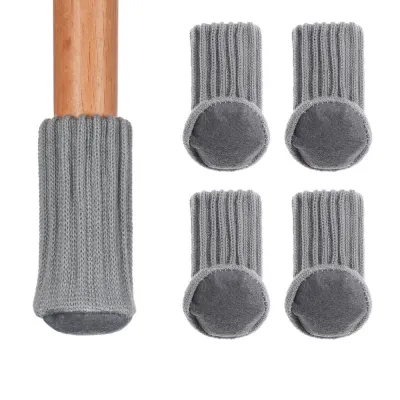
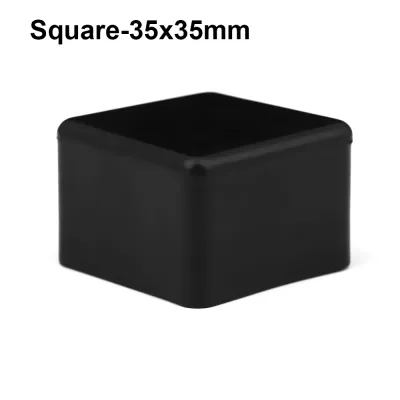
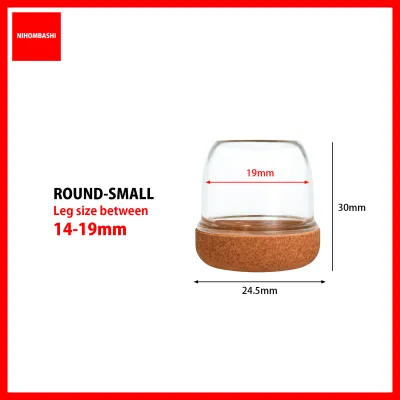
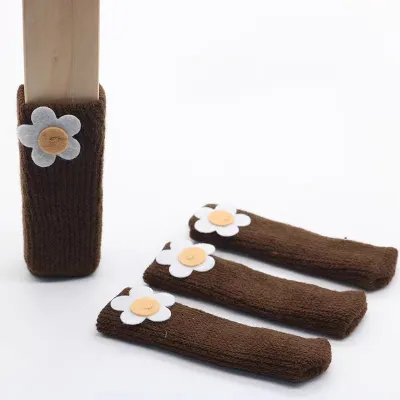
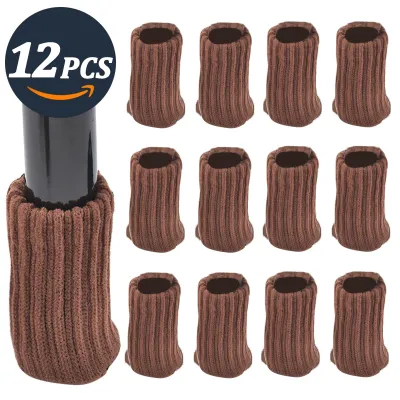
Prices are valid at publication and may change. Please refer to the product page for the latest price.
This intentionality extends to functional hardware, including chair leg protectors. An obtrusive, poorly matched protector acts as visual noise, drawing the eye downward and breaking the clean, continuous lines of minimalist furniture legs. To maintain visual calm, protectors must either be completely unobtrusive or designed to complement the organic materials already present in the room.
Protecting your floors is a practical necessity, especially when high-quality flooring like solid timber parquet, engineered wood, or luxury vinyl planks represents a significant investment. The challenge lies in balancing this physical protection with aesthetic preservation. The ideal solution is a protector that performs its duty silently, maintaining the visual flow of the room while preventing scratches, scuffs, and scraping noises.
Chair Leg Protector Types That Suit Japandi Spaces
To maintain the integrity of a Japandi interior, floor protectors should be categorized by how they interact with the furniture’s design. Some options are engineered to be completely invisible, allowing the natural grain and tapered silhouette of the wooden legs to take center stage. Other styles embrace natural textures, acting as subtle, organic extensions of the furniture itself.

Selecting the right category depends on your chair’s design, the type of wood, and the specific flooring material in your home. By understanding the distinct visual and functional characteristics of each type, you can make an informed decision that preserves both your furniture and your home’s peaceful atmosphere.
Clear Silicone Caps and Minimalist Felt Pads
For those who prefer the protective element to remain entirely unnoticed, clear silicone caps offer an excellent solution. These protectors feature a highly transparent, flexible body that stretches over the bottom of the chair leg, conforming tightly to its shape. Because they are clear, they allow the natural color, grain, and craftsmanship of the wood to remain fully visible, making the protector virtually invisible from a standing height.
Felt pads represent another classic, low-profile option that excels in minimalist spaces. Rather than opting for generic, stark white pads that stand out against dark wood, look for high-density felt pads in neutral shades like charcoal grey, soft beige, or deep brown. Matching the color of the felt to the tone of the chair leg ensures that the pad blends into the shadow cast beneath the chair, minimizing its visual impact.
When choosing these low-profile options, it is crucial to check the manufacturer’s specifications regarding adhesive quality and floor compatibility. In humid climates, standard adhesives can degrade over time, leading to sliding pads and sticky residue on your floors. Look for industrial-grade, pressure-sensitive adhesives or integrated silicone-and-felt caps that eliminate the need for glue entirely, ensuring long-lasting protection on smooth surfaces like parquet or polished screed.
Natural Woven, Rattan, and Wood-Grain Sleeves
If invisible protectors do not suit your furniture, you can opt for sleeves that actively contribute to the room’s natural texture. Woven fabric sleeves, often made from thick cotton, wool, or synthetic blends that mimic natural fibers, slide onto chair legs like small socks. When selected in earthy tones like oatmeal, sand, or olive, they echo the cozy, textile-rich elements of Scandinavian design.
For homes featuring rattan, bamboo, or light oak furniture, specialized rattan-style or wood-grain patterned sleeves can create a beautiful sense of material harmony. These protectors are designed to match the organic, textured look of the furniture, turning a purely functional accessory into a subtle design detail that feels intentional rather than accidental.
Before purchasing woven or textured sleeves, verify their structural stability and fitment. Because these sleeves rely on elasticity to stay in place, they must fit snugly to prevent slipping or bunching under the weight of the chair. Check the product care labels to ensure the materials can be cleaned easily, and verify that the bottom of the sleeve features a reinforced, non-slip base to maintain stability on slick tile or vinyl floors.
Styles and Materials to Avoid in a Japandi Setting
Achieving a cohesive Japandi look requires knowing what to exclude just as much as what to include. High-saturation colors, neon shades, and busy patterns should be avoided entirely. Bright blue, red, or patterned protectors instantly draw the eye to the floor, breaking the serene, neutral color palette that defines the style.
Bulky, industrial-grade black rubber caps and heavy-duty metal casters are also unsuitable for this aesthetic. These options are designed for utility rather than beauty, and their heavy, utilitarian appearance clashes violently with the delicate, tapered, or rounded legs typical of Japandi dining chairs. They introduce an unwanted industrial or office-like feel to a warm, residential space.
Finally, steer clear of highly reflective metals, glossy plastics, or cheap, shiny laminates. Japandi design favors matte, tactile, and natural finishes that diffuse light softly. Shiny brass, chrome, or high-gloss plastic protectors create harsh reflections that disrupt the soft, organic ambiance of the room, making the furniture look disjointed and over-engineered.
How to Measure and Match Protectors to Your Chairs
To ensure your chair leg protectors perform effectively without slipping off or looking awkward, precise measurement is essential. Begin by identifying the shape of your chair legs, which may be round, square, rectangular, or uniquely tapered. Use a flexible measuring tape or a caliper to measure the exact diameter of round legs, or the width and depth of square and rectangular legs, taking the measurement at the very bottom where the leg contacts the floor.
Once you have accurate dimensions, match the protector material to your specific flooring type by reviewing the manufacturer’s guidelines. For delicate hardwood or parquet floors, soft felt-bottomed protectors are highly recommended as they glide smoothly without scratching. For harder surfaces like ceramic tiles or homogeneous stone, durable silicone or reinforced woven sleeves can handle the textured grout lines without wearing down too quickly.
It is also important to verify the load-bearing limits and anti-slip features of the protectors. Heavy dining chairs, especially when occupied, exert significant pressure on small surface areas; choosing a protector that is too thin or soft can result in bottoming out, where the chair leg cuts through the protector and damages the floor. Look for products with reinforced bases or high-density felt layers that distribute weight evenly and prevent sliding.
If your chairs feature highly unusual leg shapes, extreme angles, or delicate vintage finishes, avoid forcing standard, off-the-shelf protectors onto them. Doing so can stretch the material awkwardly, ruin the chair’s silhouette, or even damage the wood finish. In these cases, stop and consult the furniture manufacturer or a professional upholsterer to explore custom-fit or integrated glide options that preserve both the chair and your flooring.
Maintenance and Care for Natural-Looking Protectors
To keep your chair leg protectors looking pristine and functioning correctly, regular maintenance is required. Woven fabric or natural fiber sleeves tend to accumulate dust, pet hair, and lint over time, especially in high-traffic dining areas. Establish a gentle cleaning routine by removing the sleeves periodically to shake them out, vacuum them with a brush attachment, or hand-wash them according to the care instructions to prevent fiber degradation.
Felt pads require frequent inspection to ensure they have not trapped abrasive debris. Over time, tiny particles of sand, grit, or dust can become embedded in the felt fibers, turning the soft pad into a rough surface that can scratch your parquet or vinyl floors as the chair slides. If you notice the felt has become compressed, hardened, or filled with dirt, use a stiff brush to clean it, or replace the pad entirely if it shows signs of severe wear.
Silicone caps should also be monitored for signs of aging and wear. Exposure to sunlight, humidity, and household cleaning chemicals can cause clear silicone to yellow, become brittle, or lose its elasticity over time. Inspect the caps regularly for tears, discoloration, or adhesive failure; replacing them at the first sign of degradation ensures your floors remain protected and your dining space maintains its clean, visual calm.
Frequently Asked Questions (FAQ)
Can I use standard felt pads on slightly uneven chair legs?
Using standard, thin felt pads on uneven chair legs or uneven flooring can lead to uneven weight distribution. This concentrated pressure often causes the adhesive on one side of the pad to fail quickly, leading to the pad peeling off, sliding out of place, or leaving a sticky residue on your floor. To address minor leg or floor imperfections, check for thicker, high-density felt pads or adjustable screw-in glides with felt faces, which can help absorb minor height differences and provide a more stable, level seat.
Do clear silicone caps lose their transparency over time?
Yes, clear silicone caps can gradually lose their transparency and develop a cloudy or yellowish tint over time. This aesthetic degradation is typically driven by environmental factors such as prolonged exposure to direct UV sunlight, dust accumulation, and contact with harsh floor cleaning chemicals. To maximize their lifespan, check product specifications for UV-stabilized silicone, avoid using acidic or abrasive cleaners near the chair legs, and wipe the caps down periodically with a damp, soft cloth to remove surface dust.

Community discussion
Share your experience or ask a question. Comments are reviewed before publication.